Amazon Rainforest Journey Guide
Essential strategies for crafting an unforgettable and safe adventure through the world's largest tropical rainforest ecosystem.
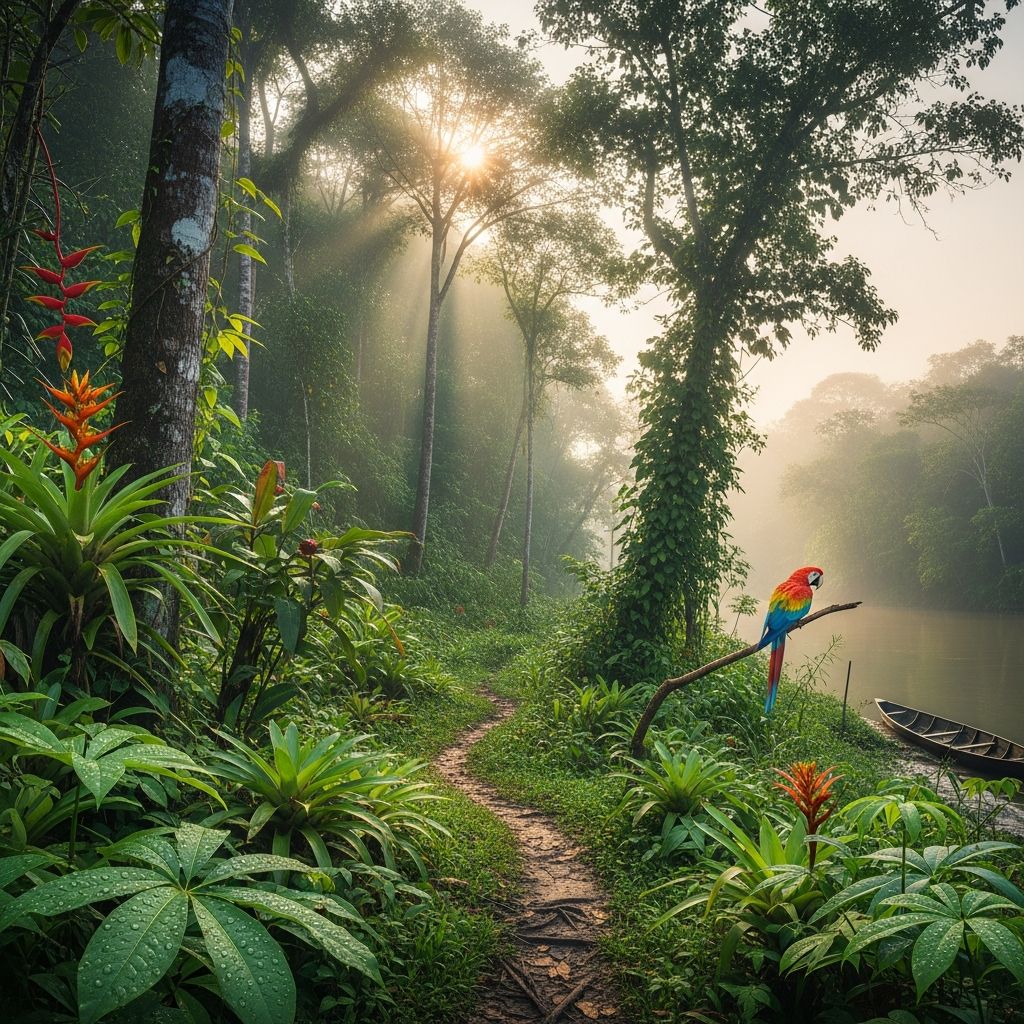
The Amazon rainforest, spanning nine countries in South America, represents the planet’s most biodiverse ecosystem, home to millions of species and vast river networks. Planning a trip here requires careful consideration of weather patterns, access points, and logistical challenges to ensure a rewarding experience.
Choosing the Perfect Time for Your Expedition
Timing your visit maximizes comfort and wildlife sightings. The dry season, typically from June to November, offers lower rainfall, making trails more navigable and river levels suitable for boat excursions. In contrast, the wet season between December and May brings lush vegetation but higher humidity and flooding risks.
Regional variations exist: Peru’s Tambopata region peaks in the dry months for birdwatching, while Brazil’s Manaus area sees high water levels in the wet season, ideal for flooded forest explorations. Avoid peak heat from September to November if sensitive to temperatures above 35°C (95°F).
- Dry season pros: Easier hiking, better visibility for spotting monkeys and birds.
- Wet season pros: Vibrant flora, accessible oxbow lakes teeming with caimans.
- Year-round tip: Book 4-6 months ahead for popular lodges during shoulder seasons like May-June.
Prime Entry Points Across the Amazon Basin
Access the rainforest via major gateways like Manaus in Brazil, Iquitos in Peru, or Leticia in Colombia. Manaus connects to central Amazon lodges via short boat rides, while Iquitos serves remote Peruvian reserves unreachable by road.
| Gateway City | Country | Key Attractions | Travel Time from Airport |
|---|---|---|---|
| Manaus | Brazil | Meeting of the Waters, Anavilhanas Archipelago | 1-3 hours by boat |
| Iquitos | Peru | Tambopata Reserve, Pacaya-Samiria | 30 min-2 hours by boat |
| Leticia | Colombia | Tri-country junction, indigenous communities | Direct flights, short hikes |
Flights to these hubs are frequent from Lima, Bogotá, or São Paulo. Budget travelers can combine bus and boat for cost savings, though this extends travel time.
Accommodation Options: From Rustic to Luxurious
Jungle lodges provide immersive bases with guided outings, meals, and basic amenities. Expect thatched cabins, shared dining, and electricity limited to evenings. High-end spots like Uakari Lodge in Brazil’s Mamirauá Reserve offer solar power, private baths, and research-backed conservation programs.
River cruises deliver mobile exploration on multi-day voyages. Vessels range from hammock decks to air-conditioned suites, with stops for jungle hikes and dolphin spotting. Operators like those near Manaus provide 5-10 day itineraries covering 500+ km of waterways.
- Lodges: Ideal for families or relaxed paces; include night walks and canopy towers.
- Cruises: Suited for panoramas; watch pink river dolphins from deck.
- Budget camps: Survival-style overnights in forest clearings for hardcore adventurers.
Unmissable Activities and Wildlife Encounters
Core pursuits include dawn canoe paddles through igapó forests, where giant otters surface, and guided treks revealing 300+ bird species daily. Night excursions spotlight nocturnal life: tree frogs, owls, and glowing fungi.
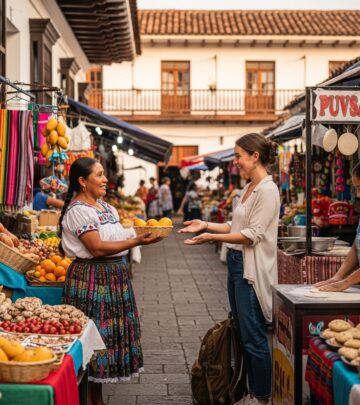
Piranha fishing with wooden rods or caiman searches by spotlight add thrill. Cultural visits to ribeirinho communities showcase sustainable fishing and herbal remedies. Advanced options like tree climbing reach 30m canopies for arboreal views.
Popular Excursions at a Glance
| Activity | Duration | Best For | Wildlife Potential |
|---|---|---|---|
| Forest Hike | 2-4 hours | Birds, monkeys | High |
| Canoe Trip | 3 hours | Otters, fish | Medium-High |
| Night Safari | 2 hours | Caimans, insects | High |
| Tree Climb | Half-day | Panoramic views | Medium |
Confirm inclusions when booking; many tours bundle 4-6 daily activities.
Packing Essentials for Jungle Conditions
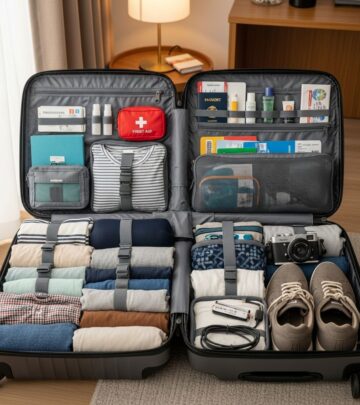
High humidity (80-100%) and daily rains demand quick-dry synthetics over cotton. Layer lightweight long sleeves for insect defense and sun protection.
- Clothing: Moisture-wicking shirts/pants, 2-3 pairs quick-dry socks, swim trunks, rain poncho.
- Footwear: Rubber boots (often lodge-provided), trail runners, flip-flops for showers.
- Gear: Headlamp/flashlight (critical for night hikes), DEET repellent (30-50%), high-SPF sunscreen, reusable water bottle with purifier.
- Health: Personalized meds, antidiarrheals, antihistamines, comprehensive first-aid kit.
- Tech: Power bank, waterproof phone case, binoculars (8×42 optimal).
Avoid valuables; use dry bags for electronics. Pack light: 10-15kg max for most transfers.
Health, Safety, and Survival Fundamentals
Vaccinations for yellow fever, hepatitis A/B, and typhoid are mandatory; malaria prophylaxis advised for low-risk areas. Drink only treated water to prevent giardia.
Wildlife hazards include fer-de-lance snakes (stay on trails), bullet ants, and jaguars (rare attacks). Guides mitigate risks with machetes and radios.
Basic Survival Protocols
- Navigation: Follow marked paths; use GPS/compass as backup. Signal for help with whistle (3 blasts).
- Shelter: Elevate off ground using branches/vines; avoid animal trails.
- Water/Food: Boil/filter streams; identify safe fruits like Brazil nuts, avoid unknown plants.
- Mindset: Conserve energy, ration supplies, prioritize rescue over solo survival.
Travel with licensed guides (check reviews); inform lodges of itineraries.
Budgeting and Booking Smartly
Entry-level lodge packages start at $300/night including meals/transfers; cruises $150-500/day. Factor flights ($200-600 RT), tips ($10-20/day/guide), and visas (Brazil $80).
Book via reputable operators for sustainability; opt for low-impact sites supporting reforestation. Shoulder seasons cut costs 20-30%.
FAQs
Is the Amazon safe for solo travelers?
Yes, with reputable guides; groups enhance safety and shared costs.
What if I see no wildlife?
Sightings vary; dawn/dusk boosts odds. Focus on sounds and tracks too.
Can families with kids visit?
Ages 8+ ideal; lodges offer kid-friendly hikes and fishing.
How eco-friendly are tours?
Choose certified operators avoiding single-use plastics and over-trafficked areas.
What’s the minimum trip length?
4 nights for immersion; 7+ for cruises.
Embrace the Amazon’s unpredictability: rain reveals hidden creeks, quiet yields monkey calls. Responsible travel preserves this wonder for future explorers.
References
- Ultimate Guide to Amazon Jungle Survival — Puerto Maldonado Tours. 2023. https://puertomaldonadotours.com/amazon-jungle-survival/
- Welcome to the jungle: planning your Amazon adventure — Lonely Planet. 2023-05-01. https://www.lonelyplanet.com/articles/welcome-to-the-jungle-planning-your-amazon-adventure
- How to Plan Your Dream Amazon Adventure — The Not So Innocents Abroad. 2023. https://www.thenotsoinnocentsabroad.com/blog/how-to-plan-your-dream-amazon-adventure
- Where to go in the Amazon: planning your journey into the rainforest — Audley Travel. 2024. https://www.audleytravel.com/us/south-america/region-guides/the-amazon
- Visiting the Amazon Rainforest in Style: A Guide for Nature Lovers — Natural Habitat Adventures. 2023. https://www.nathab.com/blog/visiting-the-amazon-rain-forest-in-style-guide-for-nature-lovers
- The ULTIMATE Amazon Rainforest Packing List — Uprooted Traveler. 2023. https://uprootedtraveler.com/amazon-rainforest-packing-list/
Similar Articles







Read full bio of Sneha Tete