
Planning Your Antarctic Adventure: A Complete Travel Guide
Everything you need to know about visiting Earth's most remote continent
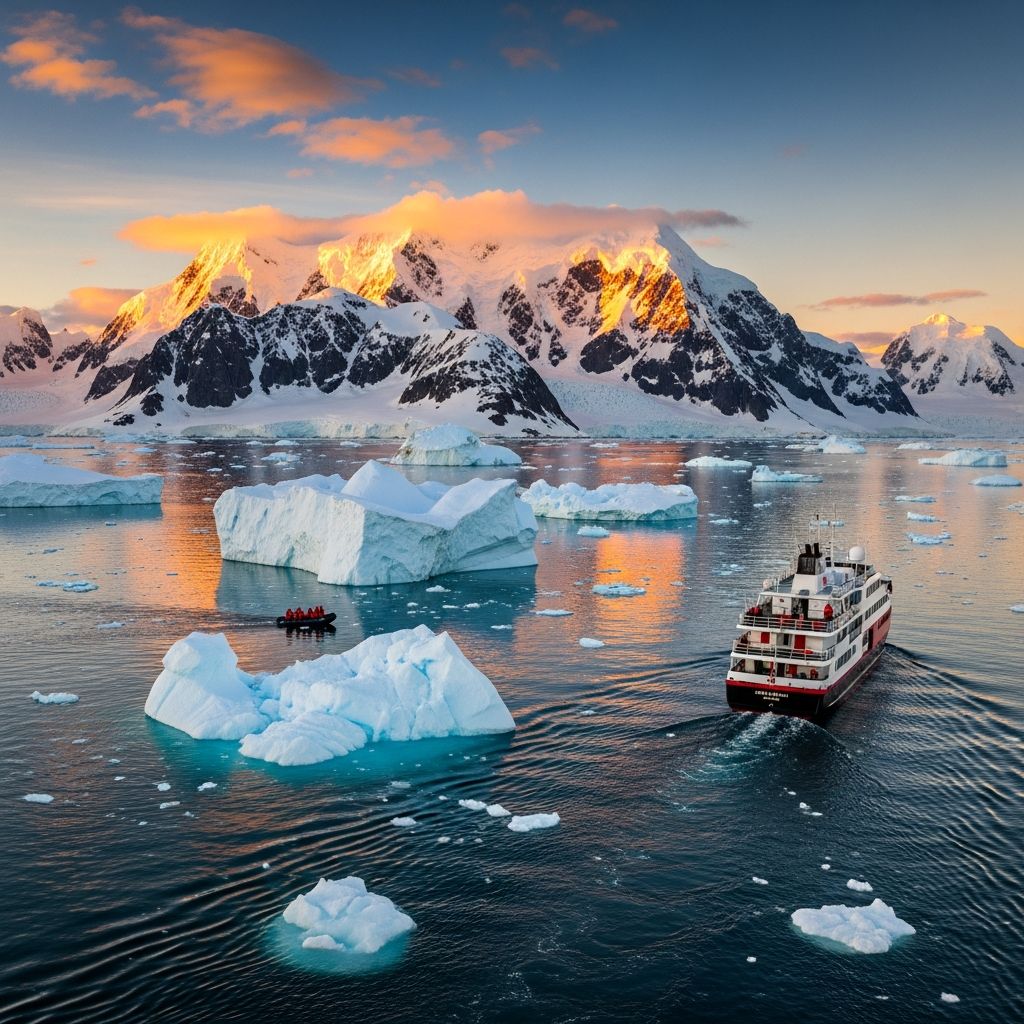
Antarctica represents one of Earth’s final frontiers, drawing adventurers, scientists, and nature enthusiasts to its pristine wilderness. Unlike typical vacation destinations, visiting the seventh continent requires careful planning, understanding specific travel windows, and choosing from distinct expedition formats. This comprehensive guide walks you through everything necessary to transform an Antarctic dream into reality.
Understanding the Antarctic Travel Landscape
Antarctica exists as a unique destination where traditional tourism infrastructure doesn’t exist. Rather than booking a hotel and renting a car, travelers must journey with organized expedition companies that provide complete packages encompassing transportation, accommodation, meals, and guided activities. This model, while requiring more advance coordination than typical vacations, offers significant advantages. The structured approach protects Antarctica’s fragile ecosystem by concentrating visitor impact and preventing independent infrastructure development that would harm the pristine landscape.
The Antarctic travel sector operates under international governance structures, with more than 50 nations jointly managing the continent through the Antarctic Treaty System. This cooperative framework ensures environmental protection and consistent visitor standards across all operators.
Gateway Cities and Initial Transportation Decisions
Reaching Antarctica begins in South America, specifically at two primary departure points: Ushuaia, Argentina, and Punta Arenas, Chile. These cities serve as launching points for the final journey across the Drake Passage or by air to the continent and surrounding islands.
Ushuaia, Argentina functions as the classic departure city for Antarctic expeditions. Located at the southern tip of South America along the Beagle Channel, Ushuaia provides the most common route for sea-based journeys. The city itself, while small, offers pre-departure activities including waterfront exploration and views of the Strait of Magellan.
Punta Arenas, Chile serves as the primary hub for air-based access to Antarctica. Positioned in Chilean Patagonia, this walkable town allows visitors to explore before departure. The city hosts Presidente Carlos Ibáñez del Campo International Airport, from which charter flights depart to King George Island.
Selecting Your Travel Method: Sea Versus Air
Two fundamentally different approaches to reaching Antarctica define the expedition experience: traditional sea crossing and modern air transportation. Each method offers distinct advantages and appeals to different traveler priorities.
Sea Crossing: The Classic Drake Passage Experience
Sailing across the Drake Passage represents the traditional Antarctic journey, connecting South America’s Cape Horn to the Antarctic Peninsula across approximately 600 miles of ocean. This crossing typically requires one and a half to two days at sea, depending on weather conditions. The journey provides genuine maritime adventure, with voyages offering exceptional wildlife viewing opportunities including the great wandering albatross and other seabirds.
Many travelers consider the Drake Passage crossing a defining rite of passage—an earned transition into the Antarctic experience rather than a mere transportation segment. The voyage includes time for onboard lectures, preparation briefings, and natural history presentations that establish context for Antarctica’s unique environment.
However, the Drake Passage carries a notable drawback: seasickness affects many travelers. The passage’s notorious roughness means rough seas can impact comfort during the crossing.
Air Routes: Speed and Comfort Over the Drake Passage
Charter flights from Punta Arenas to King George Island eliminate the Drake Passage crossing entirely, accomplishing the journey in approximately two hours. This option particularly suits travelers with limited vacation time or those concerned about seasickness. By flying, passengers save up to four travel days compared to sea routes.
Expedition companies offer flexible combinations: flights in one direction paired with sea crossings in the other, creating hybrid experiences that balance efficiency with adventure. For example, travelers might fly to Antarctica and cruise back to South America, or vice versa.
The air route deposits passengers on King George Island, where they transfer to expedition ships for the actual Antarctic exploration phase.
Optimal Timing: Understanding Antarctic Seasons
Antarctica operates on a single compressed travel season aligned with the southern hemisphere’s spring and summer. This narrow window profoundly influences all expedition planning.
Peak Season Window extends from late October through early April, with most expedition companies concentrating operations between November and March. Outside these months, conditions deteriorate significantly, making travel dangerous and uncomfortable.
Early season expeditions (November) offer advantages including longer daylight hours gradually increasing throughout the season, and lower passenger volumes. Mid-season trips (December through January) feature maximum daylight, highest passenger numbers, and optimal wildlife activity. Late-season journeys (February through March) provide fewer crowds and often lower prices, though daylight decreases and weather patterns become less predictable.
Advanced planning proves essential, as most expedition companies accept bookings up to two years in advance. Last-minute bookings remain possible but severely limit cabin selection and departure date options.
Expedition Duration and Destination Options
Antarctic expeditions range from brief coastal explorations to comprehensive polar journeys, with duration directly affecting cost, distance traveled, and destinations visited.
Destination Categories
| Destination Region | Typical Duration | Primary Characteristics | Wildlife Focus |
|---|---|---|---|
| Antarctic Peninsula | 1-15 days | Most accessible, dramatic scenery, historic sites | Penguins, seals, whales |
| Falkland Islands & South Georgia | 10+ days | Subantarctic islands, remote regions | Albatrosses, king penguins, sea lions |
| Ross Sea | 12+ days | Rarely visited, extreme conditions | Emperor penguins, Antarctic seals |
| Weddell Sea | 11+ days | Extreme exploration, emperor penguin focus | Emperor penguins, leopard seals |
The Antarctic Peninsula remains the most frequently visited destination, offering accessibility combined with stunning landscapes and abundant wildlife. Trips to the Peninsula range from single-day visits to 15-day comprehensive explorations.
Extended expeditions to the Falkland Islands and South Georgia provide encounters with unique subantarctic ecosystems before reaching Antarctica proper. The Ross Sea and Weddell Sea expeditions cater to experienced adventurers seeking extreme polar exploration with fewer crowds.
Expedition Ship Categories and Passenger Experiences
The type of vessel dramatically influences the Antarctic experience, determining which locations become accessible and which activities become possible.
Small Expedition Vessels (Under 200 passengers)
Smaller ships offer maximum flexibility, accessing remote bays, beaches, and inlets bypassed by larger vessels. These expeditions typically provide twice-daily excursions via Zodiac—inflatable motorized boats—allowing intimate exploration and wildlife encounters. Passengers experience greater access to landing sites, longer time ashore, and more flexible itineraries.
Mid-Size Ships (200-500 passengers)
These vessels balance amenities with access. While larger than expedition-specialized ships, they maintain sufficient flexibility for Antarctic operations at designated permitted sites.
Large Cruise Ships (500+ passengers)
Mega-ships focus on “cruise-only” operations without shore landings. Passengers experience Antarctica from shipboard locations, viewing the landscape and wildlife from the vessel rather than engaging in direct exploration.
Activity Options and Immersive Experiences
Modern Antarctic expeditions extend far beyond simple sightseeing, offering diverse adventure activities suited to varying fitness levels and interests.
Core Activities Available
- Zodiac Expeditions: Motorized boat excursions bring passengers to wildlife-rich locations and remote shorelines for intimate polar exploration
- Hiking and Walking: Shore excursions include walks ranging from gentle nature paths to challenging mountain treks amid Antarctic peaks
- Sea Kayaking: Paddle among icebergs and along coastlines for unique perspectives on polar landscape architecture
- Cross-Country Skiing: Winter sports enthusiasts can traverse frozen sea ice and snow-covered terrain under expert guidance
- Photography Workshops: Professional photographers provide instruction for capturing Antarctic wildlife and landscapes
- Mountaineering: Technical climbing expeditions reach high-altitude viewpoints for spectacular panoramic views
- Polar Plunging: Adventurous travelers can swim in Antarctic waters—typically with neoprene protection
- Camping Ashore: Select expeditions offer overnight camping experiences under the Antarctic sky
- Snorkeling: Underwater exploration reveals Antarctic marine ecosystems and kelp forests
Activity availability varies by expedition company and vessel type. Smaller ships typically offer more comprehensive activity menus due to increased flexibility and reduced regulatory restrictions.
Cruise-Focused Experiences
For travelers prioritizing relaxation alongside polar viewing, traditional cruise itineraries provide alternatives to expedition-intensive schedules. These cruises depart from major South American ports including Buenos Aires, Argentina, and San Antonio, Chile, traveling south along the coastline before crossing the Drake Passage.
Cruise-based journeys typically exceed two weeks in duration, incorporating stops at various South American coastal towns and islands before reaching Antarctic waters. These voyages emphasize onboard entertainment, fine dining, and social experiences alongside limited polar exploration.
Cost Considerations and Budget Planning
Antarctic expeditions represent significant financial investments, with prices varying dramatically based on multiple factors. Budget expeditions begin around $2,500-3,500 for basic Peninsula cruises, while extended multi-week journeys to remote regions can exceed $10,000-15,000 per person. Premium small-ship experiences with specialized activities and expert naturalists occupy the higher end of pricing ranges.
Package inclusions typically encompass accommodation, meals, onboard lectures, basic shore activities, and transportation within Antarctica. Additional costs often include flights to South America, travel insurance, personal gear, and optional premium activities. Travelers should carefully review what specific expeditions include before comparing prices across operators.
Essential Preparation and Logistical Planning
Documentation and Permits
Standard passport requirements apply for traveling through South America and to Antarctica. No visa is required for Antarctica itself, as the continent remains designated for scientific and peaceful purposes under international treaty. However, traveling through Argentina or Chile may require visas depending on your citizenship.
Travel Insurance
Comprehensive travel insurance becomes essential when booking Antarctic expeditions. Policies should cover trip cancellation, emergency medical evacuation, and emergency repatriation. Given Antarctica’s remoteness and harsh conditions, evacuation costs can reach extreme levels, making insurance non-negotiable.
Operator Selection
Travelers should prioritize expedition companies holding membership with the International Association of Antarctica Tour Operators (IAATO), which maintains strict environmental and safety standards. Membership ensures operators follow best practices for wildlife protection, waste management, and passenger safety.
Booking Timelines
Begin researching expeditions 12-24 months before planned travel, allowing time for careful comparison and securing optimal cabin assignments.
Pre-Departure Briefings and Orientation
Upon arrival at departure cities like Punta Arenas or Ushuaia, expedition companies conduct mandatory pre-departure briefings. These evening sessions introduce fellow passengers, explain safety protocols, detail daily routines, and provide context about Antarctica’s environment, wildlife, and history. Attending briefing sessions proves valuable for both logistical understanding and establishing community with traveling companions.
What to Expect Upon Arrival
The gradual Antarctic approach by sea creates anticipatory atmosphere. As Drake Passage crossing progresses, passengers increasingly spot evidence of polar environment: seabirds soaring around the ship, sea ice appearing, icebergs becoming visible, and snow-covered mountains appearing on the horizon. This graduated transition builds excitement while acclimating travelers to the extreme environment.
Frequently Asked Questions
Is Antarctica travel accessible for beginners?
Yes. Expedition companies design programs accommodating varying experience levels. Most expeditions don’t require mountaineering or extreme adventure experience. However, travelers should possess reasonable physical fitness for hiking, walking excursions, and boarding zodiac boats in challenging weather.
What happens if weather prevents activities?
Expedition leaders monitor weather continuously and adjust itineraries accordingly. Safety always takes priority over scheduled activities. Reputable operators build flexibility into itineraries, offering alternative activities when primary destinations become inaccessible.
How environmentally sensitive are Antarctic expeditions?
Professional expedition operators follow strict environmental protocols. International treaties and IAATO membership requirements enforce waste management, wildlife protection, and habitat preservation standards. Limited passenger numbers and concentrated tour operations actually protect the environment better than uncontrolled visitation would.
Can families with children visit Antarctica?
Many expeditions welcome families with children, though some companies set minimum age requirements. Parents should verify specific policies before booking. Children typically find Antarctic wildlife and ice landscapes captivating, though the extended journey requires realistic assessment of comfort levels.
What’s the difference between visiting the Peninsula versus remote regions?
The Peninsula offers excellent accessibility, diverse wildlife viewing, and strong infrastructure with most developed visitor sites. Remote regions like the Ross Sea or Weddell Sea provide extreme adventure, fewer crowds, and specialized wildlife encounters. Peninsula expeditions suit most travelers; remote expeditions appeal to experienced adventurers seeking ultimate polar wilderness.
References
- How to Travel to Antarctica: How to Get There and What to Know — Expeditions.com. Accessed April 22, 2026. https://www.expeditions.com/travel-guide/antarctica-travel-guide/how-to-travel-to-antarctica
- 10 Steps to Plan an Antarctic Expedition — Antarctica21. Accessed April 22, 2026. https://www.antarctica21.com/journal/10-steps-to-creating-your-perfect-antarctic-expedition
- A Beginner’s Guide to Booking an Antarctica Cruise — Wilderness Travel. Accessed April 22, 2026. https://www.wildernesstravel.com/blog/antarctica-cruise-beginners-guide/
- How to get to Antarctica — Aurora Expeditions. Accessed April 22, 2026. https://www.aurora-expeditions.com/blog/how-to-get-to-antarctica
- You Can Travel to Antarctica—and Here’s How — Quark Expeditions. Accessed April 22, 2026. https://www.quarkexpeditions.com/blog/can-i-travel-to-antarctica
- Antarctica Travel Advisory — U.S. Department of State Bureau of Consular Affairs. Accessed April 22, 2026. https://travel.state.gov/en/international-travel/travel-advisories/antarctica.html
Similar Articles








Read full bio of Sneha Tete