Australia’s Top National Parks: Essential Guide For Visitors
Discover the most breathtaking national parks across Australia, from ancient rainforests to dramatic gorges and iconic rock formations.
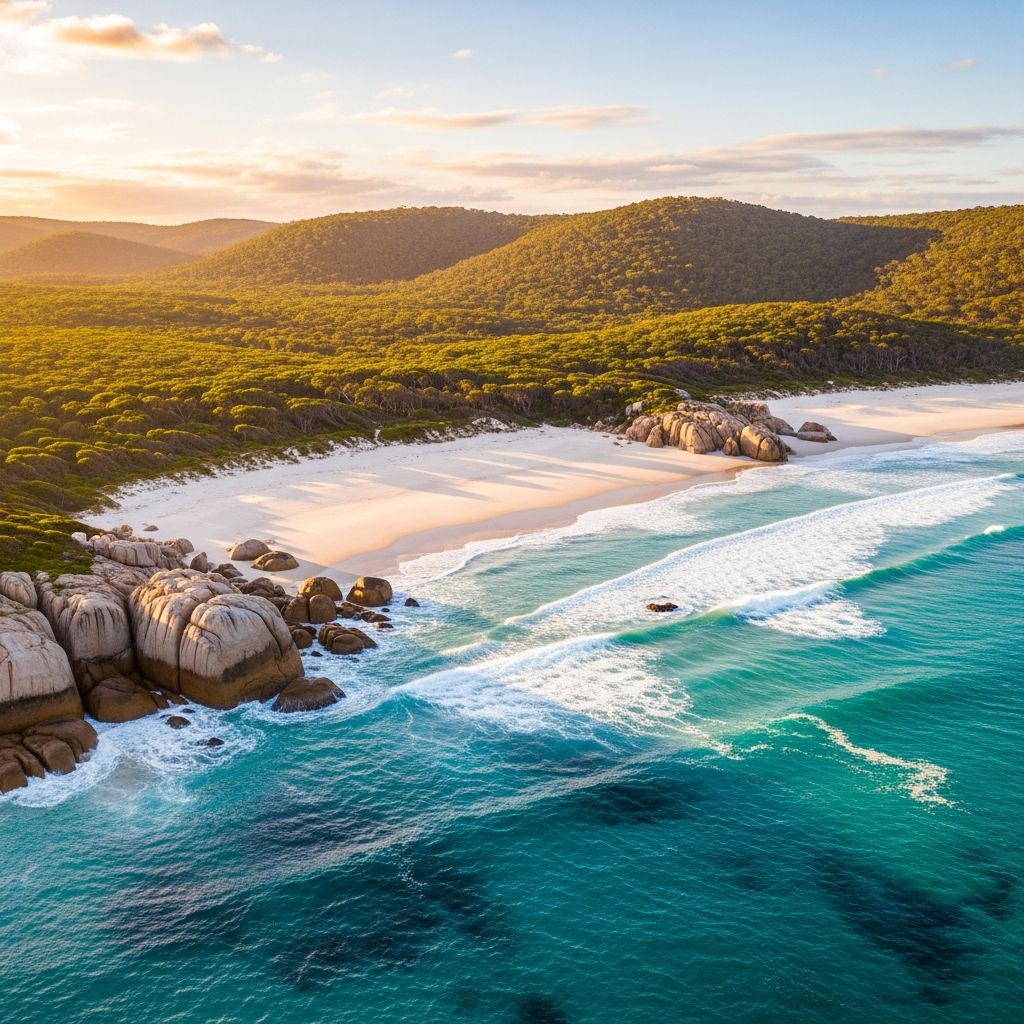
Australia boasts over 500 national parks, safeguarding everything from coral reefs and rainforests to rugged mountains and desert icons. These protected areas offer unparalleled opportunities for hiking, wildlife spotting, and cultural immersion, drawing millions of visitors annually. This guide highlights the standout destinations, drawing from official tourism insights and traveler experiences to help you plan your next adventure.
Northern Territory Wonders: Kakadu and Uluru-Kata Tjuta
The Northern Territory houses some of Australia’s most iconic parks, blending Aboriginal heritage with dramatic natural beauty. Kakadu National Park, the nation’s largest at over 19,000 square kilometers, features seasonal waterfalls, floodplains teeming with birdlife, and ancient rock art galleries dating back 20,000 years. Visitors can cruise Yellow Water Billabong to spot saltwater crocodiles and jabirus, or hike to Twin Falls for a refreshing swim amid monsoon-fed cascades.
Uluru-Kata Tjuta National Park, a UNESCO World Heritage site, centers on the massive sandstone monolith Uluru (Ayers Rock) and the nearby domes of Kata Tjuta (The Olgas). Sunrise and sunset transform these sacred Anangu lands into a kaleidoscope of reds and oranges. Guided tours reveal Tjukurpa stories, while the Valley of the Winds walk offers panoramic views and solitude.
- Best time to visit: Dry season (May-September) for accessible trails and wildlife viewing.
- Must-do: Ranger-led cultural tours in Kakadu; base walk around Uluru (10.6km, 3-4 hours).
- Wildlife highlights: Crocodiles, wallabies, over 280 bird species.
Queensland’s Tropical Gems: Daintree and Beyond
Queensland’s parks pulse with life, where ancient rainforests meet the sea. Daintree National Park, part of the Wet Tropics World Heritage Area, is the oldest surviving rainforest on Earth at 180 million years old. Here, the forest canopy touches the Great Barrier Reef, creating a unique ecosystem with cassowaries, tree kangaroos, and pythons. Drive the Bloomfield Track or zipline through the Mossman Gorge for immersive experiences.
Nearby, the Whitsundays and other coastal parks offer reef snorkeling, but Daintree stands out for its primordial vibe. Cape Tribulation section allows beach camping amid jungle sounds.
New South Wales: Blue Mountains Majesty
Just 90 minutes from Sydney, Blue Mountains National Park spans 2,500 square kilometers of eucalyptus forests, sheer cliffs, and hidden valleys. The Three Sisters rock formation, Wentworth Falls, and the Giant Stairway provide postcard views. Scenic World offers cableway rides over Jamison Valley, while bushwalks reveal glow-worm caves and lyrebirds.
| Activity | Duration | Difficulty |
|---|---|---|
| Grand Cliff Top Walk | 2.4km, 1 hour | Easy |
| Federal Pass to Scenic World | 9.5km, 3-4 hours | Moderate |
| Six Foot Track | 45km multi-day | Challenging |
Western Australia’s Remote Spectacles: Karijini and Nambung
Western Australia’s vast parks reward intrepid explorers. Karijini National Park, the state’s second-largest, showcases billion-year-old gorges carved into iron-rich ranges. Hike to Handrail Pool in Weano Gorge for turquoise waters framed by 100-meter walls, or summit Mount Bruce (1,233m). The park’s arid beauty contrasts with lush oases, home to rock wallabies and corellas.
Nambung National Park’s Pinnacles Desert features thousands of limestone spires rising from golden sands, some 3 billion years old. Drive the 1.2km loop or walk among the formations at sunset, spotting kangaroos and emus against the Indian Ocean backdrop.
Victoria’s Coastal and Mountain Retreats
Victoria’s parks blend rugged coastlines with alpine scenery. Wilsons Promontory National Park, or ‘The Prom,’ offers pristine beaches, granite peaks, and abundant wildlife. Hike to Mt. Oberon for 360-degree views or spot seals at Refuge Cove. Inland, Grampians National Park (Gariwerd) features sandstone ridges, wildflowers in spring, and Aboriginal rock art.
Port Campbell National Park protects the Twelve Apostles, limestone stacks battered by Southern Ocean waves. The Great Ocean Road drive amplifies the drama.
Tasmania’s Wild Heart: Freycinet and Cradle Mountain
Tasmania, a biodiversity hotspot, punches above its weight. Freycinet National Park on the east coast dazzles with Hazards Mountains and Wineglass Bay’s curved white sands. Climb the peninsula for dolphin sightings or kayak crystal waters.
Cradle Mountain-Lake St Clair National Park anchors the Overland Track, a 65km iconic hike through button grass plains, ancient rainforests, and barn-blazed dolerite peaks. Wombats, platypus, and Tasmanian devils roam freely. Winter snow adds alpine charm.
- Overland Track essentials: Permit required; 6-8 days; huts and campsites available.
- Wildlife tips: Dawn/dusk for marsupials; carry fox-proof storage.
South Australia’s Flinders Chase and Ikara-Flinders Ranges
On Kangaroo Island, Flinders Chase National Park boasts Remarkable Rocks, Admirals Arch, and koala-filled eucalyptus groves. Fur seals bask at remote beaches.
Ikara-Flinders Ranges National Park reveals Wilpena Pound’s natural amphitheater, ancient cycads, and yellow-footed rock wallabies. Hike to St. Mary’s Peak or join a First Nations-guided tour.
Planning Your National Park Adventure
Australia’s parks demand preparation: check park fees (most $10-20/day), book permits for popular tracks, and pack for variable weather. Use the National Parks Directory for apps and maps. Sustainable practices like Leave No Trace preserve these treasures.
FAQs
Which Australian national park is best for families?
Blue Mountains offers accessible walks, scenic rides, and cafes, ideal for all ages.
What’s the most remote national park?
Karijini in WA, requiring 4WD for some areas and offering true outback isolation.
Can I camp in all parks?
Yes, but book ahead in high-demand spots like Cradle Mountain; follow fire bans.
Best park for wildlife viewing?
Kakadu for birds and crocs; Tasmania for endemic species like Tasmanian devils.
Are there entry fees?
Most charge per vehicle; annual passes save money for multiple visits.
References
- Best national parks in Australia – The Ultimate List! (2026) — Travel Australia Today. 2026. https://travelaustraliatoday.com/national/best-national-parks-in-australia/
- The Ultimate Guide To Australia’s Best National Parks — y Travel Blog. N/D. https://www.ytravelblog.com/national-parks-australia/
- National parks in Australia — Tourism Australia (australia.com). N/D. https://www.australia.com/en/things-to-do/nature-and-national-parks/national-parks-australia.html
- 10 Best National Parks in Australia — Zicasso. N/D. https://www.zicasso.com/a/australia/np
- National parks in Australia for wildlife, scenery and more — KAYAK. N/D. https://www.kayak.com/news/national-parks-in-australia/
Similar Articles







Read full bio of medha deb