
Bee Stings On The Go: 4 Quick First-Aid Steps For Travel
Master essential steps to handle bee stings during trips, from immediate care to spotting dangers, keeping your adventures safe.
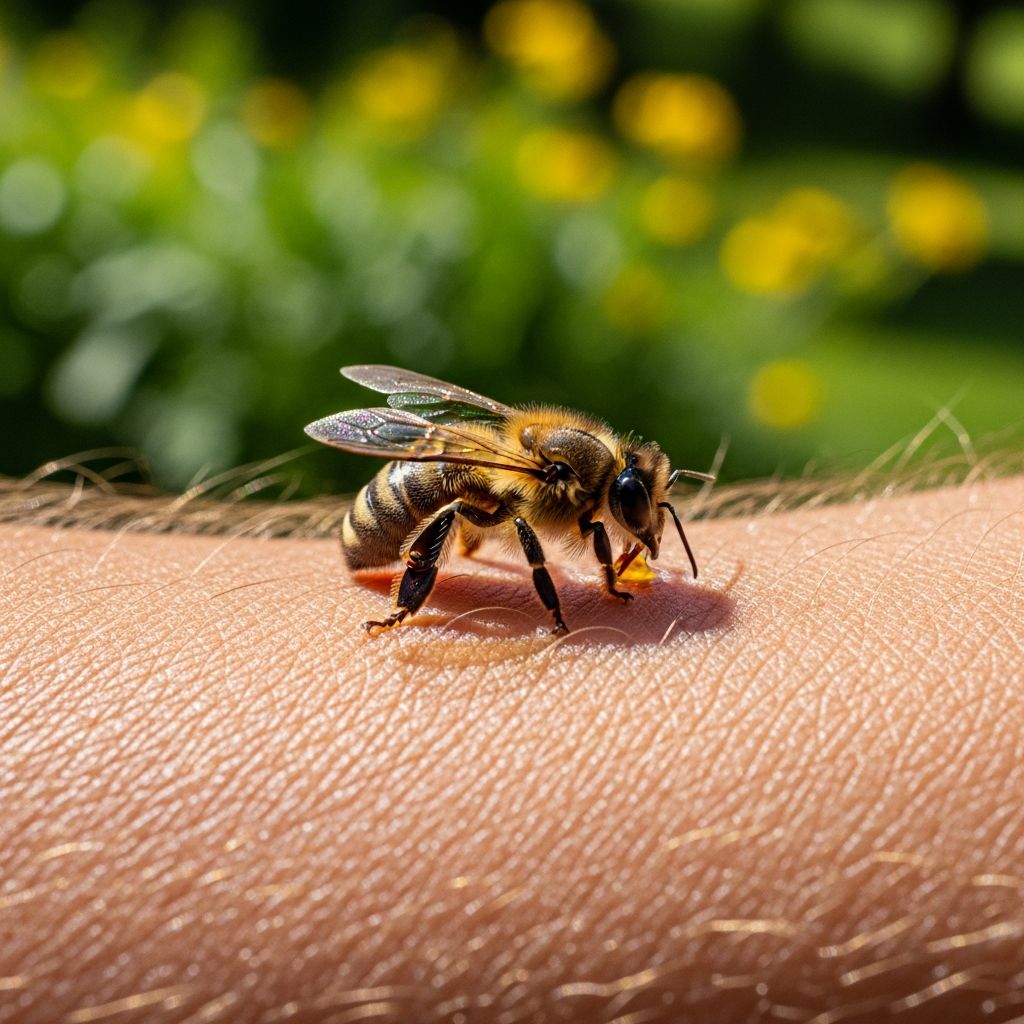
Encountering a bee sting during travel can disrupt any adventure, but knowing the right response turns a painful moment into a manageable one. This guide equips you with practical steps for immediate care, symptom management, and when to seek professional help, drawing from trusted medical advice.
Understanding the Immediate Impact of a Bee Sting
When a bee stings, it injects venom that triggers localized inflammation, pain, and swelling. Honeybees often leave behind a barbed stinger that continues pumping venom until removed, making speed essential. Unlike wasps, which can sting repeatedly, bee stings typically involve a single puncture but demand prompt action to limit venom spread.
Symptoms usually peak within minutes: sharp pain at the site, redness, and itching. In travelers exploring nature-rich destinations like beaches, forests, or gardens, these encounters are common, especially in warmer climates where bees thrive.
Step-by-Step First Aid Protocol
Act swiftly with these core steps to minimize discomfort and complications.
- Flick out the stinger: Use a flat edge like your fingernail, credit card, or gauze to scrape it away. Avoid pinching with tweezers, as squeezing releases more venom.
- Wash thoroughly: Clean the area with soap and water to prevent infection, a risk heightened in remote travel spots without immediate hygiene access.
- Apply cold therapy: Wrap ice in a cloth and hold for 10-20 minutes to constrict blood vessels, curbing swelling and numbing pain. Elevate the limb if possible.
- Monitor closely: Watch for spreading redness or worsening symptoms over hours.
These actions, supported by medical consensus, can resolve most stings within hours to days.
Over-the-Counter Relief Options
Pack these essentials in your travel kit for enhanced comfort.
| Medication Type | Purpose | Examples | Usage Notes |
|---|---|---|---|
| Antihistamines | Reduce itching and mild swelling | Benadryl, Zyrtec | Follow label; oral for systemic relief |
| NSAIDs/Pain Relievers | Control pain and inflammation | Ibuprofen, Acetaminophen | Take as directed; avoid if stomach issues |
| Topical Creams | Soothe skin directly | Hydrocortisone, Calamine lotion | Apply up to 4x daily until symptoms fade |
These remedies are widely available globally, but check local equivalents in non-English speaking countries.
Natural Remedies for Sting Relief
In areas with limited pharmacies, nature offers alternatives backed by some evidence.
- Honey: Its antibacterial properties may aid healing; apply medical-grade or raw honey, cover loosely for an hour.
- Aloe vera: Fresh gel cools and moisturizes inflamed skin, reducing itch.
- Baking soda paste: Mix with water for a neutralizing poultice on alkaline venom effects.
- Apple cider vinegar: Diluted application may balance pH and ease discomfort, though evidence is anecdotal.
While helpful, these don’t replace medical first aid; use cautiously to avoid irritation.
Recognizing and Handling Allergic Reactions
Up to 3% of adults face severe allergies, with risks higher for frequent outdoor enthusiasts. Mild reactions involve hives beyond the site; severe ones signal anaphylaxis.
Warning Signs of Trouble
- Difficulty breathing or throat swelling
- Widespread hives or dizziness
- Nausea, rapid heartbeat, or low blood pressure
- Swelling of face, lips, or tongue
If symptoms appear, use an epinephrine auto-injector if prescribed, then call emergency services. In travel scenarios, locate the nearest clinic via apps like Google Maps or local SIM data.
Medical Interventions for Severe Cases
Hospitals provide:
- Epinephrine injections to reverse shock
- IV antihistamines and corticosteroids
- Oxygen or beta-agonists for breathing support
Post-treatment, allergy testing and immunotherapy may prevent future incidents.
Prevention Strategies for Travelers
Avoid stings to sidestep treatment altogether.
- Wear protective clothing: Long sleeves, pants in bloom-heavy areas; avoid bright colors or floral scents.
- Smart eating: Cover sweet drinks; bees target sugary spills at picnics.
- Stay alert: Avoid swatting; move calmly away from nests near trails or campsites.
- Pre-trip prep: If allergic, carry EpiPen, wear medical alert bracelets, inform travel companions.
In tropical destinations, peak bee activity aligns with dry seasons—research local patterns.
Tailored Advice for Common Travel Scenarios
Beach and Coastal Trips
Ground-nesting bees hide in sand; shake gear before packing and wear water shoes.
Mountain Hikes and Backcountry
Altitude doesn’t deter bees; pack a compact first-aid kit with tweezers alternative and antihistamines.
Urban Exploration
Parks and markets buzz with bees; opt for early mornings when they’re less active.
International Journeys
Verify OTC med import rules; EU countries regulate hydrocortisone, while many Asian spots sell generics cheaply.
When to Seek Professional Medical Help
Beyond allergies, consult a doctor if:
- Infection signs: pus, fever, red streaks
- Sting in eye, mouth, or neck
- Symptoms persist >5 days or worsen
- Multiple stings (10+ increases systemic risk)
Tetanus boosters are advised if >10 years since last, especially post-wound.
Building Your Travel Sting Kit
A lightweight kit includes:
- Antihistamine tablets
- NSAID pain relievers
- Hydrocortisone cream
- Gauze or card for stinger removal
- Antiseptic wipes
- EpiPen (if prescribed)
Store in waterproof pouch for hikes or beach days.
Frequently Asked Questions (FAQs)
Can I ignore a bee sting if I’m not allergic?
No—proper care prevents infection and eases recovery.
How long does swelling last?
Typically 1-2 days locally; up to a week for larger reactions.
Do home remedies really work?
Some like ice and honey provide relief, but evidence varies; prioritize first aid.
What if stung on a remote trail?
Treat basics, note GPS location, signal for help if symptoms escalate.
Are bee stings worse in certain countries?
Species vary, but treatment principles are universal; Africanized bees may be aggressive.
Armed with this knowledge, bee stings become minor hurdles in your travel story.
References
- Bee Sting Symptoms, Treatment & Prevention — Cleveland Clinic. 2023. https://my.clevelandclinic.org/health/diseases/25093-bee-sting
- Bee Sting Treatment and Home Remedies — Healthline. 2023. https://www.healthline.com/health/outdoor-health/home-remedies-for-bee-stings
- First Aid for Wasp and Bee Stings Treatment — WebMD. 2023. https://www.webmd.com/first-aid/bee-and-wasp-stings-treatment
- Bee sting – Diagnosis and treatment — Mayo Clinic. 2023. https://www.mayoclinic.org/diseases-conditions/bee-stings/diagnosis-treatment/drc-20353874
- How to Treat a Bee Sting at Home vs. When to Seek Care — Carolina QuickCare. 2023. https://carolinaquickcare.com/bee-sting/
- Bee Stings 101 — USDA ARS. 2023. https://www.ars.usda.gov/pacific-west-area/tucson-az/carl-hayden-bee-research-center/docs/bee-safety/bee-stings-101/
Similar Articles








Read full bio of Sneha Tete