Beginner Hiking Gear Essentials 2026: Complete Checklist
Equip yourself for safe, enjoyable hikes with these expert-recommended essentials tailored for newcomers venturing into nature.
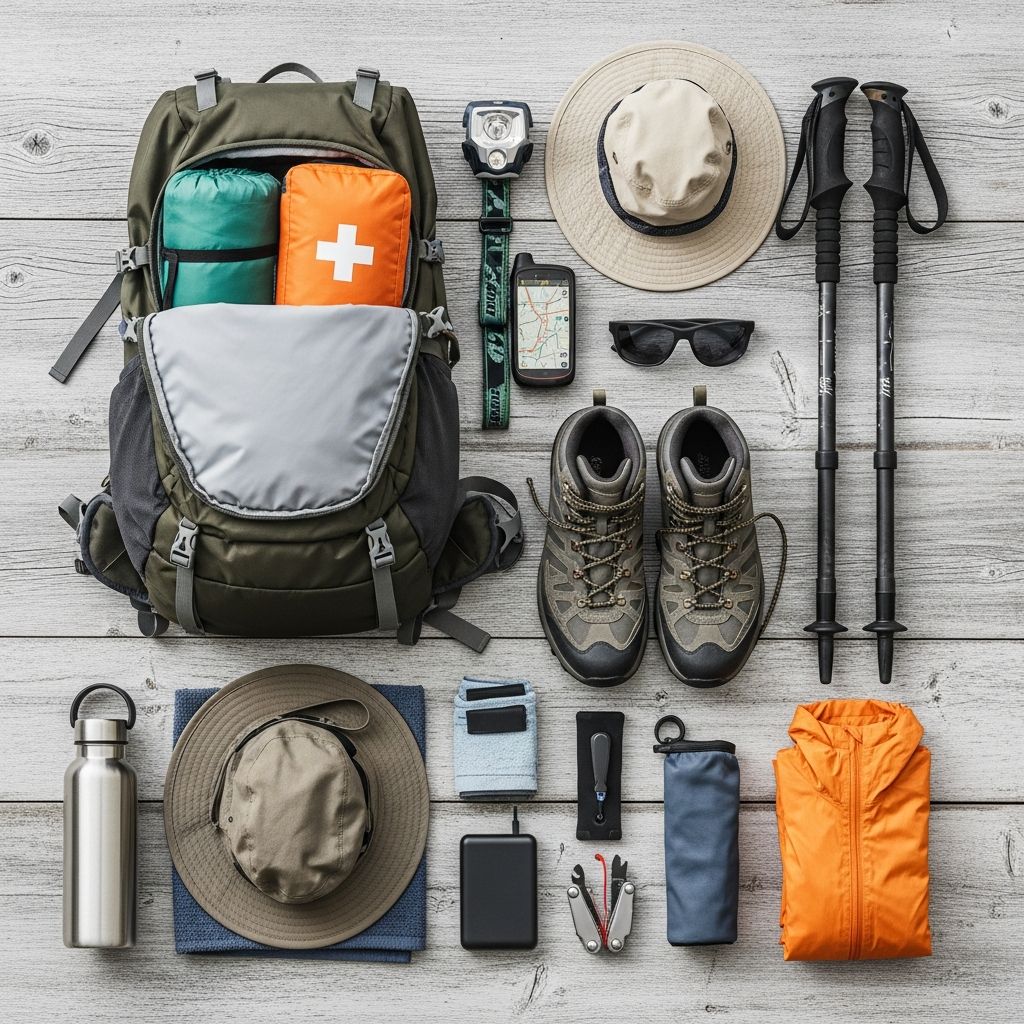
Starting your hiking journey requires the right equipment to ensure comfort, safety, and enjoyment on the trails. This guide covers fundamental items every novice should consider, drawing from trail-tested recommendations to help you build a reliable kit without overwhelming your budget or backpack. Whether you’re tackling short day hikes or exploring longer paths, these selections prioritize versatility, durability, and beginner-friendly features.
Why Gear Matters for New Hikers
Proper gear prevents common pitfalls like blisters, overheating, or getting lost, allowing you to focus on the scenery and adventure. Experts emphasize starting with multi-purpose items that adapt to varying weather and terrains, reducing the need for excessive purchases early on. Quality basics last longer and build confidence as you progress.
Footwear: The Foundation of Every Hike
Your feet carry you through miles of uneven ground, so investing in supportive, breathable shoes or boots is non-negotiable. For beginners, mid-cut sneakers with waterproofing offer ankle stability without the bulk of heavy boots. Look for cushioned midsoles and grippy outsoles to handle mud, rocks, and streams.
- Waterproof trail sneakers provide flexibility for day hikes while repelling moisture.
- Pair with moisture-wicking socks to maintain dry feet and avoid friction.
Recommendations include models like Timberland Motion Access Mid, praised for all-day comfort on varied paths. Merino wool blend socks, such as Darn Tough Light Hiker Crew, excel in breathability and blister prevention, even after wet conditions.
Backpacks: Carrying Comfortably
A well-fitted backpack distributes weight evenly, preventing back strain. Beginners should opt for 20-35 liter capacities suitable for day trips, with adjustable straps, padded hip belts, and ventilation to combat sweat.
| Pack Size | Best For | Key Features |
|---|---|---|
| 20-25L | Short hikes | Lightweight, hydration compatible |
| 30-35L | Full-day outings | Multiple pockets, rain cover |
| Adjustable torso | All body types | Custom fit for comfort |
Standouts include the Talon 33 for its roomy yet comfy design on extended walks, and Kumo 36 for ultralight carry. Zpacks Nero 38 offers durability for growing ambitions.
Layering for Changing Conditions
Weather shifts quickly in the outdoors, so layered clothing allows customization. Base layers wick sweat, mid-layers insulate, and outer shells block wind and rain.
- Base Layer: Synthetic hoodies like Patagonia Capilene Cool for quick drying.
- Mid Layer: Lightweight down or synthetic jackets for chill.
- Shell: Packable rain gear such as Montbell Versalite for sudden showers.
For pants and shorts, stretchy, quick-dry options like Prana Halle or Patagonia Multi Trails handle brush and bugs. Wind jackets like Patagonia Houdini add versatility without weight.
Protection from the Elements
Sun, bugs, and cold demand targeted defenses. Long-sleeve shirts with UPF protection, wide-brim hats, and sunscreen form your sun shield. Insect repellent and head nets tackle pests on lush trails.
Gloves range from lightweight for dexterity to insulated for cooler months, like Outdoor Research Vigor or Showa Best for wet trips. Lip balm with SPF prevents chapping at elevation.
Hydration and Nutrition Basics
Dehydration sneaks up fast, so carry at least 2-3 liters of water or a filtration system. Bladder packs or bottles work, but filters like Sawyer Squeeze purify streams on longer treks.
Pack energy-dense snacks: nuts, bars, and dried fruit. A small ditty bag organizes food and toiletries, keeping everything accessible.
Navigation and Safety Must-Haves
Even marked trails can confuse, so equip with a compass, map, and GPS device like Garmin inReach Mini for emergencies. Headlamps ensure you return before dark; Nitecore NU25 or similar models offer long battery life.
- Personal locator beacons for off-grid areas.
- Whistle and first-aid kit for basics like bandages and pain relief.
Trekking poles, such as Gossamer Gear LT5, aid stability on descents and reduce joint stress.
Personal Care and Hygiene on the Trail
Minimize impact with a trowel for waste burial, pee cloth for efficiency, and biodegradable soap. Hand sanitizer and toilet paper complete the kit, ensuring Leave No Trace principles.
For overnight hints, pack a lightweight pillowcase or stuff sack for rest.
Building Your First Hiking Kit: Budget Tips
Start under $300 by prioritizing shoes, pack, and layers. Shop sales, rent initially, or borrow to test fits. Focus on fit over brand hype.
| Category | Budget Pick | Price Range |
|---|---|---|
| Shoes | Timberland Sneakers | $100-150 |
| Pack | Talon 33 | $120-160 |
| Rain Shell | Montbell Versalite | $80-120 |
Common Beginner Mistakes to Avoid
Oversized packs lead to fatigue; ill-fitting shoes cause injuries. Neglecting weather checks or hydration results in turn-backs. Practice packing at home and do short test hikes.
Seasonal Adjustments for Year-Round Hiking
Spring/fall: Add rain pants and insulation. Summer: Emphasize breathability and sun gear. Winter: Crampons and warmer layers, but build experience first.
FAQs
What is the most important hiking gear for beginners?
Footwear and a fitted backpack top the list, as they directly impact comfort and endurance.
How much should I spend on my first hiking setup?
Aim for $200-500 total, focusing on versatile, durable pieces that last multiple seasons.
Do I need trekking poles as a beginner?
They’re optional but helpful for balance; start with basic aluminum pairs.
What’s the best way to stay hydrated on a hike?
Carry a filter and drink regularly—aim for half-liter per hour of moderate effort.
Can I use running shoes for hiking?
For easy trails yes, but upgrade to trail-specific for grip and protection on rough terrain.
Advanced Tips for Rapid Improvement
Join local groups for guided hikes, track via apps, and gradually extend distances. Maintain gear post-trip: clean, dry, and store properly. As skills grow, experiment with ultralight options like carbon poles or down quilts.
This curated selection empowers beginners to hit trails confidently in 2026, blending expert insights with practical advice for lasting adventures.
References
- Best Hiking Gear 2026: What I Actually Use (No Sponsorships) — HikingGuy. 2026. https://hikingguy.com/best-hiking-gear/
- My Current Day Hiking Gear List 2025 — Lady on a Rock. 2025. https://ladyonarock.com/day-hiking-gear-list/
- 2025 Hiker’s Gear Guide — 9 Pieces of Outdoor Gear I Can’t Live Without — Tom’s Guide. 2025. https://www.tomsguide.com/wellness/fitness/2025-hikers-gear-guide-9-pieces-of-outdoor-gear-i-cant-live-without
- 14 Hiking & Backpacking Essentials (Best Gear of 2025) — The Packable Life. 2025. https://www.thepackablelife.com/hiking/gear/hiking-backpacking-essentials
- The Gear That Backpacker’s Editors Loved in September 2025 — Backpacker. 2025-09. https://www.backpacker.com/gear/the-gear-that-backpackers-editors-loved-in-september-2025/
Similar Articles








Read full bio of Sneha Tete