
Culinary Gems Across Belize’s Diverse Regions
Discover authentic flavors spanning Creole, Mestizo, Garifuna, and Mayan traditions
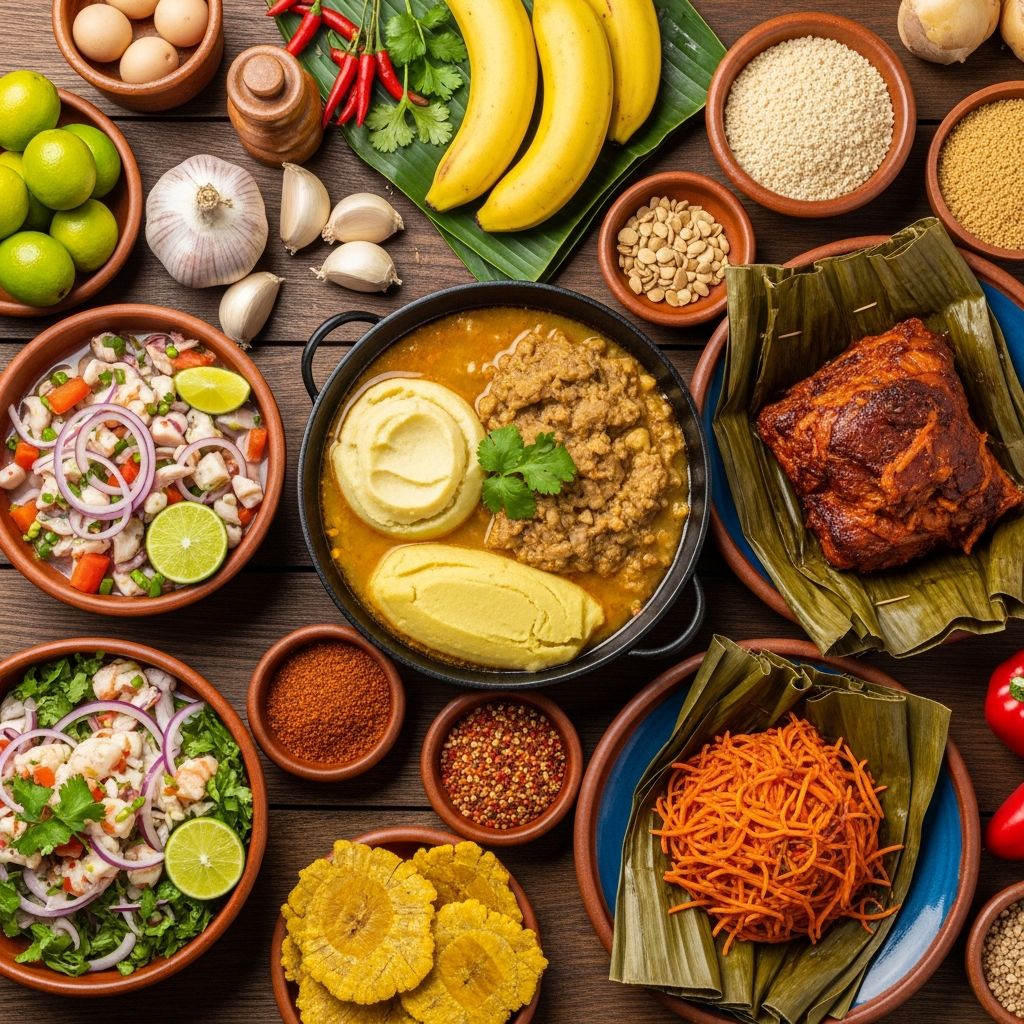
The Rich Tapestry of Belizean Food Culture
Belize’s culinary landscape reflects centuries of cultural intersection, blending indigenous Mayan traditions with European, African, and Caribbean influences. The result is a distinctive gastronomic identity that varies significantly across different regions of the country. From the bustling streets of Belize City to the serene beaches of Placencia and the colonial charm of smaller towns, each locale offers unique dining experiences that tell the story of Belize’s diverse heritage.
The nation’s food scene extends far beyond simple sustenance—it represents a living history of migration, trade, and cultural exchange. Visitors and locals alike can embark on a culinary journey that transcends geographical boundaries, sampling dishes that have been perfected over generations within specific communities.
Understanding Regional Cuisines and Their Origins
The gastronomic divisions throughout Belize follow distinct ethnic and cultural lines, each contributing signature dishes and preparation methods. Creole cuisine dominates coastal areas, built upon seafood, coconut, and colonial influences. Mestizo cooking traditions in central regions emphasize corn-based preparations and slow-cooked stews that reflect Spanish colonial heritage mixed with indigenous ingredients. Garifuna communities maintain their African-Caribbean heritage through unique dishes found primarily in southern coastal villages. Mayan cuisine, the oldest culinary tradition in the country, continues to thrive in inland communities through ancient preparation techniques and locally foraged ingredients.
Coastal Excellence: The Award-Winning Benchmark
Along the picturesque coast, particularly in the Placencia area, one establishment stands apart as a multiple-time recipient of national recognition. This beachfront destination combines French culinary sophistication with locally-sourced Belizean ingredients, creating an innovative take on traditional fare. The setting amplifies the dining experience—tables positioned mere steps from the turquoise Caribbean waters create an atmosphere that is as memorable as the food itself. The menu demonstrates how foreign expertise and local resources can produce something entirely distinctive, neither purely European nor wholly Belizean, but rather a harmonious fusion.
Exploring Belize City’s Dining Revolution
The capital city has emerged as an unexpected culinary destination, attracting devotees from across the country and beyond. One particularly notable establishment has garnered such loyal patronage that residents willingly undertake lengthy drives specifically to dine there. The restaurant specializes in authentic Indian cuisine, offering both à la carte selections and an extensive lunch buffet that represents exceptional value. This phenomenon illustrates how Belize’s dining culture has evolved to embrace international cuisines while maintaining its identity as a primarily Caribbean destination.
Mestizo Traditions in the Orange Walk Region
Interior towns like Orange Walk preserve culinary traditions that date back generations. One family-operated garden restaurant embodies the essence of local hospitality and traditional cooking. The establishment’s name references Mayan heritage while the menu celebrates both Mestizo and Caribbean-inspired preparations. Diners can select between intimate indoor seating or relaxed outdoor patio dining beneath umbrella-shaded tables. The restaurant’s popularity among tourists and locals alike demonstrates the enduring appeal of authentically-prepared regional cuisine in an unpretentious setting.
Must-Try Dishes Across Multiple Locations
Belizean cuisine offers several signature dishes that appear across the country with regional variations:
- Ceviche: Raw fish cured in citrus juices, served as an appetizer in coastal areas with variations in spicing and accompanying ingredients
- Conch fritters: Deep-fried portions of conch meat, a seafood staple throughout beach communities
- Escabeche: A Mestizo dish featuring onions and peppers in a vinegar-based preparation, commonly found on Ambergris Caye
- Hudut: A Garifuna specialty consisting of fish wrapped in plantain dough and served in a rich broth, traditionally prepared in Hopkins
- Caldo: A Mayan-influenced soup featuring local ingredients, available in interior regions like Punta Gorda
- Pupusas: Salvadoran-influenced stuffed tortillas that have become popular street food throughout Belize
- Tamales: Corn-based preparations with various fillings, a Mestizo staple particularly common during celebrations
Street Food and Casual Dining Culture
Beyond formal restaurant establishments, Belize’s food culture thrives in informal settings where local vendors prepare quick meals and snacks. Middle Street areas in various towns buzz with activity in evening hours, offering everything from garnaches (fried tortillas with toppings) to panades (fried pastries with savory fillings) to dukunu (steamed corn cakes). These casual food experiences often provide the most authentic tastes and represent the daily eating habits of ordinary Belizeans. The informal sector demonstrates culinary democracy—exceptional food available at minimal cost, prepared according to traditional methods passed down through families.
Specialized Dining Experiences Beyond Traditional Fare
Modern Belize has welcomed culinary entrepreneurs who introduce international cuisines while maintaining connection to local ingredients and techniques. Latin American and Caribbean fusion restaurants have emerged in tourist-friendly areas, offering fine dining in settings that balance sophistication with tropical authenticity. These establishments often feature candlelit seating in rustic-elegant environments, with menus that reinterpret traditional dishes through contemporary preparation methods.
Planning Your Belizean Food Journey
Approaching Belize as a food destination requires flexibility and curiosity. The nation’s compact size—roughly 170 miles north to south—enables travelers to sample multiple regional cuisines within a week-long visit. A logical progression might begin in Belize City for Indian dining and Creole street food, continue southward along the coast through Placencia’s award-winning establishments, venture inland to Orange Walk for Mestizo traditions, and conclude in southern regions like Hopkins or Punta Gorda for Garifuna and Mayan specialties.
Breakfast and Street Food Standards
Belizean breakfast culture deserves particular attention from food travelers. Beach-side breakfast establishments serve traditional morning meals featuring fresh preparations adapted to coastal settings. Meat pies filled with ground beef or chicken, deep-fried to golden perfection, provide portable options for active travelers. Fry jacks—fried dough accompanied by various toppings—offer substantial breakfast sustenance. These morning meals establish the foundation for understanding Belizean food culture, as breakfast remains an important social meal consumed with family or friends rather than rushed alone.
Seafood Preparation Styles
Coastal regions developed multiple approaches to preparing fresh seafood based on availability and cultural preference. Whole fish preparations divide into distinct categories: traditional fried fish with crispy exteriors and tender flesh, and “tour guide style” preparation—a local term referring to specific spice applications and cooking methods developed in hospitality contexts. Ceviche preparation varies by establishment, with some emphasizing citrus acidity while others incorporate additional vegetables and spices. These variations reflect individual family recipes and regional preferences rather than standardized formulas.
The Role of Local Ingredients
Belizean restaurants distinguish themselves through commitment to local sourcing. The availability of fresh seafood in coastal communities ensures that fish and shellfish reach tables within hours of harvest. Agricultural products including tropical fruits, coconut, plantains, and indigenous vegetables enable year-round preparation of traditional dishes. This ingredient foundation distinguishes Belizean cuisine from Caribbean cuisines in other nations with less diverse local production.
Dining Etiquette and Expectations
Belizean dining culture emphasizes casual comfort over rigid formality, even in award-winning establishments. Beach-front locations typically maintain relaxed dress codes reflecting tropical settings. Service styles vary from formal tableside attendance in upscale venues to counter ordering in casual establishments. Most restaurants maintain reasonable prices relative to North American standards, with buffet options and casual dining offering excellent value. Advance reservations prove advisable only for the most acclaimed establishments during peak tourist seasons.
Seasonal Considerations for Optimal Dining
Certain dishes demonstrate seasonal availability based on harvest cycles and fishing seasons. Seafood preparations shift with seasonal migrations of fish species. Agricultural products vary in freshness and price depending on growing seasons. The dry season (November through April) generally offers optimal conditions for tourism and potentially more consistent restaurant operations, while the rainy season (May through October) brings lower crowds and reduced prices alongside potential operational inconsistencies at some establishments.
Frequently Asked Questions About Belizean Dining
What cuisine styles should first-time visitors prioritize?
Beginning with Creole specialties in coastal areas provides the most iconic Belizean experience. Adding one inland meal featuring Mestizo preparations and one Garifuna dish creates a representative sampling of the nation’s culinary diversity within a brief visit.
Are vegetarian and vegan options available throughout the country?
Traditional Belizean cuisine centers heavily on seafood and meat preparations. However, most establishments can prepare vegetable-based dishes with advance notice, and rice-and-bean plates provide protein-rich vegetarian options available at nearly every restaurant.
How do price ranges compare across different dining categories?
Street food and casual establishments typically charge $3-8 USD per meal. Mid-range restaurants offering table service and traditional preparations cost $12-20 USD. Award-winning establishments and fine dining venues charge $25-50+ USD per entrée, though beachfront locations often command premium pricing regardless of cuisine style.
What water and beverage safety considerations exist?
Tap water in major towns generally meets safety standards, though visitors with sensitive digestive systems may prefer bottled water. All established restaurants maintain proper sanitation practices, as health codes apply uniformly across the nation.
Can food allergies be accommodated?
Most restaurants, particularly those accustomed to international visitors, can accommodate allergies and dietary restrictions with advance notice. Casual establishments may have limited alternatives, so direct communication remains essential.
References
- The Best Restaurants in Belize — AFAR Magazine. 2026. https://www.afar.com/travel-tips/the-best-restaurants-in-belize
- THE 10 BEST Restaurants in Belize City (Updated April 2026) — TripAdvisor. 2026. https://www.tripadvisor.com/Restaurants-g291968-Belize_City_Belize_District.html
- The Best Spots for Food Travel in Belize — Our Tasty Travels. 2026. https://ourtastytravels.com/blog/best-spots-food-travel-belize/
- Hidden Treasure Restaurant, San Pedro Belize — Hidden Treasure Restaurant. 2026. https://www.hiddentreasurebelize.com
Similar Articles








Read full bio of Sneha Tete