Beppu Japan: 7 Essential Sights, Onsens, And Travel Tips
Discover Japan's premier hot spring destination with expert tips and local insights.
Understanding Beppu’s Geothermal Significance
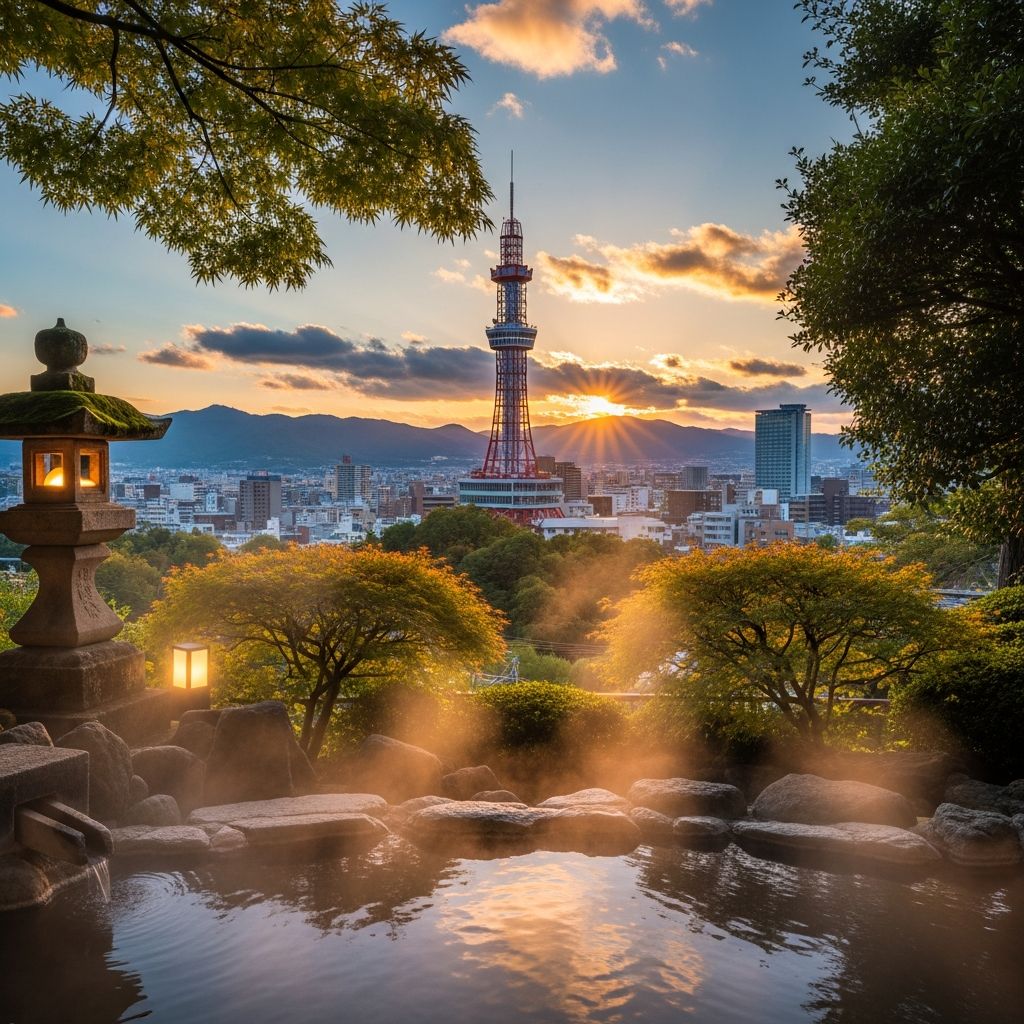
Nestled on Japan’s southern island of Kyushu, Beppu stands as the nation’s premier hot spring destination, producing more geothermal water than any other resort city in the country. This remarkable thermal activity shapes every aspect of the city, from its characteristic rising steam visible throughout the streets to the diverse bathing experiences available to visitors. The city’s identity is intrinsically tied to its natural hot springs, known locally as onsen, which have attracted visitors for centuries and continue to define Beppu’s cultural and economic landscape.
The geological conditions that create Beppu’s abundant hot springs result from the region’s position along Japan’s volcanic belt. This unique positioning ensures a continuous flow of naturally heated water, enabling the city to offer experiences ranging from traditional public bathhouses to elaborate spa facilities. The concentration of thermal activity has earned Beppu its reputation as the onsen capital of Japan, drawing tourists and wellness seekers from around the globe.
The Seven Hells: Beppu’s Most Iconic Attraction
Perhaps Beppu’s most recognizable feature is the collection of visually stunning hot spring ponds known as the Seven Hells of Beppu, or Jigoku Meguri in Japanese. These spectacular natural formations are not intended for bathing, as temperatures reach approximately 100°C, making them dangerous for human immersion. Instead, visitors journey through these surreal landscapes to witness the dramatic geological phenomena, colorful mineral deposits, and otherworldly steam formations that characterize each unique location.
The Seven Hells circuit offers visitors a curated experience of Beppu’s most extraordinary geothermal features. Each hell possesses distinct characteristics, from mineral-rich waters displaying vivid colors to specialized formations that have been developed into viewing areas. The mineral composition of the water determines the visual appearance, ranging from brilliant blues and reds to deep browns and greens. Understanding the geological origins of each hell enhances appreciation for these natural wonders and provides context for the significant role geothermal activity plays in shaping the region.
Types of Hells and Their Characteristics
- Chinoike Jigoku (Blood Pond Hell): Known for its reddish coloration caused by iron oxide minerals, this hell presents one of the most visually dramatic displays in the collection
- Umi Jigoku (Ocean Hell): Features striking blue waters created by dissolved copper minerals, creating an appearance reminiscent of tropical waters in an unexpected Japanese setting
- Kamado Jigoku (Cooking Pot Hell): Famous for its practical application, where visitors can steam cook meals using the natural heat and steam from the geothermal waters
- Shiraike Jigoku: Displays milky white waters resulting from specific mineral compositions and geothermal chemistry
- Oniyama Jigoku: An alligator farm utilizing the warm waters for raising tropical reptiles in an unusual fusion of nature and human activity
Admission and Access Information
For visitors interested in experiencing the Seven Hells, several ticketing options accommodate different travel styles and budgets. Individual hell admission costs ¥500 for adults and ¥250 for children, allowing visitors to select specific locations based on interests and available time. For comprehensive exploration of all seven hells, a combined pass priced at ¥2400 yen provides entry to each location and represents better value for those planning an extended circuit. Online booking for these passes simplifies the ticketing process and often provides advance purchase discounts.
Most hells require approximately 15-20 minutes travel time from Beppu Station using local bus services. The transportation network connecting these attractions operates frequently, with bus numbers 5, 7, and 9 providing the fastest service to the Kannawa district where several of the main hells cluster. A tourist bus completes the entire circuit in three to four hours, offering guided transportation for visitors preferring organized tours over independent exploration.
Diverse Bathing Experiences Beyond the Hells
While the Seven Hells offer visual spectacle without bathing opportunities, Beppu provides an unmatched variety of bathing experiences that utilize the region’s geothermal resources. This diversity reflects both traditional Japanese bathing culture and innovative applications of natural thermal energy. Visitors can choose from ordinary hot water baths, specialized mud baths that incorporate mineral-rich geothermal water, sand baths utilizing naturally heated sand, and steam baths that harness the region’s abundant thermal output.
Each bathing type offers distinct health and wellness benefits. Traditional onsen immersion provides relaxation and therapeutic benefits from mineral-rich waters, while mud baths are believed to improve skin conditions and circulation. Sand baths create a unique sensation of being buried in naturally heated sand, promoting deep relaxation and detoxification. Steam baths utilize the region’s abundant thermal steam for respiratory and skin benefits. This range of options allows visitors to customize their wellness experience according to personal preferences and health considerations.
Navigating Beppu’s Transportation Network
Efficient transportation planning significantly enhances the Beppu experience, particularly for visitors exploring multiple attractions. The city’s bus network serves as the primary transportation method for accessing major tourist destinations and hot spring facilities. For frequent bus users, the Kamenoi Bus Pass offers exceptional value, with the Mini Pass providing unlimited city transportation for ¥1100. Individual bus rides typically cost between ¥140 and ¥330, meaning the pass pays for itself after just four to eight trips.
The Mini Pass can be exchanged at Fukuoka International Airport arrival hall before traveling to Beppu, allowing visitors to begin using the pass immediately upon arrival. This advance purchasing option eliminates transportation concerns and enables spontaneous exploration without calculating individual fare costs. For those arriving at Beppu Station, the Kamenoi Bus Pass can also be obtained at the station, providing immediate access to the city’s transportation network.
Key Transportation Routes and Times
| Destination | Travel Time from Station | Primary Bus Routes | Estimated Cost (Single Fare) |
|---|---|---|---|
| Kannawa District Hells | 15-20 minutes | Bus 5, 7, 9 | ¥140-¥330 |
| Beppu Ropeway | Varies | Multiple routes | ¥500 (ropeway fare) |
| Takegawara Koji Arcade | 10-15 minutes | Local bus service | ¥140-¥330 |
Mountain Views and Ropeway Adventures
Beyond the Seven Hells, Beppu offers panoramic perspectives from Mount Tsurumi, accessible via the Beppu Ropeway. This mountain viewing experience provides sweeping vistas of the city, surrounding landscape, and coastal areas. The ropeway itself represents both a practical transportation solution and a scenic attraction, with the single ride costing ¥500. Many visitors combine ropeway access with other attractions during guided tours, creating comprehensive itineraries that showcase Beppu’s natural and cultural diversity.
Cultural Heritage and Traditional Crafts
Beppu’s cultural significance extends beyond its thermal attractions to include traditional bamboo craftsmanship recognized by Japan’s Ministry of Economy, Trade and Industry. First documented in Japan’s oldest historical chronicles, Beppu’s bamboo craft tradition represents centuries of artistic and functional expertise. The Traditional Bamboo Crafts Center serves as both museum and workshop, housing examples of local artisanship ranging from everyday household items to contemporary furniture designs.
Visitors interested in cultural immersion can participate in hands-on experiences at the craft center, learning traditional artisanal techniques while creating personal souvenirs. The center’s gift shop offers authentic local crafts unavailable in standard tourist retail settings, making it an ideal destination for those seeking unique takeaways that reflect Beppu’s cultural identity. These crafts connect modern visitors to centuries of local tradition and support communities of practicing artisans.
Culinary Experiences and Local Cuisine
Food represents an integral component of the Beppu experience, with numerous restaurants and specialty venues showcasing local ingredients and traditional preparation methods. The famous kamado-jigoku allows visitors to cook meals using steam from natural hot springs, creating a unique dining experience that merges thermal resources with culinary creativity. This activity transforms geothermal phenomena into practical cooking tools, demonstrating the intimate integration of natural forces into daily life and tourism in Beppu.
Beyond steam cooking, Beppu’s restaurants serve fresh seafood reflecting the region’s coastal proximity, alongside seasonal dishes utilizing locally-sourced ingredients. The combination of thermal bathing and exceptional food creates a holistic wellness experience, with many visitors considering meals prepared with local ingredients an essential component of their Beppu journey.
Guided Tours and Personalized Experiences
For visitors seeking deeper cultural insights and expert interpretation, guided tour options accommodate various interests and time constraints. Local Japanese guides provide narrative context and historical background for the Seven Hells, explaining the geological processes and cultural significance of each location. Nationally-licensed guides offer flexible itineraries, allowing visitors to collaborate on customized experiences combining hells, cultural sites, and dining experiences.
Four-hour guided tours typically incorporate 1-2 hells, the hell-steaming restaurant experience, ropeway access to Mount Tsurumi, and visits to retro attractions like the Takegawara Koji Arcade. Extended six-hour options accommodate more ambitious explorers interested in comprehensive Beppu experiences. These personalized approaches benefit visitors unfamiliar with public transportation systems or seeking social engagement with knowledgeable local guides.
Retro and Contemporary Attractions
The Takegawara Koji Arcade represents Beppu’s nostalgic side, offering retro shopping and dining experiences that appeal to visitors interested in Japan’s mid-20th century culture. This historic arcade maintains vintage aesthetics while continuing to function as an active commercial space, providing authentic glimpses into traditional Japanese shopping culture.
Planning Your Beppu Itinerary
Effective Beppu planning begins with determining available time and primary interests. Visitors with limited schedules might focus on 2-3 signature hells, a bathing experience, and one cultural venue. Those with extended time can explore the complete Seven Hells circuit, sample multiple bathing types, engage in craft workshops, and experience diverse dining venues. The city’s compact geography and efficient transportation network enable flexible itineraries accommodating various mobility levels and physical abilities.
Seasonal considerations influence experiences, with quieter periods offering more intimate access to attractions while peak seasons provide lively atmospheres and full operational schedules across all venues. Weather patterns in Kyushu are generally temperate, though summer months can be hot and humid, potentially affecting comfort during outdoor activities.
Practical Visitor Information
Beppu accommodates visitors across all budget ranges, from luxury spa resorts to budget-friendly guesthouses. The tourism infrastructure provides English-language support at information centers near the train station, where visitors can obtain maps, purchase passes, and receive personalized recommendations.
The city’s character blends modern urban development with geothermal features and traditional elements, creating distinctive neighborhoods with varying atmospheres. While some areas display contemporary infrastructure, others maintain retro aesthetics and show signs of age, contributing to Beppu’s eclectic character.
Why Beppu Deserves Your Visit
Beppu represents a rare convergence of natural wonders, cultural heritage, wellness opportunities, and authentic Japanese hospitality. The combination of visually spectacular geothermal phenomena, diverse bathing experiences, traditional crafts, and culinary excellence creates multidimensional experiences that appeal to various traveler types. Whether seeking relaxation, adventure, cultural immersion, or geological appreciation, Beppu delivers distinctive experiences unavailable elsewhere in Japan.
Frequently Asked Questions
Can you bathe in the Seven Hells?
No, the Seven Hells are viewing attractions only. Water temperatures reach approximately 100°C, making bathing impossible and dangerous. Beppu offers separate facilities for various bathing experiences.
What is the best time to visit Beppu?
Beppu is enjoyable year-round, though spring and autumn offer optimal weather conditions. Summer can be humid and hot, while winter generally remains mild due to Kyushu’s southern location.
How long should I spend in Beppu?
Two to three days provides adequate time for experiencing major attractions, bathing facilities, and cultural venues. Extended stays allow for leisurely exploration and multiple bathing experiences.
Is English widely spoken in Beppu?
Tourist areas maintain English signage and information resources. Tourism offices provide English-language support, though rural areas may have limited English accessibility.
How do I purchase the Seven Hells Pass?
Passes are available online and at tourism offices near Beppu Station. Online booking offers convenience and potential discount opportunities.
References
- First-Timer’s Guide to Beppu: Hells, Hot Springs, and Hidden Gems — Where and Wander. 2026. https://whereandwander.com/first-timers-guide-to-beppu-hells-hot-springs-recommendations/
- What to Do in Beppu — Japan Guide. https://www.japan-guide.com/e/e4700.html
- Beppu and Yufuin — Japan National Tourism Organization. https://www.japan.travel/en/destinations/kyushu/oita/beppu-and-yufuin-around/
- Beppu Onsen Tourism Information — Beppu Tourism Association. https://beppu-tourism.com/en/
- A Fun and Relaxing Visit to Beppu, Japan — The Voyageer. 2023. https://thevoyageer.com/2023/10/a-fun-and-relaxing-visit-to-beppu-japan/
- Beppu – Japan Guide — Manu’s Menu. https://www.manusmenu.com/beppu-japan-guide
Similar Articles







Read full bio of Sneha Tete