Best Time To Visit Iceland: Month-By-Month Guide For 2025
Discover the ideal seasons for Iceland's midnight sun, northern lights, hiking trails, and fewer crowds to plan your perfect adventure.
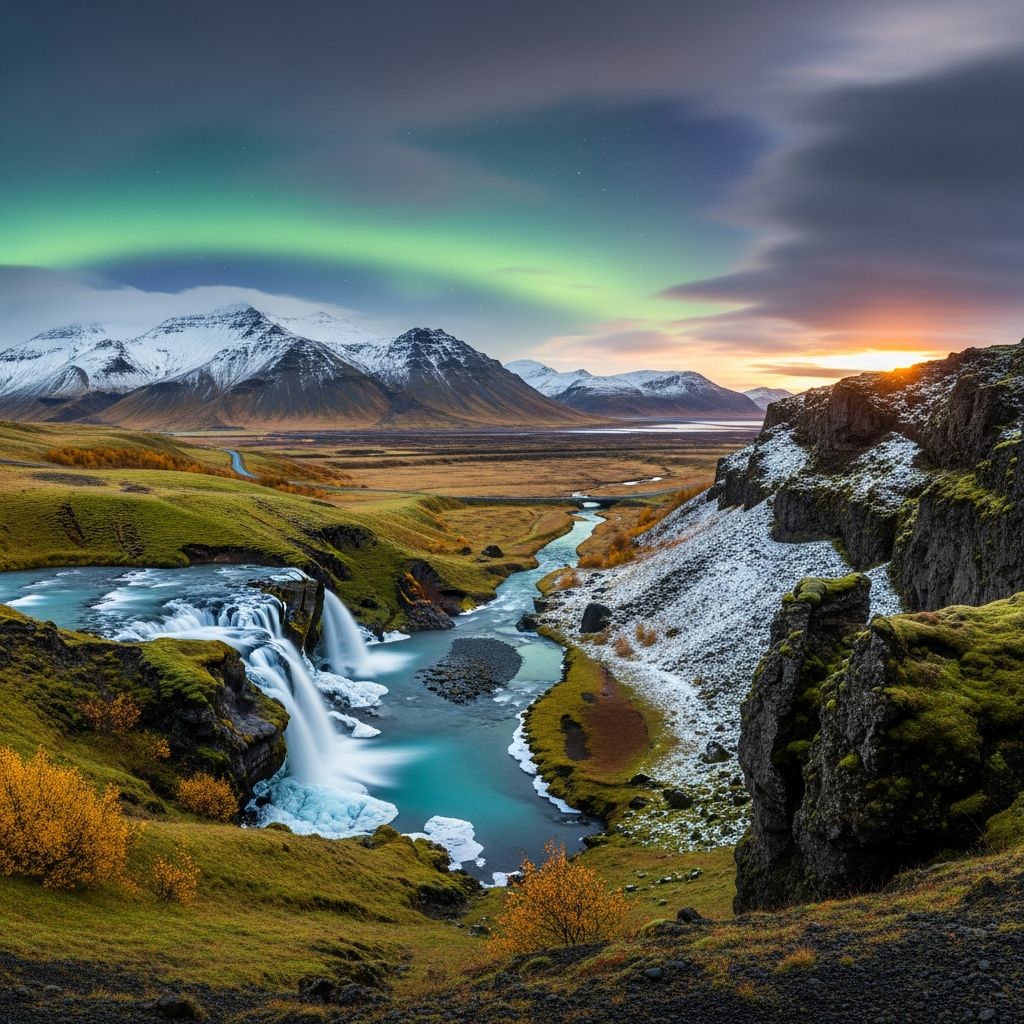
Iceland’s dramatic landscapes and unique natural phenomena make it a year-round destination, but the optimal visiting period hinges on your priorities like weather, daylight, and specific attractions. Summer months from June to August stand out for accessible roads, long days, and mild temperatures ideal for exploration, while winter offers northern lights viewing from September through March.
Understanding Iceland’s Seasonal Variations
Iceland’s position near the Arctic Circle creates extreme seasonal differences in daylight, temperature, and accessibility. Summer features nearly 24-hour daylight, enabling extensive outdoor pursuits, whereas winter brings short days but opportunities for auroral displays and frozen wonders. Shoulder seasons in spring and fall balance moderate crowds with transitional scenery.
Temperatures rarely exceed 20°C (68°F) even in peak summer, and coastal influences keep winters hovering around 0°C (32°F), though wind can intensify the chill. Road conditions vary dramatically; highland F-roads open only from late June to early September, limiting interior access otherwise.
Summer Exploration: June to August
The warmest period, June through August, transforms Iceland into a hiker’s paradise with stable paths, blooming landscapes, and the midnight sun providing up to 24 hours of light. Average highs reach 10-15°C (50-59°F), perfect for the Golden Circle, Ring Road drives, and puffin colonies.
- Extended daylight supports full-day adventures without darkness interrupting.
- Highland areas like Landmannalaugar become reachable via F-roads for rhyolite hikes and hot springs.
- Whale watching peaks from May to September with calm seas.
Drawbacks include peak crowds at sites like Jökulsárlón glacier lagoon and higher prices for accommodations. Book early for tours and rentals.
| Month | Avg High (°C) | Daylight Hours | Key Activities |
|---|---|---|---|
| June | 13 | ~21 | Midnight sun hikes, festivals |
| July | 14 | ~20 | Peak puffin season, road trips |
| August | 13 | ~17 | Highlands closing, fewer crowds |
Winter Wonders: November to March
Winter delivers Iceland’s mystical side with frequent northern lights displays, ice caves, and snowy vistas, though daylight shrinks to 4-7 hours and storms can close roads. Ideal for aurora hunters, as clear, dark skies from September to April maximize sightings, with February-March combining orca watching and lights.
Temperatures average -1 to 5°C (30-41°F), but blizzards demand 4×4 vehicles and flexible itineraries. Attractions like the Blue Lagoon remain open, and Reykjavik buzzes with holiday festivities around Christmas.
- Northern lights best from late September, peaking in clear winter nights.
- Ice cave tours in Vatnajökull glacier during December-February.
- Cozy geothermal pools contrast the cold.
Road closures limit rural access, so focus on the south coast and guided tours.
Shoulder Seasons: Spring and Fall
Spring Awakening: April to May
As snow recedes, April-May brings lengthening days (12-18 hours), budding flora, and thinning crowds. Temperatures climb to 5-10°C (41-50°F), suitable for Ring Road segments and birdwatching without summer lines.
Northern lights remain possible early in the season, transitioning to summer prep. Fewer tourists mean better deals, though some high passes stay snowy.
Autumn Colors: September to October
Fall offers crisp hikes amid golden foliage, aurora onset, and post-summer calm. Days shorten gradually (10-14 hours), with 5-10°C (41-50°F) weather ideal for uncrowded waterfalls and hot springs.
Prime northern lights window starts here, with stable conditions outperforming deep winter. Whale watching continues strong.
| Season | Pros | Cons | Crowd Level |
|---|---|---|---|
| Spring (Apr-May) | Blooming landscapes, deals | Residual snow, variable roads | Low |
| Fall (Sep-Oct) | Fall colors, auroras begin | Shortening days, early snow | Low-Medium |
Factors Influencing Your Choice
Crowds and Costs
Peak summer sees highest visitor numbers, inflating prices 20-50%; shoulder months cut costs significantly. Winter dips lowest except holidays.
Activity-Specific Timing
- Northern Lights: September-April, best September-December and February-March for weather.
- Hiking/Highlands: June-September.
- Puffins: May-August.
- Whales: May-September.
- Ice Caves: November-March.
Weather Preparedness
Iceland’s weather shifts rapidly; pack layers year-round. Check road.is for updates and vedur.is for forecasts.
Month-by-Month Breakdown
- January: Short days, strong auroras, holiday vibes.
- February: Ice caves peak, orcas + lights.
- March: Increasing light, reliable auroras.
- April: Transition, fewer crowds.
- May: Brightening, whale season starts.
- June: Midnight sun begins, highlands open.
- July: Busiest, best weather.
- August: Milder crowds, highlands closing.
- September: Colors, auroras return.
- October: Budget-friendly, foliage.
- November: Early winter, ice caves prep.
- December: Festive, solstice lights.
Practical Planning Tips
Rent 4×4 vehicles for winter; summer campers suit long days. Advance bookings essential for tours. Sustainable travel: stick to paths, support local.
Frequently Asked Questions
Is summer the only good time to visit Iceland?
No, each season suits different interests—summer for accessibility, winter for lights.
When are northern lights most visible?
September-March, with optimal conditions in fall and late winter.
Can I drive the Ring Road year-round?
Possible but risky in winter; best May-September.
What’s the cheapest time?
November-March excluding holidays.
Do I need a guided tour?
Recommended for ice caves and highlands; self-drive viable on main roads.
References
- Best time to visit Iceland – Responsible Travel — Responsible Travel. 2023. https://www.responsibletravel.com/holidays/iceland/travel-guide/best-time-to-visit-iceland
- Best Time to Visit Iceland & Things to Do (+ Hidden Spots) — Penguin Trampoline. 2024. https://www.penguintrampoline.com/blog/best-time-to-visit-iceland-and-top-things-to-do
- Best Time to Visit Iceland — Guide to Iceland. 2024. https://guidetoiceland.is/best-of-iceland/when-is-the-best-time-to-visit-iceland
- A Local’s Guide: What Is the Best Time to Visit Iceland? — 57hours. 2023. https://57hours.com/best-of/best-time-to-visit-iceland/
- Best Time to Visit Iceland by Month & Season — Wilderness Travel. 2024. https://www.wildernesstravel.com/europe/iceland/when-best-time-visit/
- When to Go to Iceland — Rick Steves. 2024. https://www.ricksteves.com/europe/iceland/best-time-to-go-to-iceland
Similar Articles







Read full bio of medha deb