
Budapest Culinary Guide: Dining Experiences Across the City
Discover authentic Hungarian cuisine and fine dining destinations throughout Budapest's vibrant food scene.
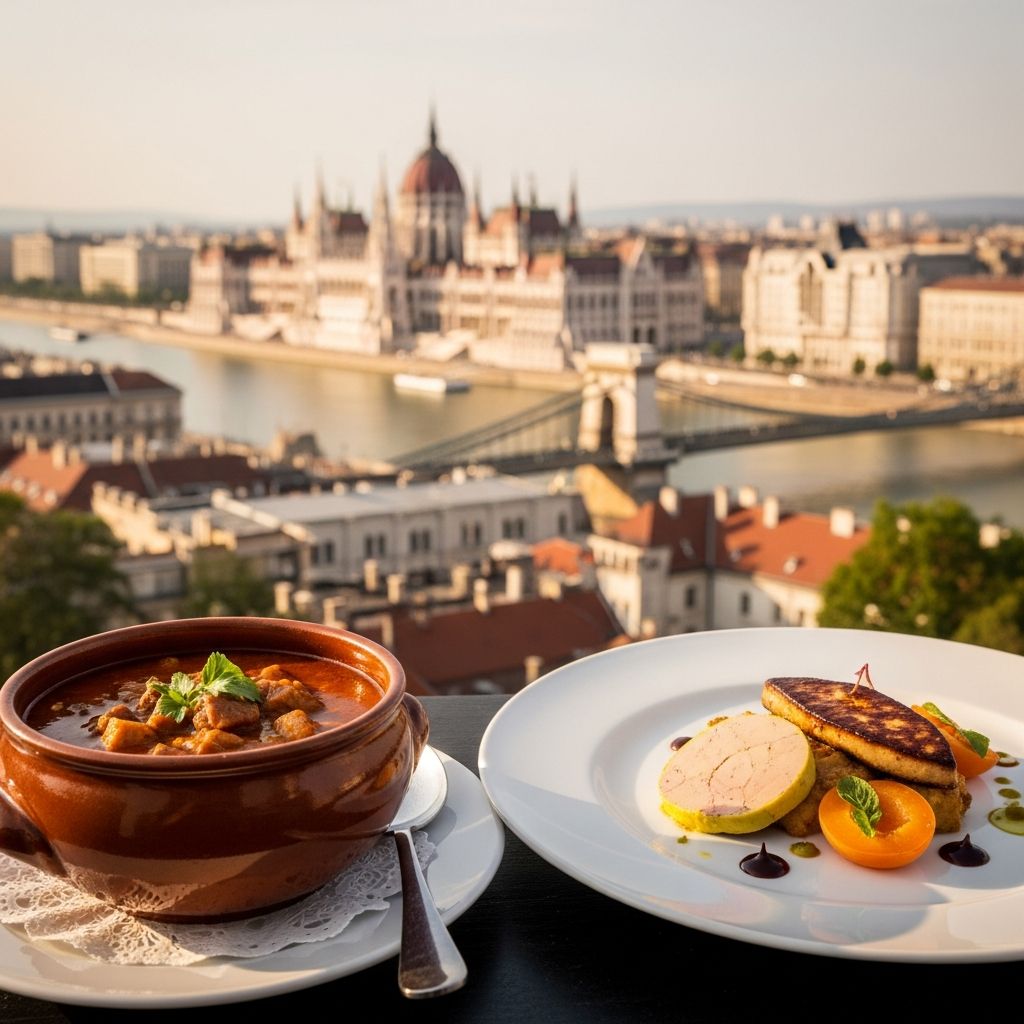
Budapest’s culinary landscape represents a fascinating blend of centuries-old Hungarian traditions and contemporary gastronomic innovation. The city’s position as a crossroads of Central European cultures has shaped its food identity, creating dining establishments that range from casual family-run eateries to prestigious fine dining venues. Whether you’re seeking an intimate meal overlooking the Danube or a hearty bowl of goulash in a historic neighborhood, Budapest offers compelling culinary experiences that reflect the city’s rich cultural heritage.
Understanding Budapest’s Dining Philosophy
The Hungarian dining culture emphasizes comfort, tradition, and bold flavors. Restaurants throughout the city celebrate time-honored recipes passed down through generations while embracing contemporary cooking techniques. The distinction between casual dining establishments and upscale venues remains pronounced, yet quality ingredients and thoughtful preparation characterize dining across all price points.
The concept of etkezda restaurants represents the heart of authentic Budapest dining. These mom-and-pop style establishments, typically operated by local families, serve hearty, flavorful dishes at remarkably affordable prices. The experience at these venues offers genuine insight into how locals eat daily, featuring generous portions and straightforward preparation methods that highlight ingredient quality.
Traditional Hungarian Culinary Treasures
Authentic Hungarian cuisine focuses on stews, roasted meats, and vegetable-forward dishes prepared with deliberate attention to layering flavors. Several establishments have become destinations specifically for their mastery of traditional cooking methods and recipes.
Specialty Stew Restaurants occupy a unique position in Budapest’s dining scene. These venues dedicate their menus to various stew preparations, each representing regional variations and family recipes. The slow-cooking process essential to these dishes creates deeply satisfying meals perfect for colder months or whenever comfort food appeals. Stew-focused establishments attract both locals seeking familiar flavors and visitors curious about authentic Hungarian cooking traditions.
Heritage Bistro Experiences present traditional Hungarian food in elegant yet approachable settings. These restaurants balance authenticity with presentation, offering refined versions of classic dishes without sacrificing their essential character. The dining rooms typically feature warm, welcoming atmospheres enhanced by classic design elements that evoke Budapest’s storied past.
Family recipes form the foundation of many beloved establishments. Menus at these venues often feature signature dishes developed over decades, with preparations remaining virtually unchanged across years or even decades. The consistency and reliability of these offerings have earned devoted followings among both repeat visitors and locals.
Modern Interpretations of Hungarian Flavors
Contemporary restaurants throughout Budapest demonstrate that traditional Hungarian ingredients and techniques adapt beautifully to modern culinary approaches. These establishments maintain respect for heritage while introducing creative plating, innovative flavor combinations, and refined cooking methods.
Street Food Elevated to Gourmet Status represents an exciting category within Budapest’s dining evolution. Establishments specializing in reimagined street food selections offer recognizable Hungarian flavors presented with sophisticated execution. Baguette sandwiches, traditional soups, stews, and salads appear on menus transformed through careful ingredient selection and refined preparation, creating casual yet refined dining experiences.
Fusion and Contemporary Interpretations showcase how Hungarian culinary foundations support creative expansion. Chefs incorporate international techniques and ingredients while maintaining connection to local flavor profiles and traditions. This approach appeals to diners seeking novelty alongside familiarity, creating memorable meals that expand understanding of Hungarian cuisine’s possibilities.
Specialty Dining Categories
Coffee Culture and Bakery Destinations
Budapest’s coffee and pastry culture reflects Central European traditions enhanced by contemporary specialty coffee movements. Dedicated cafés and bakeries throughout the city offer carefully sourced beans and expertly executed pastries, from traditional strudel variations to modern interpretations of classic baked goods. These venues function as gathering spaces for locals and travelers alike, often featuring beautiful historic settings that enhance the experience.
Wine-Focused Dining Establishments
Hungarian wines deserve significant attention within the country’s culinary context. Restaurants emphasizing wine pairings demonstrate the quality and complexity of domestic wines, offering education alongside carefully curated menus. One-Michelin-starred establishments with wine-focused approaches have maintained their distinction for over a decade, testifying to their consistent excellence and expert wine direction.
Riverside and Scenic Dining
The Danube River provides a stunning backdrop for memorable meals. Specialty dining experiences incorporating river views or boat-based settings add romantic dimensions to cuisine experiences. These venues prove particularly appealing for special occasions or celebrations, combining quality food with atmospheric enhancement.
Distinguished Fine Dining Venues
Budapest’s fine dining sector includes internationally recognized establishments that merit destination status. These restaurants employ expert technique, source premium ingredients, and create cohesive culinary narratives through carefully composed tasting menus and thoughtful à la carte selections.
Michelin Recognition in Budapest acknowledges restaurants demonstrating exceptional quality across multiple dimensions including ingredient sourcing, technique, creativity, and service standards. These establishments operate according to exacting standards, with skilled culinary teams and experienced staff committed to delivering flawless experiences.
Internationally Influenced Fine Dining brings recognized culinary traditions to Budapest settings. Restaurants led by celebrated chefs or incorporating signature approaches from prestigious international establishments offer diners exposure to world-class cuisine while highlighting interaction with local ingredients and traditions.
Strategic Location Guide for Dining
| Budapest District | Dining Characteristics | Best For |
|---|---|---|
| Buda Side (District I) | Historic neighborhoods, castle proximity, intimate settings | Elegant dinners, romantic occasions, casual exploration |
| Pest Side (Districts VI-VII) | Trendy areas, diverse culinary scene, nightlife integration | Contemporary dining, social dining, street food alternatives |
| Jewish Quarter (District VII) | Eclectic mix, historic significance, diverse cuisines | Authentic Jewish-Hungarian fusion, adventurous exploration |
| Central Areas | Tourist accessibility, variety, convenience | Casual meals, quick dining, multiple options |
Planning Meals in Budapest: Practical Considerations
Meal Timing and Service Hours
Budapest restaurants typically follow Central European dining schedules. Lunch service generally operates from midday through early afternoon, with dinner service beginning in early evening and extending late into the night. Many establishments close between lunch and dinner services, while others maintain continuous service throughout the day. Understanding these schedules prevents disappointment and helps optimize dining plans.
Reservation Recommendations
Fine dining establishments and popular casual restaurants benefit from advance reservations, particularly during peak tourist seasons and weekends. Even casual bistros with devoted local followings may experience capacity challenges during predictable busy periods. Email, telephone, or online reservation systems vary by establishment; research beforehand ensures smooth dining experiences.
Pricing Structure and Value Assessment
Budapest offers exceptional value for international travelers, with quality meals available across diverse price points. Traditional establishments and family-run venues typically charge significantly less than fine dining venues while delivering authentic experiences and quality ingredients. Fine dining restaurants price competitively with Western European counterparts while maintaining superior value propositions. Understanding pricing structures helps align dining choices with budgetary constraints and occasion requirements.
Seasonal Dining Considerations
Budapest’s distinct seasons influence both ingredient availability and appropriate dining choices. Colder months accentuate appeal of hearty stews, slow-braised meats, and warming beverages served in cozy indoor settings. Warmer months encourage outdoor dining with lighter preparations and refreshing beverages. Several restaurants specifically emphasize seasonal appropriateness in their menu planning, celebrating ingredient availability while optimizing seasonal dining pleasures.
Special Occasions and Celebratory Dining
Anniversaries, milestone celebrations, and special events often warrant elevated dining experiences. Budapest offers abundant options suitable for memorable occasions, from intimate fine dining venues emphasizing impeccable service to romantic boat-based experiences combining cuisine with scenic environments. Communicating special occasion status when making reservations allows restaurants to enhance experiences through thoughtful touches and personalized attention.
Navigating Menus and Dietary Preferences
Hungarian cuisine traditionally emphasizes meat, particularly pork and beef, yet vegetable-forward preparations and fish dishes appear throughout menus. Establishments committed to contemporary dining practices increasingly accommodate dietary restrictions and preferences, though communication remains advisable. Learning basic Hungarian food terminology enhances menu navigation and enriches dining experiences through deeper ingredient and preparation understanding.
Frequently Asked Questions About Budapest Dining
What constitutes authentic Hungarian cuisine?
Authentic Hungarian cooking emphasizes paprika, slow cooking methods, hearty portions, and traditional preparations passed through generations. Signature dishes include various goulash preparations, stews, slow-roasted meats, and dumplings. Authentic restaurants source quality ingredients and employ traditional techniques without compromising on essential flavors or character.
How do I find genuinely local restaurants versus tourist-oriented establishments?
Local favorites typically feature Hungarian-language menus or minimal English translation, attract neighborhood residents, charge reasonable prices relative to portion sizes, and maintain consistent quality. Locations off primary tourist routes and recommendations from local sources indicate genuine neighborhood establishments. Packed dining rooms during typical meal times suggest locally-favored venues.
Are reservations necessary for casual dining?
Casual bistros and family-run establishments typically accommodate walk-ins, particularly outside peak hours. However, popular venues with limited seating benefit from advance reservations. Fine dining establishments universally require reservations, typically essential weeks in advance during peak seasons.
What wine pairings complement Hungarian dishes?
Hungarian wines, particularly white varieties from regions like Tokaj, pair excellently with traditional cuisine. Red wines balance rich stews and roasted meats effectively. Restaurants with wine expertise provide educated recommendations matching cuisine selections with appropriate pairings.
How should I budget for dining in Budapest?
Budget-conscious travelers enjoy authentic meals at casual establishments and etkezda restaurants for minimal cost. Mid-range dining at quality bistros costs significantly less than similar experiences in Western European cities. Fine dining represents premium pricing yet remains accessible compared to equivalent establishments internationally.
Maximizing Your Budapest Culinary Experience
Diverse dining experiences throughout Budapest collectively represent the city’s culinary identity and cultural heritage. Combining casual local establishments with refined fine dining venues, pairing traditional preparations with contemporary interpretations, and exploring neighborhoods beyond primary tourist areas creates comprehensive understanding of Budapest’s food landscape. Engaging with local dining culture—whether through casual conversation with restaurant staff, exploration of neighborhood eateries, or participation in food-focused experiences—enriches visits and generates memorable meals alongside meaningful cultural connection.
References
- Best Restaurants in Budapest — Maddy’s Avenue. Accessed April 25, 2026. https://maddysavenue.com/best-restaurants-in-budapest/
- Where and What to Eat and Drink in Budapest — Mr and Mrs Romance. Accessed April 25, 2026. https://mrandmrsromance.com/eat-budapest/
- Budapest Dining Guide For Foodies — The JetSetting Fashionista. Accessed April 25, 2026. https://www.jsfashionista.com/budapest-dining-guide/
- 18 Budapest Restaurants You’ll Want to Fly For — Will Fly for Food. Accessed April 25, 2026. https://www.willflyforfood.net/budapest-food-guide/
- Budapest MICHELIN Restaurants — MICHELIN Guide. Accessed April 25, 2026. https://guide.michelin.com/us/en/central-hungary/budapest/restaurants
Similar Articles








Read full bio of Sneha Tete