Coastal California: A Journey Through Scenic Wonders and Artisanal Desserts
Discover hidden gems and gourmet treats along 500 miles of Pacific coastline
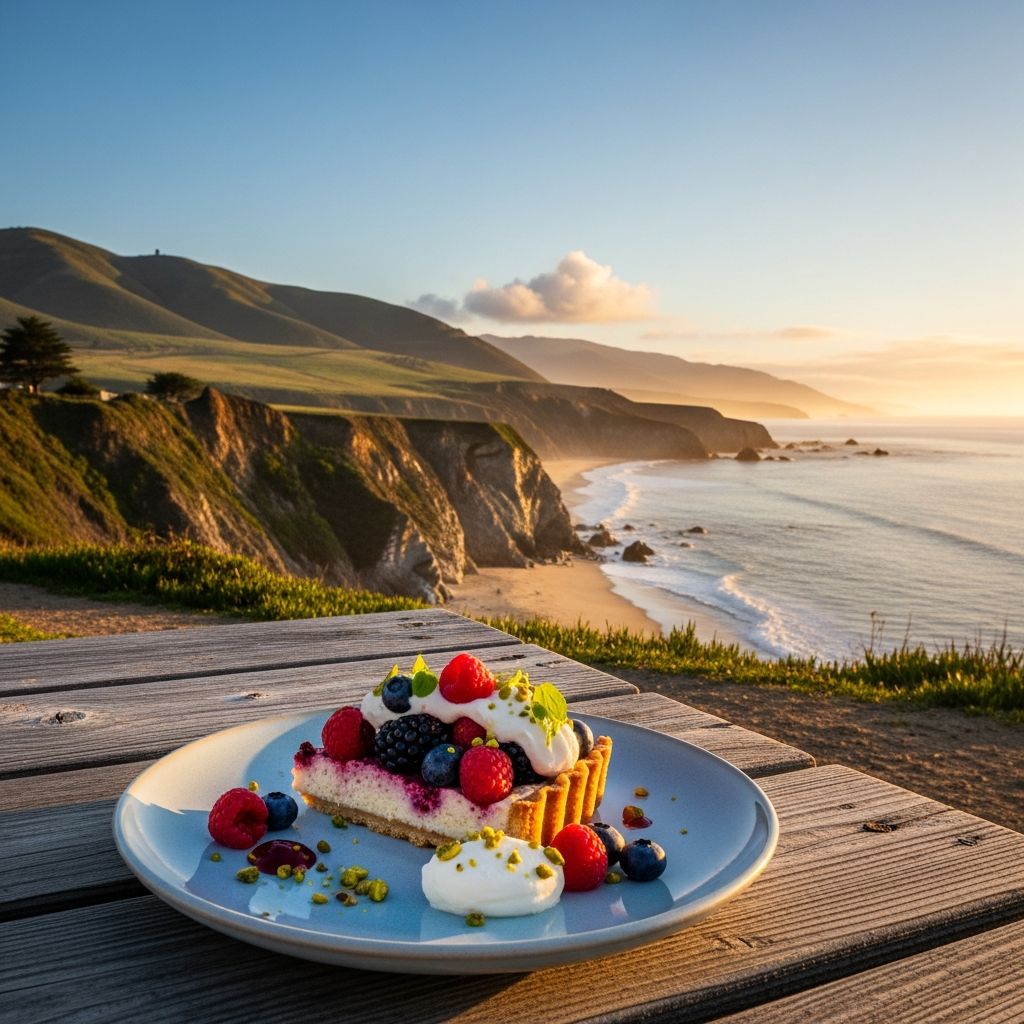
The California coastline stretches across five hundred miles of unparalleled natural beauty, connecting San Francisco’s iconic landmarks to San Diego’s sun-soaked beaches. What makes this journey particularly memorable isn’t just the dramatic cliffs, hidden coves, and Pacific vistas—it’s the opportunity to punctuate each scenic discovery with exceptional artisanal confections. This guide explores the harmonious relationship between California’s most compelling destinations and the region’s thriving dessert culture, offering travelers a roadmap to experience both visual splendor and culinary delight.
Understanding the California Coastal Experience
Travelers embarking on California’s Pacific Coast Highway encounter a diverse landscape that shifts continuously. Towering redwoods give way to agricultural valleys, dramatic rock formations alternate with sandy beaches, and charming small towns punctuate the route between major metropolitan centers. The Pacific Coast Highway connects these varied environments, making it ideal for road trips that combine outdoor exploration with gastronomic experiences.
The coastal region has become increasingly recognized for its culinary innovation, with artisanal food producers establishing themselves throughout the journey. Among these, independent ice cream makers and dessert shops have cultivated dedicated followings by emphasizing locally-sourced ingredients, creative flavor combinations, and production methods that prioritize quality over mass production.
Northern Gateway: San Francisco’s Cultural and Culinary Starting Point
Iconic Attractions and Urban Exploration
San Francisco serves as the natural starting point for any comprehensive coastal journey. The city’s most recognizable landmarks include the Golden Gate Bridge, which frames the northern waterfront with its distinctive International Orange towers, and Alcatraz, the historic federal penitentiary turned museum that requires advance ticketing. Beyond these famous sites, visitors can experience the city’s character through cable car rides that navigate steep hills, connecting neighborhoods while offering authentic glimpses of daily urban life.
Union Square stands as the commercial heart of San Francisco, featuring upscale shopping, galleries, and dining establishments. The nearby Mission District has evolved into a vibrant cultural hub known for street art, independent businesses, and community-oriented venues. For those interested in understanding frozen dessert culture specifically, the Museum of Ice Cream offers interactive exhibits exploring the history and science of ice cream production.
Artisanal Frozen Confections in San Francisco
Bi-Rite Creamery represents the modern artisanal ice cream movement, crafting distinctive flavors including salted caramel and Ritual Coffee Toffee using premium ingredients. The Mission District location near Mission Dolores Park provides ideal circumstances for enjoying ice cream while observing city vistas and park activity. The establishment distinguishes itself by offering vegan alternatives, acknowledging diverse dietary preferences and restrictions.
Penny Ice Creamery takes the farm-to-cone philosophy seriously, producing all flavors in-house using organic ingredients sourced from local agricultural producers. This approach generates unusual flavor combinations such as Blackberry Sweet Corn, Brown Sugar Oat Walnut, and Peaches & Cream—offerings that reflect seasonal availability and agricultural relationships rather than standardized menus.
Central Coast Transitions: Where Mountains Meet Ocean
Monterey’s Maritime Heritage and Industrial Nostalgia
Traveling south from San Francisco, the journey reaches Monterey, positioned across the bay from several other notable destinations. Cannery Row represents one of California’s most successful heritage tourism sites, transforming what was once a thriving sardine processing district into a pedestrian-friendly waterfront destination. The area combines historical architecture with contemporary retail shops and restaurants, appealing to visitors interested in both industrial heritage and modern recreation.
Beyond Cannery Row, the Monterey Bay Aquarium ranks among the world’s most comprehensive marine research and exhibition facilities, showcasing kelp forest ecosystems, sea otter habitats, and extensive jellyfish displays. The waterfront area provides multiple opportunities for walking, photography, and observation of wildlife including sea otters and various seabird species.
Dessert Innovation Near Coastal Landmarks
Coast Big Sur exemplifies how dessert establishments integrate themselves into landmark locations. Positioned near McWay Falls—a dramatic waterfall cascading onto a secluded beach—this venue serves soft serve ice cream alongside specialty items like chocolate landslide sundaes and affogatos, where espresso is poured directly onto ice cream scoops. The location choice transforms dessert consumption into an experience linked directly to environmental spectacle.
Character Towns and Culinary Traditions
Cambria: Victorian Charm and Geological Wonders
Cambria has established itself as a tourism-oriented community featuring numerous bed-and-breakfast accommodations housed in historic buildings. The town’s primary beach attraction, Moonstone Beach, derives its name from the pearlescent stones that frequently wash ashore, creating a distinctive geological feature. Hearst Castle, one of California’s most visited historical monuments, sits only a few miles inland from Cambria, making the town a natural base for exploring this architectural masterpiece.
The local food culture reflects both historical traditions and contemporary sophistication. Linn’s Restaurant and Bakery has achieved regional fame for its Olallieberry pie, a dessert incorporating a berry variety native to the Pacific Northwest. The establishment functions as both restaurant and bakery, integrating sit-down dining with retail baked goods. Nearby, Mojo’s Village Bean offers Doc Burnstein’s Ice Cream Lab products, representing the collaboration between established ice cream manufacturers and local retail partners who curate product selections for their specific communities.
Cayucos: Historic Frontier Aesthetics and Contemporary Hospitality
Cayucos maintains the appearance of a historic Old West frontier settlement, with storefronts along its main commercial drag housing antique shops, restaurants, and specialty retailers. The architectural consistency and deliberate pacing of the town create an atmosphere distinct from both larger coastal cities and purely residential communities. This character makes Cayucos appealing to travelers seeking authentic small-town experiences rather than commercial development.
Brown Butter Cookie Company occupies a distinctive red building at the corner of D Street, offering handcrafted cookies that represent an alternative to the ice cream-dominated dessert landscape. The establishment demonstrates how diverse sweet treats can coexist within the coastal food culture, with some visitors preferring artisanal cookies to frozen confections.
Southern California’s Beach Culture and Entertainment Districts
Santa Monica: Amusement and Commerce Converging
Santa Monica has evolved into one of California’s most developed beach communities, offering multiple entertainment options beyond ocean recreation. The Santa Monica Pier features Pacific Park, an amusement facility with roller coasters and carnival rides positioned directly over ocean water. The Third Street Promenade nearby provides outdoor shopping with entertainment venues, street performers, and dining establishments. Beyond these commercial attractions, miles of beach accommodate swimming, surfing, volleyball, and sunbathing.
Scoops Ice Cream and Treats, positioned within Pacific Park on the pier itself, serves Lappert’s ice cream—a brand with historical significance in California’s frozen dessert development. The pier location transforms ice cream consumption into part of the broader amusement experience, where visitors consume dessert while observing carnival activity and ocean views.
Encinitas: Surf Culture and Recreational Authenticity
Encinitas maintains character as a genuine surf community rather than primarily serving tourists. San Elijo State Beach attracts serious surfers who remain in the water until sunset, prioritizing wave conditions over commercial entertainment. The town balances its role as a destination with its identity as a working community, maintaining local character despite coastal property values and development pressures.
Handel’s Homemade Ice Cream provides substantial flavor variety, with more than fifty options available at any time. This expansive selection appeals to visitors seeking customization and choice, with most consumers finding multiple appealing options from the extensive menu rather than making compromises among limited selections.
Terminal Destination: San Diego’s Urban and Natural Attractions
Diverse Activities and Historic Accommodations
San Diego represents the southern terminus of the Pacific Coast Highway journey, offering attractions ranging from specialized recreational facilities to world-renowned cultural institutions. Torrey Pines Golf Course provides championship-level golfing with Pacific Ocean views. The Gliderport enables hang gliding and paragliding activities, with participants launching from coastal cliffs to access air currents. The San Diego Zoo functions as a major educational and recreational facility, housing extensive animal collections and conservation programs.
The Gaslamp Quarter provides downtown San Diego with historic character, vintage architecture, and a concentrated collection of restaurants, galleries, and shops. The Hotel del Coronado, positioned across the bay on Coronado Island, has maintained its status as an iconic historic resort since the late nineteenth century, offering luxury accommodations with distinctive character.
Artisanal Frozen Desserts as Journey Conclusion
MooTime Creamery functions as a soda fountain establishment, deliberately evoking nostalgia through design, service style, and menu offerings. All ice cream is produced from scratch, with flavor selections rotating daily to ensure maximum freshness and seasonal responsiveness. This approach contrasts with standardized menus at national chains, instead emphasizing craftsmanship and innovation within a traditional establishment format.
Planning Your Coastal Journey: Practical Considerations
Optimal Travel Timing and Route Selection
The Pacific Coast Highway extends over five hundred miles, requiring multiple days to experience comprehensively. Most travelers allocate five to seven days for the journey, allowing time for activities beyond simple driving. Summer months offer optimal weather conditions, though coastal fog can affect visibility during morning hours even during peak season. Spring and fall provide pleasant temperatures with fewer crowds than summer, making these seasons attractive for travelers seeking to avoid peak tourism periods.
Route planning should consider whether travelers prioritize scenic drives, activity-based stops, or food experiences. Some visitors concentrate on major attractions while bypassing smaller communities, whereas others spend extended time in individual towns. The flexibility inherent in coastal road trips allows customization based on personal interests and time availability.
Integration of Food Experiences into Travel Rhythm
Dessert stops function most effectively when integrated strategically into the travel itinerary rather than pursued as primary destinations. Planning ice cream or bakery visits to coincide with natural travel breaks between major attractions consolidates time while maintaining focus on core experiences. Many establishments listed throughout this guide operate year-round, though some seasonal variations occur, particularly in smaller communities.
Frequently Asked Questions About Coastal California Travel
What is the best time of year to drive the California coast?
Late spring through early fall offers optimal conditions, with summer providing the most predictable weather but also the highest crowds. Spring and fall deliver excellent visibility with fewer tourists.
How many days should I allocate for a complete coastal journey?
Five to seven days allows sufficient time to experience major attractions without excessive driving fatigue. Shorter timelines require prioritization of specific regions or destinations.
Are reservations necessary for popular ice cream establishments?
Most artisanal ice cream shops operate on walk-in basis without reservations. However, popular locations may have wait times during peak hours, particularly in summer.
Which coastal towns offer the most comprehensive lodging options?
San Francisco, San Diego, Santa Monica, and Monterey provide extensive hotel, resort, and vacation rental options. Smaller communities like Cambria offer bed-and-breakfast accommodations but fewer choices overall.
Can the entire coastal journey be completed in a single day?
While technically possible, this approach eliminates meaningful engagement with attractions, scenic stops, and food experiences that define the coastal journey. Multi-day travel enables authentic experience.
Summary: Creating Memorable Coastal Experiences
The California coast offers travelers the rare opportunity to combine dramatic natural scenery with world-class culinary experiences, specifically the innovative frozen dessert culture that has flourished throughout the region. From San Francisco’s urban sophistication through Central Coast character towns to San Diego’s recreational diversity, the five-hundred-mile journey accommodates varied interests and travel styles.
Successful coastal journeys integrate attractions, dining, and dessert experiences into cohesive itineraries that reflect personal priorities. Whether emphasizing environmental beauty, cultural experiences, or gastronomic exploration, the Pacific Coast Highway provides the infrastructure and attractions necessary for memorable travel. The artisanal ice cream shops and dessert establishments featured throughout this route represent more than simple refreshment opportunities—they embody the regional commitment to quality, creativity, and local sourcing that characterizes contemporary California food culture.
References
- Sights and sweets along the California coast — Lonely Planet. Accessed 2026-04-23. https://www.lonelyplanet.com/articles/california-coast-sights-sweets
- The Ultimate California Coast Road Trip Itinerary — A Passion and a Passport. Accessed 2026-04-23. https://apassionandapassport.com/california-coast-road-trip-itinerary/
- 10 Ideas for Eating and Drinking Your Way Down the California Coast — Will Drink for Travel. Accessed 2026-04-23. https://www.willdrinkfortravel.com/posts/10-ideas-for-eating-and-drinking-your-way-down-the-california-coast
- The Perfect 5-Day Central California Coast Road Trip For First-Timers — We’re in the Rockies. Accessed 2026-04-23. https://wereintherockies.com/central-california-coast/
- The Ultimate California Central Coast Foodie Road Trip — Sweet Designs. Accessed 2026-04-23. https://sweetcsdesigns.com/the-ultimate-california-central-coast-foodie-road-trip/
Similar Articles







Read full bio of medha deb