
First-Time Visitor’s Handbook to Canyonlands National Park
Master Utah's rugged desert landscape with essential tips for exploring Canyonlands
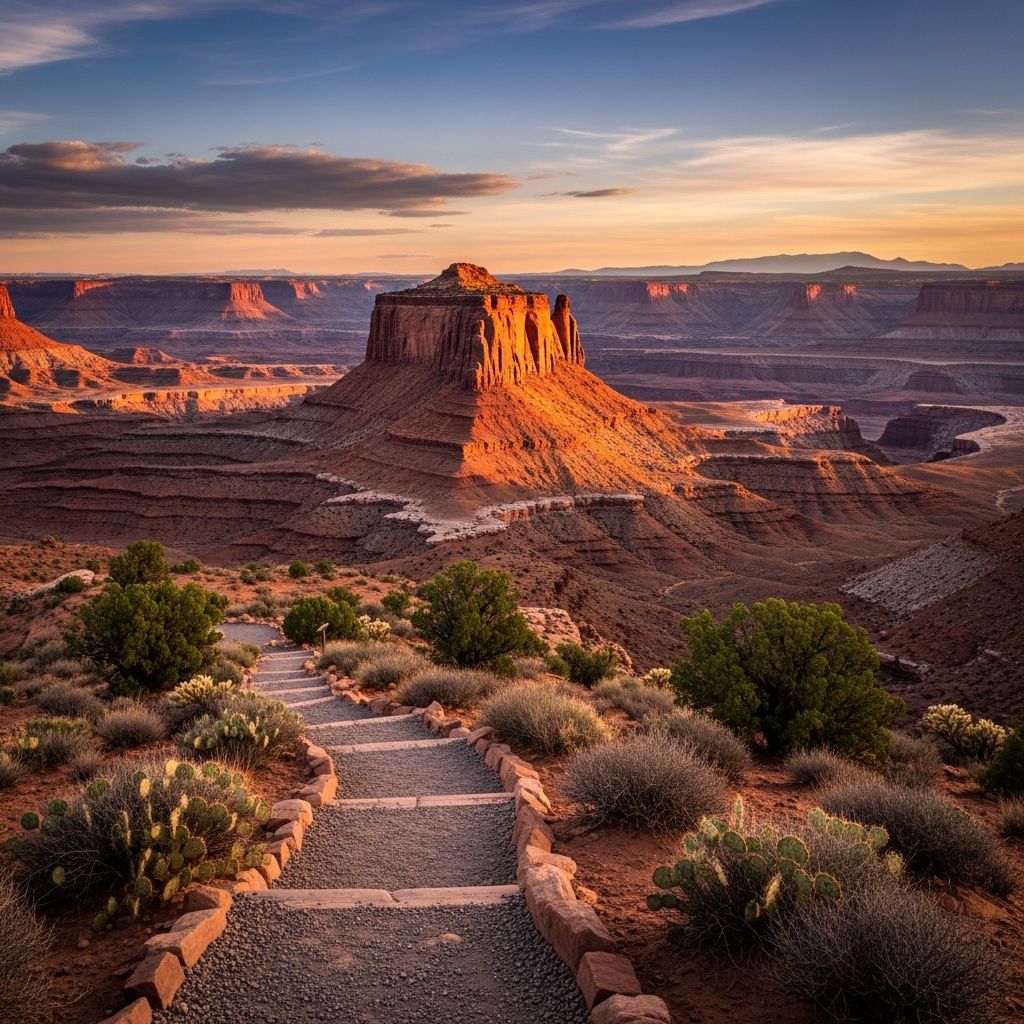
Canyonlands National Park showcases some of the most dramatic landscapes in the American Southwest, presenting visitors with a remarkable blend of geological wonders, cultural heritage, and outdoor adventure opportunities. Spanning 337,598 acres across southeast Utah’s high desert, this expansive park contains towering spires, intricate slot canyons, ancient rock art, and sweeping vistas that define the region’s rugged character. For those planning their inaugural visit, understanding the park’s layout, distinct regions, and available activities proves essential to crafting a memorable experience.
Understanding the Park’s Geographic Organization
The foundation of planning any Canyonlands visit begins with comprehending how the park divides into separate areas. Two major river systems—the Colorado and Green Rivers—intersect within the park boundaries, forming a Y-shaped configuration that effectively partitions the landscape into four distinct districts. These waterways have carved through layers of colorful sandstone and rock formations over millions of years, creating the dramatic canyon systems that define the park.
The three primary land-based districts each possess unique characteristics and visitor experiences. Critically, no internal roads or bridges connect these districts to one another. Traveling between them requires lengthy drives around the park’s periphery, with journey times ranging from two to six hours depending on the specific route. This geographic isolation means most first-time visitors focus on exploring a single district rather than attempting to see multiple areas in one trip.
Island in the Sky: The Primary Gateway District
Island in the Sky stands as the most visited and accessible region within Canyonlands, drawing the majority of first-time visitors due to its proximity to the town of Moab and proximity to Arches National Park. Located at the northern end of the park, this district sits atop a high mesa platform, offering expansive panoramic views across the surrounding landscape. The drive from Moab to the Island in the Sky visitor center requires approximately 40 minutes and covers roughly 32 miles via Highway 191 north and Highway 313 southwest.
The Island in the Sky scenic road itself traverses relatively flat plateau terrain, but the numerous pullouts and overlooks provide breathtaking perspectives of the canyons below. Rather than an engaging drive experience, this district’s appeal centers on the viewpoints and interconnected trail system that showcase the park’s geological grandeur from various vantage points.
Premier Attractions and Hiking Opportunities
Mesa Arch has become the signature attraction of Island in the Sky, gaining fame for its distinctive silhouette framed against the expansive canyon landscape. Many visitors time their arrival for sunrise to capture the natural arch when lighting conditions create the most dramatic photographic opportunities. The hike to Mesa Arch remains relatively brief, requiring less than an hour for most visitors.
Additional notable locations within this district include:
- Grand View Point Overlook Trail—provides commanding perspectives of the park’s layered geology
- White Rim Overlook Trail—showcases the intricate White Rim Road and surrounding canyon systems
- Murphy Point Trail—offers options for both short walks and extended day-hikes into deeper terrain
- Upheaval Dome—a distinctive circular crater feature believed to have formed from ancient meteor impact, featuring dedicated viewing trails
- Aztec Butte and Whale Rock—shorter walks providing unique viewpoints without extensive commitment
The Murphy Point Trail deserves particular attention for visitors seeking more substantial hiking experiences, as extended loop options descend into canyon systems while remaining within the Island in the Sky district boundaries.
The Needles District: Red-Rock Formations and Cultural Heritage
The Needles district presents a dramatically different landscape compared to Island in the Sky, featuring distinctive orange and white striped sandstone pinnacles that rise dramatically from the desert floor. These towering spires create an otherworldly environment that justifies the district’s evocative name. The Needles Scenic Drive comprises a 20-mile route winding through valley terrain, presenting views of Six Shooter rock formations and distant Island in the Sky cliffs.
This region uniquely combines geological marvels with substantial evidence of human history. The Cave Spring Trail exemplifies this integration, presenting visitors with a short, easily-navigated route that leads to a historic cowboy camp featuring a spring-fed water source, rock corral, and food storage cave. Along the way, hikers encounter Native American rock art before ascending short ladders to panoramic viewpoints across the Needles landscape.
For more ambitious explorers, the Chesler Park Loop offers an 11-mile hiking circuit that traverses grasslands, navigates between towering red-and-white-striped pinnacles, and passes through narrow slot canyons some only two feet across. This route provides comprehensive exposure to the district’s diverse terrain and geological features.
The Maze District: Remote Wilderness Exploration
The Maze represents Canyonlands’ most remote and rugged region, accessible exclusively via high-clearance four-wheel-drive vehicles. This district’s defining characteristics include an intricate network of narrow canyons, towering cliffs, and hidden natural arch formations. Exploration here demands substantial preparation, specialized equipment, and often backcountry hiking or mountain biking skills.
The Great Gallery ranks among the park’s most significant cultural and artistic destinations, accessible via a seven-mile round-trip hike descending 780 feet from an historic dirt road originally constructed by Phillips Petroleum Company in 1929. Visitors should anticipate six hours for this expedition, requiring considerable physical stamina and preparation.
The National Park Service actively discourages casual visitors from attempting The Maze without substantial four-wheel-drive experience and backcountry proficiency. Ranger-led guided hikes occur most weekends during April, May, September, and October, providing structured opportunities for those interested in exploring this remote landscape with professional expertise.
River-Based Exploration and Alternative Activities
The Colorado and Green Rivers that divide the park present additional exploration opportunities beyond land-based districts. North of the Confluence point where these rivers merge, visitors can pursue canoeing or kayaking experiences. Below the Confluence, increasingly challenging white water rapids characterize Cataract Canyon, suitable for rafting expeditions.
The White Rim Road offers one of the park’s most distinctive experiences—a 100-mile four-wheel-drive route requiring advance planning, specialized vehicle equipment, and permit acquisition. This challenging journey attracts experienced off-road enthusiasts seeking immersive wilderness engagement.
Horseshoe Canyon: A Compact Yet Significant Section
Horseshoe Canyon comprises a small, distinct park area featuring remarkable rock art and petroglyphs that document ancient human presence within the region. Though modest in size, this location holds considerable archaeological and cultural significance for understanding the area’s human history.
Practical Planning and Logistics
Park Access and Hours
Canyonlands National Park typically operates year-round on a 24-hour basis, providing flexibility for visitors planning late evening or early morning activities. However, visitor center operations vary seasonally, with reduced hours during winter months. Access requires vehicle transportation, with private automobile being the primary option for most visitors. Public transportation serving the park remains limited.
Permits and Advanced Arrangements
Many backcountry activities require advance permits, including extended backpacking trips, four-wheel-drive expeditions on specific routes, and horseback adventures. Some high-demand permits necessitate securing reservations well in advance of planned visits. The National Park Service website provides current permit information and application procedures.
Timing Considerations
Spring and autumn months provide optimal visiting conditions, offering mild temperatures and reduced crowds compared to summer peaks. Spring months typically feature fewer visitors while maintaining comfortable hiking conditions. Late autumn similarly avoids intense summer heat that can exceed 100 degrees Fahrenheit. Winter visits remain possible but require cold-weather preparation, particularly for higher-elevation areas.
Essential Equipment and Preparation
The high desert environment demands comprehensive preparation. Visitors must carry substantial water quantities—far more than typical day hiking situations. The park lacks services and facilities within its boundaries, necessitating all necessary supplies be brought from Moab. Sunscreen, wide-brimmed hats, sturdy hiking boots, and layers for temperature fluctuations prove essential. Mobile phone coverage remains unreliable throughout most park areas.
Time Allocation
Most first-time visitors benefit from devoting at least two complete days to explore a single district thoroughly. Island in the Sky can be experienced in a full day for visitors maintaining a moderate pace, though two days provides more relaxed exploration. The Needles district similarly accommodates one to two-day visits depending on hiking preferences. Attempting to visit multiple districts in a single trip typically creates logistical challenges and reduces enjoyment.
Complementary Nearby Attractions
Dead Horse Point State Park, situated on the same road as Island in the Sky, offers worthy supplemental viewing opportunities. The Dead Horse Point Overlook provides distinctive perspectives on the landscape, while the West Rim trail connects several overlooks including Shafer Canyon and Rim viewpoints. Many visitors incorporate Dead Horse Point into their Island in the Sky itinerary, as the proximity makes this combination logical and efficient.
Cost Considerations and Money-Saving Strategies
Canyonlands National Park charges entrance fees for private vehicles. The America the Beautiful Pass provides cost-efficient access to this and other national parks across multiple visits, often proving more economical than paying individual park entry fees if planning to visit multiple protected areas.
Technology Resources for Enhanced Experiences
The Action Tour Guide application offers audio-guided interpretation keyed to GPS locations, providing contextual information about geological features, rock formations, and cultural history while hiking. This resource enhances understanding of the landscape’s complex geology and human heritage without requiring dedicated guidebook consultation.
Visitor Information and Support
Visitor centers operate across all three primary districts, though hours fluctuate seasonally. These centers provide maps, permit information, weather updates, and guidance from park staff. Consulting with rangers provides personalized recommendations tailored to individual fitness levels, interests, and time availability.
Wildlife and Natural Considerations
The high desert environment supports specialized wildlife adapted to extreme conditions. Desert bighorn sheep, mule deer, and various reptile species inhabit the park. Visitors should maintain appropriate distances from wildlife and pack out all trash to preserve the environment for future visitors and resident fauna.
Photography Opportunities and Unique Perspectives
The park’s distinctive geology creates exceptional photography subjects. Mesa Arch at sunrise provides iconic photographic compositions, while varied overlooks offer landscape opportunities capturing the layered geology and color variations of the canyon walls. Different seasons present varied lighting conditions that photographers should consider when planning visits.
Frequently Asked Questions
- How long should I spend at Canyonlands?
- Most first-time visitors benefit from dedicating two full days to explore a single district. Island in the Sky accommodates one-day visits, though two days allows more relaxed exploration.
- Which district should first-time visitors choose?
- Island in the Sky offers the most accessible entry point, located closest to Moab with established visitor infrastructure and varied hiking options suitable for different fitness levels.
- Can I visit multiple districts in one trip?
- Travel times between districts range from two to six hours. Most visitors find concentrating on a single district more practical and enjoyable than attempting multiple areas.
- What’s the best time to visit?
- Spring and autumn months provide optimal conditions with mild temperatures and fewer crowds. Summer heat can exceed 100 degrees, while winter brings cold temperatures and occasional snow.
- Are permits required for hiking?
- Day hikes typically don’t require permits. Backcountry camping, extended backpacking, and some four-wheel-drive routes do require advance permits.
- What should I bring to the park?
- Carry abundant water, sunscreen, wide-brimmed hat, sturdy hiking boots, and layered clothing. All supplies must be brought from Moab as the park lacks internal services.
Canyonlands National Park presents diverse exploration opportunities accommodating various interests, fitness levels, and time commitments. By understanding the park’s district organization, accessing relevant planning resources, and matching personal capabilities to appropriate activities, first-time visitors can craft fulfilling experiences capturing the essence of Utah’s high desert landscape.
References
- An Easy Guide to Visiting Canyonlands National Park — We’re in the Rockies. https://wereintherockies.com/guide-to-visiting-canyonlands/
- How to Visit Canyonlands National Park — Visit Utah. https://www.visitutah.com/places-to-go/parks-outdoors/canyonlands/travel-tips
- Plan Your Visit – Canyonlands National Park — U.S. National Park Service. https://www.nps.gov/cany/planyourvisit/index.htm
- How To Spend Two Days in Canyonlands National Park — Zanna van Dijk. https://zannavandijk.co.uk/canyonlands-travel-guide/
- A first-time guide to Canyonlands National Park — Lonely Planet. https://www.lonelyplanet.com/articles/guide-to-canyonlands-national-park
- Canyonlands National Park Trip Planner — Discover Moab, Utah. https://www.discovermoab.com/places-to-go/national-parks/canyonlands-national-park/
- One Perfect Day in Canyonlands National Park — Earth Trekkers. https://www.earthtrekkers.com/one-perfect-day-in-canyonlands-national-park/
Similar Articles







Read full bio of medha deb