Capturing Epic Landscapes
Master the art of landscape photography to immortalize nature's grandeur on your travels with expert techniques and timeless inspiration.
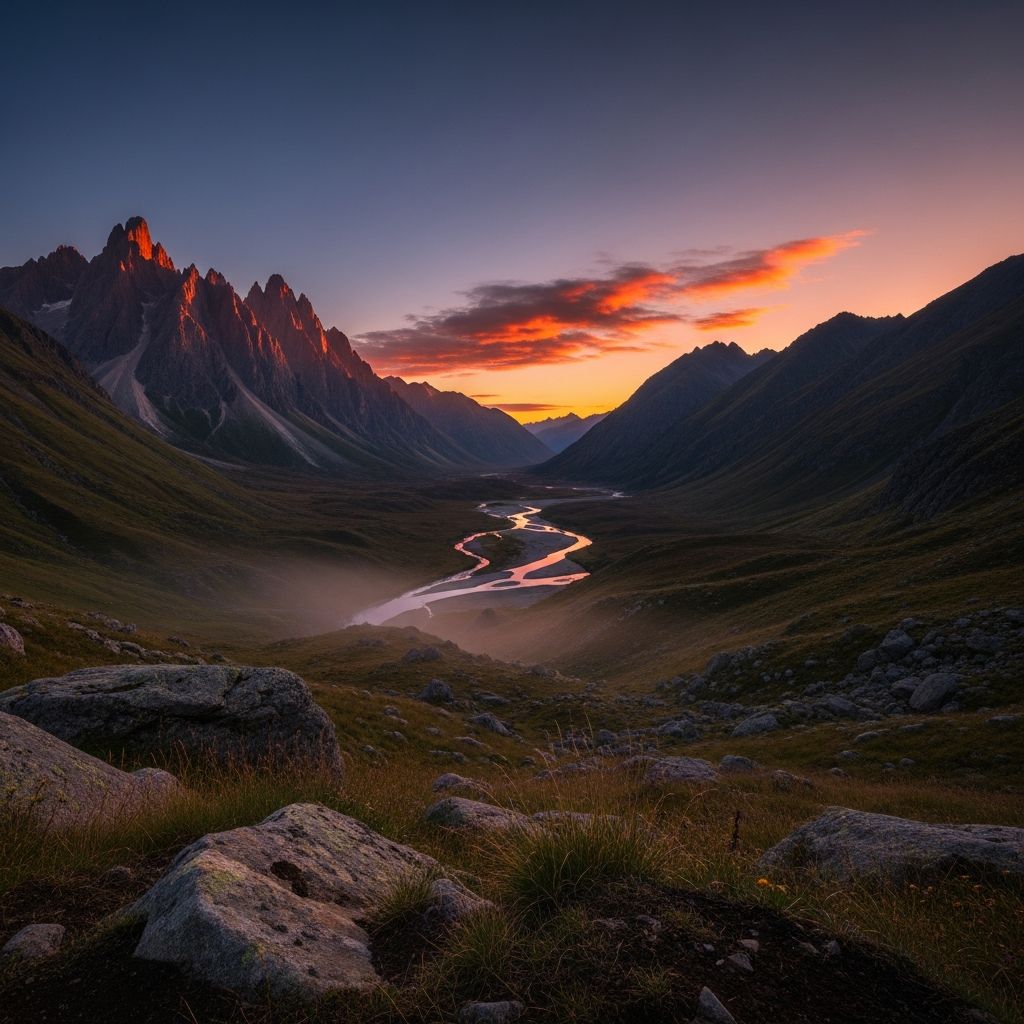
Landscape photography offers a unique way to connect with the natural world, freezing moments of vast beauty in a single frame. Whether you’re standing before towering mountains or serene coastlines, mastering this genre requires more than just pointing and shooting—it’s about understanding light, composition, and the story each scene tells.
Essential Gear for Landscape Mastery
Selecting the right equipment forms the foundation of successful landscape photography. A sturdy tripod remains indispensable, providing stability for long exposures that capture silky waterfalls or star trails without camera shake.
- Wide-angle lenses (14-24mm range) excel at encompassing expansive vistas, emphasizing foreground elements to add depth.
- Telephoto lenses (70-200mm) compress distant features, ideal for isolating mountain peaks or wildlife against dramatic skies.
- Polarizing filters cut glare from water and foliage, enhancing color saturation and contrast in midday light.
- Neutral density filters enable slower shutter speeds in bright conditions, creating motion blur in clouds or waves.
Modern mirrorless cameras with high dynamic range sensors handle the extreme contrast between shadowed valleys and sunlit ridges effectively. Weather-sealed bodies protect against dust, rain, and cold in rugged environments.
Timing Your Shots: The Magic Hours
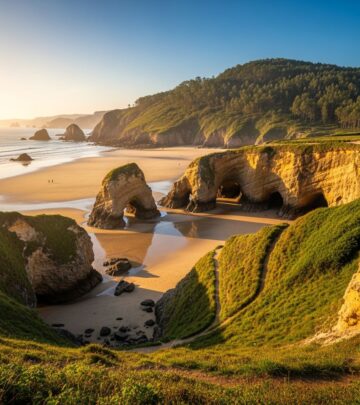
Light dictates the mood of every landscape image. The golden hour—shortly after sunrise or before sunset—bathes scenes in warm, directional light that sculpts textures and minimizes harsh shadows.
Plan shoots using apps that predict sunrise, sunset, and moonlight phases. In polar regions, the midnight sun offers extended golden periods, while equatorial zones deliver brief but intense bursts.
| Time of Day | Light Characteristics | Best For |
|---|---|---|
| Golden Hour | Warm tones, long shadows | Mountains, deserts |
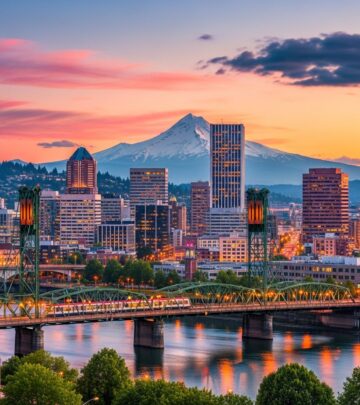
| Blue Hour | Cool blues, soft twilight | Urban skylines, lakes |
| Midday | Harsh overhead light | With filters or shade |
| Night | Starlight, auroras | Long exposures |
Avoid midday when possible, as flat lighting compresses depth. Instead, embrace blue hour for ethereal cityscapes blending into natural horizons.
Composition Techniques That Captivate
Great compositions guide the viewer’s eye through the frame, balancing elements for harmony. Employ the rule of thirds by imagining a tic-tac-toe grid and placing key features at intersections.
- Leading lines: Rivers, paths, or fences draw attention from foreground to background.
- Foreground interest: Rocks, flowers, or driftwood anchor the image and create layers.
- Frames within frames: Natural arches or tree branches enclose the main subject.
- Symmetry and patterns: Reflections in calm waters or repeating dunes evoke serenity.
Experiment with vertical orientations for towering cliffs or waterfalls, challenging the horizontal bias of traditional landscapes. Negative space—vast skies or empty beaches—amplifies isolation and scale.
Weather and Atmosphere: Nature’s Ally
Dynamic weather elevates ordinary scenes to extraordinary. Misty mornings soften distant peaks, while clearing storms unveil rain-washed vibrancy and dramatic clouds.
Monitor forecasts for fog, which adds mystery to forests; rain, which intensifies greens and creates puddles for reflections; or wind, which sculpts waves and grasses into motion.
Embracing unpredictability often yields the most memorable shots—patience rewards the prepared photographer.
Safety first: Secure gear against gusts and seek shelter during lightning. In deserts, heat haze can blur horizons, so shoot early.
Post-Processing: Refining Your Vision
Editing polishes raw captures without altering reality. Software like Lightroom adjusts exposure, white balance, and clarity to match your on-site intent.
- Crop to strengthen composition.
- Boost shadows and tame highlights for balanced dynamic range.
- Enhance colors selectively—vibrant sunsets need subtle saturation lifts.
- Sharpen for print; add subtle vignettes to focus attention.
Avoid over-editing: Heavy HDR merges can appear unnatural. Calibrate monitors for accurate color representation.
Iconic Locations to Ignite Inspiration
Seek out renowned sites that showcase nature’s diversity. Iceland’s black-sand beaches contrast with glacier lagoons under northern lights. New Zealand’s Milford Sound frames fjords with sheer cliffs and waterfalls.
- Antelope Canyon, USA: Slot canyons beam light shafts through sculpted sandstone.
- Zhangjiajie, China: Quartz pillars inspired Avatar’s floating mountains.
- Uyuni Salt Flats, Bolivia: Mirror-like reflections during wet season.
- Great Ocean Road, Australia: Twelve Apostles stack against turbulent seas.
Local knowledge via permits and guides ensures access and reveals hidden vantage points.
Advanced Techniques for Pros
Panoramas stitch multiple frames for ultra-wide views exceeding single-shot limits. Focus stacking combines images at varying depths for tack-sharp foreground-to-infinity.
Aerial drones capture overhead perspectives of patterns invisible from ground level—check regulations everywhere. Time-lapses condense hours into seconds, revealing cloud flows or tidal shifts.
Common Pitfalls and How to Avoid Them
Many fall into traps like cluttered horizons—level your camera meticulously. Underexposed skies wash out; use graduated filters or bracketing.
Over-reliance on gear distracts from vision—scout locations beforehand. Respect leave-no-trace principles to preserve sites for future adventurers.
Building a Landscape Portfolio
Curate images telling a cohesive story, perhaps seasonal changes in one valley or global expeditions. Share on platforms fostering feedback, entering contests for exposure.
Print large for galleries; canvas wraps emphasize textures. Workshops with mentors accelerate growth through hands-on critique.
FAQs
What is the best time for landscape photography?
Golden and blue hours provide optimal light; use apps for precise timing.
Do I need expensive gear to start?
No—any DSLR or smartphone with a tripod yields pro results with skill.
How can I handle high contrast scenes?
Bracket exposures and merge in HDR software for detail retention.
Are permits required for popular spots?
Often yes—research national park rules in advance.
What’s the role of post-processing?
It refines intent without fabrication, enhancing natural beauty.
References
- National Park Service Photography Guidelines — U.S. Department of the Interior. 2024-01-15. https://www.nps.gov/articles/photography.htm
- Landscape Photography: From Snapshots to Great Shots — Ansel Adams Estate (via official publisher). 2023-05-20. https://www.anseladams.com
- Golden Hour and Blue Hour Predictor — PhotoPills Official Documentation. 2025-02-10. https://www.photopills.com/articles/golden-hour-blue-hour
- Drone Regulations for Photography — Federal Aviation Administration. 2026-03-01. https://www.faa.gov/uas
- Leave No Trace Principles — Leave No Trace Center for Outdoor Ethics. 2024-11-12. https://lnt.org/why/7-principles/
Similar Articles





Read full bio of medha deb