City Streets Through the Lens
Unlock the secrets of capturing dynamic urban scenes with expert techniques for every city explorer and photographer.
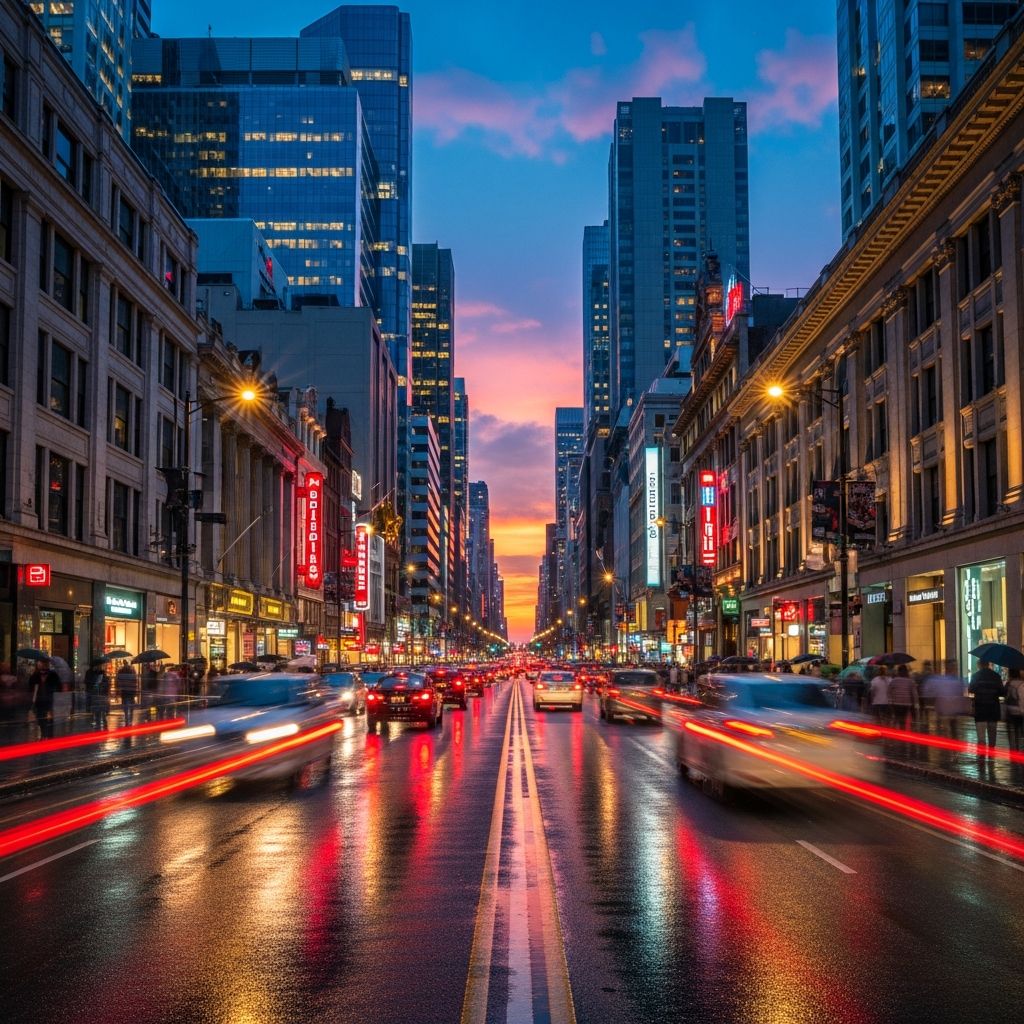
Urban photography transforms everyday cityscapes into captivating visual stories, blending architecture, human activity, and fleeting moments into powerful images. This guide equips you with strategies to navigate metropolitan environments, honing your skills to produce portfolio-worthy shots that reveal the pulse of urban life.
Gear Essentials for Mobile Urban Exploration
Selecting the right equipment is crucial for urban shoots, where mobility and discretion reign supreme. Opt for lightweight mirrorless cameras, which offer exceptional image quality without the bulk of traditional SLRs, allowing extended walks through neighborhoods. Pair them with versatile prime lenses like 35mm or 50mm for natural perspectives that mimic human vision.
- Camera Body: Mirrorless models excel in portability and advanced autofocus for candid street scenes.
- Lenses: Wide-angle for architecture (24mm), standard for portraits (50mm), and telephoto (85mm+) for discreet distant captures.
- Accessories: Extra batteries, compact tripods for low-light cityscapes, and weather-sealed bags for unpredictable conditions.
Smartphone photographers can leverage computational photography features, but dedicated cameras provide superior control over depth of field and shutter speeds essential for motion blur in traffic-heavy streets.
Pre-Shoot Preparation: Mapping Your Urban Adventure
While serendipity fuels street photography, strategic planning maximizes opportunities. Research neighborhoods via maps and local guides to pinpoint vibrant markets, architectural gems, and cultural hubs. Create a flexible itinerary marking sunrise/sunset spots for golden hour light and midday areas for harsh shadows that sculpt facades.
| Time of Day | Best Locations | Shooting Focus |
|---|---|---|
| Dawn/Early Morning | Markets, quiet alleys | Soft light, emerging activity |
| Midday | Skyscrapers, plazas | High contrast, geometric patterns |
| Golden Hour | Rooftops, riversides | Warm tones, long shadows |
| Blue Hour/Night | Neon districts, bridges | Light trails, reflections |
Apps for scouting vantage points and weather forecasts ensure you’re positioned for dynamic weather shifts, like rain-slicked streets reflecting neon.
Mastering Composition in Chaotic Environments
Composition elevates ordinary urban scenes to art. Employ leading lines from escalators, stairwells, or roadways to draw viewers into the frame, creating depth and narrative flow. Vary perspectives: shoot low for towering buildings against skies or high from balconies for sprawling vistas.
- Rule of Thirds: Position subjects off-center for balanced asymmetry.
- Golden Ratio: Spiral compositions around architectural curves for organic guidance.
- Framing: Use arches, windows, or crowds to isolate subjects naturally.
Vertical orientations suit skyscrapers, emphasizing height, while horizontals capture wide street panoramas. Embrace imperfections—skewed horizons or motion blur—to convey the raw energy of city life.
Timing and Light: The Urban Photographer’s Edge
Light dictates mood in urban settings. Golden hour bathes scenes in flattering warmth, ideal for portraits amid bustle. Blue hour offers moody contrasts between artificial glows and fading skies. Slower shutter speeds (1/30s or less) capture panning motion of pedestrians or vehicles, adding dynamism.
Indoor public spaces like subways or malls provide consistent lighting experiments, blending natural and fluorescent sources. Return to the same spot multiple times to document evolving light and activity, building a cohesive series.
Capturing Human Elements Ethically
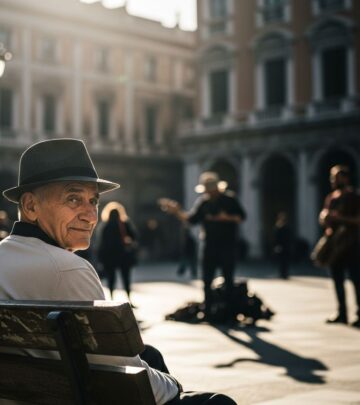
People infuse soul into urban photos. Blend in with neutral clothing to remain unobtrusive, firing from the hip for candid authenticity. Focus on gestures, interactions, and expressions that narrate stories—a vendor’s laugh, commuters’ rush, or children’s play.
Respect privacy: obtain consent for close-ups when feasible, especially in quieter locales. Legal awareness varies by city; public spaces generally permit photography, but avoid harassment claims by maintaining distance.
Technical Settings for Street Success
Street photography demands quick decisions. Use aperture priority (f/5.6-f/8) for depth, auto ISO capped at 6400 to manage noise, and fast shutters (1/250s+) for sharpness amid movement. Shoot in RAW for post-processing flexibility on high-contrast scenes.
Experiment with black and white to strip color distractions, emphasizing texture and form in gritty alleys or polished lobbies.
Building Projects: From Single Shots to Series
Elevate your work with themed projects. Revisit one location weekly, capturing seasonal or daily shifts for a narrative arc. Themes like “Shadows in the City,” “Reflections,” or “Faces of the Street” foster depth.
- Location Series: Same plaza, varied weather/people.
- Motion Study: Panning vehicles, blurred crowds.
- Abstract Urban: Textures, patterns from fire escapes and graffiti.
Curate online portfolios to track progress and share stories behind images.
Overcoming Common Urban Challenges
Crowds can intimidate; start in less busy areas to build confidence. Weatherproof gear handles drizzle, turning puddles into mirrors. Battery drain from constant reviewing? Limit checks and trust your eye.
Rejection stings—politely smile if confronted. Persistence refines instinct, turning chaos into instinctual mastery.
Post-Processing: Polishing City Raw
Enhance without over-editing. Adjust exposure for balanced highlights/shadows, boost contrast for punchy cityscapes, and selectively sharpen key elements. Lightroom presets for urban grit streamline workflows.
Batch process series for cohesion, exporting for web/social with watermarks.
FAQs
What is the best camera for urban photography?
Lightweight mirrorless cameras with versatile lenses are ideal for their portability and performance in dynamic settings.
Do I need permission to photograph people on the street?
In public spaces, it’s generally allowed, but seek consent for identifiable portraits and respect local laws.
How can I avoid looking like a tourist with my camera?
Wear neutral clothes, use neck straps or hip firing, and move confidently like a local.
What’s the ideal time for cityscape shots?
Golden and blue hours provide the most dramatic lighting for architecture and streets.
Can I do urban photography in small towns?
Absolutely—stories emerge everywhere; focus on local quirks and daily life.
References
References
- Embracing the Unknown: Tips for Urban Street Photography Adventures — Kevin Pepper Photography. 2023-05-15. https://www.kevinpepperphotography.com/blog/embracing-the-unknown-tips-for-urban-street-photography-adventures
- A Detailed Introduction to City and Urban Photography — James Maher Photography. 2024-02-10. https://jamesmaherphotography.com/city-urban-photography/
- 15 Badass Street Photography Ideas To Get You Started — Photography Playground. 2023-11-20. https://photography-playground.com/street-photography-ideas/
- Urban photography tips – Canon Georgia — Canon Europe. 2024-08-05. https://www.canon.ge/get-inspired/tips-and-techniques/composition-tips-urban-cityscapes/
- Beginners Guide To Street Photography — Silvergumtype. 2025-01-20. https://silvergumtype.com/2025/01/20/beginners-guide-to-street-photography/
- How to Plan a Street Photography Shoot When Traveling — Digital Photography School. 2023-09-12. https://digital-photography-school.com/plan-street-photography-shoot-traveling/
Similar Articles



Read full bio of medha deb