Costa Rica Natural Wonders: 9 Must-See Parks And Sights
Discover the breathtaking landscapes, volcanoes, rainforests, and wildlife hotspots that make Costa Rica a paradise for nature lovers worldwide.
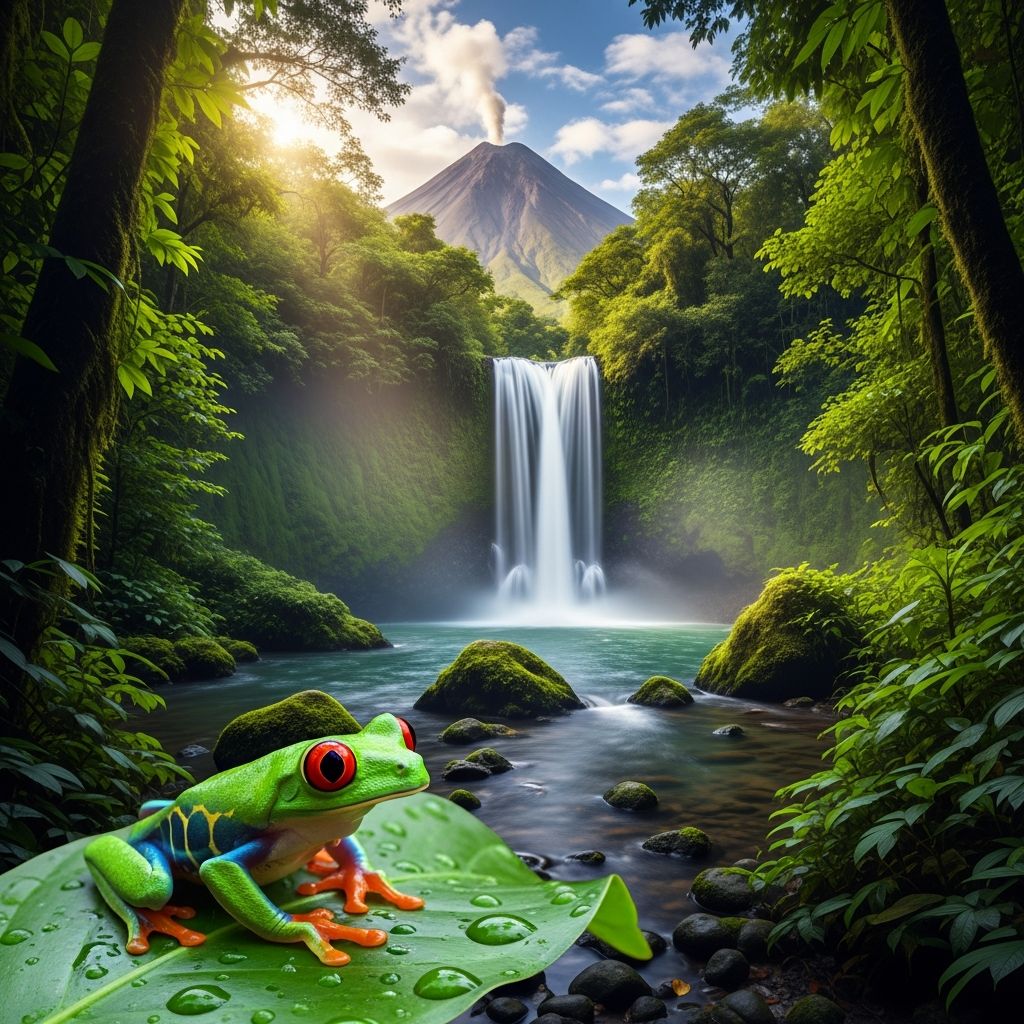
Costa Rica, a small Central American nation, packs an extraordinary array of natural phenomena into its compact territory. Renowned for its commitment to conservation, over 25% of the country is protected as national parks and reserves, safeguarding volcanoes, rainforests, beaches, and unique ecosystems teeming with wildlife. This guide delves into the country’s premier natural attractions, offering insights into their geological wonders, biodiversity, and visitor experiences.
Volcanic Powerhouses: Arenal and Poás
Arenal Volcano stands as one of Costa Rica’s most iconic landmarks, a near-perfect conical peak rising dramatically from surrounding rainforests in the northern region. Once highly active, it offers hikers trails around its base, revealing lush vegetation and opportunities to spot exotic birds and mammals. Nearby hot springs, fed by geothermal activity, provide relaxing soaks amid tropical scenery.
Poás Volcano, located closer to the capital San José, presents a different spectacle with its massive, acidic crater lake that shifts colors from turquoise to emerald based on mineral content and weather. The main viewpoint is accessible via a short paved path, making it ideal for day trips. Visitors should check current activity levels, as eruptions can close access temporarily.
| Volcano | Location | Key Feature | Best Activity |
|---|---|---|---|
| Arenal | Alajuela Province | Hot springs & rainforest hikes | Base trail walks & thermal baths |
| Poás | Alajuela Province | Active crater lake | Scenic viewpoint hikes |
Mystical Waters of Río Celeste
In Tenorio Volcano National Park, the Río Celeste captivates with its surreal turquoise hue, caused by mineral reactions where two clear streams merge at Los Teñidores. A moderate 3-hour hike leads to the stunning 30-meter Catarata Río Celeste waterfall, plunging into a glowing pool framed by dense jungle. The trail also passes the serene Pozo Azul lagoon, enhancing the otherworldly atmosphere.
- Hiking Essentials: Wear sturdy shoes; the path includes 253 steps to the waterfall base.
- Wildlife Bonus: Look for sloths, frogs, and birds en route.
- Tip: Visit early to avoid crowds and witness the color at its brightest.
Cloud Forest Magic in Monteverde
Monteverde Cloud Forest Reserve, perched in the highlands of Puntarenas Province, is a misty realm of epiphyte-draped trees, orchids, and hanging bridges that let visitors glide through the canopy. Dubbed a ‘jewel’ by National Geographic, it hosts rare species like the resplendent quetzal and countless hummingbirds. Night walks reveal nocturnal creatures, adding to the mystical vibe.
The reserve’s microclimates foster immense biodiversity, with over 400 bird species and unique cloud forest flora. Guided tours enhance spotting chances for elusive wildlife amid the perpetual fog.
Tortuguero: Costa Rica’s Amazon
Accessible only by boat or plane, Tortuguero National Park on the Caribbean coast mimics the Amazon with its intricate canal system winding through rainforests, mangroves, and lagoons. Dawn canoe paddles offer prime views of monkeys, crocodiles, otters, and over 400 bird species. The park’s beaches are vital nesting grounds for green sea turtles, drawing eco-tourists seasonally.
Designated a Ramsar wetland, Tortuguero spans diverse habitats, from swamps to beaches, supporting exceptional fauna diversity. It’s Costa Rica’s third-most visited park despite remote access.
Oceanic Gem: Cocos Island National Park
Far offshore in the Pacific, Cocos Island is a UNESCO World Heritage site and diver’s paradise, renowned for hammerhead shark schools, manta rays, dolphins, and vibrant coral reefs. No settlements exist; only rangers patrol this 23.85 sq km uninhabited haven. Live-aboard dive trips are the only way to experience its pristine waters teeming with pelagic life.
Biodiversity Hotspots: Manuel Antonio and Corcovado
Manuel Antonio National Park, though small at 1,680 acres, bursts with life across beaches, reefs, mangroves, and rainforest. Trails reveal sloths, capuchin monkeys, and colorful birds; snorkeling uncovers marine wonders. Its compact size makes it perfect for a half-day explore.
Corcovado National Park in the Osa Peninsula is wilder, encompassing 41,788 hectares of lowland rainforest, swamps, and 46 km of coastline. Often called the ‘most biologically intense place on Earth,’ it shelters jaguars, tapirs, scarlet macaws, and countless endemics, attracting serious naturalists.
Peak Adventure: Chirripó National Park
Costa Rica’s rooftop, Cerro Chirripó at 12,533 feet, challenges hikers in Chirripó National Park. The multi-day trek traverses páramo grasslands and montane forests, rewarding summiteers with panoramic views. High endemism defines this Talamancan ecosystem.
- Permits required; base camp at 10,500 ft.
- Best season: dry months (Dec-Apr).
- Physical prep essential for high altitude.
Planning Your Costa Rica Nature Escape
To maximize your trip, consider a 10-day itinerary blending regions: start in Arenal for volcano vibes, hike Río Celeste, explore Monteverde’s clouds, canoe Tortuguero canals, then relax in Manuel Antonio. Use eco-lodges supporting conservation; pack insect repellent, rain gear, and binoculars.
Sustainable practices are key—stick to trails, support local guides, and choose low-impact operators. Costa Rica’s parks charge modest entry fees, funding preservation.
Frequently Asked Questions
What is the best time to visit Costa Rica’s natural wonders?
Dry season (Dec-Apr) offers clearer skies for hiking and wildlife viewing, though green season (May-Nov) brings lush scenery and fewer crowds.
Are guided tours necessary for parks like Monteverde or Tortuguero?
Highly recommended; expert naturalists boost wildlife sightings and provide ecological context.
Can families with kids enjoy Río Celeste and Arenal?
Yes, moderate trails suit older children; hot springs and short walks are family-friendly.
Is diving at Cocos Island beginner-level?
No, advanced certification needed due to currents and depth; opt for live-aboards.
How to reach remote parks like Corcovado?
Ferries, small planes, or 4×4 roads; plan multi-day stays for immersion.
References
- Costa Rica’s Natural Wonders – 10 Days — kimkim. 2023. https://www.kimkim.com/c/costa-rica-natural-wonders-10-days
- 16 Breathtaking Places To Visit In Costa Rica — Global Grasshopper. 2023. https://globalgrasshopper.com/destinations/south-america/10-beautiful-places-visit-costa-rica/
- The Seven Natural Wonders Of Costa Rica — World Atlas. 2023. https://www.worldatlas.com/articles/the-seven-natural-wonders-of-costa-rica.html
- Nature’s Best: 5 Must-See Parks In Costa Rica — Two For The World. 2023. https://www.twofortheworld.com/5-must-see-parks-costa-rica/
- National Parks – Explore Volcanoes, Rainforests & Jungles — Visit Costa Rica (official tourism). 2025. https://www.visitcostarica.com/things-to-do/ecoturism/national-parks
Similar Articles








Read full bio of Sneha Tete