
Cuba Essentials for New Visitors
Master the essentials of your first Cuba trip: from visas and cash to local stays and cultural etiquette for an unforgettable adventure.
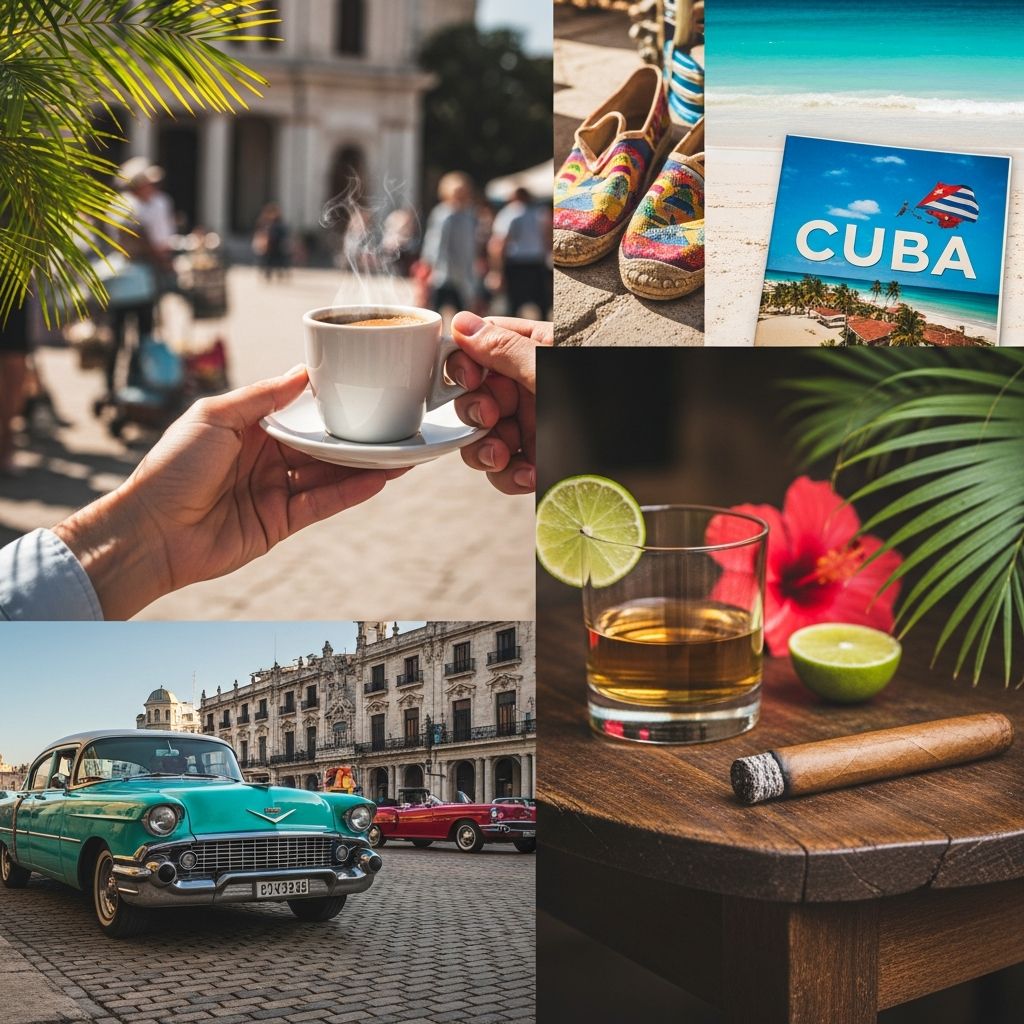
Planning your initial trip to Cuba requires understanding its unique systems for entry, finances, movement, and daily life. This guide draws from traveler experiences and official advice to equip you with practical knowledge for a seamless adventure on this vibrant island.
Navigating Entry Requirements
Entry to Cuba demands specific documentation beyond a standard passport. All visitors need a Tourist Card, often called a visa, which authorizes a 30-day stay. Travelers flying from the US typically require a pink version of this card, while others use the standard green one. Acquire it through airlines, travel agencies, or online services before departure, as it’s checked at immigration upon arrival.
- Passport validity: Must be valid for at least six months beyond your planned departure from Cuba.
- Tourist Card cost: Around $20-40 USD, including fees; validity starts upon entry.
- Extensions: Possible for another 30 days at immigration offices, but plan ahead.
US citizens face additional scrutiny due to longstanding regulations. Travel falls under categories like ‘Support for the Cuban People,’ involving stays in private homes and engagement with local entrepreneurs for several hours daily. Check current rules, as they evolve.
Mastering the Cuban Currency Landscape
Cuba operates a dual-currency system that’s phasing out complexities, but cash remains king. The primary currency is the Cuban Peso (CUP), with Euros or Canadian Dollars preferred for exchange over USD due to fees. ATMs are scarce and unreliable, especially outside Havana, so arrive with sufficient hard currency.
| Currency Tip | Details |
|---|---|
| Best for Exchange | Euros, CAD; avoid USD (10-20% penalty) |
| Cash Stashing | Keep separate from valuables; use hotel safes |
| CUP vs CUC | CUC phased out; CUP now standard (24 CUP = 1 USD approx.) |
| Tipping | Tip locals in CUP; musicians, guides (5-10 CUP) |
Avoid street exchanges to prevent scams. Official banks or casas (private homes) offer better rates. Budget $50-100 USD daily for food, transport, and activities.
Choosing Where to Stay: Casas Over Hotels
For an immersive experience, opt for casas particulares—family-run guesthouses marked by a blue paladar sign. These provide home-cooked meals, local insights, and lower costs than state hotels ($25-50/night). Hosts often arrange taxis, tours, and meals, fostering genuine connections.
- Book first nights online via Airbnb or local sites; rest via recommendations.
- Expect shared bathrooms in budget options; higher-end have privates.
- Language helps: Basic Spanish eases bookings, as English varies.
Popular areas: Havana’s Vedado or Centro for vibrancy, Viñales for rural charm, Trinidad for colonial allure. Casas support the economy directly, aligning with responsible travel.
Getting Around the Island Efficiently
Public transport mixes reliability with unpredictability. Viazul buses connect major cities; buy tickets a day early at stations. For flexibility, shared colectivos (taxis) go door-to-door, filling with passengers en route—ideal for Viñales or Trinidad from Havana (2-4 hours, $20-30).
Coches (horse-drawn carts) serve rural spots, while classic cars in Havana offer scenic rides. Renting bikes or scooters is common in smaller towns.
- Arrive at bus stations early; queues form.
- Negotiate colectivo fares upfront.
- Avoid hitchhiking alone for safety.
Airport transfers: Pre-arrange via casa hosts, as taxis cluster inefficiently.
Practical Daily Survival Tips
Cuba’s infrastructure lags in connectivity and conveniences. Internet is limited; buy ETECSA cards for WiFi hotspots ($1-3/hour). Power outages occur, so carry a universal adapter and portable charger.
- Water: Bottled only; refill at casas to save plastic.
- Health: Mosquito repellent for dengue; no major vaccines beyond routine.
- Packing: Toiletries, sunscreen, snacks—stores stock basics sporadically.
Plan nightlife: Venues scatter; taxis essential post-dark. Paladares (private restaurants) serve superior meals to state cafes—try ropa vieja or lobster.
Health, Safety, and Security Priorities
Petty crime like pickpocketing targets tourists in crowded Havana areas. Violent incidents are rare, but vigilance is key: secure valuables, avoid flashing wealth.
U.S. Department of State notes risks of petty theft and advises against isolated areas at night.
Stay hydrated in tropical heat; clinics handle minor issues, but serious cases require Havana’s hospitals. No widespread diseases, but update tetanus and hepatitis shots.
Cultural Etiquette and Social Interactions
Cubans are warm but private about politics—steer conversations to music, dance, or baseball. Respect queues, even if locals invite you ahead. Photography: Ask permission for portraits.
- Greet with ‘buenos dias’; smiles open doors.
- Bargain politely at markets.
- Support artists and musicians directly.
Embrace salsa clubs and street festivals for authentic vibes. Avoid discussing regime critiques openly.
Top Destinations for Your Itinerary
Focus on Havana’s colonial core, Viñales’ tobacco fields, Trinidad’s cobblestone streets, and Cienfuegos’ French-inspired bay. A 10-14 day loop covers highlights without rush.
| Spot | Highlight | Stay Duration |
|---|---|---|
| Havana | Malecón, classics cars | 4-5 days |
| Viñales | Hiking, caves | 2-3 days |
| Trinidad | Beaches, history | 3 days |
| Cienfuegos | Bay views, architecture | 2 days |
FAQs for Cuba Newcomers
Do I need a visa for Cuba?
Yes, a Tourist Card is required for all; US travelers need the pink version.
Is Cuba safe for solo female travelers?
Generally yes, with standard precautions; stick to well-lit areas and use trusted taxis.
Can I use credit cards in Cuba?
Limited; cash is essential, ATMs unreliable.
What’s the best way to book casas?
Online for first nights, then referrals; expect phone confirmations.
How do I stay connected?
ETECSA WiFi cards at hotspots; VPN for unrestricted access.
Building Your Personalized Itinerary
Start in Havana for acclimation, then venture west to Viñales for nature, east to Trinidad for history. Allocate buffer days for delays. Engage locals via dance lessons or farm tours to fulfill cultural depth.
(Word count: 1678)
References
- A First Timer’s Guide to Cuba – Sue Where Why What — Sue Where Why What. 2018. https://www.suewherewhywhat.com/a-first-timers-guide-to-cuba-2018/
- Cuba: 10 travel tips for first-timers — Rough Guides. N/A. https://www.roughguides.com/article/cuba-travel-tips/
- Cuba International Travel Information — U.S. Department of State. 2026 (ongoing updates). https://travel.state.gov/content/travel/en/international-travel/International-Travel-Country-Information-Pages/Cuba.html
Similar Articles







Read full bio of Sneha Tete