
Danzhai Crafts: A Visitor’s Guide To Batik, Paper, Embroidery
Discover the vibrant world of Miao artistry in Guizhou's hidden gem, where ancient techniques thrive amid stunning landscapes.
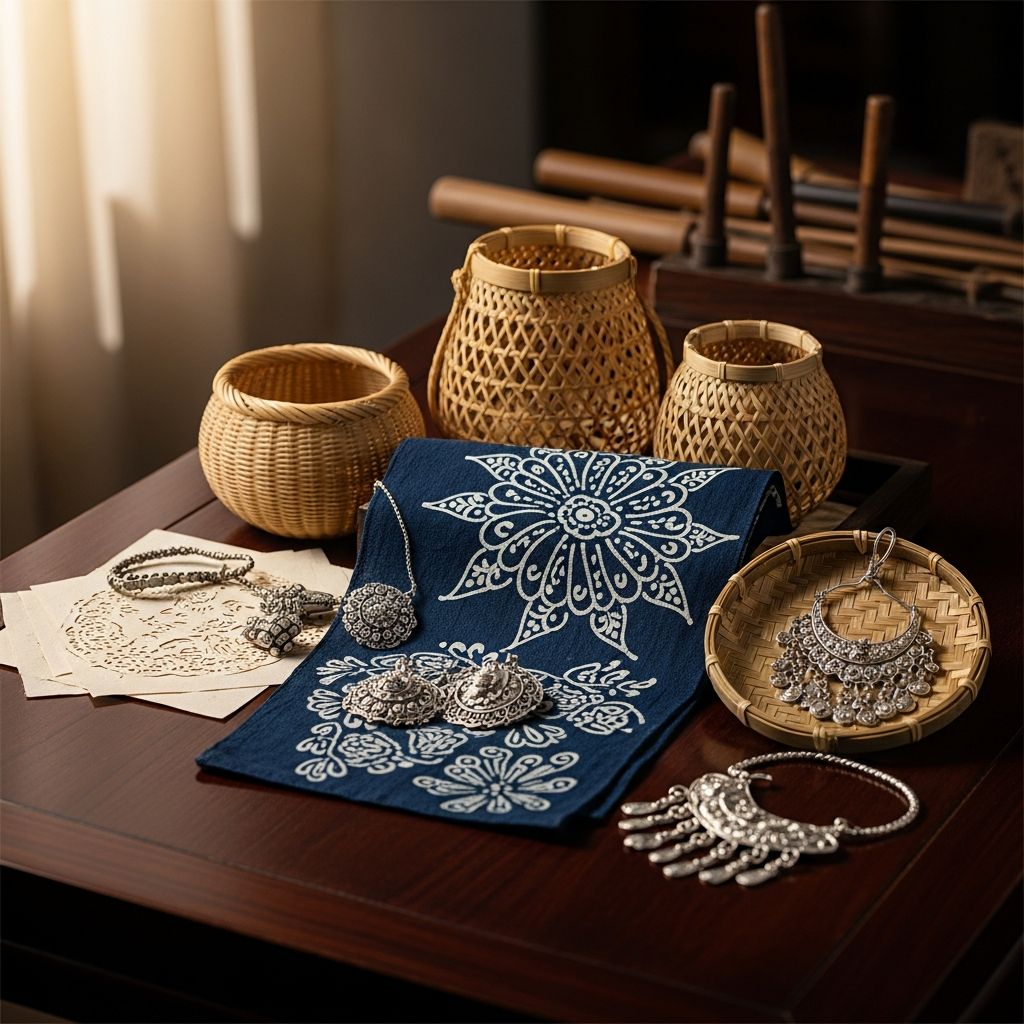
In the lush hills of Guizhou Province, Danzhai County stands as a living museum of Miao ethnic artistry. This remote area, nestled among misty mountains, preserves techniques passed down through generations, blending daily life with profound cultural expression. From wax-resist fabrics to handcrafted paper, these crafts not only define Miao identity but also fuel modern tourism and economic revival.
The Essence of Miao Heritage
The Miao people, one of China’s 56 recognized ethnic groups, have long infused their lives with creativity. In Danzhai, crafts are more than hobbies—they are essential to rituals, clothing, and community bonds. Women traditionally master these skills from childhood, creating items for personal use and ceremonies. This hands-on tradition fosters a deep connection to ancestry, even as global influences encroach.
Today, initiatives like social enterprises and tourism hubs are revitalizing these practices. Visitors can witness artisans at work, purchase authentic pieces, and contribute to sustainable livelihoods. Danzhai’s crafts thus bridge past and present, offering an immersive glimpse into China’s diverse cultural mosaic.
Mastering the Art of Batik
Batik, known locally as *au tao* in the Miao language, involves applying melted wax to fabric with a copper knife, then dyeing and boiling to reveal intricate patterns. This labor-intensive process demands precision and patience, often taking days for a single garment.
Artisans like those in dedicated workshops draw inspiration from nature—mountains, rivers, and mythical creatures appear in every design. Ceremonial attire, including wedding dresses and shrouds, holds special significance, symbolizing life’s milestones. Nearly every Miao woman once practiced batik for household needs, from bedding to clothing, ensuring self-sufficiency.
- Wax Application: Melted wax outlines motifs on cloth.
- Dyeing: Fabric soaks in natural indigo or vibrant colors.
- Boiling: Wax cracks and melts away, leaving bold patterns.
Modern workshops employ local women, refining skills for market-ready products. This empowers communities while keeping ancient methods alive.
Ancient Papermaking in Hidden Caves
In Shiqiao Village, a prehistoric cave serves as the heart of traditional papermaking. The site’s alkaline waters and local tree bark create ideal conditions for crafting durable, high-quality paper—a technique over 1,000 years old.
Craftsmen like Pan Yuhua, trained by elders, harvest bark, boil it into pulp, and form sheets by hand. Once practiced by 80 families, fewer than 10 now continue, but a renaissance is underway. Innovations yield over 160 paper varieties, from decorative Yingchun sheets to Huacao paper for art restoration and packaging.
| Paper Type | Uses | Key Features |
|---|---|---|
| Yingchun Paper | Decoration, festivals | Vibrant, festive hues |
| Huacao Paper | Painting, book restoration | Texture mimics ancient scrolls |
| Craft Papers | Souvenirs, origami | Over 10 specialized forms |
These papers, listed as national intangible cultural heritage, draw tourists eager to learn the 72-step bamboo and mulberry bark process shared by Miao and Buyi groups.
Vibrant Threads of Embroidery
Embroidery transforms plain cloth into storytelling canvases using colorful threads. At forest-based enterprises like Village Story, Miao women sketch auspicious symbols—flowers, birds, dragons—then stitch meticulously.
With a 400-year legacy, this craft adorns baby carriers symbolizing parental love and protection, as well as daily wear and gifts. Instructors pass skills intergenerationally, ensuring motifs carry protective blessings.
Social enterprises train artisans for home-based work, selling pieces in showrooms and tourist spots. This model balances preservation with income generation.
Bamboo Birdcages: Harmony in Weaving
Kala Village specializes in bamboo birdcages, perfected over generations for raising laughingthrush birds. Craftsmen split bamboo into fine strands, weaving intricate structures that double as art.
Wang Qiu and others have turned this into a thriving industry. Homestays alongside workshops attract visitors, who buy cages as souvenirs. The craft boosts the economy, blending utility with aesthetic appeal.
- Material Prep: Bamboo sourced locally, split precisely.
- Weaving: Patterns mimic natural forms.
- Finishing: Polished for durability and shine.
Cultural Tourism and Economic Impact
Danzhai’s crafts drive tourism through experiential stays. Wanda Village and similar hubs showcase products, while homestays offer classes. This influx supports families, reducing urban migration.
Government recognition as intangible heritage aids preservation. Over 10 paper crafts and diverse batik/embroidery lines expand markets, from souvenirs to luxury goods.
Preservation Challenges and Future
Urbanization threatens these arts, with fewer youth learning amid modern jobs. Yet, education programs and e-commerce provide hope. Schools integrate crafts into curricula, while online sales reach global audiences.
Collaborations with designers fuse tradition with contemporary styles, ensuring relevance. Danzhai exemplifies how heritage can thrive in a changing world.
Planning Your Visit to Danzhai
Reach Danzhai via Guiyang Longdongbao Airport, then bus to the county. Stay in ethnic homestays for immersion. Best times: spring for blooms, autumn for festivals.
- Must-See: Shiqiao Cave, batik workshops, Kala birdcages.
- Activities: Hands-on classes, cultural shows.
- Tips: Respect customs, buy directly from artisans.
Frequently Asked Questions
What makes Danzhai’s batik unique?
It uses a special Miao copper knife for wax application, creating nature-inspired patterns vital for ceremonies.
Is papermaking in Shiqiao still traditional?
Yes, despite fewer practitioners, it retains 1,000-year methods, now innovating 160+ types.
Can visitors learn embroidery?
Absolutely, at places like Village Story, where sessions hone skills for all levels.
How do crafts support the local economy?
Through tourism, sales, and enterprises employing women, boosting incomes sustainably.
What’s the history of bamboo birdcages?
A generations-old Miao practice in Kala, now a souvenir and homestay draw.
References
- Exploring traditional crafts in Danzhai County, Guizhou — Lonely Planet. 2023. https://www.lonelyplanet.com/articles/traditional-crafts-danzhai-county-guizhou
- Traditional papermaking craft sees renaissance in village of SW China — People’s Daily Online. 2023-12-26. http://en.people.cn/n3/2023/1226/c90000-20114994.html
- Crafts, heritage brighten up Guizhou — China Daily. 2023. https://www.chinadailyhk.com/hk/article/151715
- Guizhou – China Travel Course — Chinaculture.org. N/A. https://course.chinaculture.org/section/16626
Similar Articles







Read full bio of Sneha Tete