Bonaire Travel Guide: 4-Day Island Itinerary & Top Sights
Unveil the secrets of Bonaire's pristine reefs, wild parks, and serene shores in this comprehensive guide to the Caribbean's hidden diving paradise.
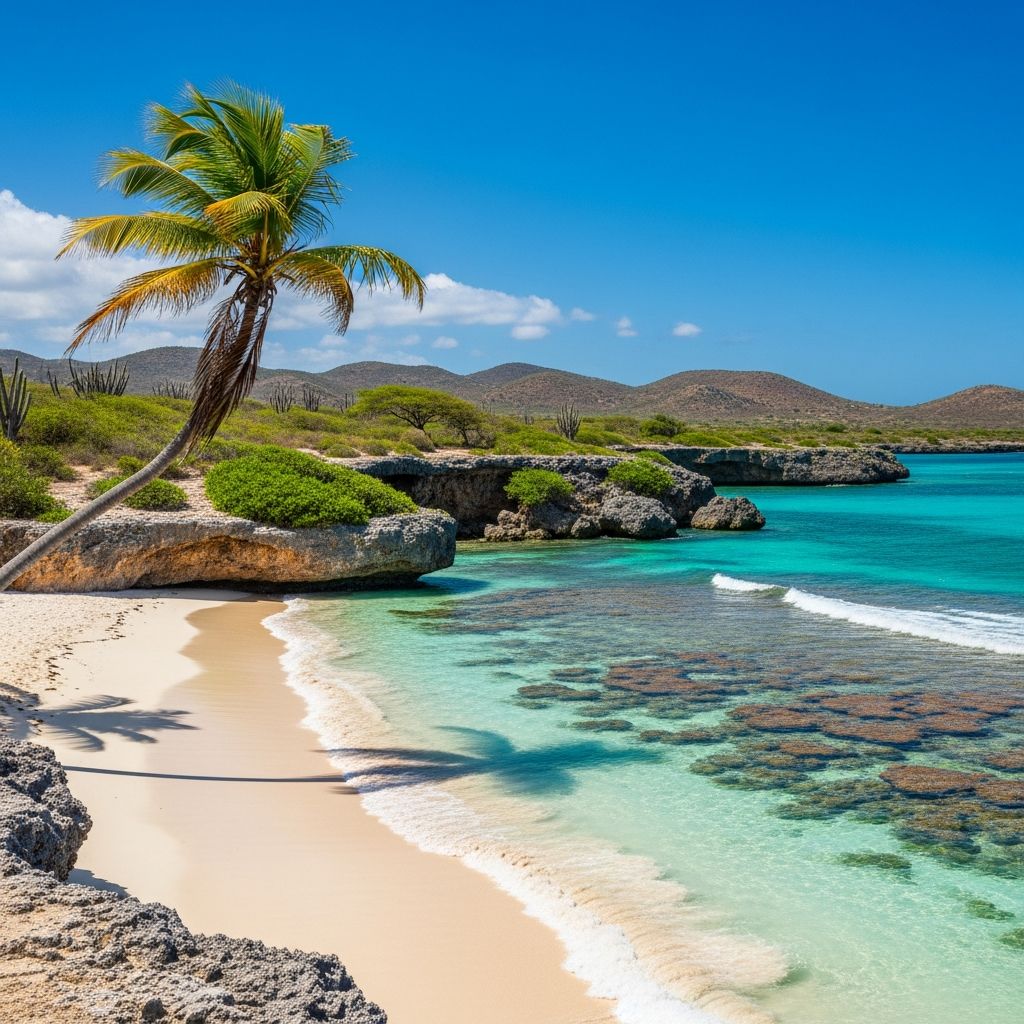
Discover Bonaire: Ultimate Island Guide
Bonaire, a jewel in the southern Caribbean, captivates with its unspoiled reefs, diverse wildlife, and laid-back vibe. Part of the ABC islands near Venezuela, this special municipality of the Netherlands offers shore-accessible diving, rugged landscapes, and pink salt flats teeming with flamingos. Ideal for adventurers and relaxation seekers, Bonaire delivers authentic experiences without the crowds.
Why Bonaire Stands Out as a Caribbean Destination
Bonaire’s allure lies in its commitment to preservation. The island’s
Bonaire National Marine Park
encircles it, protecting over 80 dive sites accessible directly from the shore. This setup makes it a top pick for scuba enthusiasts worldwide. Beyond water sports, the northern landscapes feature arid hills, cacti forests, and coastal cliffs inWashington Slagbaai National Park
, covering nearly 20% of the land. Birdwatchers flock here for over 200 species, including vibrant flamingos in the southern salt pans.The island’s tranquility stems from limited development. With a population under 20,000, Bonaire avoids mass tourism, fostering a genuine Dutch-Caribbean culture. Expect colorful architecture in Kralendijk, fresh seafood, and eco-focused activities like mangrove kayaking. Whether you’re diving kaleidoscopic reefs or hiking to panoramic viewpoints, Bonaire blends adventure with serenity.
Getting to Bonaire and Essential Travel Logistics
Reach Bonaire via
Flamingo International Airport (BON)
, with direct flights from major U.S. hubs like Atlanta, Newark, and Miami on airlines such as Delta and JetBlue. From Europe, connections through Amsterdam or Curaçao are common. The flight from the U.S. East Coast takes about 4 hours, making it an easy winter getaway.No passport is needed for U.S. citizens; a valid ID suffices. The official currency is the U.S. dollar, and Dutch is spoken alongside English and Papiamento. Driving is straightforward—rent a jeep for off-road trails—with roads well-marked. Taxis and scooters offer alternatives in compact Kralendijk.
- Best time to visit: Year-round, but December-April offers drier weather (average 82°F/28°C).
- Health tips: No vaccinations required; malaria-free. Use reef-safe sunscreen to protect marine life.
- Island tag: Mandatory $25 park fee covers marine park and Washington Slagbaai entry.
Top Outdoor Adventures: Dive, Snorkel, and Explore
Bonaire reigns supreme for water lovers. The
National Marine Park
safeguards reefs just 20-30 feet from shore, teeming with turtles, parrotfish, and rays. Over 40 dive operators provide gear, certifications, and boat trips toKlein Bonaire
, an uninhabited islet with pristine sites like No Name Reef.Snorkelers rave about spots like 1000 Steps (actually 78!), Salt Pier, and Andrea I/II. Entry is easy via yellow stones marking safe paths; hard-soled booties prevent coral scrapes. For variety, paddle through Lac Bay mangroves, where tangled roots shelter juvenile fish and birds.
| Activity | Best Spots | Highlights |
|---|---|---|
| Diving | Klein Bonaire, Salt Pier | Shore access, turtles, macro life |
| Snorkeling | 1000 Steps, Andrea I | Clear waters, diverse corals |
| Kayaking | Mangroves Lac Bay | Wildlife viewing, calm paddling |
Land-Based Thrills in Washington Slagbaai National Park
This 5,700-hectare reserve, established in 1969 as the Netherlands Antilles’ first nature sanctuary, showcases Bonaire’s wild side. Two driving routes—short (2-3 hours) and long (4-5 hours)—wind past iguanas, goats, and cacti. Hike
Brandaris Hill
(410m), the island’s highest point, for 360° views, or cliff-jump at Boca Slagbaai.Discover hidden gems like Playa Chikitu’s secluded beach and Boka Kokolishi’s dramatic inlet. Caves reveal ancient coral formations; guided tours explore two of 300 caverns, including snorkelable underground lakes. Pack water, snacks, and binoculars for birding—flamingos, parakeets, and lora parrots abound.
Cultural Heart: Kralendijk and Inland Villages
**Kralendijk**, the pastel-hued capital, buzzes with boutiques, cafés, and harbor views. Stroll Wilhelmina Square, visit
Fort Oranje
(1639), or browse the Terramar Museum for pre-Columbian artifacts. Dive bars like Karel’s Beach Bar serve chilled beers on piers.Inland,
Rincon
village hosts markets with goat stew and funchi (cornmeal polenta). Nearby slave huts at salt flats recount 19th-century history—low white structures where workers lived. TheDonkey Sanctuary
rescues wild donkeys; feed and pet these gentle creatures.Southern Wonders: Salt Flats and Flamingo Haven
Bonaire’s south features vast
salt pans
, where evaporation creates pink hues from algae-fed brine shrimp—flamingo buffet. The Pekelmeer Sanctuary hosts thousands of these birds; view from observation points. Windsurfers shred atSorobon Beach
, with lessons for beginners amid steady trade winds.Explore Cargill Saltworks; guided tours explain sustainable production dating to 17th-century Dutch settlers. Nearby, Pink Beach lives up to its name with crushed coral sands.
Sample 4-Day Itinerary for First-Timers
- Day 1: Arrival and Dive Intro – Settle in Kralendijk, shore dive at a resort site, dinner of fresh poke or beef stew.
- Day 2: Marine Park Focus – Snorkel Klein Bonaire, mangrove kayak, sunset at Sorobon.
- Day 3: Washington Slagbaai – Full-day park drive/hike, cave tour, Rincon lunch.
- Day 4: South and Farewell – Salt flats/flamingos, Kralendijk shopping, depart.
Extend to a week for multi-dive packages or kitesurfing.
Where to Stay, Eat, and Shop
Accommodations range from dive resorts like Buddy Dive to boutique inns. Budget options include guesthouses; luxury favors oceanfront villas.
Cuisine highlights seafood stews, keshi yena (stuffed cheese), and pastechi pastries. Top eats: Blue Lagun Café for tuna poke, waterfront spots for lionfish tacos.
Shop Kralendijk for Dutch cheeses, Bonaire rums, and dive gear. Markets offer aloe soaps and sea glass jewelry.
Practical Tips for a Seamless Trip
- Rent a 4×4 for parks; gas stations are sparse.
- Reef-safe sunscreen mandatory; no touching corals.
- ATMs in Kralendijk; cards widely accepted.
- Mosquitoes minimal; trade winds keep it breezy.
Frequently Asked Questions (FAQs)
How many days are ideal for Bonaire?
4 days for essentials; 7+ for diving enthusiasts.
Is Bonaire good for beginners?
Yes—shore diving, calm snorkel sites, and easy hikes suit all levels.
Can I see flamingos easily?
Absolutely, at Pekelmeer; binoculars enhance viewing.
What’s the water temperature?
78-84°F (26-29°C) year-round; rash guards recommended.
Are there beaches for lounging?
Fewer sandy stretches, but Sorobon and Te Amo are idyllic.
References
- Infobonaire Travel Tips — InfoBonaire. 2023. https://infobonaire.com/getting-to-bonaire/travel-tips/
- Bonaire Official Tourism Site — Tourism Corporation Bonaire. 2026. https://bonaireisland.com
- Bonaire National Parks Foundation — STINAPA Bonaire. 2025-04-15. https://stinapa.org/bonaire-national-marine-park
- Washington Slagbaai National Park Guide — STINAPA Bonaire. 2025. https://stinapa.org/washingtonslagbaai
- CDC Travel Health Notice: Bonaire — Centers for Disease Control and Prevention. 2026-01-10. https://wwwnc.cdc.gov/travel/destinations/traveler/none/bonaire
Similar Articles




Read full bio of medha deb