Beyond the Tourist Trail: Discovering Bangladesh’s Secret Destinations
Venture into Bangladesh's lesser-known corners for authentic cultural encounters
Bangladesh, a nation of waterways and rich cultural heritage, remains one of South Asia’s most underrated travel destinations. While visitors often flock to the famous Sundarbans or Cox’s Bazar beaches, countless extraordinary places remain relatively untouched by mainstream tourism. These hidden corners offer travelers the opportunity to experience authentic Bengali culture, explore centuries-old architectural marvels, and connect with communities that welcome visitors with genuine warmth.
Understanding Bangladesh’s Appeal Beyond the Obvious
The beauty of traveling through Bangladesh lies in its relative lack of tourism congestion compared to neighboring countries. Even at well-known sites, you’ll rarely encounter the overwhelming crowds typical of other South Asian destinations. This characteristic makes Bangladesh ideal for travelers seeking authentic experiences and meaningful cultural interactions. The country’s diverse geography—from mountains to mangroves, from urban centers to rural villages—provides endless possibilities for discovery.
Beyond the standard tourist itinerary, Bangladesh reveals layers of history, spirituality, and natural wonder. Archaeological sites dating back millennia tell stories of ancient kingdoms and spiritual movements. Local communities maintain traditional lifestyles and crafts passed down through generations. The landscape itself varies dramatically across regions, offering everything from misty highlands to serene waterways.
Northern Region Archaeological Treasures
The northern districts of Bangladesh contain some of South Asia’s most significant archaeological sites, yet receive a fraction of the international attention given to similar sites in neighboring countries. These locations provide tangible connections to Bangladesh’s deep historical roots and the civilizations that flourished here.
Ancient Urban Centers and Buddhist Heritage
The archaeological site of Mahasthangarh represents one of Bangladesh’s most important historical areas. Dating back to the third century BCE, this former capital of the Pundra Kingdom stands as evidence of early urban development in Bengal. The site contains multiple layers of habitation, revealing how the city transformed through different historical periods including the Mauryan, Gupta, and Pala dynasties. The on-site museum preserves artifacts that illuminate daily life, religious practices, and trade networks of ancient times.
The Buddhist heritage of the region extends to other significant sites including monastery ruins and temple complexes. These structures demonstrate the region’s historical importance as a center of Buddhist learning and practice. Walking through these archaeological landscapes allows visitors to contemplate the spiritual movements that shaped South Asian civilization.
Architectural Wonders of Dinajpur
Dinajpur district showcases remarkable terracotta architecture that demonstrates sophisticated artistic techniques. The Kantanagar Temple stands as an eighteenth-century testament to terracotta craftsmanship, with intricate carvings depicting scenes from Hindu epics. This artistic tradition represents a unique expression of Bengali cultural identity, distinct from architectural styles found elsewhere in the subcontinent.
Beyond temples, Dinajpur’s Ramsagar presents a different type of historical landmark—Bangladesh’s largest artificial lake. Created centuries ago, this water body reflects the engineering capabilities of its creators and now serves as habitat for diverse wildlife. The surrounding national park offers opportunities to observe birds and experience the landscape as it might have appeared to earlier visitors.
Tea Country and Hill Station Experiences
The northeastern regions of Bangladesh transform into rolling landscapes of cultivated tea gardens, creating scenery that rivals famous tea-growing regions internationally. Unlike the more crowded tea estates attracting package tours, lesser-known gardens provide intimate experiences where visitors can interact directly with tea workers and learn production methods firsthand.
Panchagarh’s Green Expanses
Panchagarh district in the far northwest offers visitors multiple reasons to venture off standard routes. The region’s emerald tea gardens stretch across hillsides, creating photogenic vistas throughout the seasons. Rather than observing from a distance, travelers can participate in actual tea-picking activities, learning the techniques that have been refined over generations. The accompanying tea-processing facilities reveal the transformation from fresh leaf to finished product.
Beyond commercial agriculture, Panchagarh’s natural landscape includes the Debiganj Hills, where hidden waterfalls reward trekkers willing to explore beyond main roads. These hiking trails provide panoramic countryside views and opportunities to encounter local communities living in agricultural areas. The Karatoya River flowing through the region presents another dimension for exploration, offering boat-based wildlife viewing and bird-watching opportunities.
Border Experiences and Unique Vantage Points
The Banglabandha Zero Point marks the precise location where Bangladesh meets India along the northwestern border. This geographical marker creates a unique perspective on international boundaries and represents a tangible connection point between two nations. The location itself offers contemplative opportunities and photographic possibilities that capture the meaning of border regions in contemporary geopolitics.
Spiritual and Religious Heritage Sites
Bangladesh’s religious heritage encompasses multiple faith traditions expressed through architectural and landscape features scattered throughout the countryside. Many of these sites remain largely unknown to international travelers, creating opportunities for genuine spiritual tourism.
Forgotten Mosques and Sacred Spaces
The Goaldi Mosque near Dhaka exemplifies Bangladesh’s oldest surviving Islamic architecture, yet remains hidden within rural landscapes rather than featured prominently in tourism marketing. This abandoned structure preserves historical Islamic design principles and sits amid the ruins of Painam Nagar, an abandoned nineteenth-century town once home to wealthy merchant families. The crumbling mansions surrounding the mosque tell stories of economic shifts and cultural transformations that reshaped the region.
This combination of religious architecture and residential ruins creates a complex historical narrative that single-site tourism cannot capture. Visitors to this area experience the interconnection of spiritual, economic, and social structures that defined Bengali society in earlier centuries.
Eastern Hill Regions and Indigenous Cultures
The eastern hill tracts of Bangladesh constitute a dramatically different landscape from the country’s fertile plains and represent spaces where indigenous communities maintain distinct cultural practices and traditions. These mountainous regions attract adventurers and cultural enthusiasts seeking genuine engagement with communities maintaining historical lifeways.
Bandarban’s Highland Environment
Bandarban district in the Chittagong Hill Tracts presents a landscape defined by elevation, vegetation, and cultural diversity. The region’s indigenous communities maintain their own languages, customs, and worldviews distinct from lowland Bengali culture. Boga Lake, situated at high altitude and surrounded by lush hillsides, offers a serene environment for camping and contemplation. The lake’s natural setting and relative isolation from urban centers create spaces for genuine nature immersion.
Trekking through these hills reveals not only natural beauty but also opportunities to observe how communities adapt to mountainous terrain and maintain agricultural and cultural practices suited to their specific environment. These experiences provide context for understanding Bangladesh’s full cultural spectrum beyond the dominant Bengali lowland culture.
Rangamati’s Waterscape and Settlements
Rangamati district incorporates both mountains and extensive water systems that shape settlement patterns and community lifestyles. The interplay between terrain and water creates unique ecological zones and influences how inhabitants organize their societies. Visitors to this region encounter communities whose economic activities, housing styles, and daily rhythms differ fundamentally from lowland areas.
Southern Waterways and Coastal Alternatives
Bangladesh’s southern regions offer water-based experiences that range from UNESCO-protected ecosystems to traditional floating markets that represent centuries-old commercial traditions.
Mangrove Forests and Wildlife Sanctuaries
The Sundarbans mangrove forest, while increasingly known, remains relatively undercrowded compared to similar protected areas in Southeast Asia. This UNESCO World Heritage Site encompasses the world’s largest mangrove forest ecosystem and serves as critical habitat for the Bengal tiger and numerous other species. The forest’s complex network of waterways, islands, and mudflats creates a landscape unlike any other in South Asia.
Boat-based exploration through the Sundarbans allows visitors to experience the ecosystem’s dynamics and observe wildlife in natural settings. The physical environment—water, dense vegetation, and wildlife—creates an immersive natural experience that connects travelers to ecological realities often abstracted in modern urban life.
Floating Commerce and Traditional Markets
The floating markets of Barisal, particularly around Swarupkathi, represent commercial traditions extending back more than a century. These markets, sometimes called the “Venice of Bengal,” demonstrate how communities adapt traditional practices to their aquatic environment. Travelers who visit these markets by boat encounter local vendors selling fresh fruits, handicrafts, and regional specialties while observing daily commerce and social interaction. These experiences provide direct engagement with communities whose livelihoods remain connected to water-based activities.
Kuakata’s Dual Perspective
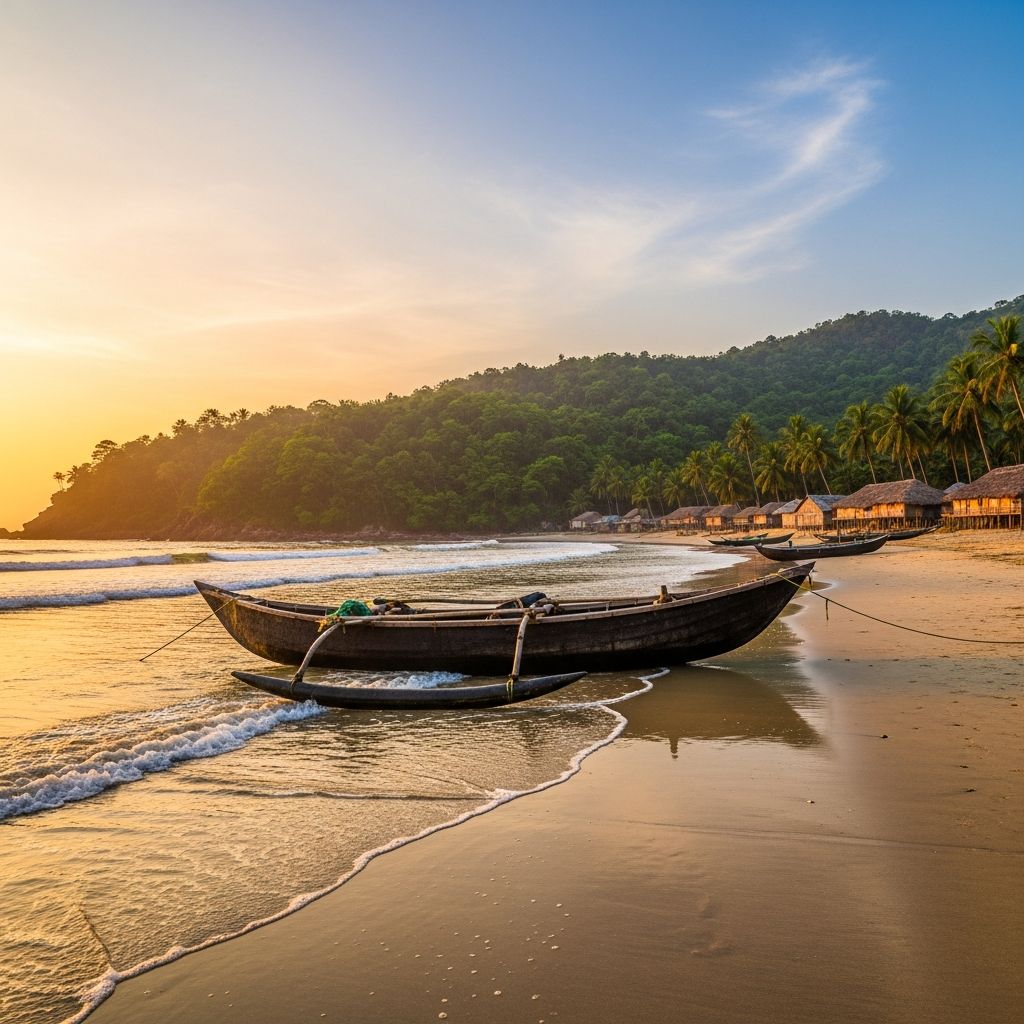
Kuakata beach offers a distinctive natural phenomenon—the ability to witness both sunrise and sunset over water from the same location. This geographical feature makes the location distinctive among South Asian beaches and creates unique photographic and contemplative opportunities. The beach environment itself remains less developed than Cox’s Bazar, providing a more intimate coastal experience.
Village Tourism and Agricultural Landscapes
Beyond formal tourist sites, Bangladesh’s rural villages and agricultural areas offer opportunities to observe how the majority of the population lives and works. These experiences provide cultural context that formal attractions cannot replicate.
Ruma and Mountain Communities
The village of Ruma, situated near Boga Lake in the hill tracts, exemplifies destinations where tourism integration remains minimal and community life continues relatively uninterrupted by tourism pressures. Visitors to such villages witness genuine daily activities and can participate in local customs and celebrations. The physical setting—mountains, forests, and cultural distinctiveness—creates environments dramatically different from urban centers.
Tea Worker Communities
Beyond observing tea plantations as commercial entities, interactions with tea worker communities reveal the social dimensions of agricultural production. Meeting local tea pickers and hearing about their work, families, and aspirations creates human connections that transcend typical tourist-guide relationships. These encounters provide context for understanding labor, community economics, and cultural transmission in agricultural societies.
Practical Considerations for Off-the-Beaten-Path Travel
| Destination Type | Best Travel Season | Primary Activities | Accessibility Level |
|---|---|---|---|
| Northern Archaeological Sites | October to March | Site exploration, museum visits, photography | Moderate (local transport available) |
| Tea Gardens | Year-round (best October-April) | Tea picking, estate tours, hiking | Moderate (organized tours recommended) |
| Hill Tracts | October to April | Trekking, cultural visits, camping | Challenging (guide essential) |
| Mangrove Forests | October to March | Boat expeditions, wildlife viewing | Moderate (organized tours necessary) |
| Floating Markets | Year-round (best dry season) | Market exploration, boat travel | Easy (local boats available) |
Cultural Respect and Responsible Travel
Traveling through Bangladesh’s less-visited areas requires cultural sensitivity and awareness of how tourism impacts communities. Respectful engagement means recognizing that villages and communities are not theme parks but living spaces where people conduct daily lives according to their own values and customs.
Photographing people requires explicit permission, particularly in intimate settings. Supporting local economies through purchases of handicrafts and locally-produced goods creates direct benefits for communities. Learning basic Bengali phrases demonstrates respect and facilitates meaningful interactions. Understanding historical contexts—including colonial histories and current social issues—provides framework for interpreting what you observe.
Why These Destinations Matter
Bangladesh’s hidden gems offer more than photographic opportunities or exotic experiences. They provide educational contexts for understanding historical development, ecological systems, cultural diversity, and community resilience. Traveling through these spaces creates personal transformation through direct engagement with different ways of living and understanding the world.
These destinations also distribute tourism benefits more equitably across the country, supporting economies in regions that receive minimal tourism revenue. By choosing lesser-known sites, travelers contribute to more sustainable tourism models that don’t concentrate impacts and benefits in singular famous locations.
Frequently Asked Questions
Do I need special permits to visit remote areas?
Some areas, particularly in the hill tracts, may require permits or have travel restrictions. Checking current conditions through official government sources or experienced local guides is essential before planning trips to sensitive border areas.
What languages are spoken in less-visited regions?
While Bengali is the national language, hill tract areas have indigenous languages. English speakers may encounter limited English proficiency outside major towns, making guides and phrasebooks valuable.
How should I arrange transportation to remote destinations?
Public transportation exists in most regions but may require multiple transfers. Local travel agencies and guesthouses can arrange reliable transportation and guides familiar with specific areas.
What should I pack for exploring these hidden destinations?
Comfortable walking shoes, weather-appropriate clothing, sun protection, and insect repellent are essentials. Medical supplies for minor ailments and any necessary prescription medications should accompany travelers.
Are accommodations available in remote areas?
Government rest houses, eco-lodges, and guesthouses exist in most areas, though options may be simpler than urban hotels. Booking in advance through local contacts is advisable in less-developed tourist areas.
Conclusion: Embracing Authentic Exploration
Bangladesh rewards travelers willing to venture beyond famous sites and engage authentically with communities and landscapes. These hidden destinations offer experiences that transform understanding of South Asian culture, history, and natural environments. The combination of archaeological significance, cultural richness, natural beauty, and genuine warmth from communities creates memories and insights that typical tourist experiences cannot replicate.
References
- A Complete 7-Day Travel Guide to Explore the Hidden Gems of North Bengal, Bangladesh — Tours and Trips Bangladesh. Accessed April 2026. https://toursntripsbd.com/explore-north-bengals-hidden-gems/
- Discover Off the Beaten Path Bangladesh — Deshghuri. Accessed April 2026. https://www.deshghuri.com/travel-blog/discover-off-the-beaten-path-bangladesh/
- Best Places to Visit in Bangladesh: Hidden Wonders Revealed — Penguin Travel. Accessed April 2026. https://www.penguintravel.com/Destination/21/0/0/Bangladesh.html
- 8 Must-Have Experiences in the Land of Bangladesh — tourHQ. Accessed April 2026. https://www.tourhq.com/article/revealing-the-unappreciated-splendor-8-must-have-experiences-in-the-land-of-bangladesh
- Seeking out Bangladesh’s hidden gems — Lonely Planet. Accessed April 2026. https://www.lonelyplanet.com/articles/seeking-out-bangladeshs-hidden-gems
Similar Articles







Read full bio of Sneha Tete