Discovering Casco Viejo: Panama’s Historic Gem
Explore the cobblestone streets, vibrant plazas, and cultural treasures of Panama City's UNESCO-listed Casco Viejo neighborhood.
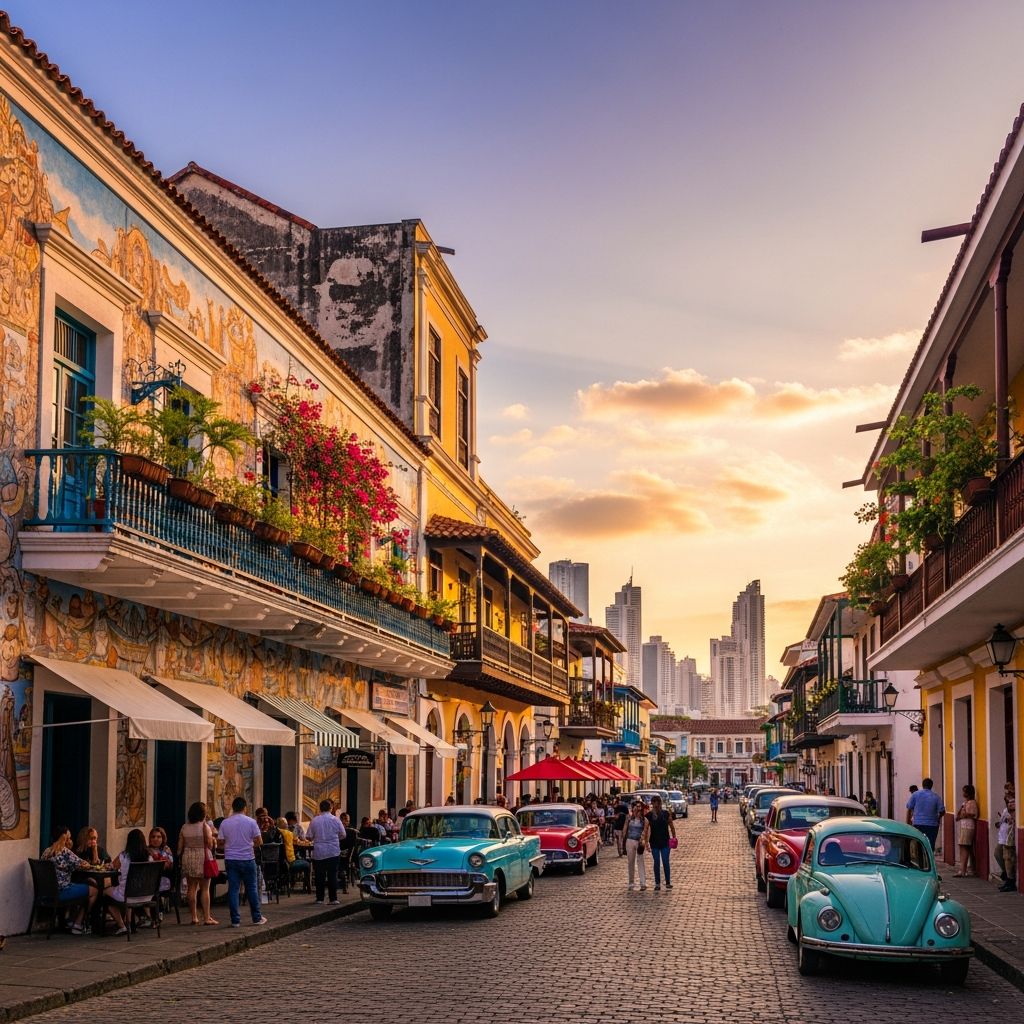
Casco Viejo, the beating historic heart of Panama City, captivates visitors with its blend of colonial elegance, resilient history, and modern vibrancy. This UNESCO World Heritage site, perched on a peninsula jutting into the Pacific, offers a compact yet immersive escape where narrow alleys reveal layers of Panama’s past—from Spanish fortifications to French canal ambitions and American influences. Revitalized from near-ruin in the late 20th century, it now buzzes with boutique hotels, artisanal shops, and culinary hotspots, all within easy walking distance.
A Journey Through Time: The Evolution of Casco Viejo
Founded in 1673 after pirate Henry Morgan razed the original Panama City (Panamá Viejo), Casco Viejo—also called Casco Antiguo or San Felipe—was built as a fortified refuge. Walled against invaders, it served as the city’s core for centuries, witnessing independence movements, canal construction dramas, and urban decay before a renaissance sparked by UNESCO designation in 1997. Today, its restored colonial buildings stand shoulder-to-shoulder with colorful murals and trendy eateries, creating a dynamic tapestry of preservation and innovation.
Walking its cobblestone streets feels like stepping into a living museum. Palm-lined avenues connect four key plazas, each with unique stories: grand architecture frames daily life, from street vendors hawking snow cones to artists painting patriotic scenes. The neighborhood’s revival, fueled by local investments and international recognition, transformed it from a no-go zone into Panama City’s most photogenic district.
Iconic Plazas: The Social Souls of Casco Viejo
Casco Viejo’s plazas are its pulse points, perfect for people-watching, café breaks, or historical deep dives. Here’s a guide to the must-visit squares:
- Plaza de la Independencia: The neighborhood’s lively core, dominated by the Metropolitan Cathedral Basilica (built 1688–1796). Surrounded by whitewashed facades and a quaint gazebo, it’s ideal for morning coffee amid colonial grandeur.
- Plaza de Francia: Honors France’s ill-fated Panama Canal attempt (1881–1889). Spot the quirky 18-meter rooster-topped obelisk amid manicured gardens—a nod to Gallic engineering pioneers.
- Plaza Herrera: Edged by ornate theaters and cafés, this spot hums with evening energy, statues commemorating independence heroes.
- Plaza Bolívar: A serene tribute to liberator Simón Bolívar, who hosted a pivotal 1826 congress here plotting South American unity.
These open spaces, often alive with musicians or markets, embody Casco Viejo’s communal spirit. Pro tip: Visit at dusk when lanterns illuminate the architecture.
Cultural Landmarks and Museums: Unraveling Panama’s Story
Dive deeper into history at Casco Viejo’s stellar museums and churches, housed in architectural gems.
Panama Canal Museum (Museo del Canal Interoceánico)
In a stately French neoclassical mansion on Plaza de la Independencia, this museum chronicles the canal’s epic saga—from indigenous paths to French failures (over 20,000 deaths) and U.S. triumph in 1914. Exhibits feature rare photos, maps, and artifacts illuminating Panama’s global connector role. It’s an essential primer before visiting the actual locks. Note: Closed Mondays.
Iglesia de San José and the Golden Altar
This unassuming church hides the Altar de Oro, a baroque masterpiece smuggled to safety during Morgan’s 1671 raid by priests who slathered it in mud and black paint, fooling the pirate into thinking it was junk. Restored to golden splendor, it’s a testament to cunning preservation amid plunder.
Metropolitan Cathedral and Other Sacred Sites
The hulking cathedral’s twin bell towers anchor Plaza de la Independencia. Inside, ornate altars and vaulted ceilings whisper of centuries-old devotion. Nearby, Iglesia de La Compañía de Jesús, a 1688 Jesuit convent reborn as Hotel La Compañía, blends faith and hospitality.
Street art by local legend Rolando “Rolo” de Sedas adds pops of color, with murals celebrating Panamanian identity splashed across facades.
Waterfront Wonders: Paseos and Sea Views
Casco Viejo’s peninsula location gifts panoramic Pacific vistas. Stroll Paseo Esteban Huertas (also Paseo de las Bóvedas), a bougainvillea-draped walkway atop 17th-century seawalls. Gaze at massive ships queuing for the canal, silhouetted against downtown skyscrapers—prime sunset photo ops. The path links Plaza de Francia to historic sites like the Arco Chato ruins, a flat arch once touted as an earthquake-proof marvel (now collapsed).
Nearby, Mercado de Mariscos buzzes at Cinta Costera’s start. This fish market overflows with spiny lobsters, shrimp pyramids, and filleted snapper. Upstairs restaurants serve sizzling ceviche—lime-marinated seafood with patacones (fried plantains)—fresh off the boats.
Culinary Delights: From Street Eats to Rooftop Feasts
Casco Viejo’s food scene fuses traditional Panamanian flavors with global twists. Savor:
| Spot | Specialty | Vibe |
|---|---|---|
| Fonda Lo Que Hay | Creative Panamanian fusion | Casual chic |
| Bruma Seafood | Fresh ceviche, grilled fish | Seafood haven |
| La Pulpería | Empanadas, local brews | Lively bar |
| Sisu or Casa Sucre | Artisanal coffee | Cozy cafés |
| CasaCasco Rooftop | Cocktails with skyline views | Trendy nightlife |
For hats, browse Calle de los Sombreros; for molas (Guna indigenous textiles), hit shops along the promenade. Ice cream carts and snow cone vendors add sweet street flair.
Practical Tips for Your Casco Viejo Adventure
- Best Time: Dry season (Dec–Apr) for balmy days; early mornings dodge crowds.
- Getting There: Taxi/Uber from downtown (~10 min); hop-on tours available.
- Safety: Vibrant but vigilant—stick to main paths, especially post-dark.
- Stay: Boutique options like American Trade Hotel offer historic immersion.
- Tours: Legends of Casco Viejo or bar crawls enhance discovery.
Frequently Asked Questions (FAQs)
Is Casco Viejo safe for tourists?
Yes, revitalized areas are tourist-friendly daytime; use caution at night and avoid edges.
How long to spend in Casco Viejo?
Half-day for highlights; 1–2 days for full immersion including meals and museums.
What if it rains?
Museums and covered paseos provide shelter; markets thrive regardless.
Family-friendly?
Absolutely—plazas, seawalls, ice cream, and short walks suit all ages.
Combine with Panama Canal?
Perfect—museum intro, then 45-min drive to Miraflores Locks.
References
- Panama City’s Casco Viejo: the complete guide — City Sightseeing. 2023. https://city-sightseeing.com/blog/en/guide-panama-casco-viejo
- 12 best things to do in Panama City, Panama — The Smooth Escape. 2024. https://www.thesmoothescape.com/things-to-do-in-panama-city/
- The 10 best things to do in Casco Viejo — Lonely Planet. 2023. https://www.lonelyplanet.com/articles/top-things-to-do-in-casco-viejo
- Things to Do in Casco Viejo Panama — Casco Viejo 360. 2024. https://cascoviejo360.com
- Our 12 Favourite Things to Do in Panama City — Hecktic Travels. 2022. https://www.hecktictravels.com/things-to-do-in-panama-city-panama/
Similar Articles




Read full bio of Sneha Tete