Discovering Eastern Tenerife’s Cultural Treasures
Uncover the authentic soul of Tenerife's east coast, from ancient Guanche heritage to serene beaches and spiritual sanctuaries.
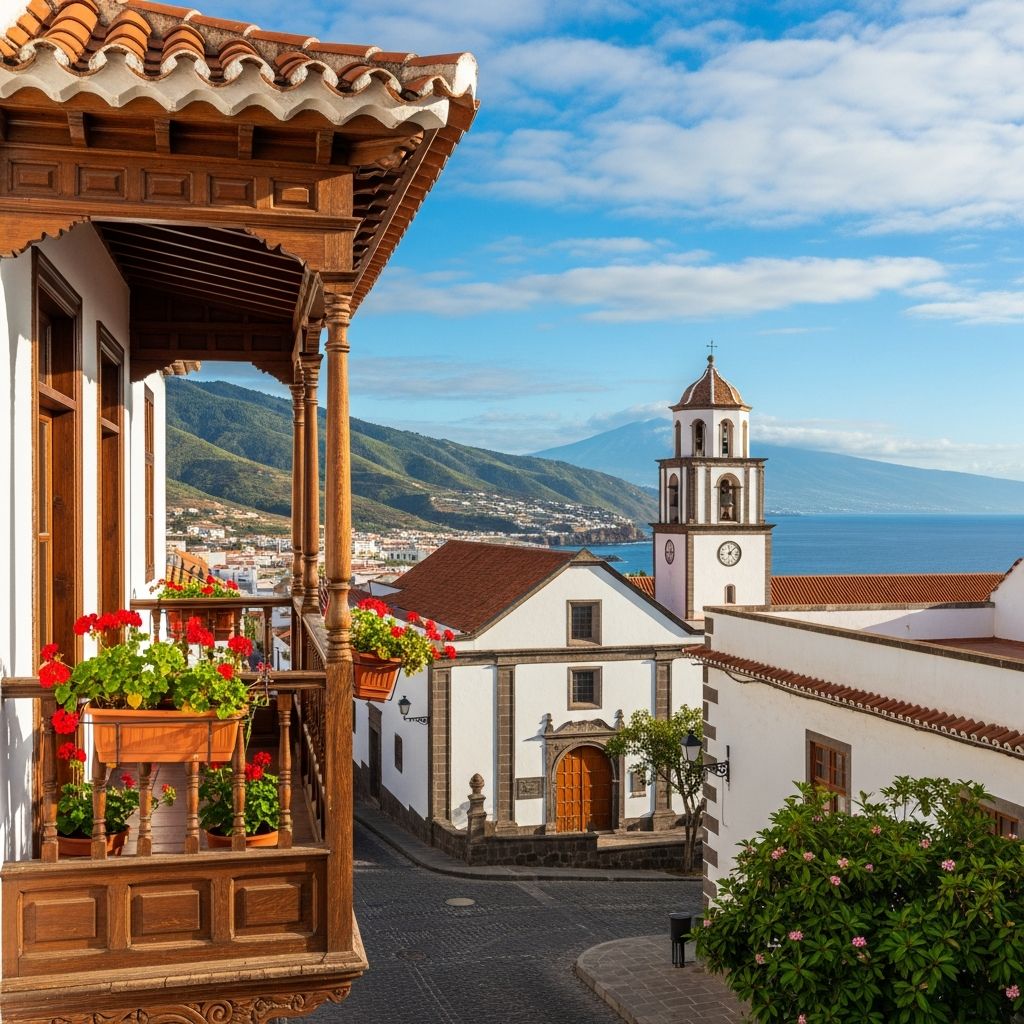
Eastern Tenerife offers a captivating blend of natural beauty, indigenous history, and vibrant local traditions that stand in stark contrast to the island’s bustling southern resorts. This region invites travelers to immerse themselves in the authentic Canarian way of life, where rugged coastlines meet ancient forests and spiritual landmarks draw pilgrims from across the archipelago.
The Allure of Coastal Fishing Hamlets
Beginning your exploration from the lively south, the drive eastward reveals a shift to tranquil seaside communities. El Médano emerges as a vibrant hub where golden sands stretch endlessly, interrupted only by the striking Montaña Roja volcanic cone. Here, the air buzzes with the energy of windsurfers and kitesurfers, their colorful sails dotting the horizon like a living tapestry. Local eateries line pedestrian-friendly lanes, serving hearty portions of fresh grilled fish and papas arrugadas—wrinkled potatoes doused in mojo sauce—without the clamor of mass tourism.
Further north lies Abades, a quiet fishing enclave cherished by dive enthusiasts. Crystal-clear waters teem with marine life, making it ideal for snorkeling amid coral gardens and lava formations. The village’s poignant history unfolds at its abandoned leper colony ruins, built during the Spanish Civil War era. These weathered structures, including a modest chapel, stand as silent witnesses to a challenging past, now freely accessible for reflective wanderings.
Sacred Grounds and Guanche Legacy in Candelaria
No visit to eastern Tenerife is complete without experiencing Candelaria, a coastal town revered as the Canary Islands’ spiritual heart. Dominating the scene is the Basilica of Our Lady of Candelaria, home to the Virgin who serves as the islands’ patron saint. Pilgrims flock here annually, especially during the Fiesta de la Virgen on August 15, filling the plaza with processions, music, and fervent devotion. The adjacent cliffs house caves once inhabited by the Guanches, Tenerife’s indigenous Berber descendants, whose mummified remains and artifacts offer glimpses into pre-Hispanic life.
Scattered around Candelaria are bronze statues of the nine Menceys, the Guanche kings who ruled divided territories before Spanish conquest. These imposing figures line the waterfront promenade, symbolizing resilience and cultural pride. For deeper insights, the Cenobio de Valerón nearby showcases ancient granaries carved into volcanic rock, used by Guanches to store gofio—a staple roasted grain flour still central to Canarian cuisine today.
- Key Guanche Sites: Mencey statues, pilgrimage caves, and rock silos.
- Annual Events: Patron saint festival with parades and traditional dances.
- Culinary Ties: Gofio-based dishes linking past and present.
Historical Depths of San Cristóbal de La Laguna
Nestled inland, San Cristóbal de La Laguna stands as a UNESCO World Heritage gem, embodying colonial architecture that influenced Latin American urban planning. Cobblestone streets wind past colorful mansions, convents, and the neoclassical cathedral, evoking a timeless elegance. The Museo de la Historia de Tenerife unravels the island’s narrative, from Guanche resistance to waves of emigration that forged ties with Venezuela and Cuba—explaining the rhythmic latino flair in local folk music like the timple and chácaras.
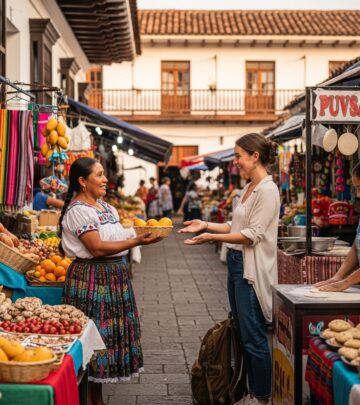
La Laguna’s vibrant markets brim with artisanal cheeses, honey from endemic laurel forests, and embroidered linens, reflecting enduring crafts. Wander to the old town hall, now a branch of the Tenerife Espacio de las Artes (TEA), hosting contemporary exhibits that bridge historical roots with modern creativity.
Seaside Delights at San Andrés and Playa de las Teresitas
Heading northeast toward Santa Cruz, San Andrés enchants with its black-sand heritage beach transformed by imported golden grains into Playa de las Teresitas—a palm-fringed paradise backed by dramatic cliffs. The Cofradía de Pescadores, a fisherman’s cooperative restaurant right on the sand, epitomizes freshness: diners feast on catch-of-the-day caldereta (fish stew) prepared by the very hands that hauled it in that morning.
| Beach Feature | Description |
|---|---|
| Sand Origin | Imported Saharan dunes for unique golden hue |
| Water Clarity | Turquoise shallows perfect for swimming |
| Signature Dish | Seafood paella at beachfront cofradía |
| Access | Short bus from Santa Cruz; ample parking |
Adventures in the Anaga Rural Park
The crown jewel of eastern Tenerife, Anaga Rural Park, is a UNESCO Biosphere Reserve cloaked in misty laurel forests—relics of prehistoric subtropical ecosystems. Over 100 km of marked trails, known as caminos reales (royal paths), trace Guanche herding routes through laurel mazes, endemic fern glades, and vertigo-inducing viewpoints like Pico del Inglés. The Cruz del Carmen Visitor Center provides trail maps, flora exhibits, and a serene chapel amid the greenery.
Hiking options suit all levels: the gentle Sendero de los Sentidos engages senses with aromatic plants, while strenuous routes to Taganana village reward with panoramic ocean vistas and gofio farms. Birdwatchers spot rare Tenerife blue chaffinches, and the park’s microclimates yield unique wines from Listán Negro vines.
- Start at Cruz del Carmen for orientation.
- Choose trails: short sensory walks or full-day epics.
- Pack water, sturdy shoes, and layers for fog.
Immersing in Local Traditions and Festivals
Canarian culture thrives through communal fiestas blending Catholic rites with pagan echoes. In Candelaria, Carnival explodes with murgas—satirical choirs—and the Cosito children’s parade. El Médano’s Romería de San Blas honors the saint with flower-decked ox carts and folk dances. Pottery workshops in Güímar valley produce whistle figures (silbos), while music festivals showcase parranda groups strumming timples under starlit skies.
Food festivals highlight conejo en salmorejo (rabbit in spicy marinade) and bienmesabe—a honey-almond dessert symbolizing abundance. These events foster a sense of belonging, where visitors join locals in romerías (pilgrimages) and bailes de magos (magic dances).
Practical Tips for Cultural Explorers
Public buses (Titsa lines 10, 15, 910) connect key spots efficiently. Rent a car for flexibility amid winding roads. Best times: spring for blooms, summer for fiestas. Stay in boutique posadas or agroturismos for authentic stays. Respect nature—stick to trails, avoid feeding wildlife.
Frequently Asked Questions
What makes eastern Tenerife culturally unique?
Its blend of Guanche indigenous roots, Spanish colonial history, and preserved rural traditions sets it apart from tourist-heavy areas.
Is Candelaria worth a day trip?
Absolutely—combine basilica visits, Mencey statues, and cliff hikes for a full cultural immersion.
Best hikes in Anaga?
Try the 4-hour Taganana loop or accessible Cruz del Carmen paths for varied terrain and views.
Where to eat fresh seafood?
Cofradía de Pescadores in San Andrés or beach shacks in El Médano.
Any entry fees for sites?
Most are free; museums charge €3-5; Anaga center entry is gratis.
References
- UNESCO World Heritage Centre – San Cristóbal de La Laguna — UNESCO. 2023-01-15. https://whc.unesco.org/en/list/1420/
- Anaga Rural Park Official Guide — Cabildo de Tenerife (Government). 2024-05-20. https://www.webtenerife.com/anaga/
- Instituto de Estudios Canarios – Guanche Archaeology — University of La Laguna (.edu). 2022-11-10. https://www.ull.es/iec/
- Basilica of Candelaria Historical Overview — Archdiocese of Tenerife (Official). 2023-08-01. https://www.diocesisdetenerife.org/basilicacandelaria/
- Canary Islands Biosphere Reserves — UNESCO Man and the Biosphere Programme. 2024-02-28. https://en.unesco.org/biosphere/europe-north-canary-islands/anaga
Similar Articles






Read full bio of medha deb