
Discovering Spain’s Mediterranean Coastline
Navigate 1,660km of diverse coastal landscapes and hidden gems
Discovering Spain’s Mediterranean Coastline: A Comprehensive Guide to Coastal Exploration
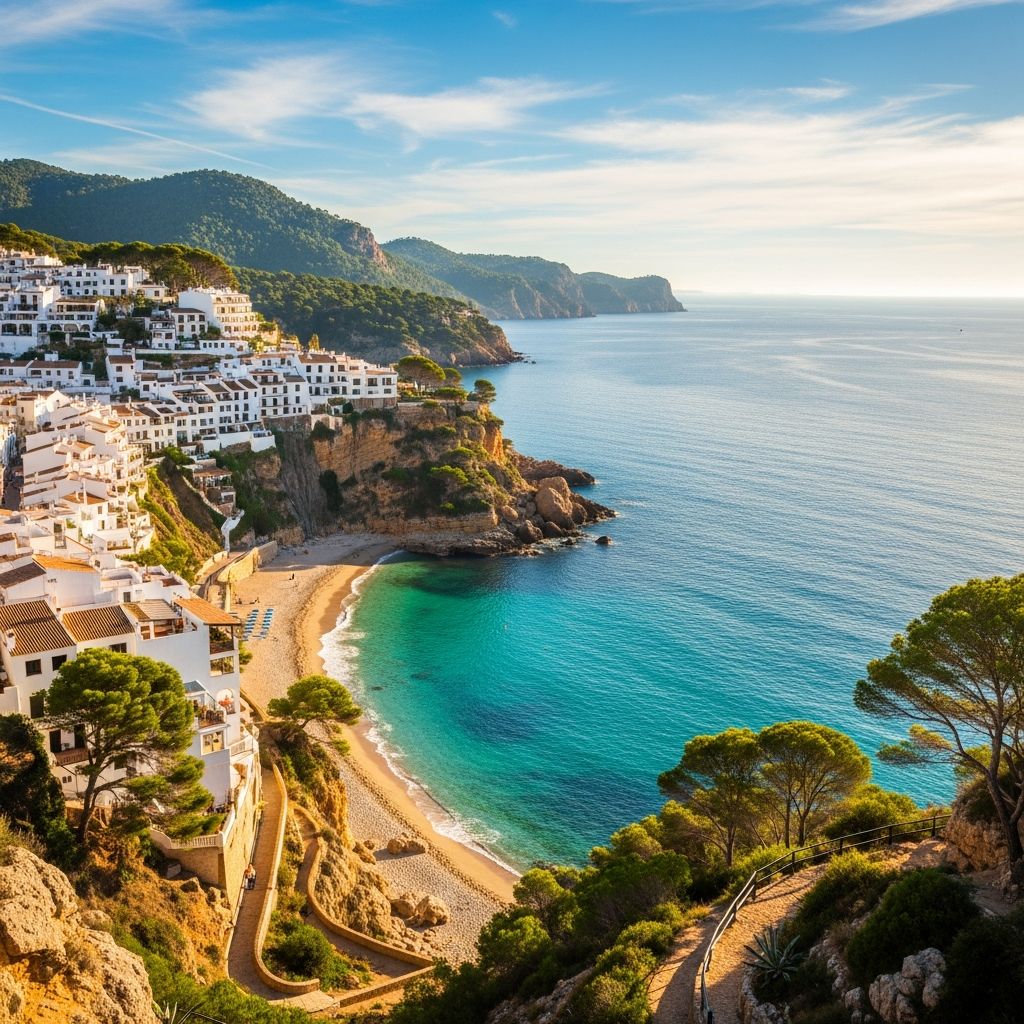
Spain’s Mediterranean coast stretches across 1,660 kilometers of remarkable terrain, offering far more than the stereotypical image of overcrowded resorts and commercialized beaches. This extensive shoreline extends from Tarifa in the province of Cádiz, Europe’s southernmost point, to the dramatic rocky cliffs of Cabo de Creus where Spain meets France in northern Catalonia. The diversity found along this vast expanse creates opportunities for travelers to experience authentic Spanish culture, pristine natural landscapes, and charming villages that remain largely untouched by mass tourism.
Understanding the Regional Divisions
The Mediterranean coast of Spain comprises several distinct regions, each with unique characteristics that appeal to different types of travelers. Rather than viewing the entire coast as a monolithic destination, understanding these regional distinctions helps travelers plan more meaningful journeys.
The Northern Coastal Region begins at Cabo de Creus and extends southward through Catalonia. This area features dramatic cliffs, coves, and a rocky Mediterranean backdrop that differs significantly from the sandy beaches further south. The Costa Brava represents one of Europe’s most iconic coastal stretches, running 200 kilometers from the French border and establishing the foundation for an exceptional road trip experience.
The Central Mediterranean Zones include the Costa Daurada in Tarragona province, which features distinctive golden-hued beaches. While many coastal towns here have succumbed to mass tourism development, the inland areas remain criminally underrated, particularly the gorgeous national parks of Serra del Montsant and Poblet. The Ebro Delta represents one of Europe’s largest wetland areas and appeals strongly to travelers with environmental interests. Unspoilt villages such as Altafulla function as unconventional bases for regional exploration.
The Eastern and Southern Regions encompass the Costa del Sol, Costa Tropical, and Costa Almeria. The Costa Almeria boasts over 1,000 kilometers of coastline with beaches that rank among the most varied and least busy in Spain. The Costa Tropical, representing the Granada coastline, provides the newest Costas experience. The Costa del Sol, while well-developed, still offers extensive stretches of fine sand and warm Mediterranean waters.
Planning Your Coastal Route
Successful Mediterranean coast exploration requires thoughtful route planning that balances distance with meaningful stops. The most common approach involves traveling from north to south or vice versa, allowing gradual adjustment to changing landscapes and atmospheres.
Route Considerations
- Coastal road travel proceeds at slower speeds while passing through all towns and villages, providing intimate engagement with local communities
- Slightly inland routes function as highways with minimal coastal visibility, trading scenic views for faster travel times
- A complete Barcelona to Tarifa journey spans approximately 9 hours without stops, suggesting strategic itinerary planning
- Seasonal considerations significantly impact beach time utilization and crowd levels
- One-week itineraries allow for meaningful exploration of 3-5 major destinations with adequate time for discovery
Landscape Evolution Along the Coast
One of the most compelling aspects of Mediterranean coastal travel involves witnessing dramatic landscape transformations as travelers progress along the shoreline. Initial sections near major urban centers often feature industrial elements—drab fields, warehouses, and exploited seaside villages with standardized residential development. However, this initial visual experience should not discourage travelers, as significant charm emerges in subsequent stops.
As travelers venture westward, the terrain progressively becomes more appealing. Flat agricultural fields gradually transition to rolling hills and jagged peaks, creating increasingly dramatic vistas. The rocky formations and natural geological features become more prominent, offering photographers and nature enthusiasts exceptional opportunities for compelling imagery and experiences.
This landscape progression reveals the Mediterranean coast’s genuine character—a place where human development and natural beauty engage in constant dialogue. Understanding this evolution helps travelers maintain realistic expectations during initial coastal segments while building anticipation for increasingly scenic portions ahead.
Cultural and Historical Attractions
Beyond natural landscapes, Spain’s Mediterranean coast offers remarkable cultural and historical attractions that provide context for understanding Spanish civilization and heritage. Seaside towns frequently feature accessible castles and defensive structures that once protected coastal communities from maritime threats. These historical sites, often lacking the overwhelming crowds found at more famous Spanish destinations, provide authentic glimpses into medieval Spanish history.
Inland detours from coastal routes reveal additional treasures. Granada, situated inland from the Mediterranean coast, hosts the Alhambra—an enormous palace and complex featuring extraordinary Islamic architecture originating from 1238. This UNESCO World Heritage site represents one of Spain’s most significant cultural attractions and justifies dedicated exploration time.
Charming beach promenades in smaller coastal villages offer relaxation opportunities combined with authentic local atmosphere. Long beach walks provide natural spaces for reflection while observing Spanish lifestyle patterns in genuine settings rather than tourist-oriented environments.
Natural Wonders and Protected Areas
Spain’s Mediterranean coast encompasses numerous natural attractions that deserve dedicated exploration:
- Serra del Montsant national park features dramatic geological formations and hiking opportunities
- Poblet monastery and surrounding landscapes combine historical and natural significance
- Ebro Delta wetlands support diverse bird species and represent critical ecological zones
- Penyal d’Ifac in Calpe showcases distinctive rock formations rising directly from the Mediterranean
- Coves de Sant Josep features subterranean river systems and geological formations
- Cala del Moraig beaches combine stunning turquoise waters with unique stone formations
Accommodation and Logistical Planning
Successful Mediterranean coastal road trips depend significantly on appropriate accommodation choices and reliable transportation arrangements. The region features various lodging options suited to different travel styles and budget levels.
Camping and Resort Accommodations line the Mediterranean coast, with many facilities offering direct beach access, swimming facilities, and on-site activities. Resort-style camping sites frequently feature extensive amenities including multiple pools, beach bars, windsurfing schools, and ongoing facility improvements. These accommodations provide comfortable bases for extended coastal exploration while maintaining accessible price points.
Vehicle Options include rental cars suitable for independent travelers seeking maximum flexibility. Established rental agencies operate throughout the region, allowing visitors to arrange transportation at various points along the coast. Alternatively, private drivers provide comfortable transportation while eliminating navigation stress, particularly valuable during evening hours or unfamiliar terrain sections.
Public Transportation connections supplement driving options, with train services linking major coastal and inland cities. Barcelona connections to Granada, Málaga, and other significant destinations provide alternatives to continuous coastal driving.
Seasonal Dynamics and Travel Timing
Mediterranean coastal travel experiences significant seasonal variation affecting weather, crowd levels, and beach accessibility. Winter months (November through February) provide cooler temperatures and reduced beach tourism, creating opportunities for quieter exploration but limiting swimming enjoyment. Spring and autumn present optimal conditions with moderate temperatures, manageable crowds, and beach-friendly weather.
Summer tourism peaks from June through August, bringing larger crowds, higher accommodation prices, and busier beaches. However, summer offers guaranteed warm weather and maximum daylight hours for exploration. Planning Mediterranean coast travel during shoulder seasons (April-May and September-October) balances favorable weather with reduced commercial pressures.
Practical Travel Tips
Experienced Mediterranean coast travelers recommend several practical approaches for maximizing journey enjoyment:
- Research specific regional interests before finalizing routes, as certain areas cater better to particular traveler preferences
- Allow flexibility within itineraries to accommodate unexpected discoveries and spontaneous explorations
- Consider slower travel pacing that emphasizes depth over geographic coverage
- Combine coastal driving with strategic inland detours to experience landscape diversity
- Investigate less-developed villages and towns as primary bases rather than concentrating exclusively on major destinations
- Use evening hours for reflection on observed Spanish cultural patterns and authentic local experiences
Beyond the Spanish Coast: Regional Connections
Strategic planning enables travelers to incorporate adjacent experiences into Mediterranean coastal itineraries. Ferry connections from southern Spanish ports facilitate exploration of North African destinations, particularly Tangier from southern Andalusian ports. These cross-Mediterranean connections provide opportunities for extended journeys incorporating multiple cultural and geographic regions.
Alternatively, travelers completing Mediterranean coastal exploration might continue northward toward the Bay of Biscay and Spain’s Atlantic coast, known for dramatic cliff formations and authentic fishing communities distinct from Mediterranean environments.
Dispelling Mediterranean Stereotypes
Spain’s Mediterranean coast reputation often centers on Costa del Sol-style tourist traps—crowded beaches, expensive restaurants, and commercialized entertainment. However, extensive coastline provides numerous opportunities for travelers seeking authentic Spanish experiences beyond these stereotypical destinations. Unspoilt villages, accessible historical sites, fragrant orange groves, and dramatic natural landscapes await travelers willing to venture beyond established tourist routes.
The Mediterranean coast’s true character emerges through leisurely exploration that prioritizes meaningful discovery over rapid geographic coverage. This approach reveals charming beach communities, historic architecture, protected natural areas, and genuine Spanish culture that comprehensive tourism guides frequently overlook.
Frequently Asked Questions
How long should I allocate for Mediterranean coast exploration?
One-week itineraries allow meaningful exploration of 3-5 major destinations with adequate discovery time. Longer journeys enable deeper regional engagement and flexibility for unexpected discoveries. Barcelona to Tarifa represents approximately 9 hours of driving without stops, requiring strategic planning for multi-stop experiences.
Which coastal season offers optimal travel conditions?
Spring (April-May) and autumn (September-October) provide balanced conditions combining favorable weather with reduced tourism. Summer ensures consistent warmth but brings larger crowds. Winter offers peaceful exploration with cooler temperatures unsuitable for extended beach activities.
Should I drive the entire coast or focus on specific regions?
Coastal road travel progresses slowly through towns and villages, enabling intimate community engagement. Inland routes sacrifice coastal visibility for faster travel. Combining both approaches—coastal driving in scenic sections with strategic inland routes—optimizes travel efficiency while maintaining meaningful experiences.
What distinguishes different Costa regions?
Costa Brava features rocky formations and dramatic cliffs. Costa Daurada offers golden beaches with underrated inland parks. Costa del Sol provides extensive sandy beaches despite development. Costa Almeria showcases the most varied beaches with minimal crowding. Each region appeals differently depending on traveler preferences.
Are there authentic destinations beyond tourist-focused areas?
Numerous unspoilt villages like Altafulla provide unconventional exploration bases. Smaller coastal towns feature accessible castles lacking typical tourist crowds. Inland areas near major coast cities contain remarkable natural parks and historical sites overlooked by mass tourism.
References
- Road Trip Along Spain’s Mediterranean Coast from Barcelona to Marbella — Inga’s Adventures. 2026-02-06. https://ingasadventures.com/2026/02/06/spain-mediterranean-road-trip/
- Spain’s Mediterranean Coast – A Coastal Road Trip — Alan Rogers. https://alanrogers.com/articles/camping-caravan-road-trips/spains-mediterranean-coast-a-coastal-road-trip
- A Road Trip Along Spain’s Sun-Drenched Mediterranean Coast — FWT Magazine. https://fwtmagazine.com/a-road-trip-along-spains-sun-drenched-mediterranean-coast/
- Road-tripping Spain’s Mediterranean Coast — Lonely Planet. https://www.lonelyplanet.com/articles/road-tripping-spains-mediterranean-coast
- Spain Road Trip – Exploring the Mediterranean Coast | A Travel Vlog — YouTube Travel Documentation. https://www.youtube.com/watch?v=VBSilNnMqTI
Similar Articles






Read full bio of Sneha Tete