Discovering Tucson: Arizona’s Desert Gem
Explore sun-soaked deserts, cultural heritage, and outdoor adventures
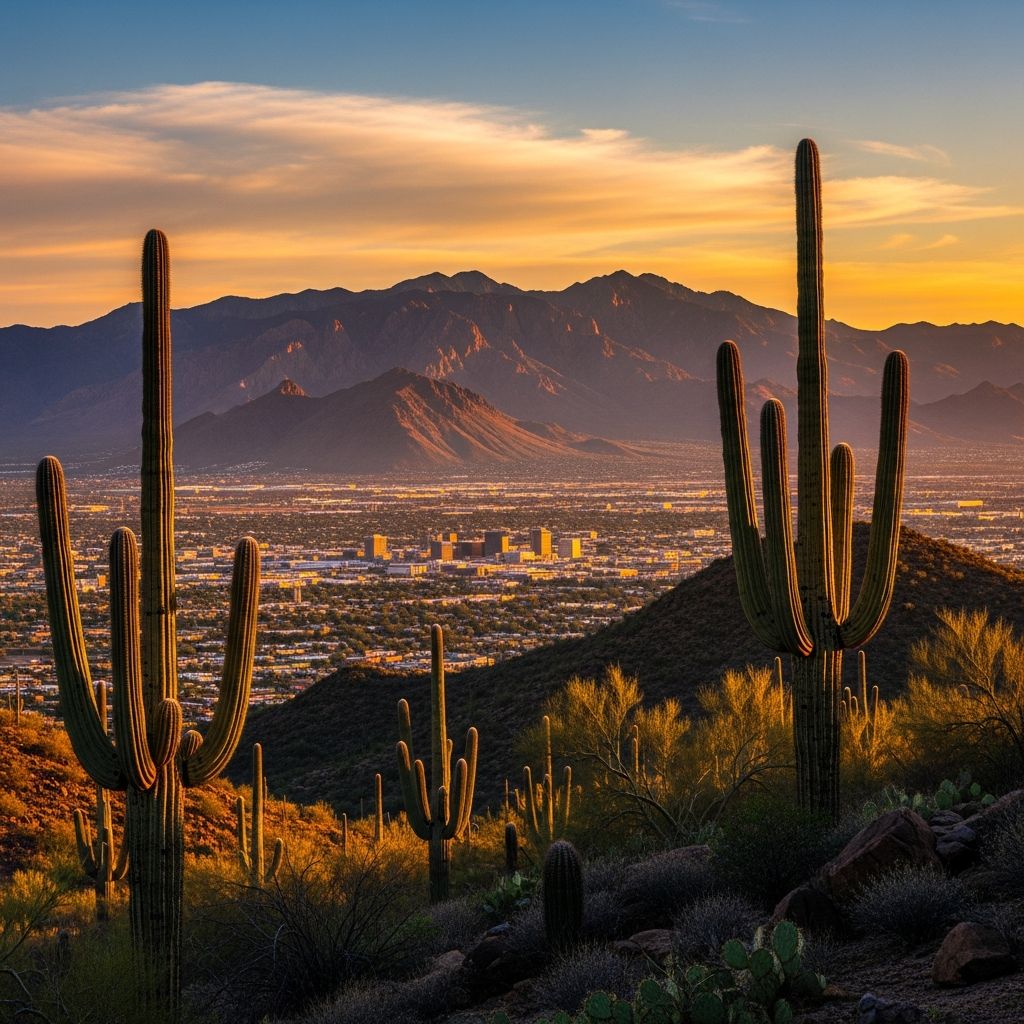
Nestled within the Sonoran Mountains, Tucson stands as Arizona’s second-largest metropolitan area and represents one of the most compelling destinations in the American Southwest. This vibrant city combines natural wonders, rich cultural traditions, and exceptional culinary experiences into a destination that appeals to diverse travelers. With over 350 days of annual sunshine, Tucson provides an ideal environment for outdoor enthusiasts and those seeking respite from colder climates.
The region’s unique blend of influences stems from its complex historical trajectory, having existed under multiple flags throughout its development. From Spanish colonial foundations to contemporary American governance, this layered past continues to shape the city’s identity and attractions today.
Climate Considerations and Planning Your Visit
Tucson’s climate presents both opportunities and challenges for visitors. The desert environment creates dramatic temperature fluctuations, with summers reaching extreme heat levels that have occasionally broken regional records. However, strategic planning can transform these conditions into advantages rather than obstacles.
Understanding seasonal patterns helps travelers maximize their experience. The cooler months from October through April provide optimal conditions for outdoor exploration. During warmer periods, visitors can adopt alternative strategies: scheduling outdoor activities during early morning hours or late afternoon, utilizing air-conditioned attractions during midday heat, and enjoying poolside relaxation while appreciating the distinctive desert panoramas.
Navigating the City: Transportation Options
Tucson offers multiple transportation solutions catering to different travel styles and preferences. The Sun Link streetcar system provides convenient urban transit, facilitating movement through central areas and major attractions. The city’s design encourages pedestrian exploration, with dedicated infrastructure supporting walking throughout downtown and cultural districts.
For cycling enthusiasts, Tucson’s reputation as a bike-friendly destination is well-deserved. The comprehensive network of dedicated lanes and paved pathways, including the renowned 137-mile Chuck Huckelberry Loop, provides extensive opportunities for two-wheeled exploration. This infrastructure enables visitors to experience neighborhoods and natural areas at a pace that encourages discovery and interaction with local communities.
Visitors planning to venture beyond central Tucson should consider vehicle rental. A personal automobile provides flexibility for reaching distant attractions, national parks, and scenic areas that characterize the greater region. This independence proves particularly valuable for travelers with specific interests or limited time windows.
Iconic Natural Attractions
Desert Botanical and Zoological Integration
The Arizona-Sonora Desert Museum represents far more than a traditional museum experience. Spanning 98 acres, this integrated facility merges zoological, botanical, and natural history components into a unified exploration space. Rather than viewing exhibits behind barriers, visitors traverse actual desert landscapes while encountering native fauna in naturalistic settings.
The facility’s cactus collection deserves particular attention. Walking through the Cactus Garden provides intimate exposure to numerous species, from common prickly pear varieties to specialized forms like cholla and organ pipe cactus. Native wildlife observations might include javelinas, river otters, and numerous bird species adapted to desert environments.
Monumental Saguaro Ecosystems
Saguaro National Park presents visitors with landscapes dominated by the iconic saguaro cactus, species that define visual perceptions of the American Southwest. The park’s organization into distinct geographical zones—the Tucson Mountain District to the west and the Rincon Mountain District to the east—offers different experiences and densities of saguaro populations.
The western district attracts larger visitor volumes due to concentrated saguaro concentrations. The six-mile Scenic Bajada Loop Drive provides vehicular access through representative landscapes. The Signal Hill Trail offers elevated perspectives revealing ancient petroglyphs, connecting contemporary visitors with indigenous histories spanning centuries.
Urban Cultural Districts
Fourth Avenue: Artistic and Creative Heart
Fourth Avenue embodies Tucson’s contemporary cultural identity, functioning as the nexus for artistic expression, alternative retail, and progressive community values. This historic thoroughfare showcases local creativity through street art, independent galleries, bookstores catering to specialized interests, and culinary establishments reflecting diverse cuisines.
The avenue’s character emerges through seasonal events and local celebrations that reinforce community identity. The Winter Street Fair and Pets of Pima Parade draw participants and spectators, transforming public spaces into interactive celebrations of local culture. These gatherings create opportunities for visitors to engage authentically with resident communities.
Educational and Historical Institutions
Aviation and Aerospace Heritage
The Pima Air & Space Museum preserves and displays an extensive collection of aircraft spanning aviation history from early experimental models through contemporary aerospace technology. This institution serves both educational and commemorative purposes, providing context for aeronautical development while honoring contributions of aviation pioneers and military personnel.
The museum’s collection depth and organization allow visitors with varying levels of aviation interest to find compelling content. Casual visitors gain appreciation for technological evolution, while enthusiasts discover detailed specifications and historical narratives enriching their understanding.
Gastronomic Excellence
Tucson’s recognition as a UNESCO City of Gastronomy reflects the region’s distinctive culinary traditions and contemporary food innovation. Mexican influences, indigenous ingredients, and regional agricultural production combine to create a unique foodscape that distinguishes Tucson from other American cities.
The local food scene extends beyond individual restaurants to encompass farmers markets, food festivals, and culinary events celebrating regional ingredients and preparation techniques. Visitors interested in authentic Mexican cuisine will discover establishments operated by families with multigenerational connections to traditional recipes and methods.
Wine Country Exploration
Proximity to established wine-producing regions provides opportunities for visitors interested in viticulture and wine appreciation. Arizona’s wine industry represents a significant agricultural sector, with particular concentrations in areas accessible from Tucson. Approximately 70% of the state’s grape production occurs within accessible distances, supporting multiple wineries and tasting venues.
Wine country visits combine agricultural tourism, scenic landscape appreciation, and culinary experiences. Many establishments pair wine selections with regional foods, creating comprehensive gustatory experiences that reflect local agricultural production and culinary traditions.
Extended Regional Excursions
Mountain Scenery and Elevation Changes
The Mount Lemmon Scenic Drive, also designated as part of the Sky Island Scenic Byway system, provides access to dramatically different ecosystems within short distances. This route demonstrates how elevation changes in mountainous regions create distinct climate zones supporting different vegetation communities and wildlife populations.
Summerhaven, located at higher elevations, offers respite from valley heat while providing forest environments contrasting sharply with low-desert landscapes. This elevation variation appeals to visitors interested in understanding regional ecology and experiencing multiple environments during single trips.
Monumental Geological Formations
The Chiricahua National Monument showcases distinctive geological formations and dramatic topography created through volcanic activity and erosion processes. Located within practical driving distances, this monument provides opportunities for experiencing landscapes fundamentally different from valley environments.
Trip Duration Recommendations
Long Weekend Itineraries
Three to four days allows comprehensive coverage of major attractions without excessive rushing. A typical long weekend itinerary would include:
- Full day at Arizona-Sonora Desert Museum with afternoon exploration of Fourth Avenue
- Saguaro National Park visit with scenic drives and short hiking
- Pima Air & Space Museum exploration
- Downtown dining and cultural district walking
Extended Visits
Visitors with additional time can venture beyond immediate urban areas to reach regional attractions like Chiricahua National Monument and wine country destinations. Extended stays allow deeper engagement with individual attractions and opportunities for spontaneous discoveries often missed during rushed itineraries.
Visitor Logistics
Seasonal Considerations
| Season | Temperature Range | Conditions | Best Activities |
|---|---|---|---|
| Fall (Oct-Nov) | 70-85°F | Ideal weather beginning | Outdoor exploration, hiking |
| Winter (Dec-Feb) | 50-70°F | Cool, occasional rain | All outdoor activities, wine tasting |
| Spring (Mar-May) | 75-95°F | Warming trend begins | Desert blooms, hiking, museums |
| Summer (Jun-Sep) | 95-115°F | Extreme heat, monsoons | Indoor attractions, early morning outings |
Accommodation and Dining
Tucson offers diverse lodging options ranging from luxury resort properties to budget-conscious hotels and vacation rentals. Many establishments feature pool facilities capitalizing on warm climate conditions. Resort properties often incorporate spa services and upscale dining venues.
Restaurant selections span international cuisines with particular depth in Mexican traditions. From casual taco stands to refined dining establishments, visitors find options reflecting various price points and ingredient philosophies. Contemporary restaurants increasingly emphasize local and regional ingredient sourcing, connecting diners directly to agricultural producers.
Frequently Asked Questions
What is the best time to visit Tucson?
The optimal visiting period spans October through April, when temperatures range from mild to warm without extreme heat. This window provides ideal conditions for outdoor activities and exploration without requiring intensive heat management strategies.
How many days should I allocate for a Tucson visit?
Three to four days allows comprehensive coverage of primary attractions. Visitors seeking deeper regional exploration or interested in specific specialized topics might benefit from extended stays of five to seven days.
Is Tucson suitable for families with children?
Tucson provides numerous family-friendly attractions including the Arizona-Sonora Desert Museum, Saguaro National Park, and Pima Air & Space Museum. The climate and outdoor infrastructure support recreational activities appealing to various age groups.
What unique cuisines define Tucson’s food scene?
Mexican cuisine represents the dominant culinary tradition, reflecting historical influences and regional agricultural production. Contemporary restaurants integrate indigenous ingredients and preparation techniques with modern culinary approaches.
Are outdoor activities possible during summer months?
Summer requires strategic planning, focusing on early morning and late afternoon activities while utilizing air-conditioned attractions during peak heat hours. Pool facilities and shaded recreational areas provide alternatives during midday periods.
References
- A First-Time Guide to Tucson — Lonely Planet. https://www.lonelyplanet.com/articles/guide-to-tucson-arizona
- Tucson Travel Guide — Forbes Travel Guide. https://www.forbestravelguide.com/destinations/tucson-arizona/travel-guide
- Visit Tucson, Arizona: Hotels, Restaurants & Things To Do — Visit Tucson Official Tourism. https://www.visittucson.org
- TUCSON | Visit Arizona — Visit Arizona. https://www.visitarizona.com/places/cities/tucson
- The 15 Best Things to Do in Tucson (2026) — TripAdvisor. https://www.tripadvisor.com/Attractions-g60950-Activities-Tucson_Arizona.html
Similar Articles






Read full bio of Sneha Tete