
Discovering Tuscany’s Culinary Treasures
Explore authentic Tuscan flavors through regional specialties and traditional dining experiences
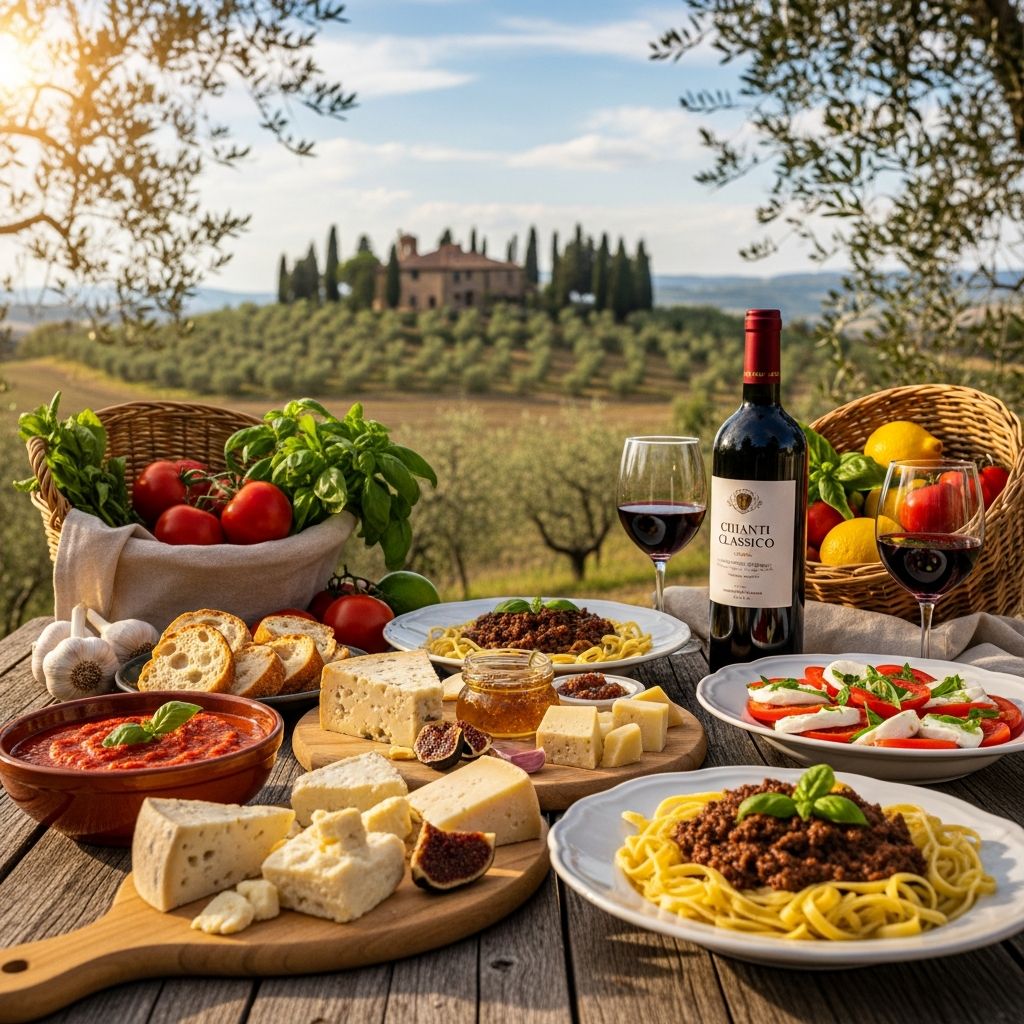
Discovering Tuscany’s Culinary Treasures: A Guide to Italy’s Most Gastronomic Region
Tuscany stands as one of Europe’s premier destinations for food enthusiasts, offering an extraordinary blend of traditional cooking methods, locally-sourced ingredients, and centuries-old recipes. The region’s commitment to quality over quantity has established it as a model for slow food principles and sustainable agriculture. For travelers seeking authentic gastronomic experiences, Tuscany provides countless opportunities to engage with food culture at its deepest level, from intimate farmhouse kitchens to celebrated restaurants tucked away in medieval villages.
The Foundation of Tuscan Gastronomy
Understanding Tuscan cuisine requires recognizing the region’s agricultural heritage and its deep connection to the land. The Tuscan landscape—characterized by rolling hills, cypress-lined valleys, and sun-drenched vineyards—directly influences what appears on local tables. The philosophy of using seasonal, locally-grown ingredients remains paramount, with farmers, artisans, and chefs working in concert to maintain traditional food production methods.
The region’s food identity centers on simplicity and authenticity. Rather than complex techniques or elaborate presentations, Tuscan cooking prioritizes the natural flavors of high-quality ingredients. Olive oil, wine, beans, bread, and locally-raised animals form the backbone of most traditional dishes. This approach reflects generations of practical cooking, where resourcefulness and respect for ingredients shaped culinary traditions.
Distinctive Regional Protein Traditions
Tuscany’s meat culture showcases specialized animal husbandry practices developed over centuries. The region produces several protected and celebrated protein sources that define local gastronomy.
- Chianina Beef: This ancient cattle breed, named after the Chiana Valley, produces exceptionally tender meat prized for bistecca alla fiorentina. The cattle’s size and meat quality have made it legendary among Italian beef producers.
- Cinta Senese Pork: An indigenous Tuscan pig breed characterized by a distinctive white stripe across its shoulders, cinta senese produces flavorful, well-marbled meat used in traditional charcuterie and slow-cooked preparations.
- Wild Game: Cinghiale (wild boar) features prominently in Tuscan cooking, particularly in ragùs, stews, and cured preparations. The animal’s rich, complex flavor has inspired countless regional recipes.
- Artisanal Sausages: Finocchiona, flavored with wild fennel, represents one of Tuscany’s signature cured meats, often enjoyed with local cheeses and crusty bread.
Cheese Diversity and Pecorino Variations
Tuscan cheese production deserves particular attention, as the region produces numerous varieties of pecorino (sheep’s milk cheese) that range dramatically in character and aging. The diversity reflects different microclimates, production methods, and aging periods across the region’s cheesemaking communities.
Fresh pecorino offers mild, creamy characteristics ideal for pairing with honey or fresh fruits. Aged varieties develop increasingly complex, nutty, and sometimes crystalline textures. Specialty versions incorporate ingredients like black truffles, peppercorns, or herbs, creating distinctive flavor profiles. Goat cheeses from specific areas like San Miniato represent another important category, offering tangy, sophisticated tastes that complement both rustic and refined preparations.
Urban Dining Culture and Aperitivo Traditions
Florence’s food scene centers on the aperitivo ritual—a pre-dinner social practice that has evolved into something far more substantial than its origins suggest. The tradition involves ordering an alcoholic beverage and receiving complementary snacks or light dishes. In contemporary Florence, these accompaniments have become so generous and varied that many locals have adapted their dining habits, sometimes substituting aperitivi entirely for traditional meals.
The aperitivo experience varies across establishments, from understated wine bars offering simple accompaniments to sophisticated venues providing elaborate spreads of cured meats, cheeses, and prepared dishes. This urban dining phenomenon reflects both economic practicality and cultural evolution, demonstrating how traditional customs adapt to modern lifestyles while maintaining their social and cultural significance.
Medieval Hill Towns and Specialty Food Production
Tuscan hill towns serve as repositories of traditional food knowledge and production methods. These communities maintain centuries-old practices in cheesemaking, curing, baking, and cooking. San Miniato, positioned between Pisa and Florence, exemplifies this phenomenon—the town has become synonymous with slow food principles and maintains a thriving culture of artisanal production.
Beyond their commercial significance, these towns offer tourists opportunities to witness food production firsthand, often including market visits, producer tours, and meals prepared with ingredients sourced within the immediate vicinity. The hill town environment—with its medieval architecture, narrow streets, and close-knit communities—creates an immersive cultural experience that connects visitors directly to food traditions.
Bread and Soup: Rustic Foundations of Tuscan Cooking
Two humble preparations deserve recognition for their cultural and nutritional importance in Tuscan cuisine: bread and bread-based soups. Tuscan bread, characteristically prepared without salt, serves purposes beyond simple accompaniment. Its slightly bland character makes it ideal for pairing with flavorful cheeses, cured meats, and wines, and it becomes the foundation for several important traditional dishes.
Miniestra di pane (bread and bean soup) exemplifies how resourcefulness and ingredient respect shape Tuscan cooking. Combining stale bread with seasonal vegetables and beans, this soup transforms simple components into deeply satisfying comfort food. Contemporary interpretations maintain traditional flavor profiles while occasionally introducing modern techniques or presentations, ensuring the dish remains relevant while honoring its historical significance.
Wine Geography and Regional Viticulture
Tuscany’s wine traditions extend far beyond Chianti, though that designation remains internationally recognized. The region’s diverse microclimates and soil compositions support different grape varieties, producing wines with distinctive characteristics.
Smaller production areas like Bolgheri have earned prestigious reputations through innovative approaches to winemaking. Super Tuscan wines, produced outside traditional designation regulations, have challenged conventional wine categories and demonstrated the region’s capacity for creative viticulture. These wines showcase complex flavor profiles combining international grape varieties with Tuscan terroir, representing both tradition and experimentation.
Farmhouse Hospitality and Agricultural Stays
Agritourism has emerged as a significant component of Tuscan tourism, offering visitors opportunities to experience working agricultural environments while enjoying hospitality services. These farmhouse accommodations typically combine rustic charm with contemporary comforts, providing peaceful rural settings without sacrificing convenience.
Beyond lodging, many agriturismi offer cooking instruction, farm tours, and demonstrations of traditional food production methods. Guests participate in activities like cheese-making, bread-baking, pasta preparation, and olive oil production. These experiences create direct connections between visitors and food producers, fostering deeper understanding of agricultural practices and culinary traditions. The farmhouse dining experience—often featuring multi-course meals prepared with ingredients from the property—provides memorable gastronomic experiences grounded in agricultural reality.
Seasonal Rhythms and Ingredient Availability
Tuscan cooking fundamentally aligns with seasonal availability, creating natural variations in regional cuisine throughout the year. Spring brings fresh vegetables, young cheeses, and lamb. Summer emphasizes tomatoes, zucchini, and lighter preparations. Autumn showcases wild mushrooms, game, and preserved ingredients. Winter highlights hearty soups, aged cheeses, and cured meats.
This seasonal consciousness reflects both practical agricultural realities and philosophical approaches to eating. Respecting seasonal rhythms means accepting ingredient limitations while celebrating temporary abundance. The practice connects dining to natural cycles and agricultural labor, maintaining awareness of where food originates and the effort required for its production.
Culinary Education and Hands-On Learning
Cooking instruction has become increasingly popular among culinary tourists visiting Tuscany. These programs vary in intensity and focus, from single-afternoon classes to multi-day immersive programs. Instruction typically emphasizes foundational techniques, ingredient selection, and traditional recipes, often conducted in farmhouse kitchens or village cooking schools.
Participants learn directly from local cooks, home chefs, or professional instructors, gaining insights into regional food philosophy alongside practical skills. These educational experiences often conclude with communal meals where participants consume dishes they have prepared, creating memorable experiences that bridge cultural understanding and culinary development.
Market Exploration and Ingredient Discovery
Local markets represent essential components of Tuscan food culture, serving simultaneously as commercial centers, social gathering spaces, and tourist attractions. Markets showcase seasonal ingredients, artisanal products, and regional specialties, offering insights into local food preferences and production methods.
Visiting markets provides opportunities to examine ingredients closely, interact with producers directly, and purchase items unavailable outside the region. This firsthand engagement with food sources enhances understanding of regional cooking and allows visitors to recognize quality indicators and understand product variations.
Planning Your Tuscan Gastronomic Journey
| Experience Type | Best Seasons | Duration | Focus Areas |
|---|---|---|---|
| Cooking Classes | April-October | Half-day to 3 days | Traditional recipes, technique, local ingredients |
| Farmhouse Stays | May-September | 3-7 nights | Agricultural practices, farm-to-table dining |
| Wine Tours | March-May, September-October | Half-day to full-day | Winery visits, tastings, vineyard tours |
| Market Visits | Year-round | 2-3 hours | Seasonal ingredients, local producers |
| Restaurant Dining | Year-round | 2-3 hours | Regional specialties, wine pairings |
Frequently Asked Questions
What is the best time to visit Tuscany for food experiences?
May and October offer ideal conditions for culinary tourism, combining pleasant weather with ingredient diversity and fewer tourists than summer months. Spring provides fresh vegetables and young cheeses, while autumn emphasizes game and mushrooms. However, Tuscany’s food culture remains compelling throughout the year, with winter offering hearty traditional dishes and spring showcasing seasonal specialties.
Can visitors participate in cooking classes without prior experience?
Most farmhouse cooking programs welcome participants regardless of culinary background. Instruction typically begins with fundamental techniques, making classes accessible to beginners while offering engagement for experienced cooks seeking regional knowledge.
How do I identify authentic agritourism accommodations?
Legitimate agriturismi should maintain active agricultural operations, offer genuine cooking or farm experiences, and provide comfortable but rustic accommodations. Reputable tourism boards and established travel organizations can provide verified recommendations.
Are restaurant reservations necessary in Tuscany?
Reservations are advisable at established restaurants, particularly during peak seasons. Many small, traditional osterias operate without formal reservation systems, but arriving early increases seating availability.
What cheese varieties should visitors try?
Fresh, aged, and specialty pecorino varieties showcase different production methods and flavor profiles. Goat cheeses from San Miniato offer distinctive tangy characteristics. Sampling multiple varieties at different aging stages demonstrates the breadth of Tuscan cheesemaking traditions.
Conclusion: Creating Personal Culinary Connections
Tuscany’s gastronomic significance extends beyond exceptional ingredients or celebrated restaurants—it reflects a philosophical approach to food centered on quality, seasonality, community, and respect for agricultural tradition. For visitors seeking meaningful engagement with food culture, the region offers opportunities to move beyond tourist dining experiences toward genuine participation in local food communities.
Whether through farmhouse cooking instruction, market exploration, wine appreciation, or casual dining among locals, Tuscan food experiences create lasting memories while fostering deeper understanding of Italian culture. The region’s commitment to traditional practices, combined with contemporary hospitality infrastructure, creates accessible pathways for culinary tourism that honor historical traditions while welcoming international visitors.
References
- The Ultimate Foodie Tour of Tuscany — Lonely Planet. Accessed April 2026. https://www.lonelyplanet.com/articles/the-ultimate-foodie-tour-of-tuscany
- Chianina Cattle and Italian Beef Production — Italian Chamber of Commerce. https://www.italianchamber.net
- Protected Designations of Origin (PDO) and Protected Geographical Indications (PGI) — European Commission Agriculture. https://agriculture.ec.europa.eu/quality/geographical-indications-register_en
- Slow Food Movement and Sustainable Agriculture — Slow Food International. https://www.slowfood.com
- Agritourism in Italy: Guidelines and Standards — Italian Ministry of Agricultural, Food and Forestry Policies. https://www.politicheagricole.it
Similar Articles







Read full bio of Sneha Tete