Discovering Westfjords: Ultimate Adventure Guide
Uncover the raw beauty, hidden trails, and wildlife wonders of Iceland's remote Westfjords region for your next epic journey.
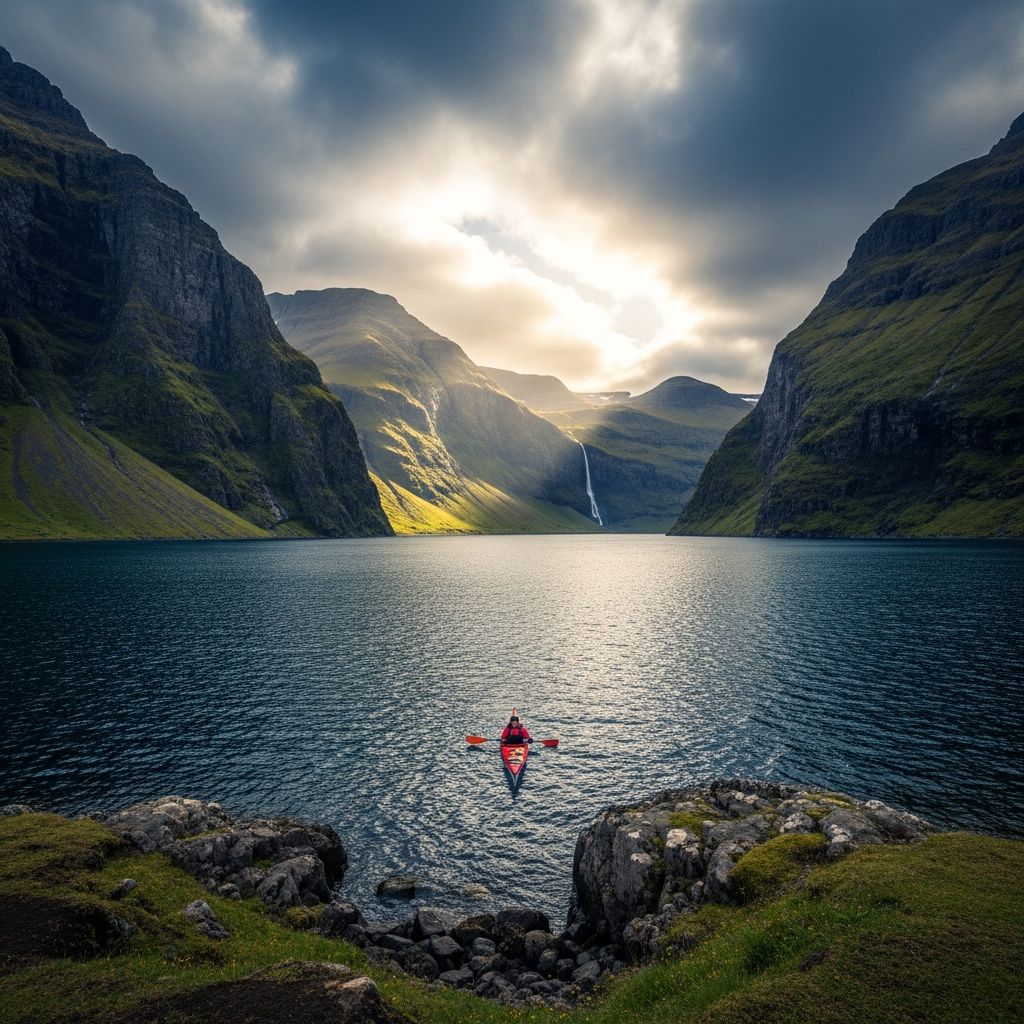
The Westfjords of Iceland stand as one of the country’s most pristine and least-visited regions, offering a rugged escape into untouched wilderness. Characterized by jagged fjords, towering cliffs, and vast open spaces, this northwest corner rewards intrepid travelers with unparalleled natural spectacles and a deep connection to Iceland’s Viking heritage. Far from the crowded Ring Road, the Westfjords promise solitude amid dramatic landscapes that shift from emerald valleys to crimson beaches.
Why Venture to the Westfjords?
Unlike more accessible areas, the Westfjords maintain an aura of isolation, preserving ancient folklore, abundant wildlife, and geological wonders. Sparse population—around 7,000 residents—means fewer tourists and more authentic experiences. Hikers revel in endless trails, birdwatchers flock to massive colonies, and hot spring enthusiasts find geothermal bliss in remote settings. Summer brings midnight sun for extended exploration, while winter offers northern lights with minimal light pollution.
Accessibility challenges add to the allure: gravel roads demand careful driving, and some spots require boats or hikes. Yet, these hurdles yield rewards like spotting arctic foxes, puffins, and seals in their natural habitats. Base yourself in key towns for day trips, embracing self-drive freedom or guided tours for safety.
Arrival and Logistics: Getting There Safely
Reach the Westfjords via a 5-6 hour drive from Reykjavík along Route 60, navigating hairpin turns and gravel sections—essential for 4×4 vehicles, especially post-winter. Ferries from Stykkishólmur to Brjánslækur provide scenic entry, gliding past islands and fjords. Ísafjörður Airport offers flights from Reykjavík, ideal for time-crunched visitors.
Fuel up frequently, as stations are sparse. Download offline maps and check road.is for conditions, as snow can close passes until June. Pack layers for unpredictable weather: rain, wind, and fog are common, even in summer. Accommodations range from guesthouses in villages to camping amid fjords—book ahead for peak season (June-August).
Prime Natural Wonders to Explore
Majestic Dynjandi Waterfall: A Tiered Masterpiece
Dynjandi, often called Iceland’s most photogenic cascade, tumbles 100 meters over seven tiers into a misty pool. Approach via a well-marked trail from the parking lot, ascending past smaller falls amid lush greenery. The roar intensifies as you near the main drop, where rainbows often arc through spray. Visit early to avoid crowds; it’s a highlight on northern routes.
Látrabjarg Cliffs: Puffin Paradise and Dramatic Vistas
Europe’s largest bird cliffs stretch 14 kilometers, plunging 440 meters into the Atlantic. Summer teems with millions of seabirds—puffins waddle comically close, allowing eye-level encounters without disturbing nests. Hike the clifftop paths cautiously, peering at razorbeaks and gannets. The bumpy drive enhances the remote thrill, leading to Rauðasandur Beach.
Rauðasandur Beach: Crimson Sands and Solitude
This red-gold beach contrasts Iceland’s black sands, backed by mountains and lapped by fjord waters. Walk kilometers of powdery shore, spotting seals and driftwood. A short detour from Látrabjarg, it’s perfect for picnics or contemplative strolls. Guided walks reveal local legends tied to the sands.
Geothermal Gems: Hellulaug and Reykjafjarðarlaug Hot Springs
Hellulaug, at Flókalundur, steams in a fjord-side nook—strip down for a natural soak with ocean views, heeding tidal warnings. Nearby Reykjafjarðarlaug offers a larger pool amid meadows. These free, rustic baths epitomize Westfjords’ wild spa culture.
Wildlife and Hiking Hotspots
Hornstrandir Nature Reserve: Accessible only by boat from Ísafjörður, this Arctic fox haven boasts glacier views and wildflower meadows. Multi-day hikes or guided tours reveal abandoned villages like Hesteyri, once a herring boomtown. Spot whales en route.
- Boat tours: 11-hour speedboat hikes with dinner.
- Arctic foxes: Elusive but viewable at the Arctic Fox Centre near Reykjanes.
- Drangajökull Glacier: Iceland’s northernmost ice cap, for advanced treks.
Charming Villages and Cultural Immersions
Ísafjörður: The Vibrant Hub
With 2,700 souls, this fjord-nestled town blends history and modernity. Wander wooden 18th-century homes, visit the Maritime Museum for fishing lore, or kayak/bike tours for fjord panoramas. Savor seafood at harborside eateries; it’s the launchpad for Hornstrandir ferries.
Small-Town Gems: Flateyri, Þingeyri, and Bíldudalur
Flateyri’s avalanche museum honors resilience; Þingeyri offers craft beer and valley hikes. Bíldudalur’s Sea Monster Museum dives into folklore with quirky exhibits. These stops provide petrol, meals, and local vibes along southern routes.
| Village | Key Attraction | Best For |
|---|---|---|
| Ísafjörður | Maritime Museum, Kayaking | Basecamp, Culture |
| Flateyri | Avalanche Museum | History, Coffee Stops |
| Bíldudalur | Sea Monster Museum | Folklore, Hot Springs |
| Þingeyri | Local Brewery | Relaxation, Views |
Sample 5-Day Itinerary for First-Timers
- Day 1: Arrival in Ísafjörður – Settle in, explore town, evening kayak tour.
- Day 2: Southern Loop – Drive to Látrabjarg for puffins, Rauðasandur beach walk.
- Day 3: Waterfalls and Springs – Dynjandi hike, Hellulaug soak, Bíldudalur museum.
- Day 4: Hornstrandir Day Trip – Boat to Hesteyri, hike abandoned village.
- Day 5: Northern Fjords and Return – Bolafjall Skywalk, Flatey ferry stop en route out.
Practical Tips for a Seamless Trip
- Best Time: June-August for birds and roads; September for auroras.
- Vehicle: 4×4 mandatory; gravel tires recommended.
- Costs: Fuel-heavy; campsites cheap, hotels €150+/night.
- Wildlife Etiquette: Keep 10m from birds; no drones near cliffs.
- Food: Stock groceries in Ísafjörður; try plokkfiskur (fish stew).
Frequently Asked Questions (FAQs)
Is the Westfjords suitable for beginners?
Novices can enjoy with guided tours; self-drivers need experience on gravel.
How long to stay?
4-7 days ideal to cover highlights without rushing.
Can I see northern lights here?
Yes, dark skies make it prime from September-March.
Are roads open year-round?
Many close winter; check vestfirdir.is.
Family-friendly spots?
Beaches, museums, and easy waterfall trails work well.
Preserving the Westfjords’ Magic
Leave No Trace: Pack out waste, stick to paths to protect fragile ecosystems. Support local businesses to sustain communities. This remote jewel thrives on responsible visitors, ensuring its wild heart beats for generations.
References
- The Adventurer’s Guide to the Westfjords, Iceland — Fora Travel. N/D. https://www.foratravel.com/guides/M95Z3K/the-adventurers-guide-to-the-westfjords-iceland-yahnny-adolfo-san-luis
- Travel Guide to Iceland’s Westfjords — Go Ask A Local. N/D. https://goaskalocal.com/blog/westfjords-iceland-travel-guide
- How to Plan the Perfect Westfjords Trip: 5 Must-See Places — YouTube (Westfjords Explorer). N/D. https://www.youtube.com/watch?v=P-BDUYlupA0
- What To Do In The Westfjords, Iceland — Nordic Visitor. N/D. https://www.nordicvisitor.com/blog/westfjords-iceland-what-to-do/
- The Complete Guide to the Westfjords of Iceland — Guide to Iceland. N/D. https://guidetoiceland.is/nature-info/the-wild-westfjords-of-iceland
- Westfjords Iceland Tour Guide — Your Friend in Reykjavik. N/D. https://yourfriendinreykjavik.com/exploring-the-westfjords/
- The Complete Guide to Iceland’s Westfjords — Íslandshótel. N/D. https://www.islandshotel.is/explore-iceland/blog/guide-to-iceland-s-westfjords/
Similar Articles





Read full bio of Sneha Tete