US National Parks: Essential Planning Guide And Top Tips
Master the essentials for unforgettable adventures in America's stunning national parks, from planning to preservation.
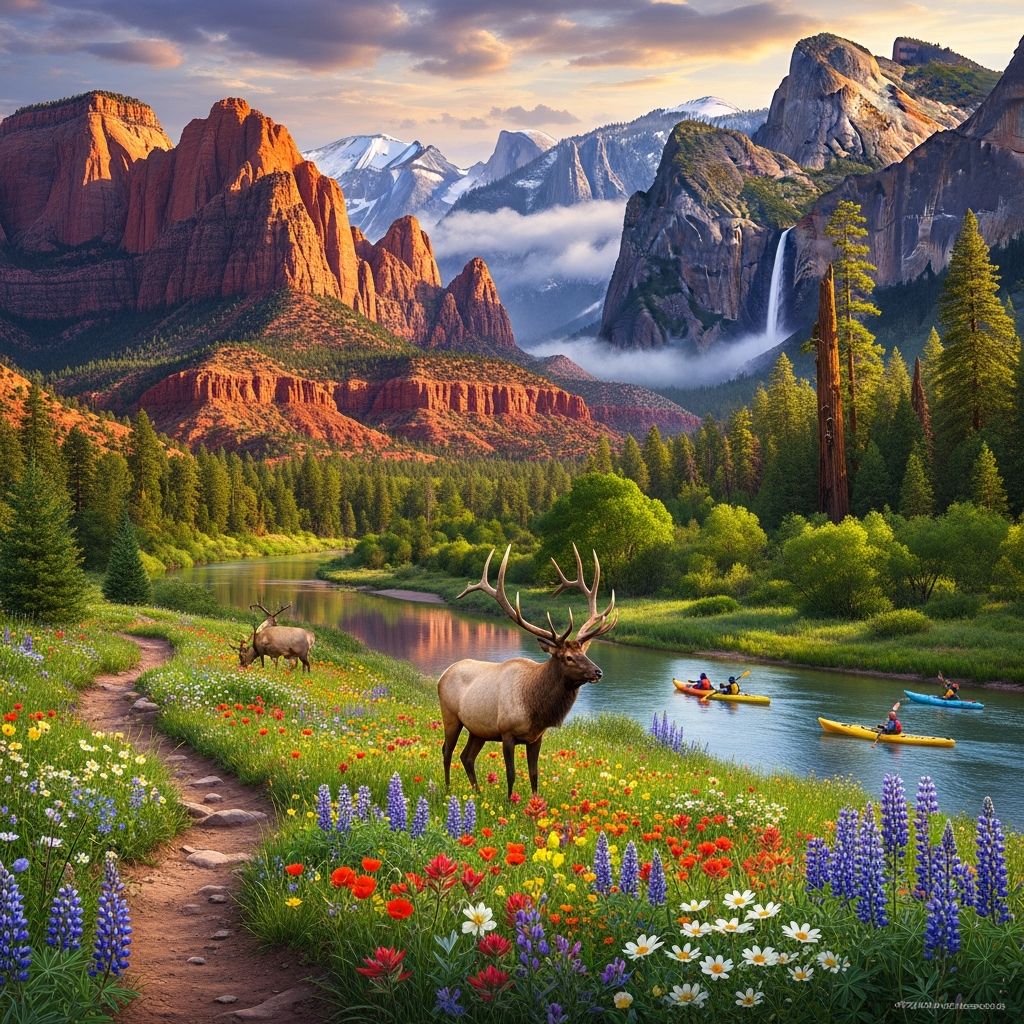
America’s national parks protect some of the world’s most breathtaking landscapes, from towering red rock formations to ancient sequoias and geothermal wonders. With over 400 sites managed by the National Park Service (NPS), these areas offer unparalleled opportunities for hiking, wildlife viewing, and stargazing. This guide equips you with everything needed to plan a seamless visit, ensuring you maximize enjoyment while minimizing environmental impact.
Selecting Your Ideal National Park
Choosing the right park starts with aligning your interests with the landscape. The NPS website allows searches by location, activity, or theme, making it easy to find matches for hiking, camping, or scenic drives. For instance, adventure seekers might target Arches for its over 2,000 natural stone arches, while families could prefer the accessible trails of Great Smoky Mountains.
- Northwest Gems: Mount Rainier, Olympic, and North Cascades in Washington offer glaciers, rainforests, and volcanic peaks, best from June to October.
- California Classics: Yosemite’s granite cliffs, Redwoods’ towering trees, and Death Valley’s extreme deserts suit spring or fall visits.
- Southwest Spectacles: Zion, Bryce Canyon, and Grand Canyon deliver dramatic canyons and hoodoos year-round, though summers are scorching.
- Rocky Mountain Highs: Yellowstone and Grand Teton feature geysers and wildlife, ideal in summer.
Visitor centers provide maps, stamps for your NPS passport, and personalized advice upon arrival.
Understanding Entry Fees and Passes
Most parks charge entrance fees, typically $35 per vehicle for a 7-day pass. High-traffic sites like Yosemite may require advance reservations during peak seasons. The America the Beautiful Annual Pass, at $80, grants access to all federal recreation sites, including over 2,000 locations—a smart buy for multiple visits. Seniors (62+) qualify for a $20 lifetime pass, while active military get free entry.
| Pass Type | Cost | Duration | Eligibility |
|---|---|---|---|
| Single Park | $20-$35 | 7 days | All visitors |
| Annual Pass | $80 | 12 months | All visitors |
| Senior Lifetime | $20 | Lifetime | US citizens 62+ |
| Military | Free | Active | US military & dependents |
Always verify current fees on the park’s NPS page, as they fund preservation efforts.
Best Seasons for Your Park Adventure
Timing is crucial due to weather, crowds, and accessibility. Southwest parks like Arches and Zion shine in spring (March-May) or fall (September-November) to dodge summer heat over 100°F and winter snow. Northern parks such as Glacier and Yellowstone demand summer visits (June-August) when roads thaw. Shoulder seasons offer solitude but check for closures.
- Peak Summer: High crowds in popular parks; book lodging early.
- Winter Wonders: Yosemite’s snowscapes or Death Valley’s mild days for fewer visitors.
- Avoid Extremes: Monsoon season in the Southwest or wildfire risks in the West.
Monitor NPS alerts for real-time conditions like road closures or fire dangers.
Booking Lodging and Campsites
Reservations are often mandatory, especially in high season. NPS operates campgrounds and lodges inside parks, bookable via Recreation.gov up to six months ahead. Outside options in gateway towns provide alternatives. Prioritize in-park stays for immersive experiences, like camping amid Arches’ sunrises.
Pro Tip: For multi-park trips, chain bookings—Zion to Bryce is just 1.5 hours apart.
Packing the Right Gear
Layered clothing, sturdy boots, and sun protection form the base. Hydration is non-negotiable in deserts; carry 1 gallon per person daily. Navigation tools like maps, GPS apps, and the NPS app prevent getting lost. Bear spray is essential in grizzly country (Yellowstone, Glacier).
- Essentials: Water bottles, first-aid kit, headlamp, multi-tool.
- Weather-Specific: Rain gear for coastal parks, ice traction for mountains.
- Leave No Trace: Reusable utensils, trash bags to protect ecosystems.
Prioritizing Safety in the Parks
Preparation averts emergencies. Know flash flood risks in slot canyons, altitude sickness in the Rockies, and wildlife protocols—keep 100 yards from bears, 25 from bison. Inform someone of your itinerary and carry the ten essentials: navigation, sun protection, insulation, illumination, first-aid, fire, repair kit, food, water, emergency shelter.
Cell service is spotty; download offline maps. Visitor centers offer emergency advice.
Curated Multi-Park Road Trip Itineraries
Road trips connect parks efficiently. Here’s a selection optimized for time and scenery.
Southwest Circle (7-10 Days)
Start in Las Vegas: Zion (angels landing hikes), Bryce Canyon (hoodoos), Monument Valley (Navajo-guided tours), Grand Canyon (South Rim sunsets). Total drive: ~1,000 miles.
California to Utah Epic (14 Days)
San Francisco to Yosemite (3.5 hours), Death Valley, Zion, Bryce, Lake Powell, Grand Canyon. End in Las Vegas. Dramatic elevation changes demand acclimation.
Northwest Explorer (7-10 Days)
Washington’s Mount Rainier, Olympic (rainforests), North Cascades (alpine lakes), plus Oregon’s Crater Lake. June-October optimal.
Rockies Traverse (10-14 Days)
Denver to Rocky Mountain (1.5 hours), Yellowstone (geysers), Grand Teton, Glacier (7 hours from Yellowstone). Wildlife peaks in summer.
Full Lower 48 circuit spans months, zigzagging 15,000+ miles. Fuel up in gateway towns.
Embracing Leave No Trace Principles
Preserve parks for future generations: pack out waste, stay on trails, camp 200 feet from water. Campfires only where permitted; use stoves. Ethical wildlife viewing avoids feeding or approaching animals. Sustainable travel sustains the magic.
Frequently Asked Questions (FAQs)
Do I need reservations for national parks?
Yes, for entry, lodging, and activities in peak season at popular parks like Yosemite or Rocky Mountain. Check Recreation.gov.
What’s the best annual pass?
America the Beautiful ($80) covers all sites; ideal for 3+ visits.
Are pets allowed?
Limited to roads/trails; no backcountry in most parks.
How to avoid crowds?
Visit mid-week, early mornings, or shoulder seasons.
What’s the fine for violations?
Varies; littering or off-trail hiking can cost $100+; protect resources.
Final Thoughts on Park Exploration
US national parks blend raw beauty with accessible adventure. Thoughtful planning turns visits into lifelong memories. Start at NPS.gov, gear up responsibly, and tread lightly.
References
- USA National Parks map & itineraries — Responsible Travel. 2023. https://www.responsiblevacation.com/vacations/national-parks-of-america/travel-guide/usa-national-parks-map-and-itineraries
- Visiting all US National Parks! — Travel with Janice. 2023-09-07. http://www.travelwithjanice.com/blog/2023/9/7/xmpb7a7wzj4bccz84gvf2f3polayht
- Plan Your Visit — U.S. National Park Service. 2026. https://www.nps.gov/planyourvisit/index.htm
- The Perfect Road Trip to See Every U.S. National Park — US Park Pass. 2023. https://usparkpass.com/the-perfect-road-trip-to-see-every-national-park-in-the-u-s/
- National Parks Travel Guide — Road Scholar. 2023. https://www.roadscholar.org/travel-tips/national-parks/
- NPS.gov Homepage — U.S. National Park Service. 2026. https://www.nps.gov
Similar Articles








Read full bio of Sneha Tete