Essential Guide to Visiting Bavaria: Traveler Essentials
Discover what every traveler needs to know before exploring Bavaria's mountains, culture, and traditions.
Essential Guide to Visiting Bavaria: Everything Travelers Need to Know
Bavaria represents one of Europe’s most enchanting destinations, blending Alpine scenery with rich cultural heritage and contemporary sophistication. Germany’s largest federal state attracts millions of visitors annually, drawn by its legendary beer culture, fairy-tale castles, and pristine mountain landscapes. Whether you’re planning your first trip or returning for another adventure, understanding Bavaria’s unique character, customs, and practical considerations will significantly enhance your travel experience. This comprehensive guide covers the essential information that transforms a good visit into an exceptional one.
Understanding Bavaria’s Relationship with Nature
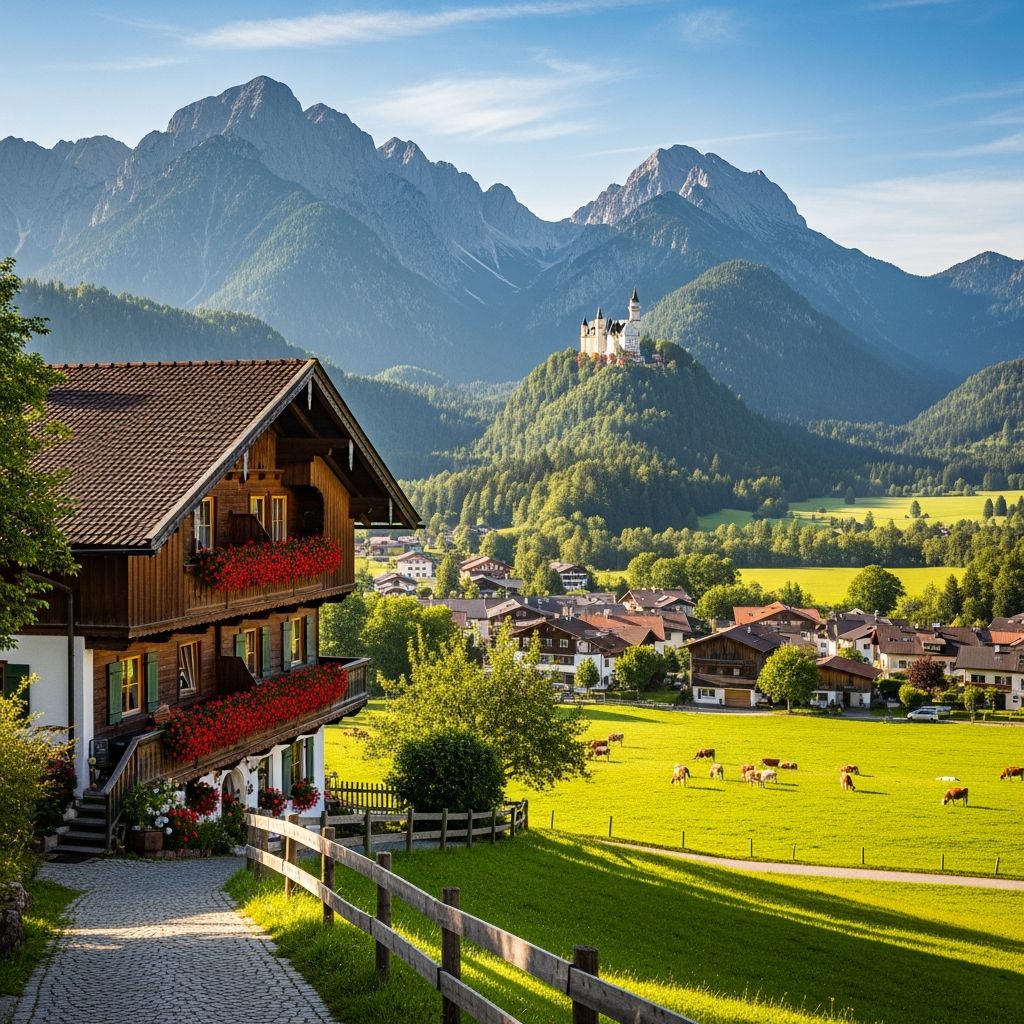
Bavaria’s landscape defines the region’s identity and lifestyle. The state encompasses some of Europe’s most dramatic terrain, from the foothills of the Alps to pristine lakes and dense forests that cover vast stretches of the countryside. This natural abundance isn’t merely scenic—it’s integral to how Bavarians structure their daily lives and weekends. The local population maintains a profound commitment to environmental stewardship, viewing nature not as a commodity but as a shared responsibility.
For visitors, this accessibility to outdoor experiences represents exceptional value. Yellow trail markers visible from nearly every train station guide hikers through established routes, each clearly marked with difficulty ratings and estimated completion times. However, this ease of access comes with an implicit social contract. Bavarians expect visitors to treat natural spaces with respect and consideration. Littering carries significant social stigma, and removing trash from hiking trails demonstrates basic courtesy to local communities and future visitors.
The hiking culture in Bavaria extends beyond casual walks. Serious trekkers undertake multi-day excursions, staying overnight in mountain huts called *Hütte* that dot the Alpine landscape. This infrastructure supports everything from leisurely day hikes suitable for families to challenging expeditions for experienced mountaineers. Summer brings throngs of visitors to the region’s numerous lakes, while winter transforms the mountains into premier skiing destinations.
The Intersection of Tradition and Technological Innovation
Bavaria presents a fascinating paradox that often surprises visitors. Despite the prevalence of traditional dress, folk customs, and village traditions, the state operates as an economic powerhouse and innovation leader within Germany and Europe broadly. This isn’t a contradiction but rather a reflection of Bavarian character—the ability to honor heritage while embracing progress.
Major international corporations headquarter in Bavaria, including automotive giants BMW and Audi, sporting brand Adidas, and industrial conglomerate Siemens. These companies coexist with centuries-old traditions that remain genuinely practiced rather than performed for tourists. Residents truly do wear dirndls and lederhosen during festivals and celebrations, erect maypoles in spring, and participate enthusiastically in seasonal festivities.
This modern infrastructure means visitors enjoy reliable transportation, excellent telecommunications, and contemporary accommodations alongside historical charm. Finding high-end sports cars parked in remote Alpine villages reflects this cultural synthesis—locals maintain strong connections to tradition while participating fully in modern economic and technological life.
Navigating Commercial Rhythms and Shopping Patterns
Bavaria’s commercial culture differs notably from many other European destinations, particularly regarding Sunday shopping. Most retail establishments remain closed on Sundays and public holidays, a practice rooted in both religious tradition and labor protection laws. This rhythm requires advance planning for travelers accustomed to seven-day shopping availability.
Strategic shopping should occur during weekday hours when stores maintain full operations. Markets open early and close by early evening, making morning excursions preferable to last-minute purchases. This pattern applies to pharmacies, grocery stores, and specialty shops throughout Bavaria’s cities and towns. However, major train stations and airports maintain limited retail operations throughout the week, providing options for forgotten items or emergency purchases.
Mastering Beer Garden Protocol and Beer Culture
Beer holds a unique cultural position in Bavaria that extends far beyond casual consumption or tourist attraction. The substance qualifies as a dietary staple in local understanding, consumed at breakfast alongside sausage, during work lunch breaks, and throughout evening leisure hours. This normalization of beer consumption reflects centuries of Bavarian tradition and continues as genuine cultural practice.
Participating appropriately in beer gardens requires understanding specific etiquette that locals observe consistently. The most important custom involves clinking glasses before sipping—a gesture performed with intentionality and enthusiasm. The German expressions “Prost” (for beer) and “Zum Wohl” (for wine) accompany this ritual, delivered while maintaining deliberate eye contact with your companions. While the origins of the eye-contact tradition remain debated, Bavarian culture treats this custom with near-religious seriousness.
Beer gardens operate on principles that surprise many international visitors. Most establishments permit patrons to bring their own food, creating social spaces where families, colleagues, and friends gather as much for community as for beverages. This flexibility encourages extended visits and contributes to the relaxed atmosphere that characterizes Bavarian beer culture. However, bringing outside beverages remains prohibited—beer gardens control their beverage service strictly.
The terminology of beer service in Bavaria carries significance. A standard serving arrives in a Mass (pronounced “mahs”), a one-liter mug that represents the traditional Bavarian beer portion. Understanding this context prevents confusion when ordering and demonstrates familiarity with local customs.
Beyond Oktoberfest: Authentic Regional Festivals
International awareness of Bavaria’s beer culture centers overwhelmingly on Oktoberfest, the world’s largest beer festival held annually in Munich. This massive celebration attracts visitors from across the globe but has evolved into a largely international event with correspondingly elevated prices and commercialized atmosphere.
However, Oktoberfest represents merely one expression of Bavarian festival culture. Throughout spring, summer, and autumn, smaller communities throughout Bavaria host regional festivals that capture authentic local traditions with significantly fewer international tourists. These gatherings feature traditional music, folk customs, regional cuisine, and beer service in settings where locals constitute the primary audience.
Attending smaller regional festivals provides deeper cultural engagement than the Oktoberfest experience. Visitors encounter genuine community celebration rather than carefully choreographed tourism infrastructure. Prices remain modest, crowds prove manageable, and the atmosphere reflects actual Bavarian cultural expression rather than external expectations. These festivals occur regularly across the state, offering multiple opportunities for participation throughout the year.
Geographic Orientation and Regional Character
Bavaria’s geography creates distinct regional identities that shape local character and visitor experiences. Northern Bavaria maintains historical connections to Franconia and possesses cultural characteristics distinguishing it from the Alpine south. Cities like Bamberg and Nuremberg showcase medieval architecture and urban sophistication in settings less dominated by mountain imagery.
Southern Bavaria, particularly the Alpine foothills and mountain regions, represents the landscape most visitors envision when imagining Bavaria. This area encompasses famous destinations including Neuschwanstein Castle, the charming village of Oberammergau, and the mountain town of Berchtesgaden. The Zugspitze, Germany’s highest peak, dominates the southern landscape and attracts visitors seeking high-altitude hiking and alpine experiences.
Munich, the capital, functions as Bavaria’s largest city and primary entry point for international visitors. The city hosts the internationally famous Oktoberfest and serves as a cultural and economic center. However, numerous smaller towns throughout Bavaria offer equally rewarding experiences, particularly for visitors seeking quieter environments, historical immersion, or specific outdoor pursuits.
Practical Considerations for Comfortable Travel
Successful Bavarian travel requires attention to several practical details that enhance comfort and demonstrate respect for local customs.
- Quiet environments: Bavarians maintain strong expectations regarding noise levels in public spaces. Trains, buses, and communal areas should be navigated quietly, with loud conversations or phone use considered disruptive and disrespectful.
- Environmentally conscious shopping: Most retailers charge for bags, and locals routinely carry reusable alternatives. Bringing your own shopping bag aligns with environmental values deeply held in Bavarian communities.
- Hiking preparation: Proper footwear and weather-appropriate clothing prove essential for mountain activities. Yellow trail markers guide hikers reliably, but sudden weather changes in Alpine areas require preparedness.
- Transportation efficiency: Public transportation networks connect Bavaria comprehensively, though having a rental car provides flexibility for exploring smaller villages and remote areas not served by frequent transit.
Seasonal Considerations and Festival Calendar
Bavaria experiences distinct seasonal rhythms that affect both visitor experience and practical travel planning. Winter brings celebrated Christmas markets throughout the region, featuring elaborate decorations, traditional foods like mulled wine and bratwurst, and festive atmosphere that transforms towns into magical settings. These markets operate during November and December, drawing visitors seeking authentic holiday experiences.
Summer activates Bavaria’s lake culture, with popular destinations like Starnberger See and Ammersee filling with swimmers and water sports enthusiasts. Mountain hiking reaches peak popularity during summer months when higher elevations remain accessible and weather proves most reliable.
Spring and autumn offer moderate weather, smaller crowds, and the regional folk festivals mentioned previously. These seasons suit visitors seeking cultural immersion without peak-season pressures.
Frequently Asked Questions
Is it necessary to learn German to visit Bavaria?
English proficiency varies throughout Bavaria, with higher prevalence in Munich and major tourist destinations. However, learning basic German phrases demonstrates respect and facilitates smoother interactions. Many Bavarians appreciate efforts to communicate in German, even if conversations revert to English.
What is the best time to visit Bavaria?
Summer (June-August) offers warmest weather and accessibility to all mountain regions. Winter (December-February) provides Christmas markets and skiing. Shoulder seasons (April-May and September-October) deliver pleasant weather with fewer crowds and regional festivals.
Can visitors participate in beer gardens without heavy drinking?
Absolutely. Beer gardens function as social gathering spaces where many patrons consume modest quantities or non-alcoholic beverages. Bringing food and enjoying the atmosphere matters more than consuming large quantities of beer.
Are credit cards widely accepted in Bavaria?
Cash remains preferred in many smaller establishments, though major cities and tourist destinations increasingly accept cards. Carrying euros proves advisable for small purchases and rural areas.
Conclusion: Respecting Bavaria While Embracing Experience
Bavaria rewards travelers who approach the region with respect for its customs, appreciation for its landscapes, and willingness to engage authentically with local culture. The combination of stunning natural beauty, living traditions, and modern sophistication creates a destination that satisfies diverse interests and travel styles. Understanding these essential elements—from environmental stewardship to beer garden etiquette—transforms visits from pleasant tourism into meaningful cultural experiences that leave lasting impressions.
References
- Bavaria – What you need to know before you go — Hotels.com. Retrieved April 2026. https://www.hotels.com/go/allemagne/baviere
- Bavaria Travel Guide Resources & Trip Planning Info — Rick Steves. Retrieved April 2026. https://www.ricksteves.com/europe/germany/bavaria
- 11 things to know before going to Bavaria, Germany — Lonely Planet. Retrieved April 2026. https://www.lonelyplanet.com/articles/things-to-know-before-traveling-to-bavaria
- Bavaria: All You Must Know Before You Go — TripAdvisor. 2026. https://www.tripadvisor.com/Tourism-g187293-Bavaria-Vacations.html
- Insider’s Guide to Bavaria, Germany: Things to Do & Travel Tips — Celebrity Cruises. Retrieved April 2026. https://www.celebritycruises.com/blog/bavaria
Similar Articles







Read full bio of Sneha Tete