Porto Travel Planning Guide: Essential Tips For Your Trip
Master the insider knowledge needed for a seamless Porto adventure
Essential Porto Travel Planning Guide
Porto, Portugal’s second-largest city, has emerged as one of Europe’s most captivating destinations. Nestled along the Douro River and cradled between the Atlantic Ocean and Spanish border, this medieval city combines historic charm with contemporary vibrancy. Whether you’re planning your first visit or returning for another adventure, understanding Porto’s unique characteristics will significantly enhance your experience.
Urban Navigation: Why You Should Reconsider Driving
One of the most critical decisions when planning a Porto visit involves transportation logistics. The city presents substantial challenges for drivers unfamiliar with its layout and driving culture. Porto’s infrastructure combines narrow, winding streets with complex one-way traffic patterns that demand considerable attention and local knowledge. The combination of steep hills, vintage tram tracks embedded in roadways, pedestrian-heavy zones, and ongoing construction projects creates a genuinely stressful driving environment.
Parking compounds these challenges significantly. Finding available parking in the historic center is exceptionally difficult, and when spots exist, they command premium prices. Rather than battle these conditions, most travel advisors recommend arriving by car but parking on the city’s periphery or in designated parking facilities outside the center. From these locations, Porto’s efficient public transportation network—including the Metro system, buses, and trams—connects you to all major attractions quickly and affordably.
This approach eliminates stress, reduces accident risk, and allows you to fully experience the city without constantly searching for parking or navigating confusing street layouts. Additionally, public transit provides authentic local experiences as you share transportation with Porto residents going about their daily lives.
Strategic Neighborhood Selection for Your Stay
Choosing where to stay dramatically influences your Porto experience. Different neighborhoods offer distinct atmospheres, price points, and access to various attractions. Understanding these differences allows you to select accommodations aligned with your travel style and interests.
Ribeira: The Historic Waterfront Quarter
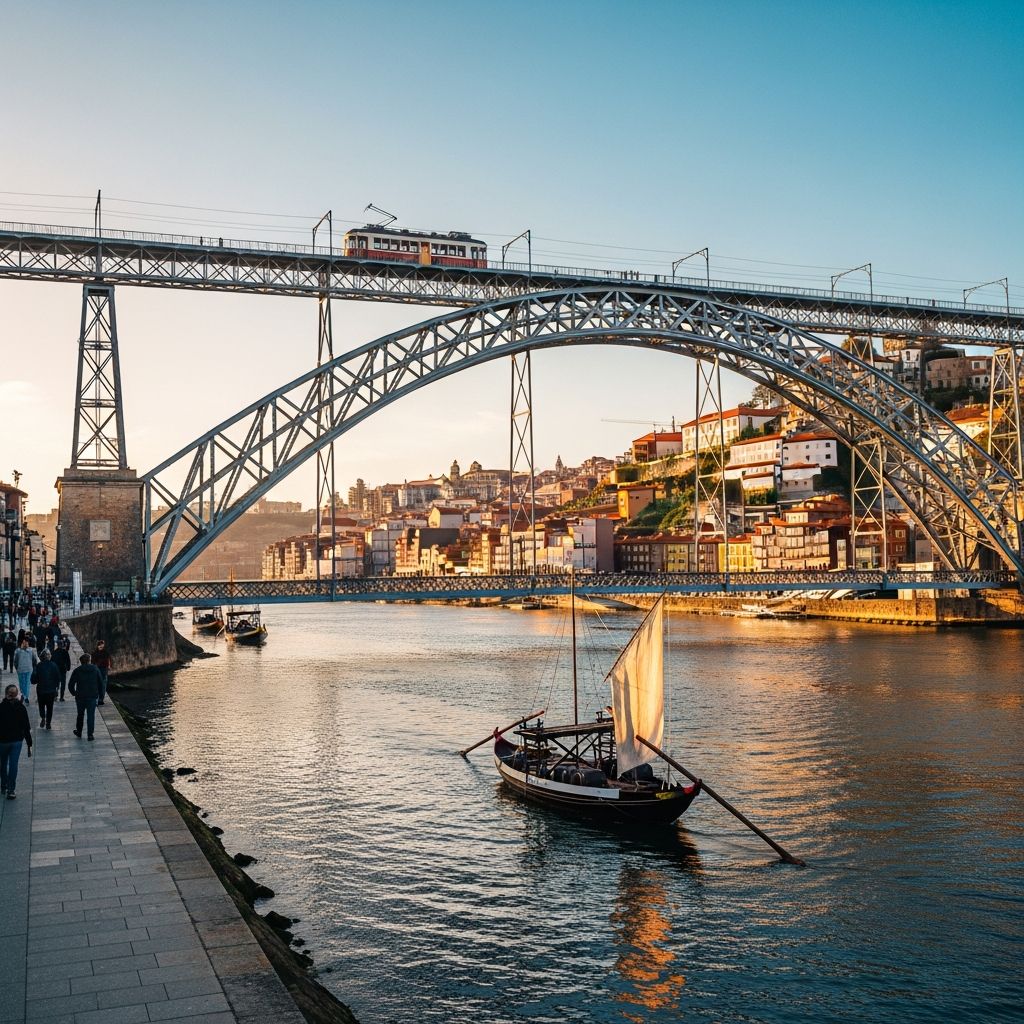
Ribeira stands as Porto’s most historically significant neighborhood, featuring ancient cobblestone streets that meander downward toward the Douro riverfront. This labyrinthine district showcases traditional Portuguese architecture, numerous restaurants ranging from casual to upscale, and the famous port wine cellars across the bridge. The atmospheric riverside setting, particularly during evening hours, creates the quintessential Porto experience many travelers envision.
However, Ribeira’s popularity demands advance planning. Accommodations book months ahead during peak seasons, and prices reflect high demand. The neighborhood can feel overwhelmingly touristy during daytime hours, with narrow streets crowded with tour groups and casual visitors. Late evening and early morning offer more authentic experiences when tourist crowds disperse.
Aliados: The Dynamic City Center
Located just uphill from Ribeira, Aliados functions as Porto’s political and financial center, positioning you in the heart of urban activity. This neighborhood provides excellent lodging and dining variety while maintaining strong connections to all major attractions. The area combines beautiful architecture with vibrant street life, though ongoing urban development projects occasionally create construction zones requiring navigation.
Aliados offers a more balanced experience than Ribeira—less touristy while maintaining walkable access to riverside attractions and entertainment districts. Shopping streets like Rua de Santa Catarina and Rua das Flores capture the genuine essence of Porto with diverse stores, restaurants, and cafes perpetually buzzing with local activity.
Alternative Neighborhoods Worth Considering
Exploring less-visited neighborhoods extends your Porto understanding beyond typical tourist routes. Miragaia, between Ribeira and the river, offers quieter residential streets with local character. Massarelos provides beachside neighborhood charm perfect for those prioritizing Atlantic access. Vila Nova de Gaia, across the iconic bridge, hosts the renowned port wine lodges and maintains a more relaxed atmosphere than central districts.
Understanding Porto’s Safety Profile
Security considerations naturally factor into travel planning. Porto maintains a reputation as a relatively safe European destination with comparatively low violent crime rates. The city generally welcomes visitors without significant security concerns, and most travelers navigate freely without incident.
However, petty theft requires attention and vigilance. Pickpocketing and bag-snatching represent the primary criminal concerns, particularly in crowded tourist areas and on public transportation during peak hours. These crimes typically target inattentive individuals carrying valuables visibly displayed.
Preventative measures prove highly effective: maintain situational awareness in crowded districts, avoid displaying expensive jewelry, cameras, or large amounts of cash, keep bags secured and positioned where you can monitor them, and utilize hotel safes for passports and extra funds. Using money belts or inner pockets for important documents and critical cash provides additional security. These standard precautions apply across most major European cities and shouldn’t discourage your Porto visit but rather inform reasonable safety practices.
Seasonal Planning and Weather Considerations
Porto’s maritime climate creates distinct seasonal variations worth factoring into your travel planning. Summer months bring warm temperatures reaching 33°C (93°F) with limited rainfall but substantial tourist crowds. These popular months mean higher accommodation prices and crowded attractions.
Spring months—April and May—present ideal conditions for many travelers. Pleasant temperatures allow comfortable walking exploration, spring flowers enhance scenic beauty, and tourist numbers remain manageable compared to summer peaks. This shoulder season offers excellent value with fewer booking conflicts.
Late summer and early autumn (August through September) appeal particularly to wine enthusiasts, as harvest season approaches and special wine-related events occur throughout the region. Winter months bring mild temperatures and minimal crowds but include occasional rain—still pleasant for city exploration but less suitable for beach activities.
Atlantic Beaches: Porto’s Surprising Coastal Asset
Many visitors overlook Porto’s extensive beach access, assuming an urban setting precludes coastal recreation. In reality, Porto’s western neighborhoods directly border the Atlantic Ocean with numerous wide sandy beaches easily accessible via Metro or bus connections. These beaches provide excellent swimming, surfing, and relaxation opportunities.
Prepare adequately for Atlantic water conditions. The water temperature remains notably cool year-round—even during summer months—but provides refreshing relief during Porto’s hottest days. Pack swimwear, bring a wetsuit if you plan frequent swimming, and expect waves suitable for experienced surfers alongside calmer areas for casual swimmers. Beach culture in Porto differs from Mediterranean destinations, yet offers authentic Portuguese coastal experiences.
Cultural Experiences: Beyond Standard Tourism
Porto’s cultural landscape extends far beyond conventional attractions. Structured experiences enhance visitor understanding of local traditions and contemporary creative expression.
Wine Education and Tasting
Port wine represents Porto’s most famous cultural export, with legendary lodges like Graham’s and Cockburn’s offering guided tastings and facility tours. These experiences combine history, production techniques, and sensory education while showcasing the region’s centuries-old winemaking traditions. Even non-wine enthusiasts appreciate the architectural beauty of historic cellars carved into hillsides and the riverside views from tasting rooms.
Fado Music Performances
Fado—Portugal’s traditional melancholic musical genre—comes alive in intimate performance venues. Traditional fado houses like Ideal Clube de Fado and cellar venues such as Calém offer authentic performances accompanied by dinner service, allowing deep immersion in this distinctive cultural expression. These intimate settings provide genuine experiences far removed from commercialized shows in tourist-heavy venues.
Guided Exploration Options
Structured tours provide valuable context and access. Small-group walking tours typically require four hours and cover the historic center’s major monuments while including river boat rides, offering comprehensive orientation for first-time visitors. E-bike tours, lasting approximately three hours, extend exploration beyond the historic center to reveal neighborhoods and viewpoints beyond typical tourist routes. These guided experiences efficiently orient you to Porto while providing local insights often missed during independent exploration.
Day Trip Opportunities: The Douro Valley Experience
The Douro Valley represents one of Porto’s most rewarding day trip destinations, beginning just one hour from the city and extending toward the Spanish border. This stunning region has shaped Porto’s identity for centuries, serving as the lifeblood supporting the city’s prosperity through wine production and river commerce.
The valley landscape captivates visitors with vineyard-carpeted hillsides cascading toward the river, winding scenic roads connecting charming villages, and numerous quality wineries offering tastings and tours. Whether you prioritize wine education, scenic photography, or simply experiencing Portugal’s most picturesque countryside, the Douro Valley deserves inclusion in any multi-day Porto itinerary.
Iconic Architectural and Cultural Landmarks
Porto’s built environment reveals layers of history through distinctive structures worth visiting.
Clérigos Tower
This iconic baroque bell tower serves as Porto’s visual symbol, recognizable from numerous vantage points throughout the city. Climbing 240 steps rewards visitors with panoramic views extending across the entire metropolitan area. The adjacent church offers an added cultural dimension—free organ concerts perform daily at noon, creating memorable moments where architectural grandeur combines with musical artistry.
Sé do Porto Cathedral
Dating to the 12th century, this Romanesque cathedral represents one of Porto’s oldest and most significant monuments. The structure displays architectural complexity reflecting centuries of modifications and additions, while its heavily fortified design reveals historical defensive needs that influenced religious building styles uniquely in Porto.
Igreja de São Francisco
This church’s interior baroque ornamentation particularly captivates visitors. Stunning gilt woodwork and intricate artistic details showcase the artistic mastery characterizing 18th-century Portuguese ecclesiastical design.
Capela das Almas
Located on an otherwise unremarkable corner, this chapel exterior showcases 16,000 blue and white ceramic tiles depicting scenes from saints’ lives. The tiles represent the distinctive Portuguese azulejo tradition—intricately painted ceramic panels adorning numerous historic buildings throughout Porto’s center.
Practical Essentials Before Your Departure
| Category | Key Information |
|---|---|
| Currency | Euro (€); credit cards widely accepted but carry some cash |
| Language | Portuguese; English widely understood in tourist areas |
| Transportation Cards | Andante card provides affordable Metro, bus, and tram access |
| Communication | Purchase Portuguese SIM or EU roaming plan for connectivity |
| Electricity | European Type C/F plugs; standard 230V voltage |
Final Preparation Recommendations
Successful Porto visits combine adequate planning with flexibility for spontaneous discovery. Book accommodations well in advance, particularly if visiting during spring or summer months. Arrange transportation from the airport or border crossings before arrival. Download offline maps and public transit apps for seamless navigation without constant data dependency.
Most importantly, embrace Porto’s inviting character and slow-paced rhythm. This medieval city rewards wanderers willing to lose themselves in narrow cobblestone streets, pause for café conversations, and discover hidden corners beyond guidebook recommendations. Your Porto experience ultimately depends less on checking boxes than on connecting authentically with this captivating Portuguese destination.
References
- Porto Travel Guide: What to See & Do — EF Go Ahead Tours. Accessed April 2026. https://www.goaheadtours.com/travel-blog/articles/porto-travel-guide
- A Local’s Guide to Visiting Porto, Portugal — Go Ask A Local. Accessed April 2026. https://goaskalocal.com/blog/local-guide-to-porto
- Best Things to Do, See, and Eat in Porto: The Ultimate Guide — Into The Bloom. Accessed April 2026. https://www.intothebloom.com/porto-travel-guide/
- 13 Things to Know Before Traveling to Porto — Lonely Planet. Accessed April 2026. https://www.lonelyplanet.com/articles/things-to-know-before-traveling-to-porto
- First Time in Porto: Things You Should Know — Porto Alities. Accessed April 2026. https://portoalities.com/en/first-time-in-porto-things-you-should-know/
Similar Articles







Read full bio of medha deb