Ethical Travel After Crisis: Key Questions Before You Go
Navigate the complexity of visiting disaster-affected regions responsibly.
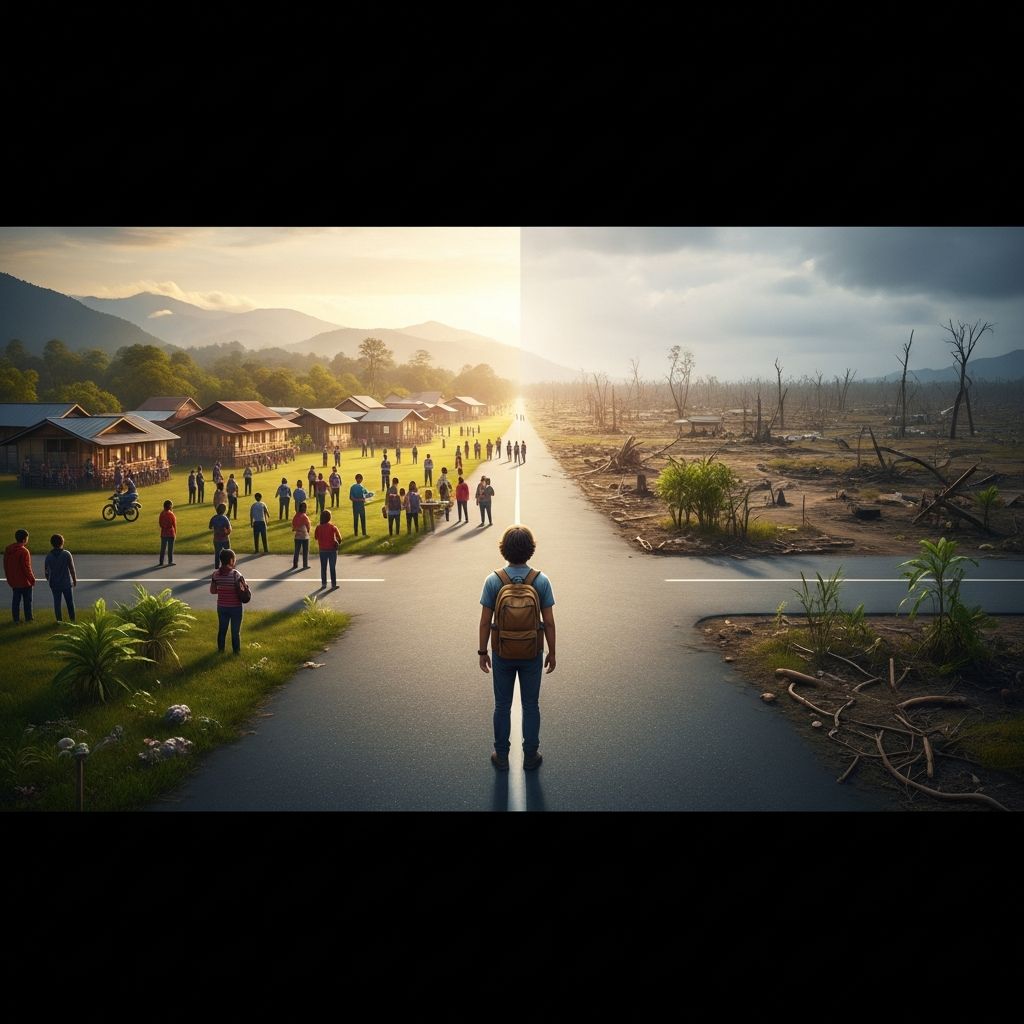
The desire to explore the world is natural, yet the timing of when we choose to visit certain destinations carries profound implications. When a region has recently experienced a natural disaster—whether an earthquake, hurricane, flood, or wildfire—the decision to travel there demands careful consideration. Beyond personal safety concerns, ethical travelers must examine their motivations, the impact of their presence, and whether their visit genuinely serves the community or becomes part of the problem. This article explores the critical questions you should ask yourself before booking a ticket to a disaster-affected region.
Understanding Your True Motivation for Travel
Before committing to travel following a disaster, examine why you want to visit a particular destination at this specific time. Your answer reveals much about whether your journey will be beneficial or potentially harmful.
Many travelers experience what researchers call “disaster tourism”—the impulse to witness destruction firsthand. While curiosity about global events is understandable, visiting primarily to observe devastation can commodify human suffering. The affected community becomes a spectacle rather than a place deserving dignity and privacy during recovery.
Conversely, some travelers genuinely want to support recovery efforts or reconnect with cultural heritage. These motivations typically produce positive outcomes. Ask yourself: Are you visiting to help, to reconnect with something meaningful, or primarily to satisfy curiosity? The distinction matters significantly for both your experience and local impact.
Consider also whether your visit represents a delayed dream or a spontaneous emotional response. Hasty decisions made immediately after learning about a disaster often lack the careful planning necessary for responsible travel. Giving yourself time to research, understand the situation, and plan thoughtfully demonstrates respect for the affected community.
Assessing the Current Stage of Community Recovery
Disasters unfold in phases, and each phase carries different implications for tourism. Understanding where a destination sits in its recovery timeline helps determine whether your visit is appropriate.
In the immediate aftermath—typically the first weeks following a disaster—communities face urgent survival challenges. Infrastructure remains compromised, emergency services are overwhelmed, and local populations struggle with basic needs. Tourism during this phase creates competition for limited resources and services. Hotels may house displaced residents, restaurants may lack supplies, and transportation systems may be recovering. Your presence, however well-intentioned, potentially diverts attention and resources from essential recovery work.
The intermediate recovery phase, spanning weeks to months, sees gradual infrastructure restoration and initial economic restart. Communities begin processing trauma while rebuilding. This period still presents ethical complications. While some tourism infrastructure reopens, residents may not be emotionally or practically ready to host visitors. The emotional weight of interacting with tourists while grieving losses can feel burdensome.
Later recovery phases, extending months to years beyond the initial disaster, represent more appropriate windows for tourism. Communities have typically established new routines, rebuilt critical infrastructure, and begun economic recovery. Tourism during this phase can genuinely support economic revitalization that communities intentionally welcome.
Research the specific timeline for your destination. Consult official tourism boards, international development organizations, and recent news sources. This information provides perspective on whether conditions are genuinely ready for visitors.
Examining Whether Your Money Actually Benefits the Community
A common assumption holds that any tourism spending supports disaster recovery. Reality proves more complicated. Where your money flows matters as much as how much you spend.
Tourism chains, international hotel corporations, and foreign-owned restaurants may capture the majority of tourism spending, with minimal funds reaching local communities. Large companies operating in affected areas may have evacuation insurance and corporate recovery resources, while local family businesses—the true economic backbone—lack similar protections and benefit less from tourism revenue.
Investigate the ownership structure of tourism businesses in your destination. Prioritize locally-owned accommodations, restaurants, and tour operators. Research whether specific tourism businesses have ties to disaster relief efforts or community recovery initiatives. Some establishments explicitly dedicate portions of tourism revenue to rebuilding efforts—these operations demonstrate genuine community commitment.
Consider alternatives to traditional tourism spending. Direct donations to established relief organizations, purchasing goods from local artisans and cooperatives, or participating in volunteer programs may generate more beneficial community impact than conventional tourism expenditures. Some destinations organize ethical tourism experiences specifically designed around recovery support, where participants understand the developmental purpose of their visit.
Evaluating Infrastructure Adequacy for Safe Travel
Beyond ethical considerations, practical questions about infrastructure safety demand honest answers.
Disaster recovery requires time. Roads may remain damaged or blocked. Hospitals and medical facilities, already stretched by treating disaster victims, may have limited capacity for tourist-related medical emergencies. Water systems may be compromised, affecting drinking water safety. Communication networks might be unreliable, complicating emergency contact if problems arise. Accommodations may lack proper safety features or essential services.
Request specific information about infrastructure status from destination tourism authorities. Ask questions: Are main roads fully repaired and passable? Has water quality testing confirmed safety for visitors? Do hospitals have capacity for non-emergency medical care? Is reliable internet and cell service available throughout tourist areas? Are accommodations properly inspected for safety compliance?
Honest answers revealing significant infrastructure gaps suggest waiting for further recovery. Travel insurance becomes critical if you proceed despite limitations, and such insurance must specifically cover travel to disaster-affected areas, including evacuation provisions if situations deteriorate.
Considering Whether You’re Prepared for the Emotional Reality
Visiting regions in recovery means encountering visible destruction and community grief—realities that exceed typical tourist experiences.
You may see damaged buildings, collapsed structures, temporary housing, environmental degradation, and communities bearing visible trauma. Local residents may exhibit understandable irritation at tourists photographing devastation or asking insensitive questions about their losses. The experience often proves emotionally heavier than anticipated.
Ask yourself: Are you emotionally prepared for witnessing significant destruction? Can you respectfully observe without treating the environment as a backdrop for social media content? Will you maintain appropriate boundaries respecting community members’ privacy and grief? Can you handle potentially awkward or uncomfortable social interactions with locals navigating their own recovery processes?
If you cannot answer affirmatively to these questions, wait. Traveling when emotionally unprepared often leads to experiences that deepen rather than bridge understanding between visitors and affected communities.
Exploring Volunteer or Meaningful Engagement Opportunities
If your motivation centers on supporting recovery, investigate whether organized volunteer opportunities exist that communities actually need and welcome.
The most helpful tourism involves contributing skills or labor toward genuine recovery needs. Some communities organize volunteer programs around infrastructure repair, environmental cleanup, or community revitalization projects. However, not all volunteer tourism proves beneficial—poorly organized volunteer projects can consume local management resources or duplicate work that paid workers should perform.
Vet volunteer opportunities carefully. Legitimate programs:
- Partner with established local organizations leading recovery efforts
- Clearly articulate specific roles volunteers fill and skills required
- Limit volunteer numbers to manageable scales
- Provide proper training and safety protocols
- Avoid creating incentives for unpaid work that should be paid employment
- Maintain transparent financial structures showing how fees support communities
Reputable international development organizations, established NGOs operating in affected regions, and official government tourism/recovery agencies typically coordinate ethical volunteer opportunities. Approach volunteer tourism with the same scrutiny you’d apply to any significant commitment.
Planning for Responsible Visitor Behavior
Even when timing and infrastructure align appropriately, visitor behavior shapes community impact. Prepare yourself for responsible travel practices.
Before arrival, research cultural norms and community expectations for visitors. Understand sensitive topics—residents may not appreciate having their disaster experiences treated as entertainment or casual conversation topics. Photography deserves particular attention: always ask permission before photographing people, and avoid making disaster destruction the primary subject of your documentation.
Plan to engage respectfully with local communities. Eat at local restaurants, shop at local markets, and support local guides and service providers. These interactions should involve genuine curiosity and respect, not extractive questioning about traumatic experiences. Listen more than you speak, and recognize that residents may simply want to move forward without constantly discussing recent hardships.
Consider minimizing your environmental footprint. Disaster-affected regions often lack fully restored waste management infrastructure. Avoid creating additional waste, conserve water and energy, and leave the destination in better condition than you found it.
Consulting Multiple Information Sources
Before finalizing travel decisions, consult diverse, reliable information sources rather than relying on single outlets.
- Official government tourism and recovery agencies from the affected country
- Established international news organizations covering the region
- Development organizations and NGOs operating in the area (e.g., UN agencies, major humanitarian organizations)
- Recent travel reports and community forums from visitors
- Your nation’s travel advisories from official government sources
- Direct communication with local tourism contacts via email or phone
Cross-referencing sources reveals gaps in information and potential biases. Tourism boards have incentives to minimize negative reports, while news outlets may overemphasize devastation. Communities themselves offer the most authentic perspective on readiness, though reaching local voices requires deliberate effort beyond typical travel planning.
Making Your Final Decision
After examining these critical questions, you possess the information necessary for an ethical decision. Some travelers will conclude that waiting makes sense—visiting in another season or following additional recovery time proves more responsible. Others will determine conditions justify travel now, with careful attention to minimizing negative impact.
Neither decision is inherently wrong. The ethical choice involves honest self-assessment, thorough research, and genuine consideration of community needs alongside personal desires. Travel following disaster need not be exploitative—but it requires intentionality that casual tourism planning often lacks.
Ultimately, responsible travel to disaster-affected regions honors both your desire to explore and affected communities’ need for respectful support during vulnerable recovery periods. By asking difficult questions and acting on honest answers, you contribute to a travel culture that uplifts rather than exploits communities navigating crisis.
References
- General Travel Disaster Prep Essentials — Lost and Lore. 2024. https://lostandlore.com/my-wildest-travel-disasters-and-how-to-prepare/
- How to Travel Safely: Tips for Your Next Trip — Seven Corners Travel Insurance. 2024. https://www.sevencorners.com/blog/travel-tips/how-to-travel-safely-in-uncertain-times
- Prepare for Natural Disasters: Travel Insights & Tips — Under30 Experiences. 2024. https://under30experiences.com/blog/travelers-guide-prepare-for-natural-disasters-worldwide
- Disaster Preparedness Tips — Travelers Insurance. 2024. https://www.travelers.com/resources/weather/emergency-preparedness/disaster-preparedness-tips
- Travelers’ Health — Centers for Disease Control and Prevention (CDC). 2024. https://www.cdc.gov/travel/
Similar Articles








Read full bio of Sneha Tete