
Europe’s Premier Flea Markets: A Collector’s Guide
Discover hidden treasures across Europe's most iconic vintage and antique markets
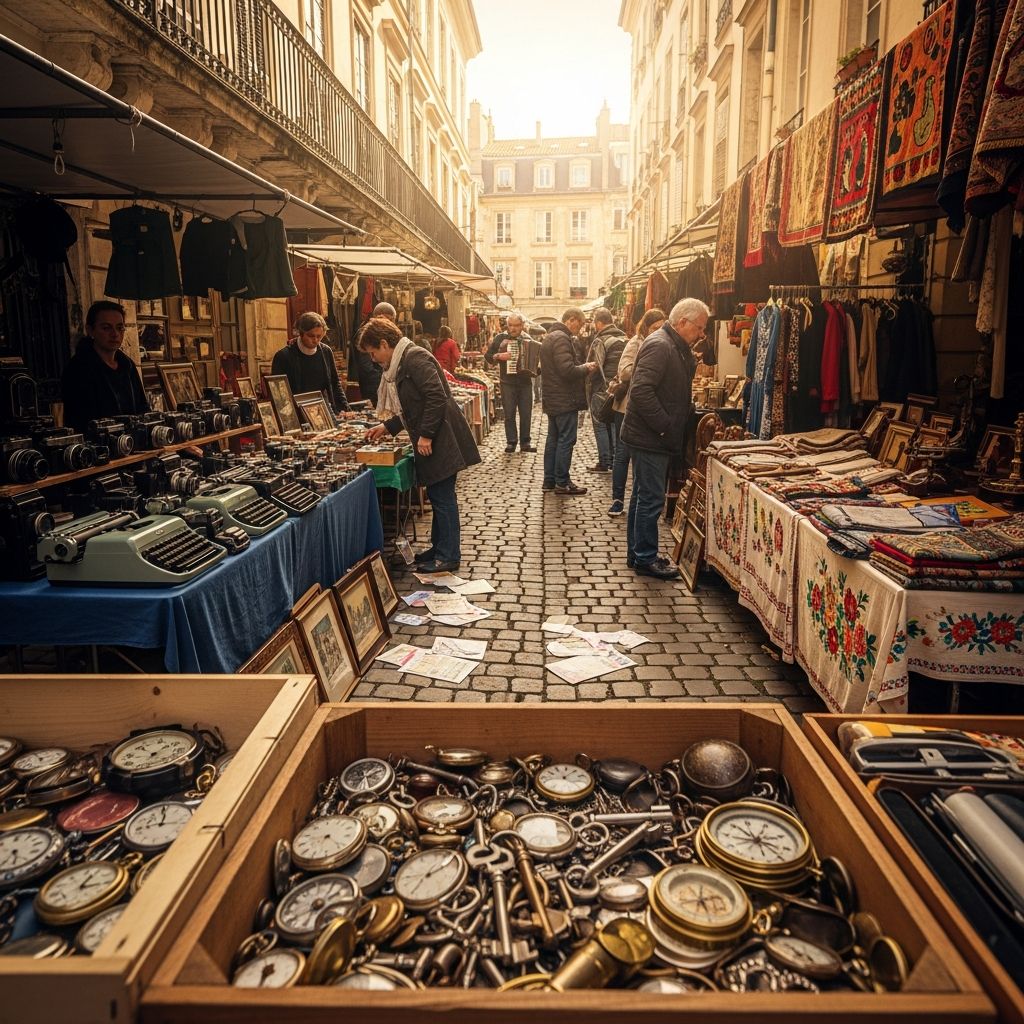
Traversing the cobblestone streets of Europe’s vibrant flea markets offers more than just shopping—it’s a cultural immersion into centuries of history, craftsmanship, and storytelling. From the grandest marketplace spanning dozens of city blocks to intimate neighborhood stalls tucked away in historic quarters, Europe’s flea markets present unparalleled opportunities for collectors, vintage enthusiasts, and casual treasure hunters alike. Each market carries its own personality, shaped by local heritage, regional traditions, and the passionate vendors who curate collections passed down through generations.
The Majesty of Grand-Scale Markets: Where Scale Meets Spectacle
Europe’s largest flea markets operate on a scale that defies imagination. The Braderie de Lille in northern France stands as Europe’s most expansive flea market, tracing its origins back to the 12th century. During the first weekend of September, this legendary event transforms the streets of Lille into a shopper’s paradise, with nearly three million visitors navigating 10,000 stalls spread across 62 miles of roadway. The abundance of merchandise ranges from oil paintings and leather-bound volumes to meticulously restored furniture and decorative curiosities, making it a pilgrimage destination for serious collectors and casual browsers alike.
The sheer volume of merchandise at markets of this magnitude means that patience and strategy become essential tools. Early morning arrivals provide advantages in terms of vendor availability and selection, though experienced collectors often visit multiple times throughout the event to build relationships with merchants and secure better pricing on desired items.
Iconic Metropolitan Markets: Urban Treasures in Capital Cities
Parisian Elegance: The World-Renowned Bazaar Experience
Paris maintains its position as a premier destination for flea market enthusiasts through the Marché aux Puces St-Ouen, located in the 18th arrondissement. Originally established in the 1870s by ragpickers seeking economic opportunity, this market has evolved into one of the world’s most prestigious antique and second-hand venues. With approximately 2,000 traders operating within the market’s sprawling corridors, annual foot traffic exceeds five million visitors. The market’s organization by specialty merchants creates distinct zones: Marché Vernaison features toys, glassware, and collectible memorabilia, while Marché Dauphine specializes in vinyl records, antiquarian books, and museum-quality antiques.
London’s Bohemian Boulevard: Decades of Character
Portobello Road Market in West London presents a different aesthetic entirely, drawing inspiration from its multicultural neighborhood and bohemian heritage. Operating continuously since the 1860s, this legendary marketplace maintains its cultural relevance by blending weekend flea market operations with weekday fresh produce vendors. The market’s famous rainbow-painted townhouse backdrop creates an instantly recognizable visual identity that attracts photographers and shoppers in equal measure. Collector’s items range from mid-century fashion pieces to vintage cameras, rare vinyl recordings, and period-authentic jewelry. Weekend shopping provides optimal selection, with Saturday representing the busiest operational day.
Specialized Market Destinations: Regional Treasures and Niche Collections
Berlin: Where Counterculture Meets Craftsmanship
Berlin’s vintage shopping landscape reflects the city’s historical complexity and creative renaissance. The Mauerpark Flea Market operates every Sunday, attracting designers, travelers, and local collectors hunting for distinctive pieces. This venue specializes in mid-century furniture, contemporary streetwear, artistic prints, vinyl records, and home furnishings. The Arkonaplatz market focuses on items from the German Democratic Republic era, featuring distinctive lamps, GDR-design furniture, and historically significant home accessories. The concentration of multiple quality markets within Berlin makes it an ideal multi-day destination for comprehensive vintage shopping.
Italian Sophistication: Milan and Beyond
Milan’s East Market represents a newer addition to Europe’s flea market scene, yet has rapidly established itself as a premier venue for fashion-forward vintage seekers. Taking inspiration from London’s celebrated markets, East Market Milano was founded on principles of celebrating pre-owned goods and sustainable consumption. The venue features professional dealers specializing in retro fashion, vintage homeware, and curated collectible pieces. The Naviglio Grande market, operating on the final Sunday of each month, represents one of Italy’s most celebrated antique venues, featuring antique furniture, Italian fashion archives, artistic works, and fine jewelry within a charming canal-side setting.
Barcelona’s Mediterranean Market Culture
Barcelona’s vintage shopping extends beyond singular markets into an ecosystem of boutiques and weekly venues. Mercat dels Encants, one of Europe’s oldest markets, now operates from a modern architectural facility while maintaining historical authenticity. The market functions four days weekly and specializes in furniture, clothing, decorative objects, and collectible memorabilia. El Raval’s numerous kilo shops and retro boutiques complement larger venue shopping, offering affordable vintage fashion and unique finds within intimate shop settings.
Northern European Sustainability Focus: Amsterdam and Copenhagen’s Markets
Amsterdam’s flea market culture reflects broader Dutch commitment to sustainable consumption and environmental consciousness. The IJ-Hallen Flea Market operates monthly from a waterfront venue housing over 700 vendor stalls, making it one of Europe’s most expansive single-venue operations. The market’s merchandise spans clothing, furniture, bicycles, and mixed collectible items, reflecting Amsterdam’s bicycle culture and second-hand shopping ethos. Amsterdam’s broader thrift store infrastructure and second-hand culture create favorable conditions for multiple shopping opportunities throughout the city.
Portugal’s Historic Marketplace: Lisbon’s Living Legacy
Feira da Ladra in Lisbon operates twice weekly, maintaining traditions stretching back centuries. Held in Campo de Santa Clara, this market offers an eclectic assortment of vintage clothing, paintings, textiles, handcrafted items, and Portuguese azulejos (decorative tiles). The market’s historical significance and consistent operations make it a reliable destination for collectors seeking authentic Portuguese goods and vintage European items.
Central European Discoveries: Warsaw and Budapest
Bazar na Kole in Warsaw’s Wola district captures the city’s unique cultural position, blending Bohemian artistic traditions with Communist-era historical artifacts. Operating Saturday and Sunday mornings, this market specializes in vintage stamps, literary collections, vinyl recordings, historical paintings, rustic furniture, decorative timepieces, silverware, and folksy ceramics. The distinctive character reflects Polish architectural and domestic heritage in ways unavailable in Western European markets.
Budapest’s Ecseri Flea Market operates daily, offering one of Central Europe’s most comprehensive vintage selections. The market features everything from decorative chandeliers and textile collections to vintage toys and period furniture, positioning it as Budapest’s premier thrifting destination.
Strategic Shopping Approaches: Maximizing Your Flea Market Experience
Timing Considerations
- Morning arrivals provide superior selection and vendor enthusiasm
- Off-peak seasons offer reduced crowds and better negotiation opportunities
- Weekend operations often feature larger vendor participation than weekday markets
- Annual signature events attract international dealers with specialized inventory
Preparation and Research Tactics
- Establish budget parameters before visiting to maintain spending discipline
- Research vendor specializations to prioritize market zones efficiently
- Photograph desired items from online listings to use as reference guides
- Build relationships with consistent vendors across multiple market visits
- Understand local currency and typical pricing structures for your target merchandise
Market Comparison Table
| Market Name | Location | Operating Schedule | Specialty Items | Best For |
|---|---|---|---|---|
| Braderie de Lille | Lille, France | First weekend, September | Furniture, art, books | Large-scale treasure hunting |
| Marché aux Puces St-Ouen | Paris, France | Year-round | Antiques, collectibles | Serious collectors |
| Portobello Road | London, UK | Friday–Sunday | Fashion, jewelry, vinyl | Bohemian atmosphere |
| Mauerpark | Berlin, Germany | Every Sunday | Furniture, fashion, records | Creative pieces |
| IJ-Hallen | Amsterdam, Netherlands | Monthly | Mixed items, bicycles | Sustainable shopping |
Common Questions About European Flea Markets
What represents the best time to visit European flea markets?
Early morning hours across most venues provide optimal selection and vendor interaction opportunities. Weekend operations typically feature larger vendor participation than weekday markets, and visiting during shoulder seasons (spring and autumn) reduces crowds while maintaining good merchandise availability.
How do payment methods vary across European flea markets?
While cash remains the predominant payment method in many European markets, particularly in Eastern European venues, increasingly Western European markets accept card payments and mobile payment systems. Carrying multiple payment forms ensures transaction flexibility across diverse markets.
Should shoppers anticipate price negotiation opportunities?
Price negotiation remains acceptable practice in most European flea markets, particularly for higher-value items or multiple-item purchases. Respectful negotiation, especially during slower periods, often yields discounted pricing while maintaining positive vendor relationships.
What preparation proves most valuable before market visits?
Researching market specializations, establishing clear budget parameters, and understanding typical pricing enables efficient shopping. Building vendor relationships across multiple visits frequently results in first access to new inventory and preferential pricing.
Regional Market Characteristics and Cultural Context
European flea markets reflect regional historical experiences and cultural priorities. Western European markets emphasize design aesthetics and bourgeois collecting traditions, while Central European venues incorporate Communist-era artifacts and folk traditions. Northern European markets prioritize sustainability consciousness and second-hand culture integration into daily consumption patterns.
Understanding these regional contexts enriches the shopping experience, transforming simple transactions into cultural explorations. A 1950s East German lamp at Berlin’s Arkonaplatz carries different historical significance than identical mid-century design found in Western markets. This contextual richness makes European flea market shopping distinct from standardized retail experiences.
Building Collections and Long-Term Collecting Strategies
Serious collectors benefit from systematic approaches to European flea market shopping. Identifying collecting focuses—whether vintage fashion, mid-century furniture, decorative arts, or regional crafts—enables strategic market selection and vendor relationship development. Repeat visits to established markets facilitate collection building as vendors recognize returning customers and offer advance notice of acquisitions matching known preferences.
Photography documentation of existing collections helps vendors identify compatible items, while establishing communication channels enables dealers to alert collectors about relevant acquisitions between market visits. This systematic approach transforms opportunistic shopping into purposeful collection development.
Sustainable Consumption and Market Culture
European flea markets embody sustainable consumption principles that extend beyond environmental benefit to include cultural preservation and economic accessibility. By extending merchandise lifecycles through second-hand markets, consumers participate in environmental sustainability while accessing quality goods at reduced prices. Markets simultaneously provide livelihoods for vendors and preserve cultural artifacts that might otherwise be discarded or lost to history.
This alignment between consumer practice and cultural values creates the distinctive atmosphere distinguishing European flea markets from contemporary retail environments. Participating in these markets represents conscious engagement with material culture and historical continuity rather than mere commercial transaction.
Europe’s flea markets ultimately represent far more than shopping venues—they function as cultural institutions preserving heritage, facilitating artistic expression, enabling sustainable consumption, and creating community gathering spaces. Whether pursuing specific collector objectives or embracing serendipitous discoveries, these markets offer incomparable opportunities for engagement with European history, craftsmanship, and cultural diversity.
References
- Best Cities for Vintage Shopping in Europe – Discover Europe’s Coolest Flea Markets — Leonardo Hotels. 2024. https://www.leonardo-hotels.com/blog/best-cities-for-vintage-shopping-in-europe-discover-europes-coolest-flea-markets
- The Collector’s Guide to Europe’s Best Flea Markets — Glassette. 2024. https://www.glassette.com/discover/the-culture-drop/europes-best-flea-markets
- 9 of Europe’s Best Flea Markets for Vintage Trinkets — Lonely Planet. 2024. https://www.lonelyplanet.com/articles/europe-best-flea-vintage-markets
Similar Articles








Read full bio of medha deb