Exploring Bryce Canyon: A Complete Adventure Guide
Discover stunning hoodoos, scenic trails, and natural wonders at Bryce Canyon National Park
Understanding Bryce Canyon’s Geological Formation
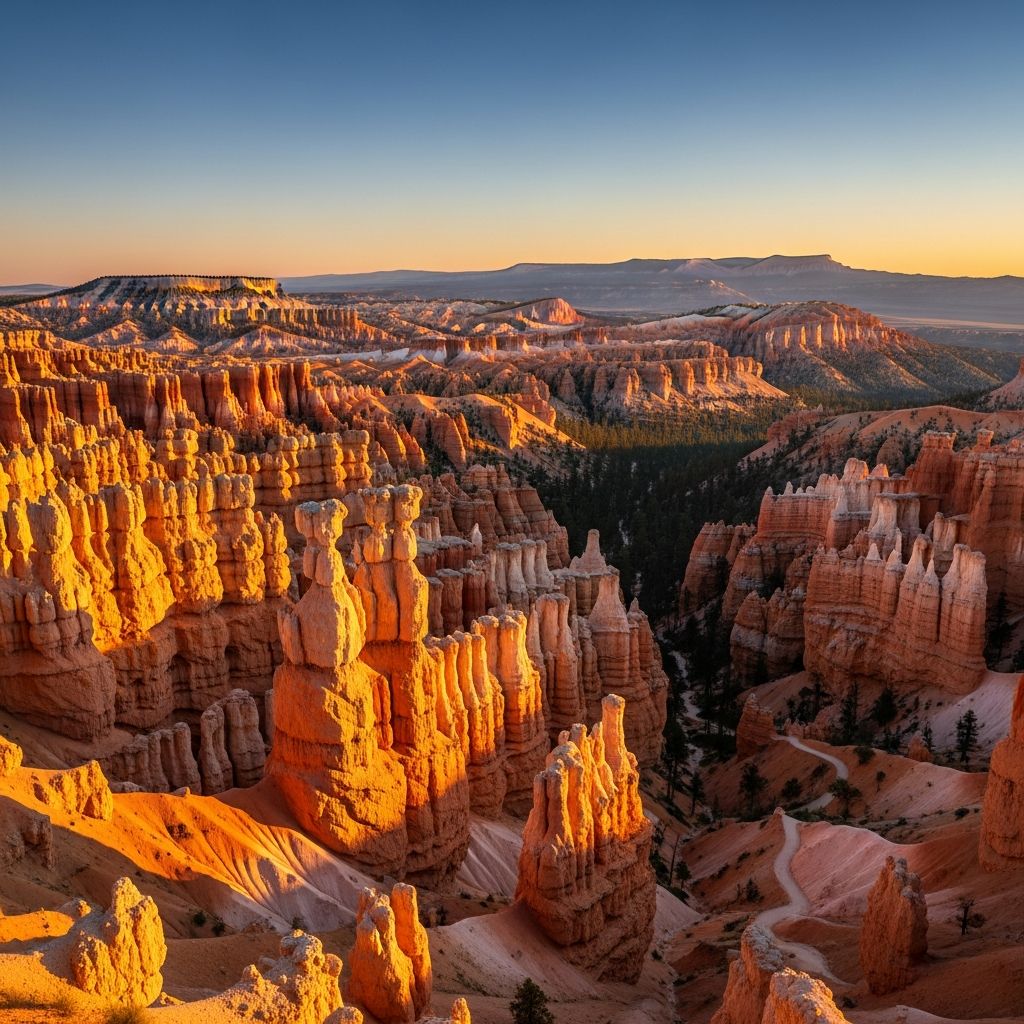
Bryce Canyon National Park stands as one of North America’s most distinctive natural attractions, characterized by its remarkable geological features that differ significantly from traditional canyon formations. Rather than being a single massive canyon carved by a river, Bryce Canyon comprises a series of natural amphitheaters—large bowl-shaped formations etched into the eastern face of a high plateau. These amphitheaters create an otherworldly landscape filled with thousands of distinctive rock spires known as hoodoos, which are irregularly eroded pillars that rise dramatically from the canyon floor.
The park’s most iconic feature is the Bryce Amphitheater, recognized as the primary attraction that draws visitors from around the world. This geological wonder showcases the largest collection of hoodoos anywhere on Earth, with these rust-colored stone formations creating a mesmerizing visual landscape that shifts in appearance throughout the day as sunlight angles change. The elevation of the park, which reaches over 9,000 feet in its southern sections, contributes to the dramatic erosion patterns that have sculpted these formations over millions of years.
Strategic Planning for Your Park Visit
Bryce Canyon presents a relatively straightforward layout that simplifies visitor planning compared to larger national parks. The park features a single entrance located at the northern terminus and one main road that extends 18 miles southward along the plateau rim, concluding at Rainbow Point. This linear design allows visitors to progress methodically from north to south, stopping at various pullouts and trailheads without the risk of missing major attractions.
The drive from the entrance to the southern terminus typically requires 30 to 40 minutes of driving time without stops, though most visitors allocate considerably more time to explore viewpoints and begin hiking adventures. During peak season from April through October, a complimentary shuttle service operates within the Bryce Amphitheater area, reducing parking congestion and providing convenient transportation between major viewpoints for those preferring not to drive repeatedly.
Primary Viewpoint Destinations
The park’s most visited viewpoints are concentrated within the first few miles of the park entrance, making them accessible to visitors with limited time or mobility constraints. These four main viewpoints provide distinctive perspectives of the hoodoo formations:
- Sunrise Point: An ideal morning destination offering unobstructed views of the Bryce Amphitheater and serving as a trailhead for several popular hiking routes
- Sunset Point: Located adjacent to Sunrise Point, this viewpoint provides optimal lighting conditions during late afternoon hours and serves as another major trailhead
- Inspiration Point: Positioned slightly south of the primary viewpoints, this location offers expanded panoramic vistas and connects to cycling paths
- Bryce Point: The northernmost major viewpoint, featuring some of the most expansive views across multiple amphitheaters
Beyond these primary destinations, an additional 18 miles of scenic driving reveals numerous secondary viewpoints distributed along the main road, each offering unique perspectives of the canyon system and surrounding landscapes.
Hiking Experiences for Every Fitness Level
Bryce Canyon offers a diverse selection of hiking opportunities ranging from leisurely rim walks to challenging backcountry expeditions. The trail system accommodates beginners, intermediate hikers, and experienced mountaineers, ensuring that visitors of varying abilities can engage with the park’s natural features.
Accessible Rim-Based Trails
For visitors seeking modest exertion, the Rim Trail provides a paved pathway that traces the plateau’s upper edge, offering consistent views of the hoodoo-filled bowls below. The section between Sunrise and Sunset Points spans approximately 1.2 miles and remains nearly flat, making it suitable for families with young children or individuals with mobility considerations. Extending further along the Rim Trail increases the distance and introduces modest elevation changes while maintaining views from above the canyon.
The Bristlecone Loop Trail, located near Rainbow Point at the park’s southern terminus, offers a one-mile circuit through high-elevation forest. This trail provides an easy walking experience while rewarding hikers with views of ancient bristlecone pines, some exceeding 1,600 years in age. The Mossy Cave Trail, a one-mile roundtrip option, follows a stream and introduces visitors to unique water-fed ecosystems within the park.
Intermediate Descending Hikes
The Queen’s Garden Trail represents one of Bryce Canyon’s most accessible options for visitors seeking to descend below the rim. This 1.8-mile roundtrip path follows switchbacks downward into the hoodoo landscape, providing intimate perspectives of the distinctive rock formations. The trail typically requires 60 to 90 minutes to complete and showcases the variety of erosion patterns that create the canyon’s dramatic topography.
The Navajo Loop Trail stands as arguably the most iconic hiking experience within the park, widely recognized from social media imagery and travel publications. This 1.5-mile descent features approximately 515 feet of elevation change and winds through two distinct canyons surrounded by towering hoodoos and ponderosa pine forests. Hikers following this route encounter the distinctive Thor’s Hammer formation and experience the impressive switchback descent that characterizes Bryce Canyon’s most famous hiking segment.
Combination Routes and Advanced Options
The Queen’s Garden–Navajo Loop Combination represents the most popular comprehensive hiking experience in Bryce Canyon, merging two separate trails into a single route that showcases the park’s signature features within a manageable timeframe. This combination trail typically requires 2 to 3 hours to complete and provides varying perspectives of hoodoo formations while incorporating the iconic switchback section.
For experienced hikers seeking extended wilderness experiences, the Under-the-Rim Trail extends 22.9 miles from Bryce Point to Rainbow Point, constituting the park’s longest continuous hiking route. This backcountry trail offers solitude and comprehensive views of multiple canyon systems but demands substantial endurance and preparation.
Alternative Ways to Experience the Landscape
Beyond traditional hiking, Bryce Canyon provides multiple transportation methods for exploring its distinctive geography.
Cycling Adventures
Bicycle enthusiasts can utilize the park’s cycling infrastructure to reach major trailheads and viewpoints without relying on vehicles. The paved multiuse path accommodates cyclists heading toward Inspiration Point and extends beyond the park boundaries into Red Canyon, revealing additional hoodoo formations and geological wonders outside Bryce’s official borders.
Equestrian Experiences
During summer months, concessionaire-operated horseback riding programs allow visitors to explore the canyon environment from a unique perspective. These guided rides provide access to trails that may be less crowded than typical hiking routes while offering a distinctive way to experience the landscape.
Engagement Through Educational Programming
Bryce Canyon National Park offers structured learning opportunities that deepen visitor understanding of geological processes, natural history, and ecological relationships. Ranger-led programs include daily geology presentations explaining hoodoo formation, guided rim walks highlighting landscape features, and evening programs providing historical and cultural context. Astronomy programs take advantage of the park’s relatively dark skies and high elevation to provide stargazing experiences with professional guidance. Junior Ranger programs introduce younger visitors to park management and natural science concepts through interactive activities.
Lodging and Accommodation Options
Visitor accommodations within and near the park provide choices suitable for different preferences and budget considerations.
In-Park Facilities
Bryce Canyon Lodge operates during summer months, offering historic lodging within park boundaries. For winter visitors, the Sunset Hotel provides accommodation options when the main lodge closes seasonally. Two campground locations facilitate tent and RV camping, with one remaining open during winter for cold-weather camping experiences.
Nearby Community Resources
The town of Bryce Canyon City, located outside the park entrance, hosts additional hotels and dining establishments serving visitors seeking accommodations and services not available within park boundaries. These external facilities often provide extended operating seasons and diverse dining options compared to limited in-park establishments.
Practical Visitor Information
Operating Hours and Seasonal Considerations
Park hours typically extend from 8 AM to 8 PM during peak season, with reduced hours during fall and spring periods and even more limited access during winter months. These seasonal variations accommodate different weather conditions and daylight availability throughout the year.[10]
Vehicle Restrictions and Navigation
Vehicles exceeding 23 feet in length face parking restrictions within the Bryce Amphitheater area during shuttle operating hours, necessitating alternative parking strategies for large vehicle operators. The linear park layout simplifies navigation, as all major viewpoints and trailheads are accessible via the single main road, with attractions located on the left side while traveling south.
Best Times for Specific Activities
| Activity | Recommended Season | Key Considerations |
|---|---|---|
| Sunrise/Sunset Viewing | Spring through Fall | Clear skies most reliable; summer crowds heaviest |
| Hiking Below Rim | May through September | Snow prevents safe descent other months |
| Astronomy Programs | Spring and Fall | Dark skies and moderate temperatures optimal |
| Photography | October and April | Golden light angles; fewer visitors |
| Horseback Riding | June through August | Snow restricts trail access other seasons |
Photography and Scenic Opportunities
Bryce Canyon’s distinctive geological formations provide exceptional photography opportunities throughout the day. Sunrise produces warm, directional lighting that accentuates hoodoo contours and creates dramatic shadows within the amphitheater. Late afternoon light generates rich golden and orange tones that emphasize the rock formations’ color variations. Twilight hours offer deep blue skies complementing the reddish hoodoos, while night skies at this high elevation and remote location showcase exceptional star visibility for astrophotography. Strategic positioning at various viewpoints and trailhead locations enables photographers to capture diverse compositional perspectives of the landscape.
Frequently Asked Questions
How much time should visitors allocate for a Bryce Canyon visit?
A single day permits visitors to drive the main scenic route, visit multiple viewpoints, and complete one or two hiking trails. Two to three days allows more comprehensive exploration including multiple hikes of varying difficulty and participation in educational programs.
What hiking difficulty should first-time visitors attempt?
The Queen’s Garden Trail provides an excellent introductory descent experience, offering manageable distance and elevation change while delivering memorable hoodoo perspectives. The Rim Trail serves those preferring minimal elevation gain.
Is advance reservation necessary for park entry?
No entrance reservation requirement exists, though parking at popular viewpoints may prove challenging during peak season midday hours. Visiting early morning or late afternoon improves parking availability.
What physical conditions characterize the hiking experience?
Trails descending below the rim involve significant elevation changes and altitude considerations due to high park elevation. Adequate hydration, sun protection, and appropriate footwear remain essential for safe hiking experiences.
Are pets permitted within the park?
Pets may accompany visitors on rim-level areas and certain trails but are prohibited on many hiking paths descending into the canyon. Specific regulations should be verified with park rangers upon arrival.
Preparation and Safety Considerations
Visitors should prepare appropriately for Bryce Canyon’s high elevation and variable weather conditions. Summer temperatures range from warm daytime conditions to cold evening temperatures, necessitating layered clothing. Winter visits require substantial winter gear due to snow and below-freezing conditions. Sun protection including sunscreen, hats, and sunglasses proves essential due to intense high-altitude UV exposure. Hiking boots with ankle support provide optimal safety on rocky, uneven terrain characteristic of canyon trails. Carrying adequate water and snacks supports sustained hiking performance and prevents dehydration at altitude.
Visitors with respiratory conditions or cardiac concerns should consult healthcare providers before engaging in strenuous hiking, as the elevation of 9,000+ feet may present challenges for those unaccustomed to high-altitude environments.
References
- Plan Your Visit – Bryce Canyon National Park — U.S. National Park Service. Accessed April 2026. https://www.nps.gov/brca/planyourvisit/index.htm
- A first-time guide to Bryce Canyon National Park — Lonely Planet. https://www.lonelyplanet.com/articles/guide-to-bryce-canyon-national-park
- Bryce Canyon Visitor Guide — U.S. National Park Service. Updated July 2024. https://www.nps.gov/brca/planyourvisit/upload/Bryce_Canyon_Visitor_Guide_508-07112024.pdf
- 15 Best Things to Do in Bryce Canyon National Park — Noah Lang Photography. https://noahlangphotography.com/blog/best-things-to-do-bryce-canyon-national-park
- Plan Your Bryce Canyon Trip | Itinerary Guide — We’re in the Rockies. https://wereintherockies.com/bryce-canyon-itinerary/
- Bryce Canyon Travel Guide — Utah.com. https://www.utah.com/destinations/national-parks/bryce-canyon-national-park/visitor-information/free-travel-guide/
Similar Articles








Read full bio of Sneha Tete