Humboldt County: 5 Must-See Stops On The 31-Mile Scenic Drive
Discover ancient redwood forests, pristine coastlines and outdoor adventures in California's crown jewel.
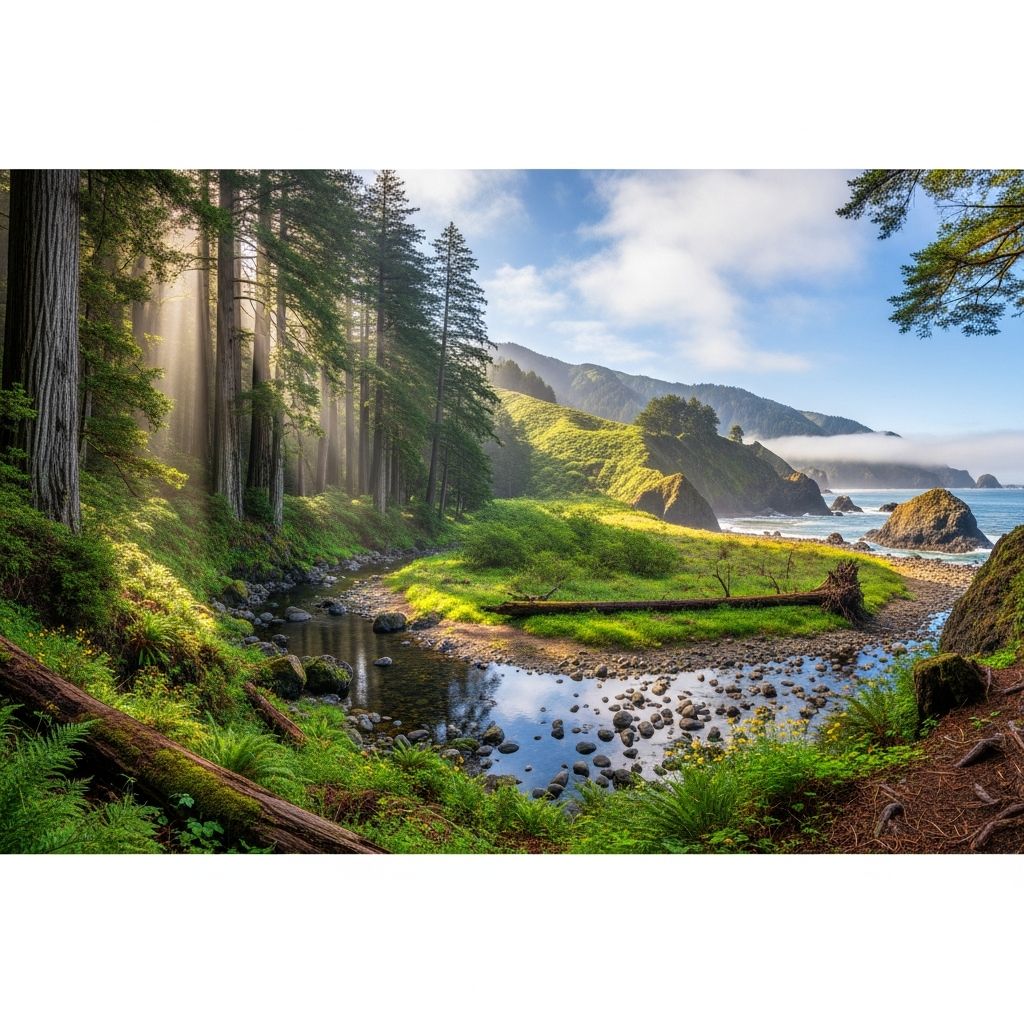
Nestled along California’s North Coast, Humboldt County represents one of North America’s most spectacular natural destinations. This remarkable region encompasses a diverse landscape where towering ancient forests meet the dramatic Pacific shoreline, creating a unique ecosystem that attracts nature enthusiasts, adventure seekers, and conservationists from around the world. The county’s significance extends beyond its aesthetic appeal; it serves as a sanctuary for some of Earth’s most magnificent living organisms and plays a crucial role in ecological preservation.
The Ecological Significance of Humboldt County’s Forests
The ancient redwood forests of Humboldt County represent an irreplaceable natural treasure. More than 45 percent of California’s remaining protected old-growth coast redwood forests are located within this region, with the vast majority contained within Redwood National Park. These towering giants have stood for centuries, creating a cathedral-like atmosphere beneath their canopy that profoundly impacts visitors from their first moment of arrival.
The old-growth redwood ecosystem supports a complex web of life. These forests regulate water cycles, prevent erosion, and provide habitat for numerous species. The forest floor itself becomes a living museum, where fallen giants slowly decompose, nourishing new generations of growth and creating the distinctive multi-layered structure that characterizes healthy redwood stands.
Coastal Treasures and Beach Exploration
Beyond the forest interior, Humboldt County boasts more than 110 miles of coastline that presents exceptional opportunities for beachcombing and coastal exploration. This stretch of Pacific shoreline features dramatic rock formations, secluded coves, and pristine beaches that remain relatively undiscovered compared to southern California destinations. The rugged coastline creates an environment where visitors can observe tide pools teeming with marine life, discover smooth pebbles and agates, and witness the raw power of the Pacific Ocean.
The coastal environment changes dramatically with the seasons and tides, offering different experiences throughout the year. Spring brings wildflower blooms on coastal bluffs, summer offers calm waters and accessibility to sea stacks, while autumn and winter provide dramatic wave action and the possibility of observing migrating gray whales.
Canyon Immersion: Exploring the Deep Landscape
One of the most distinctive geological features in the region involves the unique canyon systems that cut through the forested landscape. These natural formations showcase millions of years of geological evolution and provide some of the most dramatic hiking experiences in Northern California. The canyon floors, sheltered by towering cliff walls and lush vegetation, create microclimates where ferns and moisture-loving plants thrive in perpetual shade.
Accessing these canyon environments typically requires pedestrian exploration, with most trailheads located near visitor facilities that provide orientation and safety information. The descent into these canyons rewards hikers with views of waterfalls, pristine streams, and geological formations that illustrate the region’s complex tectonic and erosional history.
Rocky Promontories and Cultural Sites
The county’s coastline features distinctive rocky outcrops and headlands that provide panoramic vistas of the Pacific landscape. These dramatic geographical features have served as navigation landmarks for centuries and continue to attract visitors seeking unobstructed ocean views. The interaction between rock formations and coastal currents creates distinct ecological zones where marine life congregates.
In addition to natural wonders, the region contains important cultural sites that reflect the heritage of indigenous peoples who inhabited these lands long before European contact. These locations often include reconstructed traditional structures that demonstrate historical building techniques, social organization, and resource management practices. Such sites provide essential context for understanding the human dimension of the landscape and the deep connection between indigenous cultures and the natural environment.
Scenic Routes and Automotive Adventures
One of the most celebrated driving experiences in North America traverses through Humboldt County’s interior, offering a 31-mile scenic corridor that winds through some of the world’s most impressive old-growth redwood groves. This historic route follows a path that has been used for over a century, with the road itself becoming part of the region’s cultural landscape.
Along this scenic corridor, several key stops provide opportunities for exploration:
- Historic groves featuring some of the tallest and most massive individual trees documented in the region
- Loop trails ranging from short family-friendly walks to more challenging day hikes
- Picnic areas nestled among the ancient trees
- Interpretive centers explaining forest ecology and history
- Small communities offering supplies, accommodations, and services
Iconic Forest Destinations
Within Humboldt County’s protected lands, several locations have achieved recognition for their exceptional beauty and accessibility. These destinations showcase different aspects of old-growth redwood ecology and offer varying levels of physical challenge for visitors of different abilities.
The most celebrated groves feature individual trees that have become well-known among forest enthusiasts. These specific specimens often reach heights exceeding 340 feet and circumferences of 50 feet or greater, representing some of the largest living organisms on Earth. Loop trails connecting these forest giants allow visitors to experience multiple generations of trees and observe the intricate relationships between the forest canopy, understory vegetation, and forest floor.
For visitors seeking less-crowded experiences, alternative routes lead to equally impressive old-growth stands that receive significantly fewer annual visitors. These quieter destinations often provide more intimate encounters with the forest environment and opportunities for wildlife observation, bird watching, and photography without the congestion of more famous locations.
Visitor Centers and Educational Resources
Strategic locations throughout Humboldt County provide visitor orientation, safety information, and educational programming. These facilities serve as gateways to outdoor exploration and offer essential context about the region’s natural and cultural significance. Many centers feature exhibits explaining forest succession, wildlife ecology, conservation efforts, and indigenous history.
Staff at these facilities provide current information about trail conditions, weather patterns, wildlife activity, and accessibility options. Guided programs, ranger-led walks, and interpretive talks enhance visitor understanding of the complex ecological relationships that sustain the region.
Indigenous Heritage and Cultural Presence
The Yurok people maintain a living presence in Humboldt County, with cultural sites and reconstructed villages providing windows into indigenous lifeways. Traditional reproductions showcase historical architectural styles, craft techniques, and settlement patterns that reflect centuries of adaptation to the coastal redwood environment. These cultural sites emphasize the deep knowledge indigenous peoples developed regarding sustainable resource management, seasonal migrations, and ecological relationships.
Museums and interpretive centers throughout the county contextualize this indigenous heritage within the broader history of human occupation and environmental stewardship. Understanding this cultural dimension adds meaningful layers to appreciation of the natural landscape.
Outdoor Recreation Opportunities
Beyond walking and driving, Humboldt County accommodates diverse outdoor recreational interests:
- Hiking and Backpacking: Trails ranging from hour-long strolls to multi-day wilderness treks
- Kayaking and Paddling: Opportunities to explore bays, estuaries, and river systems from water-level perspectives
- Biking Adventures: Both mountain biking on forest trails and road biking along scenic corridors
- Wildlife Observation: Opportunities to view elk herds, sea lions, migratory birds, and marine mammals
- Photography: Countless vantage points and lighting conditions throughout seasons
- Fishing: River, stream, and ocean fishing opportunities with appropriate permits
Planning Your Visit to Humboldt County
Successful Humboldt County experiences require appropriate preparation. The region experiences variable weather conditions, with fog common during summer months and heavy rainfall during winter. Appropriate clothing layers, sturdy footwear, and sun protection remain essential regardless of season.
The county’s geographic scale means that visiting multiple destinations often requires strategic planning and realistic time allocation. While all major attractions lie within approximately 100 miles of each other, travel times between locations can extend substantially due to winding roads and scenic viewpoint stops.
Accommodation options range from rustic camping facilities to small inns and vacation rentals. Many small communities along major routes provide services, though these towns often operate with limited hours and seasonal variations. Advance reservations, particularly during summer months, ensure access to preferred accommodations.
Conservation and Sustainable Visitation
As visitor numbers increase, conservation concerns become increasingly important. Responsible tourism practices help preserve the ecosystems that make Humboldt County exceptional. Visitors are encouraged to stay on marked trails, pack out all waste, respect wildlife observation distances, and support local conservation organizations.
The delicate balance between providing public access and protecting fragile ecosystems requires conscious choices by every visitor. By adopting sustainable practices, travelers contribute to ensuring that future generations can experience these ancient forests and pristine coastal environments.
Frequently Asked Questions
What is the best time to visit Humboldt County?
Summer and early fall offer the most reliable weather, though fog is common. Late spring provides wildflower blooms, while winter offers dramatic coastal scenery and fewer visitors. Each season provides distinct advantages depending on your interests.
Are these trails suitable for families with young children?
Many locations offer short loop trails and accessible pathways. However, some destinations require significant hiking ability. Visitor centers provide detailed information about difficulty levels and accessibility features.
What wildlife might I observe?
Common sightings include Roosevelt elk, black-tailed deer, sea lions, harbor seals, bald eagles, and diverse bird species. Marine mammals including gray whales occasionally appear during migration seasons.
Can I camp in Humboldt County?
Yes, numerous campgrounds range from developed facilities with amenities to primitive backpack camping. Reservations are strongly recommended, especially during summer months.
How long should I plan for a Humboldt County visit?
Three to five days allows visitors to experience multiple major destinations and participate in various activities. Extended stays enable deeper exploration and more leisurely pacing.
Humboldt County stands as a testament to the enduring power of pristine natural environments. The convergence of old-growth redwood forests and rugged Pacific coastline creates an irreplaceable landscape that inspires reflection, rejuvenation, and renewed appreciation for the natural world’s magnificence. Whether visitors seek solitude amid ancient groves, adventure along dramatic coasts, or cultural engagement with indigenous heritage, this remarkable region delivers transformative experiences that resonate long after departure.
References
- Redwood National Park Official Site — National Park Service, U.S. Department of Interior. https://www.nps.gov/redw/index.htm
- Avenue of the Giants Scenic Drive — California State Parks. https://www.parks.ca.gov/humboldt-redwoods-state-park
Similar Articles








Read full bio of Sneha Tete