Mammoth Cave National Park: 4 Best Tours And Top Trails
Discover the world's longest cave system and its stunning surface trails in this comprehensive guide to unforgettable adventures.
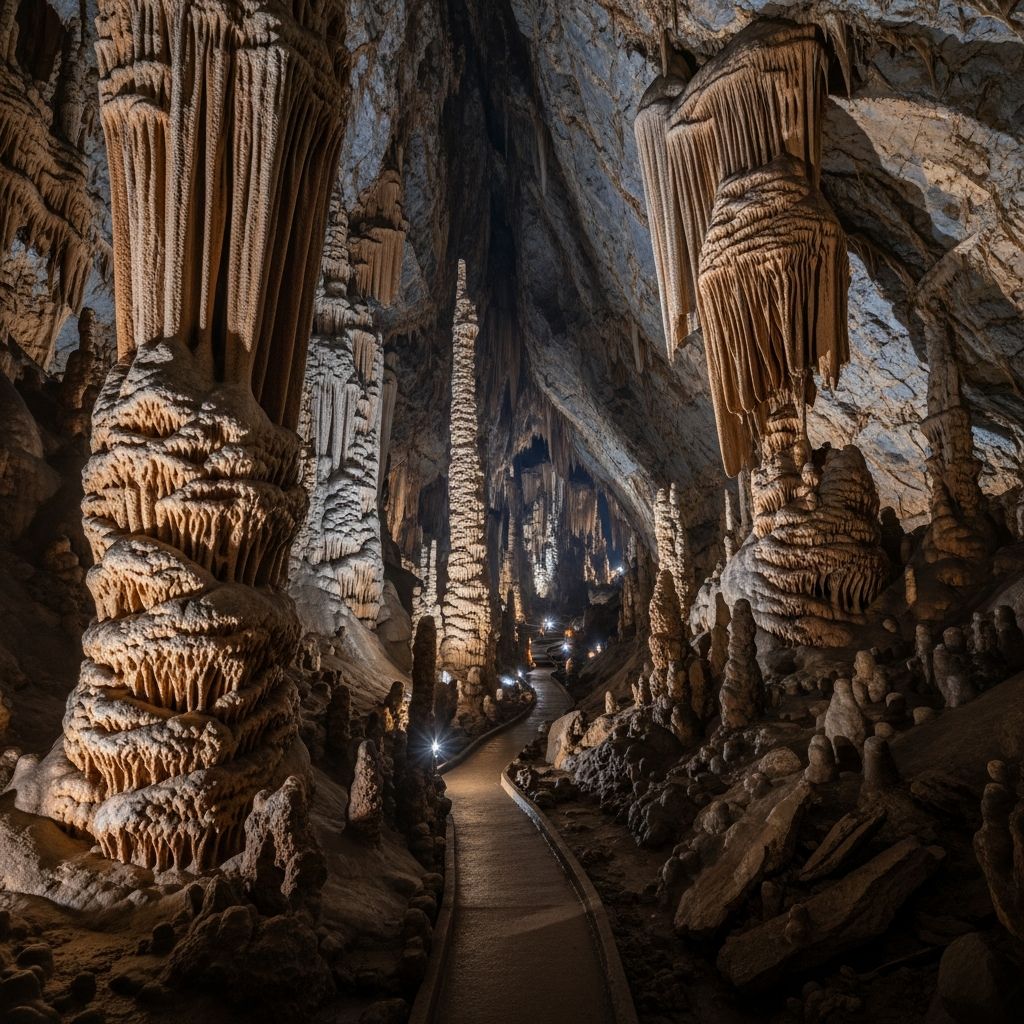
The world’s longest known cave system stretches beneath the rolling hills of central Kentucky, inviting adventurers to delve into its mysterious depths. Mammoth Cave National Park spans over 52,000 acres, offering not just subterranean wonders but also lush forests, rivers, and diverse wildlife. Whether you’re drawn to guided cave explorations or surface hikes, this park provides experiences for all levels of explorers.
Unveiling the Underground Marvels
At the heart of the park lies Mammoth Cave, with more than 400 miles of surveyed passages—far more than any other known cave network. These passages formed over millions of years through limestone dissolution by acidic rainwater, creating vast chambers, tight squeezes, and stunning formations. Public access is limited to about 14 miles via ranger-led tours, ensuring safety while preserving this natural treasure.
Temperatures inside remain a constant 54°F (12°C) year-round, with high humidity that demands preparation like sturdy shoes and light jackets. Lighting is dim, surfaces uneven, and many routes involve stairs or low ceilings, so physical readiness is key.
Choosing Your Cave Adventure
Mammoth Cave offers a spectrum of tours tailored to different interests and abilities. Reservations via recreation.gov are essential, as popular options sell out weeks ahead. Here’s a breakdown of standout experiences:
- Historic Tour (Self-Guided): Explore the original entrance, Rotunda, and early mining sites at your pace. Ideal for history buffs learning about 19th-century saltpeter extraction during the War of 1812. No ticket needed beyond park entry, but it’s a gentle 1-hour walk.
- Frozen Niagara Tour: A 1-hour introductory journey to dazzling dripstone formations resembling icy cascades. Perfect for families or first-timers with moderate stairs.
- Domes and Dripstones: Building on Frozen Niagara, this 2-hour moderate tour reveals towering domes and sparkling stalactites. Covers more ground with additional stair climbs.
- Wild Cave Tour: For thrill-seekers, a grueling 6-hour, 5-mile crawl through undeveloped passages. Expect mud, belly crawls, and helmets— the ultimate spelunking challenge.
Accessibility options include wheelchair-friendly tours, and service animals are permitted, but no pets, backpacks, or flash photography. Arrive 30 minutes early at the visitor center for check-in; some tours involve short bus rides.
| Tour Name | Duration | Difficulty | Highlights |
|---|---|---|---|
| Historic (Self-Guided) | 1 hour | Easy | History, wide passages |
| Frozen Niagara | 1 hour | Easy-Moderate | Formations, few stairs |
| Domes & Dripstones | 2 hours | Moderate | Domes, stalactites |
| Wild Cave | 6 hours | Strenuous | Crawling, off-trail |
Surface Trails and Outdoor Pursuits
Beyond the caves, the park’s 80+ miles of trails wind through hardwood forests, sinkholes, and karst landscapes. The Green River bisects the area, separating developed frontcountry from wild backcountry. Frontcountry trails near the visitor center offer easy loops:
- Cedar Sink Trail: 1.6-mile path to a massive collapse sinkhole revealing cave ceilings.
- Sand Cave Trail: Short hike to a cliffside cave once sheltering explorer Floyd Collins.
- Turnhole Bend Nature Trail: Boardwalk through wetlands teeming with birds.
- Sloan’s Crossing Pond Walk: Relaxed stroll around a serene pond.
- Mammoth Cave Railroad Bike & Hike Trail: Multi-use path for biking historic rail routes.
Backcountry adventures include paddling the Green or Nolin Rivers, mountain biking remote trails, or multi-day backpacking. Permits are required for overnight stays.
Camping and Lodging Essentials
Stay immersed with three frontcountry campgrounds—Mammoth Cave, Houchin Ferry, and Dugout Pond—offering sites for tents and RVs with amenities like restrooms and water. Backcountry camping thrives along rivers with primitive sites; secure a free permit at the visitor center.
Nearby options include lodges, cabins, and glamping, but book early for peak seasons (spring-fall). No park entrance fee exists, but cave tours start at $8-$60 per person.
Rich History of Discovery and Preservation
Indigenous peoples knew the cave for millennia, using it for rituals and minerals. European settlers mined saltpeter here in 1812 for gunpowder. Tragedies like Floyd Collins’ 1925 entrapment drew national attention, leading to preservation efforts. Designated a national park in 1941, ongoing mapping reveals new passages annually.
Today, rangers protect delicate formations and bat populations affected by white-nose syndrome. Research includes seismic monitoring and wildlife surveys.
Practical Planning Tips
Best Times to Visit: Spring (April-May) and fall (Sept-Oct) for mild weather and fewer crowds. Summers are busy and humid; winters quiet but chilly.
What to Pack: Closed-toe shoes, layers, flashlight (for surface), bug spray, plenty of water. Prohibited: weapons, tripods, child carriers in caves.
Getting There: Located 90 miles south of Louisville off I-65. Visitor center serves as hub; maps available there.
Family-Friendly Notes: Kids under 42 inches restricted from strenuous tours; nursing areas and junior ranger programs available.
Nearby Attractions and Day Trips
Extend your stay with the Mammoth Cave Railroad Bike & Hike Trail extension, river ferries, or ziplines. Nearby: Dinosaur World museum, Kentucky Down Under Adventure Zoo, and bourbon trails.
Frequently Asked Questions (FAQs)
Do I need tickets for the cave?
Yes, all guided tours require tickets purchased online or at the visitor center. Self-guided Historic Tour is free with park access.
Is Mammoth Cave wheelchair accessible?
Yes, the Accessibility Tour is fully wheelchair-friendly with ramps and elevators.
Can I bring my dog?
No pets on cave tours, but leashed dogs are welcome on surface trails.
How long are the cave tours?
From 45 minutes to 6 hours, depending on the type.
What’s the park entry fee?
Free entry, but tours have fees.
Conservation and Your Role
Leave No Trace principles are vital: stay on trails, avoid touching formations, report vandalism. Support bat conservation by cleaning gear to prevent white-nose spread.
References
- Cave Tours – Mammoth Cave National Park — National Park Service. 2023. https://www.nps.gov/maca/planyourvisit/cave-tours.htm
- Visiting Mammoth Cave National Park? Here’s Everything You Should See & Do — Kentucky Tourism. 2023-07-25. https://www.kentuckytourism.com/trip-planning/travel-inspiration/articles/2023/07/25/visiting-mammoth-cave-national-park-here’s-everything-you-should-see-do
- A Guide To Cave Tours in Mammoth Cave National Park — Great American Hikes. N/A. https://www.greatamericanhikes.com/post/a-guide-to-cave-tours-in-mammoth-cave-national-park
- Plan Your Visit – Mammoth Cave National Park — National Park Service. 2023. https://www.nps.gov/maca/planyourvisit/index.htm
Similar Articles







Read full bio of medha deb