Extend Phone Battery on the Go
Discover proven strategies to keep your devices powered during adventures, from urban trips to remote hikes.
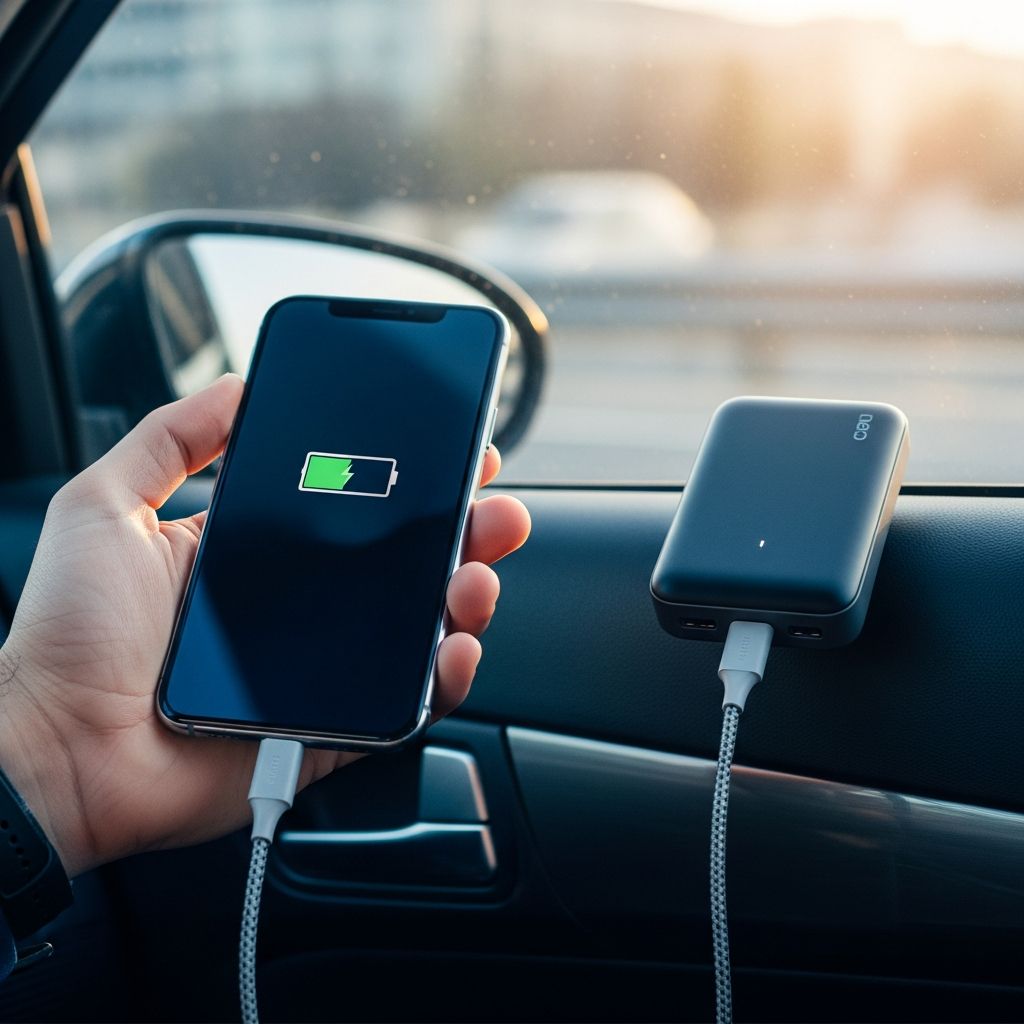
Your smartphone is indispensable for navigation, photos, and communication during travel. Yet, heavy usage quickly depletes batteries, especially in remote areas. This guide offers actionable methods to prolong power, drawing from expert travel and outdoor practices.
Master Device Settings for Efficiency
Optimizing internal configurations yields immediate gains without extra gear. Start by reviewing power usage patterns in your phone’s battery menu to pinpoint drain sources.
- Dim the display: Lower brightness manually or disable auto-adjust, as screens consume up to 40% of energy. Set timeout to 15-30 seconds.
- Enable power-saving modes: Activate low-power or battery saver at 20-30% charge; it curbs background tasks and visuals.
- Update software: Newer versions fix inefficiencies, improving runtime by several hours per charge.
These tweaks alone can double daily usage on moderate trips.
Manage Connectivity Wisely
Constant signal hunting in weak coverage areas accelerates drain. Strategic toggles prevent this.
| Feature | Action | Benefit |
|---|---|---|
| Airplane Mode | Enable in low-signal zones or flights | Blocks cellular/Wi-Fi searches, saving 20-50% power |
| Bluetooth | Disable unless pairing devices | Eliminates idle scanning |
| GPS/Location | Limit to apps needing it; download offline maps | Reduces real-time tracking drain |
| Background Refresh | Turn off for non-essential apps | Prevents silent data pulls |
Use airplane mode post-downloading maps for offline navigation, ideal for hikes or international roams.
Select and Pack Smart Charging Solutions
Portable power is vital for extended outings. Choose based on trip length and device needs.
- Capacity guide: 5,000mAh for day trips (1 full charge); 10,000-20,000mAh for multi-day (2-4 charges).
- Features to prioritize: Multiple USB ports, quick-charge support, lightweight under 200g.
- Brands matter: Reliable options like those from established makers ensure safety and output.
- Extras: Spare short cables resist wear; solar variants for sunny exposures.
Calculate needs: Average phone uses 3,000-5,000mAh daily. Pack accordingly and charge opportunistically.
Protect Against Environmental Factors
Temperatures extremes harm lithium-ion cells. Optimal range is 0-35°C (32-95°F).
- Cold weather: Keep devices in inner pockets near body heat; avoid below-freezing exposure, which halves capacity.
- Heat risks: Shade power banks; charging in sun can cause swelling or failure.
- Humidity: Waterproof cases prevent corrosion in wet climates.
For backcountry, insulate batteries overnight.
Adopt Daily Habits for Sustained Power
Consistent routines build reliability.
- Charge to 80-90% nightly; full cycles stress cells.
- Close unused apps; limit multitasking.
- Avoid video streaming; download content beforehand.
- Power off when feasible, but prefer sleep mode for quick access.
- Monitor via apps tracking per-app usage.
These habits extend battery health over years.
Gear Recommendations for Travelers
Curate a minimal kit.
- Universal cable: USB-C/PD compatible for most devices.
- Multi-port bank: Supports phone, earbuds, watch.
- Wall adapters: International plugs with 18W+ output.
- Wireless options: Qi pads if devices support, though wired is faster.
For flights, slim banks under 100Wh comply with TSA.
Advanced Techniques for Remote Adventures
In off-grid scenarios, layer strategies.
- Preload apps like Gaia GPS with offline topo maps; tweak settings: disable auto-sync, altitude lookups.
- Solar panels (10-20W) pair with banks for indefinite power in sunlight.
- Vehicle inverters for road trips convert 12V to USB.
- Group charging: Share banks among travelers.
Hikers report 2-3x longer life combining airplane mode and minimalism.
Common Pitfalls and Fixes
Avoid these errors:
- Over-relying on GPS: Offline maps fix this.
- Forgetting backups: Always dual cables/banks.
- Hot charging: Cool devices first.
- Neglecting updates: Schedule pre-trip.
FAQs
How much does airplane mode save?
Up to 50% in no-signal areas by halting searches.
Best power bank size for a week-long trip?
20,000mAh minimum, plus solar if remote.
Does turning off the phone save more than sleep?
Sleep is better for frequent checks; full off for storage.
Can cold really kill battery fast?
Yes, capacity drops 20% per 10°C below 20°C.
Are wireless chargers efficient on the go?
Less so; wired preferred for speed.
Implementing these methods ensures your device stays operational, enhancing safety and enjoyment. Plan ahead for uninterrupted adventures.
References
- Battery saving strategies for hikers: 5 tips to avoid — YouTube. 2023. https://www.youtube.com/watch?v=iTK8X_8Rsww
- Maximizing Battery Life While Traveling: Essential Tips — RentnConnect. 2024-05-15. https://www.rentnconnect.com/blog/maximizing-battery-life-while-traveling-essential-tips-for-keeping-your-phone-charged
- 19 Tips to Keep Your Phone Battery Charged While Traveling — HotelsByDay. 2024-08-10. https://www.hotelsbyday.com/blog/traveling-phone-battery-tips/
- Top tips: longer phone battery life in the backcountry — AlpineSavvy. 2023-11-20. https://www.alpinesavvy.com/blog/top-tips-longer-phone-battery-life-in-the-backcountry
- How to Save Phone Battery Life in the Backcountry — Gaia GPS. 2024-02-14. https://blog.gaiagps.com/save-phone-battery-life/
Similar Articles







Read full bio of medha deb