Extremadura Road Trip: Spain’s Hidden Frontier
Discover medieval towns, Roman heritage, and pristine wilderness on Spain's best-kept road trip secret.
Discovering Extremadura: Spain’s Most Underrated Road Trip Destination
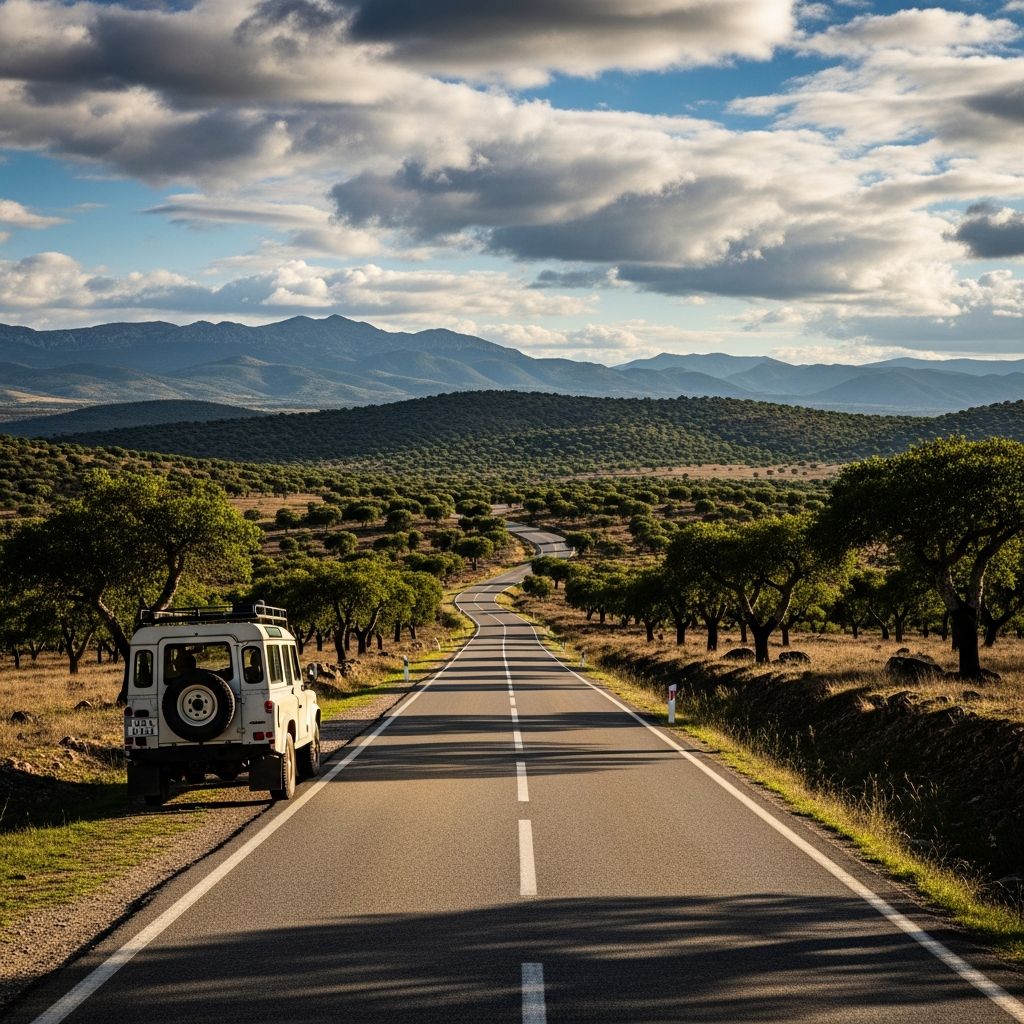
Extremadura remains one of Spain’s most overlooked regions, yet it offers an extraordinary combination of ancient history, unspoiled natural landscapes, and authentic cultural experiences. Located in southwestern Spain, this autonomous community bridges Madrid and Portugal, making it an ideal destination for travelers seeking to escape the crowded tourist circuits that dominate more famous Spanish regions. For those willing to venture beyond conventional travel guides, Extremadura delivers a road trip experience that rivals any destination in southern Europe.
The region’s appeal lies in its remarkable diversity. Within a few hours’ drive, visitors can transition from dramatic mountain scenery to rolling agricultural plains, from medieval fortress towns to sophisticated Roman archaeological sites. Unlike the heavily trafficked coasts and major cities, Extremadura allows travelers to experience Spain at their own pace, with fewer crowds and more authentic encounters with local life.
Planning Your Journey Through Extremadura
A comprehensive road trip through Extremadura requires between four and six days to capture the region’s essential attractions without rushing. The optimal route typically begins from Madrid, taking advantage of the region’s proximity to Spain’s capital city. The A-5 motorway, also known as the Autovía del Suroeste or the Extremadura road, serves as the primary transportation artery, connecting Madrid directly to the heart of the region. This highway is part of the European Road Network (E-90), facilitating easy access from northern Spain or even Portugal.
The best time to visit depends on personal preferences and specific activities. Summer months offer warm weather ideal for outdoor adventures, though temperatures can be intense. Spring brings the spectacular cherry blossoms of the Jerte Valley and optimal conditions for hiking. Autumn provides pleasant temperatures and fewer tourists. Winter is viable for cultural exploration but limits outdoor activities in higher elevations.
Natural Wonders: Landscapes That Define the Region
Monfragüe National Park: A Paradise for Nature Enthusiasts
Monfragüe National Park stands as the crown jewel of Extremadura’s natural attractions. This protected area encompasses dramatic cliff formations, dense Mediterranean vegetation, and one of Spain’s most significant concentrations of raptors. The park attracts serious birdwatchers from across Europe seeking glimpses of black vultures, golden eagles, and imperial eagles soaring above the Tagus River canyon.
Visitors have two primary options for exploration: independent driving with strategic stop points or guided tours that provide expert interpretation and specialized equipment. Professional guides offer valuable context about the park’s geology and wildlife, often supplying binoculars and telescopes for enhanced viewing. The Mirador de la Portilla del Tiétar ranks among the most photographed vantage points, offering sweeping vistas of layered rock formations and river valleys stretching toward distant horizons.
Valle del Ambroz and Jerte Valley: Mountain Retreats
The valleys that cut through Extremadura’s northern mountains offer stark contrast to the region’s lower elevations. These areas showcase verdant landscapes, cascading waterfalls, and charming whitewashed villages perched on mountainsides. Los Pilones provides natural swimming holes during warmer months, while Cascada del Caozo delivers impressive waterfall scenery. For adventurous travelers, canyoning expeditions combine physical challenge with intimate exploration of these dramatic geological formations.
The Jerte Valley gains international attention each spring when thousands of cherry trees burst into bloom, transforming entire valleys into white and pink seas of blossoms. This seasonal phenomenon draws photographers and nature lovers seeking one of Europe’s most delicate natural displays.
Historical Treasures: From Rome to Medieval Times
Mérida: Where Roman Grandeur Endures
Mérida represents the archaeological heart of Extremadura and one of Spain’s most significant Roman sites. Founded in 25 BCE as Augusta Emerita, the city once served as the capital of the Lusitania province. Today, remarkably preserved ruins provide tangible connections to the Roman world, including the iconic Theatre and Amphitheatre that still host performances and events.
The Theatre of Mérida ranks among Spain’s best-preserved Roman structures, with its tiered seating and stage architecture instantly recognizable to anyone familiar with classical design. The adjacent Amphitheatre once hosted gladiatorial combat and public spectacles. Beyond these monuments, museums throughout Mérida display statuary, mosaics, pottery, and inscriptions that illuminate daily life during the Roman occupation.
The Cornalvo Natural Park, located approximately 30 kilometers from Mérida, houses the Roman Dam of Cornalvo, an engineering marvel constructed to supply water to the ancient colony. This structure, classified as a National Monument, demonstrates the sophisticated infrastructure Romans developed across their territories, with its reservoir still functioning today for local water management.
Cáceres: Medieval Splendor and Cinematic Allure
Cáceres presents perhaps Extremadura’s most visually striking urban environment, with its UNESCO World Heritage Old Town preserving centuries of architectural evolution. The medieval quarter retains original walls, narrow cobblestone streets, and aristocratic palaces that transport visitors directly into the past. Wandering through these atmospheric lanes reveals Renaissance courtyards, Moorish influences, and Baroque facades layered across generations of development.
The Arco de la Estrella (Arch of the Star) serves as the gateway to the old town, while the Plaza de San Jorge functions as the heart of the medieval quarter. International recognition came through multiple appearances in the television series Game of Thrones, with several filming locations recognizable to fans of the show. This cinematic connection has added contemporary interest to historical exploration, attracting audiences beyond traditional heritage tourists.
Trujillo: Conquest and Conquest-Era Architecture
Trujillo occupies a hilltop position commanding the surrounding landscape, a strategic placement that influenced its development as a medieval stronghold. The town’s Plaza Mayor remains one of Spain’s most architecturally cohesive central squares, surrounded by Renaissance palaces and crowned by the Church of Santa María la Mayor. The Castle, perched at the town’s highest point, provides panoramic views across Extremadura’s vast horizons.
Trujillo’s historical significance extends beyond its physical structures; the town served as birthplace for numerous conquistadors who carried Spanish culture and power across the Atlantic during the Age of Exploration. This historical context adds layers of meaning to architectural exploration, connecting local monuments to global historical transformations.
Cultural Experiences and Local Traditions
Gastronomic Adventures: Jamón Ibérico and Regional Cuisine
Extremadura’s culinary traditions reflect centuries of agricultural heritage and Mediterranean influences. The region has achieved international recognition for jamón ibérico, the cured ham produced from black Iberian pigs raised on specific diets in designated areas. “Ham Safaris” have emerged as popular tourism activities, combining agricultural education with gastronomic pleasure as visitors tour farms, meet producers, and taste products at various aging stages.
Beyond the famous ham, Extremadura’s cuisine emphasizes local vegetables, paprika-based dishes, and traditional cooking methods passed through generations. Local restaurants throughout the region serve authentic preparations that reveal regional identity through food.
Practical Logistics for Extremadura Road Tripping
Transportation and Navigation
While public transportation exists in Extremadura, road trips require personal vehicle access to fully explore the region’s dispersed attractions. The extensive motorway network, particularly the A-5, facilitates efficient travel between major destinations, while secondary roads provide scenic routes through less developed areas. GPS navigation systems work reliably throughout the region, though offline maps prove valuable in remote areas.
Accommodation Options
Extremadura offers diverse lodging from luxury rural estates to budget-friendly hostels. Small towns like Plasencia and Hervás provide comfortable bases for regional exploration, with accommodations ranging from family-run hotels to contemporary guesthouses. Many establishments occupy restored historic buildings, adding authenticity to overnight stays.
Suggested Five-Day Itinerary
- Day One: Depart Madrid, travel to Hervás, explore the charming mountain town and surrounding villages
- Day Two: Explore Valle del Ambroz and Jerte Valley, visit Los Pilones, waterfall sites, and overnight in Plasencia
- Day Three: Tour Monfragüe National Park with emphasis on viewpoints and wildlife observation, proceed to Cáceres for evening exploration of the medieval quarter
- Day Four: Participate in Ham Safari experience, travel to Mérida, tour Roman archaeological sites and museums
- Day Five: Visit Trujillo, explore medieval architecture and hilltop castle, return to Madrid
Seasonal Considerations for Trip Planning
Each season presents distinct advantages and challenges for Extremadura travel. Spring offers moderate temperatures, cherry blossoms in the Jerte Valley, and optimal hiking conditions. Summer delivers reliable weather but intense heat in lower elevations and higher tourist concentrations at popular sites. Autumn provides comfortable temperatures and fewer visitors, ideal for cultural and historical exploration. Winter brings occasional rainfall and cooler temperatures but fewer crowds and lower accommodation prices.
Frequently Asked Questions
How many days should I allocate for an Extremadura road trip?
A minimum of four days allows coverage of primary attractions, while five to six days provides more leisurely pacing and opportunities for less-visited sites. Longer visits enable deeper exploration of specific areas and more frequent interactions with local communities.
What is the best starting point for the road trip?
Madrid serves as the most practical starting point, located just a few hours north via the A-5 motorway. Direct motorway access facilitates easy arrival and departure, while Madrid’s position as Spain’s capital provides abundant flight connections from international destinations.
Can visitors explore Extremadura without personal transportation?
While possible, public transportation is limited compared to other Spanish regions, making guided tours from Madrid or other larger cities a viable alternative. These organized experiences cover major attractions while eliminating navigation and driving concerns.
What activities suit different traveler preferences?
History enthusiasts should prioritize Mérida and Cáceres archaeological sites, while nature lovers should focus on Monfragüe National Park and the mountain valleys. Food-focused travelers should arrange Ham Safari experiences and cooking classes with local hosts.
Is Extremadura appropriate for family travel?
Extremadura accommodates families well, with varied activities suitable for different age groups and interests. Natural areas offer hiking at various difficulty levels, historical sites provide engaging learning opportunities, and smaller towns feature pedestrian-friendly layouts and authentic cultural experiences.
References
- Top Things to Do in Extremadura Spain: A Perfect Road Trip Itinerary — The Ginger Wanderlust. 2024-12-01. https://thegingerwanderlust.com/2024/12/01/top-things-to-do-in-extremadura-spain-a-perfect-road-trip-itinerary/
- Spain Off-the-Beaten-Path Road Trip: Madrid, La Mancha and Extremadura – 11 Days — KimKim. https://www.kimkim.com/c/spain-off-the-beaten-path-road-trip-madrid-la-mancha-and-extremadura-11-days
- A-5, the Unknown Secrets of the Road to Extremadura — Fascinating Spain. 2020-11-13. https://www.fascinatingspain.com/articulo/tours-around-spain/a-5-road-to-extremadura/20201113113900066974.html
- UNESCO World Heritage Centre – Cáceres Old Town — UNESCO. https://whc.unesco.org/en/list/664/
- Extremadura Road Trip – Scrapbooking My Travels — Ultimate Travel Scrapbook. https://ultimatetravelscrapbook.com/blog/extremadura-road-trip-scrapbooking-my-travels
Similar Articles






Read full bio of medha deb