Fairbanks Aurora: Complete Guide To Seeing Northern Lights
Discover Fairbanks, Alaska's premier destination for witnessing the mesmerizing Northern Lights with insider tips on prime spots, optimal timing, and unforgettable experiences.
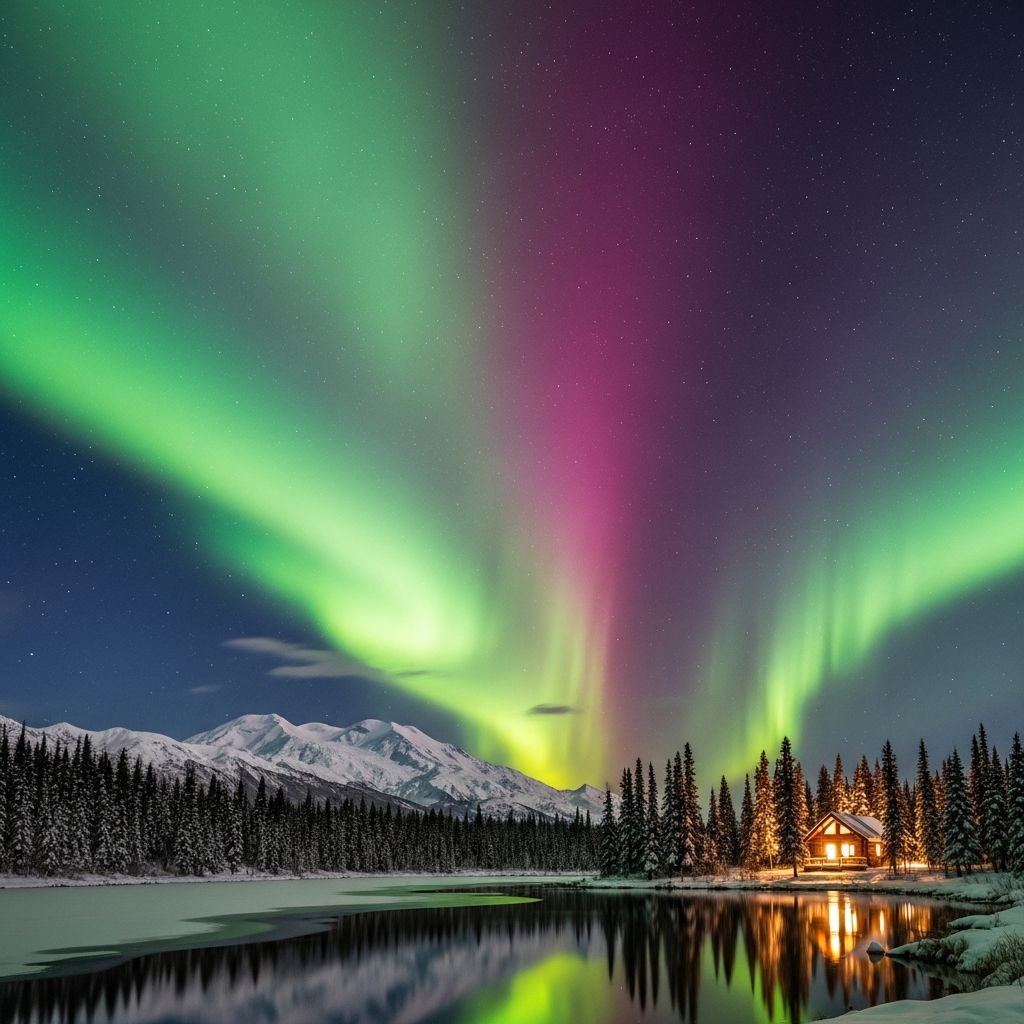
Fairbanks, Alaska, stands out as one of the world’s premier locations for observing the
Northern Lights
, or Aurora Borealis, thanks to its position under the auroral oval, long dark nights, and minimal light pollution just beyond city limits.Why Fairbanks Excels for Aurora Watching
Nestled in Alaska’s interior, Fairbanks benefits from a unique geographic advantage. The city lies directly beneath the auroral oval, a ring-shaped region around the Earth’s magnetic North Pole where solar particles collide with the atmosphere, creating vivid displays of green, purple, and red lights. This positioning ensures frequent and intense aurora activity, especially during the extended season from late August to early April. Unlike more southern latitudes, Fairbanks offers up to nine months of potential viewing opportunities, with clear skies averaging over 60% of winter nights.
Local experts emphasize that the combination of high elevation viewpoints, accessible roads, and proximity to dark-sky areas makes it ideal for both novice and seasoned viewers. Visitors staying just a few nights have a high success rate, often exceeding 90% when actively pursuing clear nights.
Prime Seasons and Timing for Sightings
The aurora season in Fairbanks spans from August 21 to April 21, allowing for year-round pursuits amid summer activities or deep winter adventures. Peak months fall between late September and March, when nights are longest—up to 20 hours of darkness—and solar activity heightens the displays.
- Early Season (Late August–September): Milder weather pairs with emerging fall colors; lights may appear earlier in the evening.
- Winter Prime (December–February): Longest nights and coldest temps amplify intensity, though snow enhances the magical backdrop.
- Spring Finale (March–April): Warming trends and longer days, but still reliable shows before midnight sun arrives.
Activity peaks between 10 PM and 2 AM, though displays can start at dusk or persist into dawn. Committing to 4-5 nights boosts chances dramatically, as weather remains the primary variable—prioritize forecasts showing clear skies.
Top Viewing Locations Near Fairbanks
Escape city lights by heading to elevated, open areas within a 45-minute drive. These spots provide unobstructed northern horizons, essential for capturing the aurora’s full dance.
| Location | Drive Time | Key Features | Coordinates |
|---|---|---|---|
| Murphy Dome | 45 min | 2,800+ ft elevation, 360° views, large parking | 64.9539° N, 148.3619° W |
| Cleary Summit | 30 min | Roadside pullouts, reliable cell service, northern exposure | 65.0578° N, 147.4365° W |
| Ester Dome | 20-30 min | Winding roads to high vantage, valley overlooks | Near Fairbanks west |
| Wickersham Dome | 45 min | Wilderness edge, darkest skies by car | Along Elliott Hwy |
| Chena Lakes | 30 min | Lakeside views, plowed lots, near North Pole | 64.7522° N, 147.2316° W |
For one-night wonders, prioritize Murphy or Ester Domes for ease and panorama. Always check road conditions, as winter plowing maintains access but icy patches demand caution.
Essential Gear and Preparation Tips
Alaska’s sub-zero temps require serious layering: base layers, insulated pants, waterproof boots, heavy parka, balaclavas, and heated hand/foot warmers. Bring a thermos of hot drinks, blankets for car viewing, and a sturdy tripod for photos.
- Dress in wool/synthetic layers—avoid cotton, which retains moisture.
- Pack high-capacity power banks; cold drains batteries fast.
- Download offline maps; service fades in remote spots.
- Practice Leave No Trace: pack out trash, use existing facilities.
Vehicle prep includes full tank, emergency kit, traction devices, and headlights off at stops to preserve night vision.
Guided Tours and Unique Stays
For hassle-free chasing, join tours that handle driving, gear, and hotspots. Options include self-drive from lodges or premier packages with heated viewing yurts.
- Aurora Lodges: Spots like Cleary Summit cabins offer on-site viewing with tours for hotel guests, running August to April.
- Basecamps: Igloo hotels 25 miles out provide glass-roofed stays amid wilderness, with shuttles and arctic activities.
- DIY Chasers: Rent 4WD vehicles; tours add expertise on forecasts and photography.
Combine with dog sledding, ice art festivals, or hot springs for full itineraries—many tours integrate these under starry skies.
Tracking and Forecasting the Aurora
Real-time tools eliminate guesswork. Use apps and cams for Kp index (0-9 scale; 3+ visible in Fairbanks), cloud cover, and solar wind data.
- Geophysical Institute Forecast: Predicts activity from low to high, visible overhead in clear conditions.
- Explore Fairbanks Tracker: Correlates data to local sites with 3-day outlooks.
- Live Cams: Northern-facing feeds confirm current displays before venturing out.
Monitor space weather for geomagnetic storms boosting intensity—low activity still yields shows from Utqiaġvik to Fairbanks.
Capturing the Lights: Photography Guide
Smartphones with night modes work, but DSLRs shine. Settings: Manual mode, wide-angle lens, ISO 1600-3200, f/2.8 aperture, 10-30s exposures.
- Focus to infinity; use remote shutter to avoid shake.
- Stack images for low-light noise reduction.
- Time-lapse apps automate sequences of the dance.
Locals recommend Murphy Dome for stable horizons and foreground snowscapes.
Frequently Asked Questions
What is the success rate for seeing the aurora in Fairbanks?
Staying 3+ nights yields ~90% odds if chasing clear skies nightly.
Do I need a tour, or can I go solo?
Solo is viable with a reliable vehicle; tours excel for navigation and comfort.
Is winter driving safe for aurora chasing?
Roads are plowed, but 4WD, chains, and caution are essential.
Can I see the lights from the city?
Possible on strong nights, but drive out for vibrancy.
What if clouds block the view?
Check multiple forecasts; indoor lodges with roof views are backups.
Planning Your Aurora Trip
Book flights into Fairbanks International, then lodges or rentals. Budget 4-7 days for weather buffers, blending lights with hot springs, sledding, and ice sculptures. Sustainable travel means respecting wildlife and minimizing impact—your epic sighting awaits under Alaska’s boundless skies.
References
- Aurora Forecast — University of Alaska Fairbanks Geophysical Institute. 2026-04-23. https://www.gi.alaska.edu/monitors/aurora-forecast
- Aurora Borealis Real-Time Tracker — Explore Fairbanks. Accessed 2026. https://www.explorefairbanks.com/explore-the-area/aurora-season/aurora-tracker/
- Lucky 7 Tips for Aurora Viewing in Fairbanks — Travel Alaska. Accessed 2026. https://www.travelalaska.com/explore-alaska/articles/sponsored/lucky-7-tips-aurora-viewing-fairbanks
- Where to See the Northern Lights in Fairbanks: A Local’s Guide — Arctic Dog Co. Accessed 2026. https://www.arcticdogco.com/post/where-to-see-the-northern-lights-in-fairbanks-a-local-s-guide
- Explore Fairbanks, Alaska — Explore Fairbanks. Accessed 2026. https://www.explorefairbanks.com
Similar Articles







Read full bio of Sneha Tete