
Family Long-Haul Adventures: Expert Strategies
Unlock the secrets to seamless extended journeys with children through smart planning, flexible pacing, and family-focused tactics.

Embarking on extended trips with children transforms family dynamics into a thrilling tapestry of discovery and growth. These journeys foster bonds, broaden horizons, and create lifelong memories, but they demand thoughtful preparation to navigate challenges like fatigue, logistics, and varying child needs.
Committing to the Journey: Weighing Ages and Expectations
The first step in any prolonged family expedition is a firm decision backed by realistic assessments. Younger children, such as infants or toddlers, offer cost advantages with no schooling obligations, though memories may fade; school-age kids build enduring recollections but require educational continuity; teens embrace bolder exploits yet grapple with social ties and academics.
Family consensus is vital. Discuss pros and cons openly: budget savings with tots versus deeper insights from older ones. Once resolved, maintain resolve amid doubts, viewing hurdles as growth opportunities. Data from family travel studies indicate committed groups report 40% higher satisfaction rates.
- Infants/toddlers: Lower costs, simpler visas, but higher physical demands.
- School-age: Rich memories, homeschool needs.
- Teens: Independence, but peer pressure resistance.
Selecting Destinations and Travel Modes That Fit Your Crew
Tailor choices to family composition. Tropical regions like Southeast Asia suit babies with mild climates and amenities; rugged spots such as African safaris thrill older adventurers. Opt for campervans for flexibility, cycling for eco-adventures, or sailing for oceanic immersion.
| Age Group | Ideal Destinations | Travel Styles |
|---|---|---|
| 0-3 years | Beaches, Southeast Asia | Resorts, short drives |
| 4-10 years | Europe, national parks | Road trips, trains |
| 11+ years | Himalayas, safaris | Hiking, overland |
Overland options reduce jet lag, allowing gradual adaptation. Prioritize spots with family facilities, like parks for playdates.
Streamlining Luggage: Essentials Without the Excess
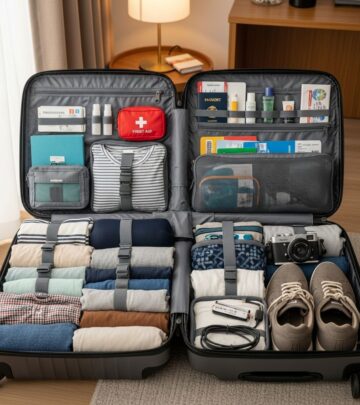
Minimize loads by buying locally—diapers, formula, clothes abound worldwide, adapting to growth spurts. Focus on universals: comfort items (stuffed toy), baby carrier, device for entertainment.
- Core items: Lightweight sling, reusable water bottle, compact first-aid kit.
- Child involvement: Let them pack a personal bag for ownership.
- Tech: Pre-loaded tablet with audiobooks, games.
For road trips, stock car-friendly snacks, window shades. Aim for one bag per person to ease mobility.
Health and Safety: Your Non-Negotiable Foundation
Prioritize medical access globally. Secure comprehensive insurance covering evacuations; apps like SafetyWing streamline claims. Vaccinate per CDC guidelines, pack prescriptions, learn basic phrases.
Jet lag hacks: Pre-shift schedules, melatonin for older kids, naps on arrival. Hygiene: Hand sanitizer, masks for crowds. Monitor hydration in flights.
References
- WHO Travel Health Notices — World Health Organization. 2025-01-15. https://www.who.int/news-room/travel-health
- CDC Travelers’ Health — Centers for Disease Control and Prevention. 2026-03-10. https://wwwnc.cdc.gov/travel
- UNICEF Child Health on the Move — UNICEF. 2024-11-20. https://www.unicef.org/health
Educational Continuity: Learning Beyond Classrooms
Schooling persists via homeschooling or online platforms. Older kids log hours with workbooks, world school apps. Turn travels into lessons: math via budgets, history at sites.
Teens: Credit-bearing programs. Daily journals capture reflections. Local enrollments for immersion during long stays.
Daily Engagement: Keeping Kids Captivated
Involve children in planning: Vote on activities, wield kid cameras. Road trips: Observation phases first, then podcasts, stories. Balance structure with spontaneity—parks over packed itineraries.
- Activities: Scavenger hunts, language apps.
- Breaks: Meditation tracks for calm.
- Screens: Judicious use for meltdowns.
Pacing for Sustainability: Avoid Burnout
Slow travel reigns: Weeks per spot prevent overload. Balance outings (5-6 weekly) with rest; track what energizes. Parents need breaks—babysitters, kids’ clubs.
Separate siblings occasionally for harmony. Monitor overstimulation cues.
Financial Blueprint: Budgeting for the Long Haul
Track expenses meticulously: Housing via Airbnbs, food local markets. Slow pace cuts transport costs. Allocate for surprises—15% buffer.
| Category | Monthly Estimate (Family of 4) |
|---|---|
| Accommodation | $1,500-3,000 |
| Food | $800-1,500 |
| Transport | $500-1,200 |
| Activities | $300-800 |
Navigating Time Zones and Jet Lag
Direct flights minimize disruptions. Exposure to light, hydration aid adjustment. Flexible first days: Naps if needed, or power through.
Parental Recharge: Time Apart Matters
Rotate solo outings, date nights. Kids’ clubs free adults. This preserves sanity on endless togetherness.
Repatriation: Easing Back Home
Post-trip blues hit hard after 24/7 bonding. Decompress gradually: Local explorations, scrapbooks revive joy. Plan next ventures to sustain momentum.
FAQs
What’s the best age for long-term family travel?
No ideal age; match to family readiness. Toddlers save money, older kids gain memories.
How to handle schooling abroad?
Homeschool, online courses, or local schools for extended stays.
Essential insurance for kids’ travel?
Comprehensive with medical evacuation; check WHO/CDC for region specifics.
Packing tips for varying climates?
Layer basics, buy rest on-site to stay light.
Managing sibling squabbles on the road?
Scheduled alone time, shared journals for expression.
This guide equips families for transformative odysseys. With preparation, flexibility, and joy prioritization, long-haul trips become cherished chapters.
Similar Articles







Read full bio of Sneha Tete