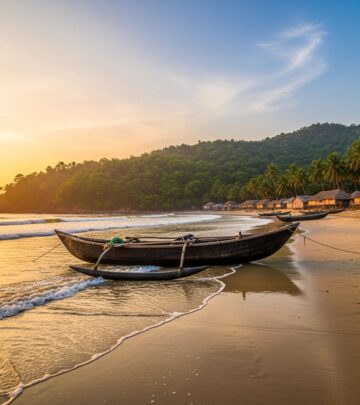
Galapagos Adventure: Ultimate Trip Guide
Discover the Galapagos Islands with expert itineraries, insider tips, and wildlife encounters for an unforgettable adventure.
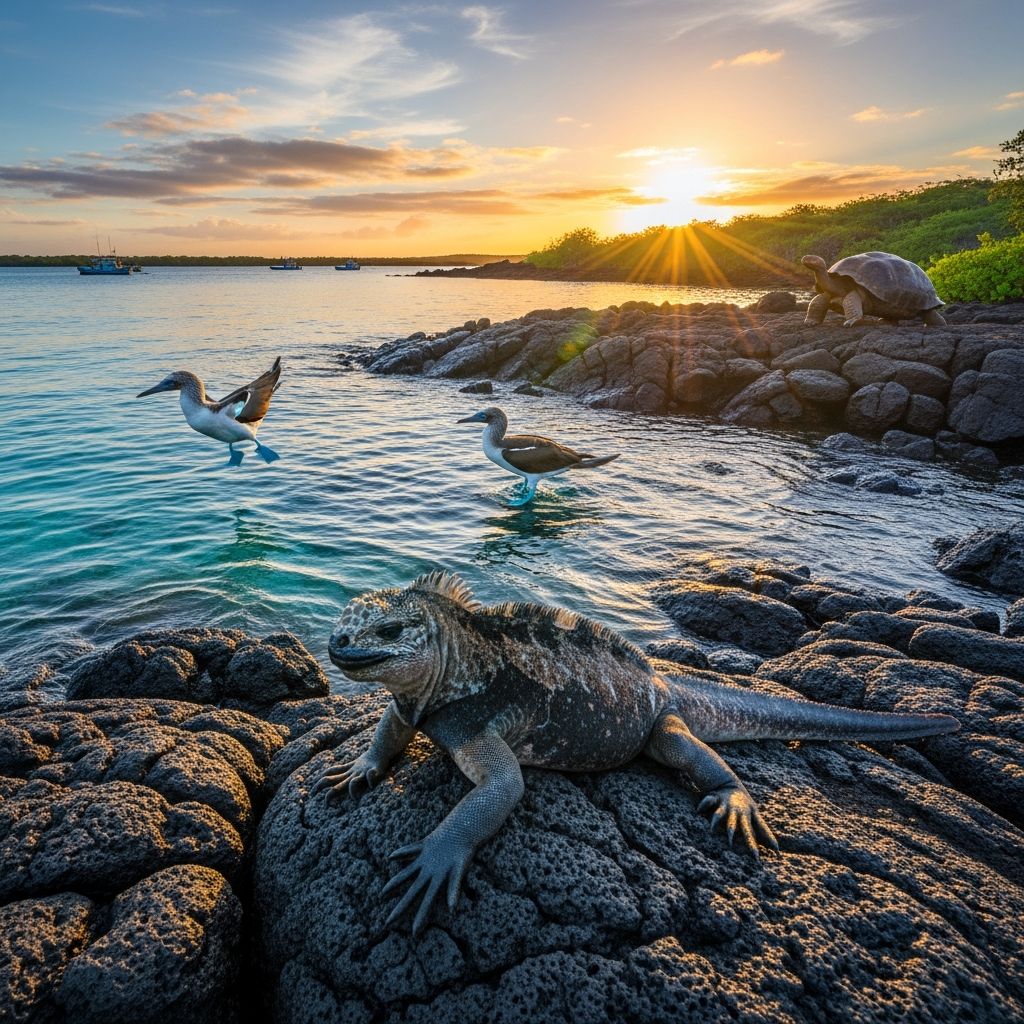
The Galapagos Islands, a remote archipelago off Ecuador’s coast, offer unparalleled opportunities to witness evolution in action through their endemic wildlife and dramatic volcanic landscapes. Whether you choose a guided cruise or independent island hopping, this guide provides everything needed for a seamless journey filled with snorkeling among sea lions, hiking lava trails, and observing giant tortoises.
Choosing Your Galapagos Exploration Style
Travelers to the Galapagos have two primary ways to experience the islands: multi-day cruises or land-based itineraries with day trips. Cruises, lasting 4 to 12 days, cover distant sites efficiently by sailing overnight, allowing daytime immersion in visitor sites with licensed guides. Boats range from economy to luxury, accommodating 12 to 110 passengers, and include activities like snorkeling, hiking, kayaking, and scuba diving.
Land-based trips focus on the three main inhabited islands—Santa Cruz, Isabela, and San Cristóbal—using ferries ($30 one-way) and day excursions to reach remote spots. This approach suits flexible adventurers who prefer basing in hotels and customizing schedules, though it limits access to outer islands without a cruise.
| Aspect | Cruise | Land-Based |
|---|---|---|
| Best For | Comprehensive coverage, guided expertise | Flexibility, cost savings |
| Duration | 4-12 days | 5-7 days |
| Access | Remote islands | Main islands + day trips |
| Cost | Higher (all-inclusive) | Lower (ferries/hotels) |
Prime Time to Visit the Galapagos
The Galapagos enjoy a mild climate year-round, but optimal visiting periods align with wildlife activity. The cool season (June to December) brings calmer seas ideal for snorkeling, with marine visitors like whales and penguins. Warm season (January to May) features lush greenery and active bird breeding, though rains may occur. Park fees are $100 for adults (cash only), payable upon arrival.
Getting There and Around the Archipelago
Flights arrive at Baltra (near Santa Cruz) or San Cristóbal airports from mainland Ecuador (Quito or Guayaquil, ~2.5 hours). From Baltra, a bus and ferry connect to Santa Cruz’s Puerto Ayora. Inter-island ferries run frequently between Santa Cruz, Isabela, and San Cristóbal (2-2.5 hours, book round-trip). Day tours from these hubs access gems like Bartolomé or North Seymour for $150-250.
- Fly into San Cristóbal for quick town access (10-min drive to hotels).
- Use Santa Cruz as hub for bay tours and tortoise reserves.
- Ferries require advance booking during peak seasons.
Top Islands and Their Signature Experiences
Santa Cruz: The Vibrant Heart
Santa Cruz, the most populated island, buzzes with activity in Puerto Ayora. Highlights include Tortuga Bay beach for marine iguanas, Las Grietas for snorkeling with sharks, and highlands tortoise reserves. Academy Bay tours spot blue-footed boobies and sea lions ($30-40).
Isabela: Wild Volcanic Wonderland
The largest island boasts Sierra Negra volcano hikes, Concha de Perla snorkeling lagoon with penguins, and white-sand beaches. Day tours explore lava fields and flamingo lagoons; ferries from Santa Cruz take 2 hours.
San Cristóbal: Serene Coastal Gem
Home to Kicker Rock for snorkeling with hammerheads, Cerro Brujo beach, and sea lion colonies. The island’s airport facilitates easy starts, with nearby highlands for tortoises.
Day Trip Musts from Main Islands
- Bartolomé: Pinnacle Rock snorkel, volcanic vistas.
- North Seymour: Boobies, frigatebirds, marine iguanas.
- Floreana: Post Office Bay, black-sand beaches.
- Española: Albatrosses, waved albatross dances.
- Genovesa: Birdwatching paradise for nazca boobies.
Sample 7-Day Land-Based Itinerary
- Day 1: Arrive San Cristóbal – Settle in, beach walk, Interpretation Center visit.
- Day 2: San Cristóbal Day Tour – Kicker Rock snorkel, sea lions.
- Day 3: Ferry to Santa Cruz – Tortuga Bay hike, Darwin’s Research Station.
- Day 4: Santa Cruz Adventures – Highlands tortoises, Las Grietas snorkel.
- Day 5: Bartolomé Full-Day Tour – Pinnacle Rock, penguins.
- Day 6: Ferry to Isabela – Concha de Perla, volcano trek.
- Day 7: Isabela Relax & Depart – Beach time, return via Santa Cruz.
5-Day Cruise Itinerary Highlights
Cruises maximize efficiency. A sample path: Baltra arrival, Champion Islet sea lions (Day 2), Española waved albatross (Day 3), Bartolomé Pinnacle (Day 4), North Seymour birds (Day 5), Santa Cruz finale.
Unmissable Wildlife Encounters
The Galapagos host 97% national park land, mandating certified guides at sites with short trails (wet/dry landings). Expect fearless animals: snorkel with sea lions, penguins, turtles; hike to blue-footed boobies, marine iguanas, giant tortoises (up to 500 lbs).
- Snorkeling Hotspots: Gardner Bay, Champion Islet, Las Grietas.
- Hiking Trails: Punta Suarez, Sullivan Bay lava.
- Beaches: Rábida’s red sands, Floreana black sands.
Packing Essentials and Practical Tips
Cash reigns (USD, no cards widely accepted); bring $200+ for fees. Pack rash guards, waterproof bags, sturdy shoes for lava, snorkel gear if picky, motion sickness meds (smaller boats rock). Water is pricey—carry reusable bottles. Wi-Fi spotty; book tours in-person for deals.
| Item | Why Essential |
|---|---|
| Motion sickness pills | Ferries/cruises can be choppy. |
| Snorkel mask/fins | Daily water activities. |
| Cash (small bills) | Fees, ferries, tips. |
| Hiking shoes | Rough lava trails. |
FAQs: Galapagos Travel Essentials
Is a cruise or island hopping better?
Cruises for efficiency and remote access; hopping for flexibility and lower cost.
How much does a Galapagos trip cost?
Land-based: $1,000-2,000 (flights excluded); cruises: $3,000+.
Do I need travel insurance?
Yes, for medical/evacuation in remote areas.
Can I drink the tap water?
No—buy bottled; conserve due to shortages.
What’s the park entry fee?
$100 cash for foreigners, $50 nationals.
Sustainable Travel in the Galapagos
Follow ‘Leave No Trace’: stay on trails, no touching wildlife, use reef-safe sunscreen. Support conservation via Galapagos Conservancy or local guides.
References
- Galapagos Islands Travel — galapagosislands.travel. 2026. https://galapagosislands.travel
- A guide to visiting the Galapagos Islands — Here & There. 2023-12-15. https://www.hereandthere.club/p/a-guide-to-visiting-the-galapagos-islands
- A first-time guide to the Galápagos Islands — Lonely Planet. 2024-05-20. https://www.lonelyplanet.com/articles/first-timers-guide-galapagos-islands
- Planning a Trip to Galápagos — Galapagos Conservancy (official). 2025-01-10. https://www.galapagos.org/travel/planning-a-trip/
- 15 Things You Should Know Before You Go to the Galapagos Islands — YouTube (travel experts). 2024-08-05. https://m.youtube.com/watch?v=xS6Bn5RKCb8
- Travelling to Galapagos Islands in 2026 — MyTrip2Ecuador. 2026-01-01. https://mytrip2ecuador.com/galapagos-islands-travel-guide/
- Galapagos Islands: Complete Travel Guide — Peru for Less. 2025-03-12. https://www.peruforless.com/travel-guides/galapagos-islands
Similar Articles







Read full bio of Sneha Tete