Germany’s Hidden Wine Gems: Baden, Württemberg, Pfalz
Discover the sun-kissed vineyards of Baden, Württemberg, and Pfalz—Germany's underrated wine regions brimming with bold reds, crisp whites, and scenic beauty.
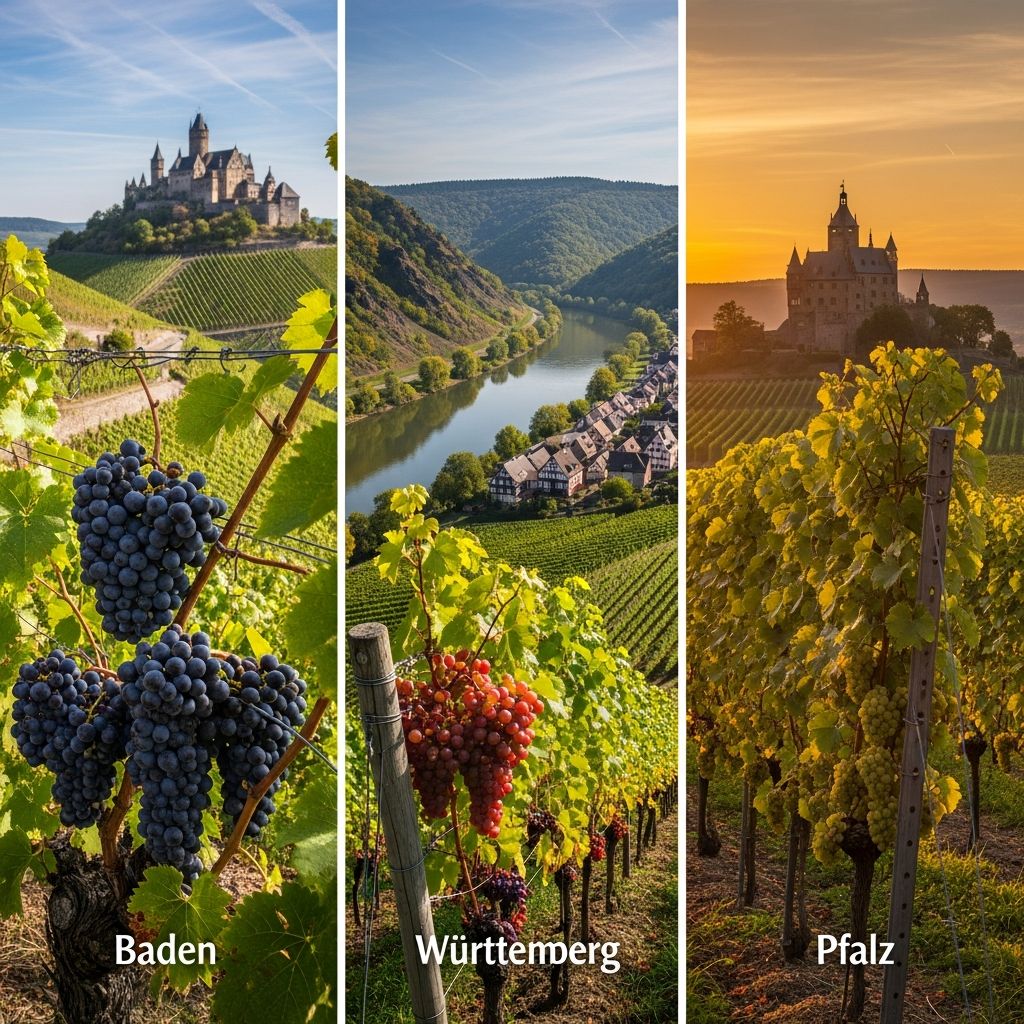
Germany’s wine landscape extends far beyond the famed Mosel and Rheingau, with southern regions like Baden, Württemberg, and Pfalz offering warm climates, diverse soils, and an array of captivating wines. These areas, nestled in the state of Baden-Württemberg and beyond, produce everything from elegant Rieslings to robust reds, all amid stunning scenery of rolling hills, riversides, and historic castles. Ideal for travelers seeking authentic vinous adventures, these regions blend tradition, innovation, and natural beauty.
The Allure of Southern German Viticulture
Situated in Germany’s warmer south, these wine zones benefit from milder weather compared to northern counterparts, fostering a variety of grape varieties. Baden stretches along a 250-mile corridor between the Black Forest and the Rhine River, creating microclimates akin to France’s Loire Valley. Württemberg, a hilly inland area, specializes in reds, while Pfalz, Germany’s second-largest region by acreage, thrives on sunny, dry conditions with sandstone soils that yield exceptional whites and rising reds.
Collectively, they represent a shift from the stereotype of sweet German whites, showcasing dry styles, sparkling wines, and bold Pinots. Vineyard areas total over 50,000 hectares, supporting both family estates and cooperatives that emphasize quality and sustainability.
Pfalz: The Sunshine Capital of German Wine
Pfalz, deriving its name from the Latin ‘palatium’ for palace, is Germany’s largest red wine region and produces one in three domestic bottles. Spanning 23,554 hectares across two districts and 317 individual sites, major towns like Bad Dürkheim, Neustadt, and Landau serve as hubs for exploration. Its sunny, dry climate—reminiscent of Roman times when vines first took root—nurtures Riesling, Müller-Thurgau for fragrant whites, and Dornfelder for complex reds.
Signature Grapes and Styles
- Riesling: Premier juicy examples from variegated sandstone soils, offering citrus notes and minerality.
- Pinot Gris (Grauer Burgunder): Full-bodied with ripe fruit, as in the acclaimed 2016 vintages.
- Gewürztraminer: Aromatic and spicy, perfect for vineyard strolls near hilltop castles.
- Dornfelder Reds: Deep-colored, bouquet-rich, gaining international acclaim.
Beyond classics, Pfalz excels in affordable dry sparkling wines, rosés, and Pinot Noirs from modern facilities that prioritize quality over mass production. Figs, almonds, and kiwis dot the landscape, underscoring the Mediterranean-like vibe.
Top Experiences in Pfalz
Wander the Deutsche Weinstrasse (German Wine Road), a scenic route linking vineyards with tasting rooms. Visit cooperatives for value-driven selections or boutique wineries for experimental blends. Pair wines with local cuisine like flammkuchen or wild game under the stars.
Baden: Diversity Along the Rhine
As Germany’s southernmost region, Baden covers 15,828 hectares across nine districts and 301 sites, with key towns including Heidelberg, Karlsruhe, Baden-Baden, and Freiburg. Nearly half the vines are Burgunder varieties: Spätburgunder (Pinot Noir), Grauburgunder (Pinot Gris), and Weissburgunder (Pinot Blanc), reflecting centuries-old traditions and varied soils from volcanic to loess.
Key Grape Varieties and Innovations
| Grape | Type | Notable Traits |
|---|---|---|
| Spätburgunder | Red | Elegant, earthy Pinot Noir styles. |
| Gutedel | White | Ancient variety; fresh, almond-scented. |
| Syrah | Red | Bold experiments by forward-thinking producers like Ziereisen. |
| Chardonnay & Pinot Blanc | White | Rich, versatile for still and sparkling. |
Highlights include Grand Cru sites from Queen Victoria’s era, sparkling wines, and unique non-alcoholic grape ginger juice near Neuweier Castle. The Rhine’s moderating influence ensures consistent ripeness, yielding full-bodied whites and structured reds.
Must-See Spots and Activities
Heidelberg Castle, immortalized by Mark Twain, houses the Great Cask—a massive 1750 wine vessel holding 220,000 liters. Cycle through Ortenau or Kaiserstuhl districts for panoramic views, stopping at family-run cellars. Baden-Baden offers luxury spa pairings with local Pinots.
Württemberg: Red Wine Heartland
Germany’s fourth-largest region at 11,511 hectares, Württemberg focuses on reds (71% of plantings), distinct from neighboring Baden. Hilly terrain and about 50 cooperatives handle 80% of production, emphasizing crisp, light styles over heavy blockbusters.
Dominant Grapes in Detail
Trollinger, the signature grape (16.7% of vines, over 98% of Germany’s total), delivers pale, refreshing reds. Other stars include Lemberger (Blaufränkisch, 15.5%), Spätburgunder (11.5%), and Schwarzriesling (Pinot Meunier, 10.5%). Whites like Riesling (18.7%) provide balance.
- Trollinger: Light-bodied, occasionally sweet, perfect for summer sipping.
- Lemberger: Peppery, full-flavored with aging potential.
- Pinot Varieties: More body than neighbors, suited to the rural climate.
Exploring Württemberg’s Wine Culture
Visit Stuttgart’s wine taverns or Heilbronn’s festivals. Cooperatives offer approachable prices, while estates showcase single-vineyard gems. Hiking trails wind through steep slopes, revealing why reds thrive here.
Comparing the Regions: A Quick Guide
| Region | Vineyard Area (ha) | Key Grapes | Climate/Soils | Standout Wines |
|---|---|---|---|---|
| Pfalz | 23,554 | Riesling, Dornfelder | Sunny, sandstone | Juicy whites, complex reds |
| Baden | 15,828 | Burgunders, Gutedel | Warm, diverse (Rhine) | Pinot-focused, sparkling |
| Württemberg | 11,511 | Trollinger, Lemberger | Hilly, continental | Light reds, Riesling whites |
Planning Your Wine Road Trip
Start in Pfalz for Riesling immersion, detour to Baden for Pinot variety, and end in Württemberg for red discoveries. Spring sees almond blossoms; autumn harvest buzzes with festivals. Sustainable practices dominate, with many estates organic. Budget for tastings (€10-20), stay in vineyard guesthouses, and rent bikes for immersion.
Frequently Asked Questions (FAQs)
What makes Pfalz wines unique?
Its rapid growth, red dominance, and Roman heritage yield sunny, fruit-forward Rieslings and Dornfelders on sandstone soils.
Is Baden good for white wines?
Yes, especially Burgunder varieties like Grauburgunder, thriving in Rhine-influenced microclimates.
Why is Württemberg red-focused?
71% red grapes like Trollinger suit the hilly terroir, with cooperatives ensuring quality accessibility.
Best time to visit these regions?
Fall for harvest, summer for festivals—warm weather year-round supports outdoor tastings.
Are there English-speaking guides?
Many wineries cater to tourists; apps and Weinstrasse routes ease navigation.
Sustainable Practices and Future Trends
These regions lead in eco-friendly viticulture, reducing chemicals and preserving biodiversity. Climate change favors their warmth, promising bolder styles. Emerging producers experiment with amphora aging and natural wines, elevating global profiles.
References
- Pfalz – German Wines USA — German Wine USA. 2023. https://germanwineusa.com/basics/german-wine-regions/pfalz/
- Wine on the Rhine: three German wine regions off the beaten path — Lonely Planet. 2023. https://www.lonelyplanet.com/articles/german-wine-regions-baden-wuerttemberg-pfalz
- Baden – German Wines USA — German Wine USA. 2023. https://germanwineusa.com/basics/german-wine-regions/baden/
- Württemberg (wine region) — Wikipedia (data from German wine stats). 2022. https://en.wikipedia.org/wiki/W%C3%BCrttemberg_(wine_region)
- Germany Map of Vineyards Wine Regions — Vineyards.com. 2023. https://vineyards.com/wine-map/germany
Similar Articles







Read full bio of medha deb