
Tipping Across The Americas: Practical Guide For Travelers
Navigate tipping expectations from Canada to Chile with confidence and cultural awareness.
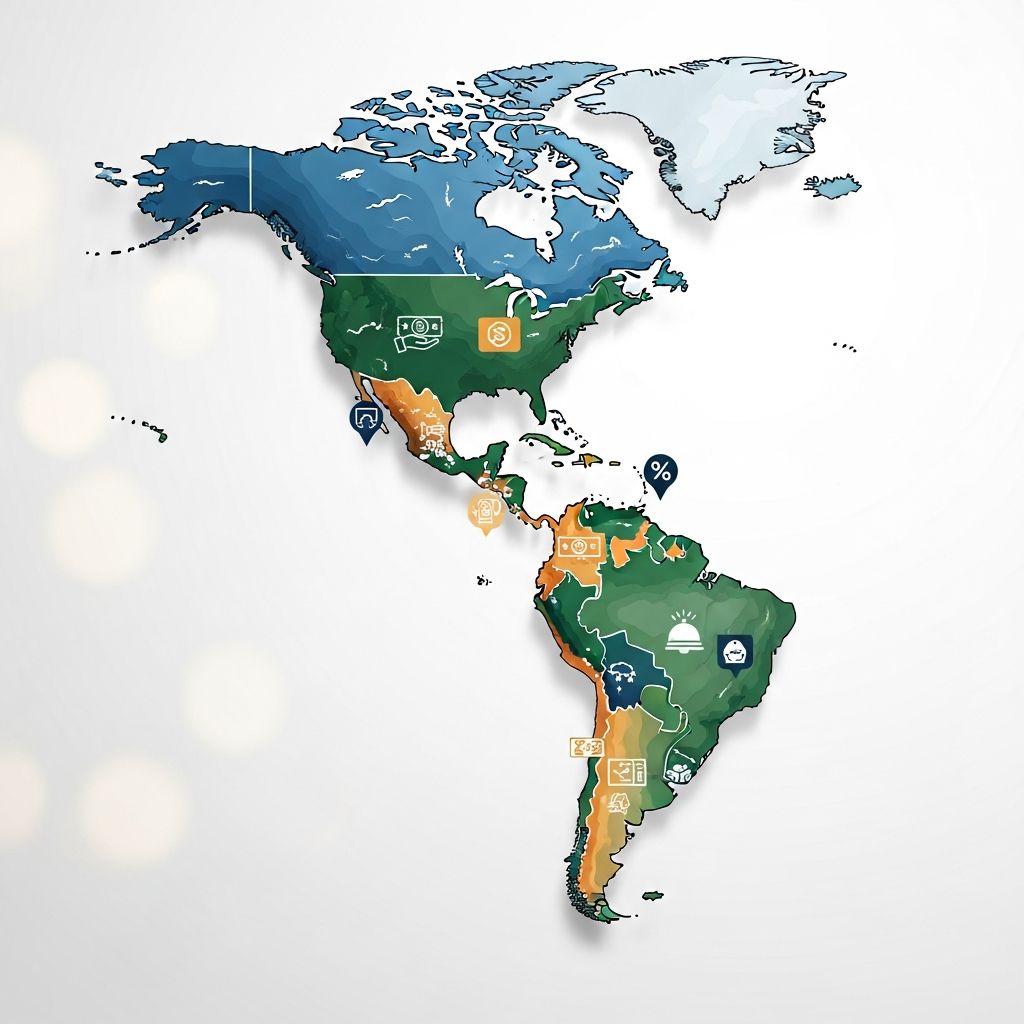
Gratuity practices vary dramatically across the Americas, reflecting diverse economic systems, labor standards, and cultural traditions. What constitutes appropriate compensation for service in one country may differ significantly from expectations just across a border. Travelers navigating this complex landscape often find themselves uncertain about when, how much, and to whom they should offer additional compensation beyond stated prices. This guide examines the nuanced tipping customs across multiple regions, providing practical frameworks for respectful and appropriate gratuity practices.
The Foundation: Why Tipping Practices Differ
Tipping expectations across the Americas stem from fundamental differences in labor economics and cultural attitudes toward service work. In the United States and Canada, service industry wages are structured differently than in most other sectors, creating economic dependency on gratuities. Conversely, many Central and South American nations incorporate service charges directly into restaurant bills or maintain different wage structures altogether. Understanding these foundational differences helps travelers make informed decisions rather than applying assumptions from their home countries.
Dining Establishments: From Fine Dining to Casual Cafés
North American Restaurant Culture
In the United States and Canada, restaurant tipping operates under distinct conventions shaped by labor law. Service staff in these countries typically earn lower minimum wages than workers in other industries, making gratuity a significant portion of their total compensation. The contemporary standard ranges from 18 to 25 percent of the pre-tax bill, reflecting an upward shift from historical norms. This expectation applies to full-service dining establishments where a server provides personalized attention throughout the meal.
Service charges are automatically added only when parties exceed six diners, requiring explicit attention to the bill before making additional gratuity decisions. Bar service follows different conventions, with patrons typically contributing $1 per drink or 15 to 20 percent of the total beverage bill. Coffee shops and casual establishments operate on a more flexible basis, where contributions of $1 to $2 per transaction or simple rounding up of the total demonstrates appreciation without adhering to strict percentage-based formulas.
Latin American Restaurant Dynamics
Many Central and South American establishments implement predetermined service charges, fundamentally altering tipping expectations. Mexico, Nicaragua, Argentina, and Peru commonly incorporate automatic gratuities into final bills. When dining in these locations, patrons should verify whether charges already exist before calculating additional tips. If service charges are absent and diners wish to provide personal gratuities, 15 to 20 percent in local currency or US dollars represents an appropriate range.
Brazil, Chile, and Costa Rica employ different models, frequently including a 10 percent “sit-down” charge (referred to as “cubierto” in Chile) that represents embedded service compensation. In these contexts, additional tipping is not obligatory, though approximately 5 percent extra may be offered if service exceeded basic expectations. Bar transactions in these regions typically don’t require gratuity; customers may simply round up their bills if desired.
Caribbean Dining Considerations
Caribbean establishments outside luxury resort settings warrant careful bill examination before deciding on gratuity amounts. Many venues already include service charges in their pricing. When gratuities remain absent, 15 to 20 percent represents the appropriate contribution in restaurants, while bar patrons may round up their bills. This approach respects both the establishment’s policies and the service provider’s income.
Hospitality Services: Hotels, Porters, and Housekeeping
Porter and Baggage Assistance
Hospitality workers who handle luggage across the Americas typically expect modest gratuities reflecting their labor-intensive duties. In countries including Costa Rica, Mexico, Nicaragua, Brazil, Chile, Peru, and Colombia, the local currency equivalent of $1 per bag represents standard compensation for porters. Daily housekeeping gratuities range from $1 to $2 daily contributions, though workers accumulate these amounts from multiple guest interactions. North American hotels may see slightly higher expectations, though the same fundamental principle applies: acknowledging physical labor with proportional compensation.
Special Considerations for Specialized Porters
Trekking routes including the Inca Trail employ porters whose compensation structures differ from standard hotel arrangements. While guided tour packages often include porter wages, their physically demanding work warrants direct gratuities. Approximately 15 to 20 nuevo soles per person per day represents appropriate compensation for these workers who navigate challenging terrain while transporting equipment and supplies. This distinction recognizes the exceptional nature of their contributions compared to standard hospitality positions.
Guided Tours and Experiential Travel
Tour Guide Compensation Across Regions
Organized tours throughout the Americas follow location-specific gratuity conventions. In the United States, Canada, and Colombia, tour guides typically receive $10 to $20 daily in local currency, while drivers accompanying tours expect approximately $5 to $10. These positions warrant separate gratuity considerations, with guides and drivers receiving individual recognition for their distinct contributions.
Most Central and South American countries maintain lower guide compensation expectations, with approximately $5 to $10 daily representing standard amounts. Drivers in these regions traditionally receive roughly half these amounts, reflecting their different roles and responsibilities. Brazil represents a significant exception to this regional pattern, with tourism professionals relying more heavily on gratuity income. Tour guides in Brazil typically receive 100 to 200 reals daily, with drivers commanding slightly lower amounts. Cultural conventions in Brazil emphasize discretion regarding financial transactions, so ostentatious tipping displays should be avoided.
Caribbean and Island Tourism
Island-based tour experiences follow regionally specific patterns. Private tour guides in Caribbean destinations typically warrant $20 daily contributions, while driver compensation reaches approximately $10 daily. Bus tours, popular for exploring different island regions, involve modest driver gratuities consisting of a few US dollars, reflecting the shorter duration and different nature of the service compared to full-day private arrangements.
Ground Transportation: Taxis and Ride Services
Taxi Gratuity Standards
Taxi services across the Americas present straightforward gratuity expectations. In the United States, Canada, and the Caribbean, drivers typically receive 10 to 15 percent of the fare, though a couple of dollar bills suffice for short journeys when percentage calculations seem excessive. This approach balances proportional compensation with practical simplicity.
Negotiated Fare Scenarios
Central and South American taxi services operate under dual systems depending on fare negotiation circumstances. When passengers pre-negotiate or haggle fares before entering vehicles, gratuity becomes discretionary unless exceptional rapport develops during the journey. Conversely, when fares are fixed by meters or established rates, rounding up the final amount demonstrates appropriate courtesy. This distinction recognizes the different economic dynamics between negotiated and standardized pricing structures.
Decision-Making Framework: Questions to Ask
- Has a service charge already been included in the bill?
- Does the service professional’s role involve direct personal attention to my needs?
- What is the local custom in this specific country or region?
- Does the worker’s wage structure typically depend on gratuity income?
- Was the service quality notably exceptional, deficient, or standard?
- What currency should I use for the gratuity amount?
Common Misconceptions and Clarifications
Universal Percentages Don’t Apply
Assuming identical gratuity percentages work across all American destinations creates practical and cultural complications. Regional labor structures, automatic service charges, and local customs create fundamentally different scenarios. Flexible thinking and destination-specific research prevent inadvertent rudeness or financial confusion.
Currency Considerations
US dollars are frequently accepted throughout the Americas, but local currency remains preferred in most destinations. Currency exchange considerations and practical utility for service workers make local money more valuable than foreign denominations. Carrying both currencies allows flexibility while demonstrating respect for local economic systems.
Frequently Asked Questions
Should I tip if service was substandard?
Quality considerations merit adjustments to standard gratuity amounts. Significantly deficient service may warrant reduced or withheld gratuities, though cultural context matters. In regions where service workers depend heavily on tips, minimal amounts acknowledge their effort even when results disappoint.
Is tipping expected for takeout or counter service?
Counter service and takeout establishments commonly feature optional tip jars or digital prompts, though gratuities aren’t obligatory. Small amounts ($1-2) or rounding up represent appreciated but discretionary gestures rather than expected contributions.
What if I’m unsure about local customs?
Discreetly observing local behaviors, consulting hotel staff, or asking fellow travelers provides reliable guidance. Most service workers appreciate genuine effort to navigate cultural expectations respectfully, even if amounts aren’t perfect.
Are credit card gratuities equivalent to cash tips?
Service workers often face payment processing delays or administrative complications with card-based gratuities. Cash presents immediate, certain compensation while demonstrating direct appreciation.
Respectful Travel Practices
Thoughtful gratuity practices transcend monetary calculations, reflecting genuine appreciation for service workers whose efforts enhance travel experiences. Researching destination-specific customs before arrival, maintaining awareness of automatic charges, and adapting behavior based on regional norms demonstrates respect for diverse economic systems and cultural values. Service industry workers across the Americas contribute meaningfully to visitor experiences, and appropriate recognition supports their livelihoods while facilitating positive cross-cultural interactions.
References
- Everything You Need to Know About Tipping in North and South America — Lonely Planet. https://www.lonelyplanet.com/articles/tipping-customs-americas
- The Economics of Tipping — JSTOR. https://www.jstor.org/stable/26913191
Similar Articles








Read full bio of Sneha Tete