
Happiness Museum Copenhagen: 8 Interactive Rooms To Explore
Discover the world's first museum dedicated to happiness in Denmark's vibrant capital, exploring science, culture, and secrets to well-being.
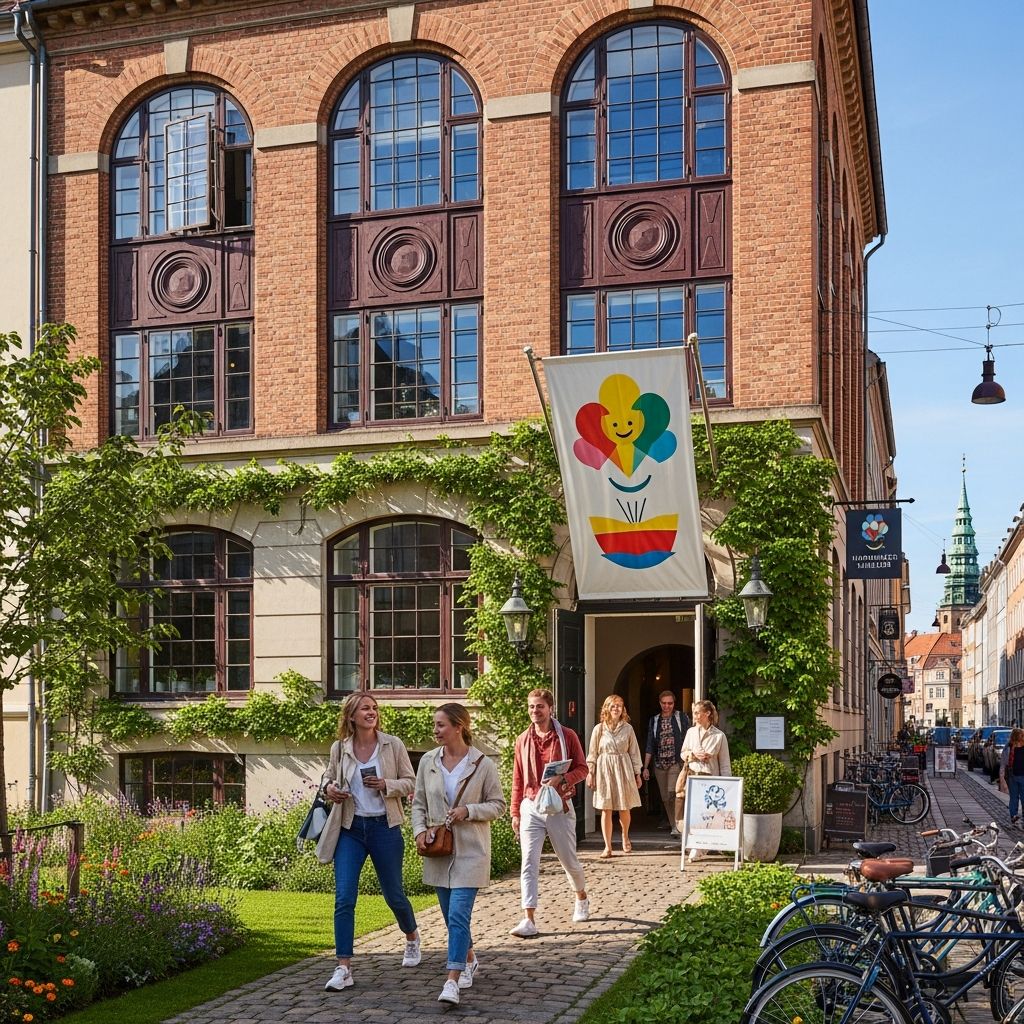
Nestled in the heart of Copenhagen, the Happiness Museum stands as a unique beacon for those seeking to understand the essence of joy in a world often overshadowed by stress and uncertainty. Created by the Happiness Research Institute, this compact yet profound space challenges visitors to rethink where true contentment lies, blending scientific research, cultural insights, and interactive experiences.
Why Denmark Leads the World in Happiness
Denmark consistently ranks among the top nations in global happiness indices, often second only to Finland according to the United Nations World Happiness Report. This isn’t mere coincidence; it’s rooted in a societal framework that prioritizes social welfare, work-life balance, and communal support. Free healthcare, education, and robust social safety nets contribute significantly to this standing, fostering a sense of security that allows individuals to thrive.
The museum delves into these factors through dedicated exhibits, illustrating how Nordic policies translate into everyday well-being. Visitors learn that wealth alone doesn’t equate to happiness—countries with high GDP per capita sometimes lag behind those emphasizing equality and trust.
- Social Trust: High levels of trust in institutions and neighbors form the bedrock of Danish joy.
- Work-Life Harmony: Shorter workweeks and generous parental leave promote fulfillment outside the office.
- Community Focus: Emphasis on collective good over individualism reduces isolation.
Unveiling the Museum’s Interactive Layout
Spanning just 2,585 square feet in the basement of an 18th-century building in Copenhagen’s historic center, the museum packs eight immersive rooms into a thoughtfully designed journey. Each space tackles a distinct facet of happiness, encouraging active participation rather than passive observation.
| Room Theme | Key Interactive Element | Insight Gained |
|---|---|---|
| Global Happiness Atlas | Interactive maps highlighting happiest/unhappiest countries | Geography’s role in well-being |
| Experience Machine Dilemma | Choice between illusory pleasure and real life | Value of authentic experiences |
| Hygge Corner | Displays of cozy elements like candles and warm drinks | Danish art of coziness |
| Happiest Memories Wall | Post-it notes sharing personal joys | Power of shared stories |
| Anatomy of a Smile | Mirrors and laughter audio | Physiology of joy |
These rooms transform abstract concepts into tangible lessons, making the visit both educational and uplifting.
The Magic of Hygge: Denmark’s Happiness Secret
At the core of Danish bliss is hygge (pronounced ‘hoo-ga’), a cultural practice centered on creating atmospheres of warmth, comfort, and togetherness. The museum dedicates space to this phenomenon, listing popular hygge triggers that resonate worldwide.
- Hot drinks like cocoa or tea
- Flickering candlelight
- Cozy fireplaces
- Christmas traditions
- Soft blankets and board games
- Quality time with loved ones
- Comfort foods and gentle lighting
Hygge isn’t about extravagance; it’s savoring simple pleasures. Meik Wiking, CEO of the Happiness Research Institute and author of bestselling books on the topic, emphasizes hygge’s role in elevating mood through mindfulness and connection.
Science Behind the Smile: Happiness Physiology
The museum’s happiness lab demystifies the biology of joy. Laughter, for instance, triggers endorphin release, reducing stress hormones like cortisol. Interactive stations let visitors test contagious laughter via headphones, revealing how smiles spread physiologically.
Nature and daylight emerge as recurring themes. Exhibits highlight Seasonal Affective Disorder (SAD), linking winter blues to reduced serotonin from limited sunlight. Light therapy simulations demonstrate mood elevation, underscoring outdoor time’s importance.
We have gotten richer as societies but often failed to become happier. The Happiness Museum brings these insights to life.
Historical Perspectives on Pursuit of Joy
Tracing happiness from ancient philosophy to modern metrics, the museum contrasts GDP-focused progress with holistic measures. John F. Kennedy’s speeches critique over-reliance on economic indicators, advocating for broader well-being gauges.
From Enlightenment thinkers like Immanuel Kant—who advised ‘something to do, someone to love, something to hope for’—to today’s self-help era, the narrative evolves, showing happiness as a multifaceted pursuit.
Practical Takeaways for Everyday Happiness
Beyond theory, the museum equips visitors with actionable advice. Prioritize relationships, embrace nature, and cultivate gratitude. One exhibit prompts reflection: Would you plug into a machine offering endless pleasure, or embrace reality’s ups and downs? Most choose authenticity, affirming real connections’ value.
Denmark’s model inspires: Foster trust, balance work with leisure, and integrate hygge rituals. Small shifts—like daily walks or family dinners—yield big rewards.
Visiting the Happiness Museum: Tips and Details
Opened in July 2020 amid global challenges, the museum remains a timely antidote to anxiety. Located centrally, it’s accessible via public transport. Tickets are affordable, with timed entries to manage crowds.
- Location: Historic Copenhagen basement
- Duration: 45-60 minutes
- Best Time: Weekdays for fewer visitors
- Accessibility: Wheelchair-friendly with advance notice
Combine with nearby attractions like Tivoli Gardens or canal tours for a full hygge day.
FAQs
What is the Happiness Museum?
A compact venue by the Happiness Research Institute exploring happiness science, Nordic secrets, and global trends through eight interactive rooms.
Why is Denmark so happy?
Strong social welfare, trust, hygge culture, and work-life balance propel Denmark to top happiness rankings.
What is hygge?
A Danish concept of cozy contentment via simple pleasures like candles, warmth, and togetherness.
Is the museum worth visiting?
Yes, for its insightful, participatory exhibits that leave you wiser and motivated.
Can families visit?
Absolutely; interactive elements engage all ages, promoting family bonding.
Global Happiness Rankings Overview
| Rank | Country | Key Factor |
|---|---|---|
| 1 | Finland | Nature access |
| 2 | Denmark | Social support |
| 3 | Norway | Income equality |
| Last | Varies (e.g., Afghanistan) | Conflict, poverty |
Data drawn from UN reports featured in museum displays.
Extending Happiness Beyond Copenhagen
Can’t travel? Adopt museum lessons: Track gratitude, prioritize outdoors, build hygge habits. Wiking’s philosophy—that we’re searching wrongly for joy—urges shifting from materialism to meaningful bonds.
In a post-pandemic era, these principles resonate stronger, reminding us collective care trumps individualism.
References
- The World’s First Happiness Museum Opens in Denmark — Smithsonian Magazine. 2019-07-16. https://www.smithsonianmag.com/smart-news/worlds-first-happiness-museum-opens-denmark-180975960/
- The Happiness Museum – What makes us happy? — Nicola Meir Holistic Therapies. 2023-01-01. https://www.nicolameirholistictherapies.com/post/the-happiness-museum-what-makes-us-happy
- The Happiness Museum — If Lost Start Here. 2021-02-10. https://www.ifloststarthere.com/home/2021/2/10/the-happiness-museum
- The Happiness Museum Shares Denmark’s Well-being Secrets — Hyperallergic. 2020-07-01. https://hyperallergic.com/denmark-happiness-museum-well-being/
- About | The Happiness Museum — The Happiness Museum Official Site. 2023-01-01. https://www.thehappinessmuseum.com/about
Similar Articles








Read full bio of medha deb