
Hotels In The COVID Era: 5 Safety Protocols For Travelers
Discover how hotels worldwide adapted to COVID-19 challenges with innovative safety measures, community support, and new services.
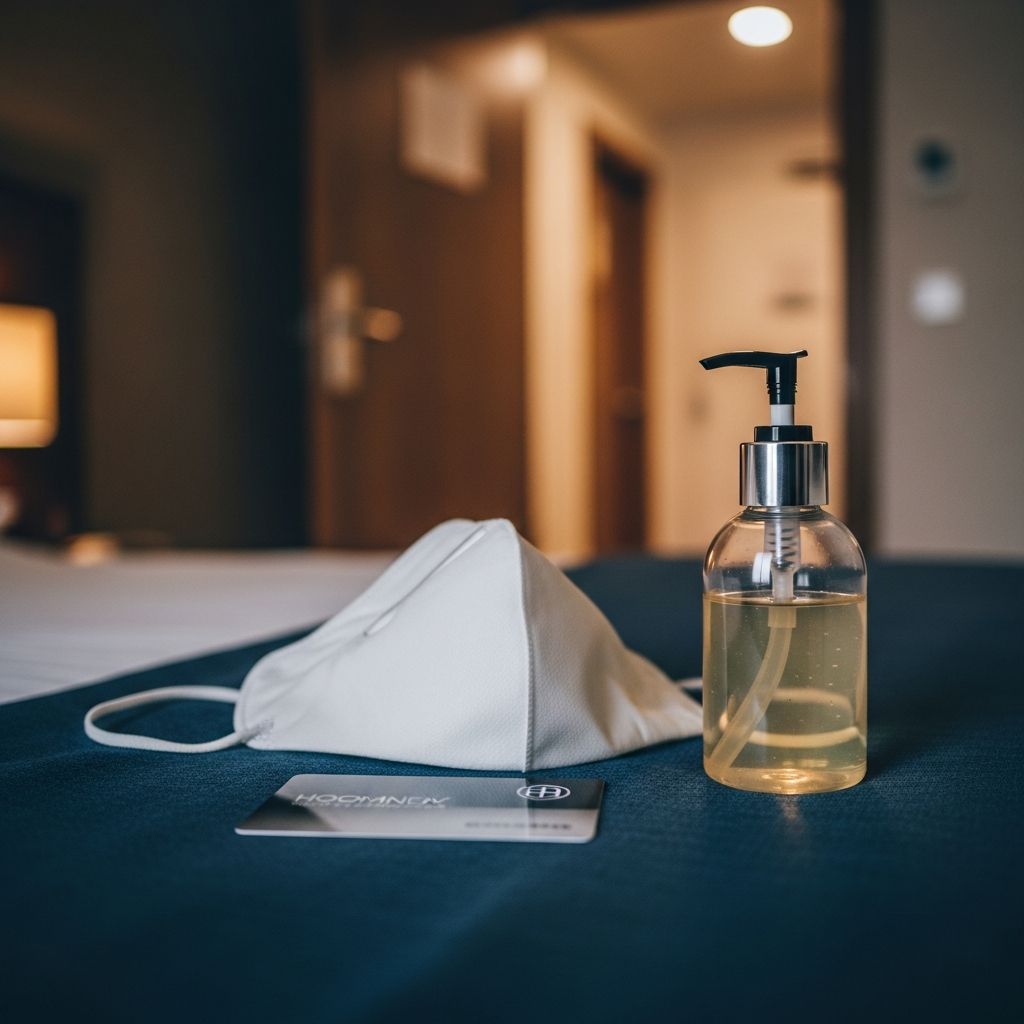
The hospitality sector faced unprecedented disruptions from the COVID-19 pandemic, yet hotels worldwide demonstrated remarkable adaptability. From converting rooms into quarantine facilities to enhancing sanitation standards, these establishments played pivotal roles in public health and community support.
Reimagining Hotel Operations for Safety
Hotels swiftly pivoted to prioritize guest and staff safety. Enhanced cleaning regimens became standard, with frequent disinfection of high-touch surfaces like elevators, door handles, and room keys. Many properties adopted touchless technologies, such as keyless entry via mobile apps and contactless check-in processes.
Infrared thermometers for daily temperature checks at entrances and mandatory mask policies for interactions were widely implemented. Staff underwent rigorous training on hygiene protocols, including steaming mattresses and covering elevator buttons with plastic. These measures aligned with government guidelines, ensuring compliance while maintaining service quality.
Quarantine and Isolation Services
A groundbreaking response was the transformation of hotels into paid quarantine centers. In Vietnam, hotels like Viehost partnered with authorities to offer comfortable isolation options, easing pressure on healthcare systems. Guests received medical-grade accommodations with separated zones for quarantine and regular stays.
- Government approval facilitated dual operations: quarantine wings alongside standard hospitality.
- High sanitation standards, including fan cleaning and mask mandates, met regulatory requirements.
- This model sustained revenue and jobs while providing superior alternatives to institutional facilities.
Similar initiatives emerged globally, with hotels offering subsidized self-isolation rooms for travelers and exposed individuals. Healthcare workers, especially those with vulnerable family members, found refuge in these setups to prevent home transmission.
Supporting Frontline Heroes
Hotels extended generosity to medical professionals battling the virus. Brands like Hilton, IHG, Marriott, Four Seasons, and Wyndham provided free accommodations and meals. Independent properties, such as Chicago’s Sophy Hyde Park and Oxford’s Linton Lodge, joined efforts to house exhausted frontline staff.
These gestures not only offered practical relief but also boosted morale. In scenarios where exposure risks were high, hotels served as safe havens, allowing workers to isolate without endangering loved ones.
Community Aid and Social Impact
Beyond core operations, hotels bolstered community resilience. Vacant properties sheltered the homeless; IHG in London and Hilton in New Orleans accommodated rough sleepers for months. In France, facilities housed domestic violence victims amid lockdowns, while Spanish resorts aided refugees.
Hotels fed communities, including migrant workers and stray animals in India via Radisson Blu and others. Symbolic acts, like heart-shaped light displays by Caesars, Hyatt, and Marriott, fostered solidarity. Creative touches, such as birthday celebrations through windows at Hilton Jordan, uplifted isolated guests.
Navigating Economic Challenges
The pandemic slashed occupancy rates, prompting survival strategies. Cost reductions, diversified services like daytime workspaces for remote workers, and paid quarantine packages preserved jobs and profitability.
Vietnamese hotels exemplified this by marketing health protocols to loyal customers, positioning themselves as safer travel options post-restrictions. Globally, properties reduced room availability to enforce distancing, with some B&Bs limiting to one party at a time.
Safety Protocols: A Comparative Overview
| Protocol | Description | Examples |
|---|---|---|
| Temperature Screening | Daily checks at entrances for staff and guests | Vietnam hotels, Sonoma properties |
| Enhanced Cleaning | Steaming, plastic covers, frequent disinfection | Elevators, mattresses worldwide |
| Contactless Services | App-based check-in, keyless entry | Expedia-partnered hotels |
| Mask Mandates | Required during interactions | Government-aligned policies |
| Reduced Capacity | Fewer rooms booked for distancing | B&Bs and large chains |
Worker Guidance and Preparedness
Resources from health authorities equipped hotel staff with COVID-19 knowledge. The CDC outlined risks for resort and lodge workers, emphasizing PPE use, ventilation, and symptom monitoring. Training focused on rapid response to exposures, protecting both employees and guests.
In reopening phases, like Sonoma hotels, properties detailed behind-the-scenes upgrades for safe operations after months of closure.
Long-Term Trends Shaping Hospitality
The crisis accelerated innovations like virtual concierge services and UV sanitization. Sustainability efforts intertwined with health, as hotels shared wellness routines online to engage stay-at-home audiences.
Post-pandemic, expectations for hygiene persist. Travelers now demand transparency on protocols, influencing booking decisions. Hotels that excelled in adaptability, like those volunteering for quarantine, gained loyalty and resilience.
Frequently Asked Questions
Can I stay in a hotel if I have COVID-19?
Yes, for emergency housing or quarantine, contact hotels in advance. Many offer designated facilities compliant with local guidelines.
Are hotels safe for travel during pandemics?
With enhanced protocols like contactless check-in and deep cleaning, yes. Always verify current policies.
How are hotels helping healthcare workers?
Free stays and meals from major chains support frontline efforts.
What community roles do hotels play in crises?
Sheltering homeless, feeding communities, and providing isolation spaces.
Have hotels changed permanently due to COVID?
Yes, with lasting emphasis on touchless tech and hygiene standards.
Key Takeaways for Travelers
- Research hotel safety measures before booking.
- Opt for properties with proven pandemic responses.
- Follow local health rules during stays.
- Support hotels aiding communities.
Hotels emerged stronger, blending hospitality with public health imperatives. Their stories of innovation underscore the sector’s vital societal role.
References
- Staying in a Hotel if You Suddenly Need Lodging Due to COVID — Ascot Suites. 2020. https://ascotsuites.com/staying-in-a-hotel-if-you-suddenly-need-lodging-due-to-covid/
- Hospitality’s Role in Community Resilience During the Coronavirus Crisis — Sustainable Hospitality Alliance. 2020-04-02. https://sustainablehospitalityalliance.org/hospitalitys-role-in-community-resilience-during-the-coronavirus-crisis/
- The Survival of Hotels During the COVID-19 Pandemic — PMC – NIH. 2021. https://pmc.ncbi.nlm.nih.gov/articles/PMC8075367/
- 12 Hotels Doing Incredible Things During the COVID-19 Crisis — Suitcase Mag. 2020. https://suitcasemag.com/hotels-helping-during-the-coronavirus-crisis/
- What Hotel, Resort, and Lodge Workers Need to Know About COVID-19 — CDC. 2020-11-12. http://stacks.cdc.gov/view/cdc/97116
Similar Articles







Read full bio of Sneha Tete