
How Hotels Are Reshaping Operations Post-Pandemic
Discover the lasting transformations reshaping hotel industry standards and guest experiences.
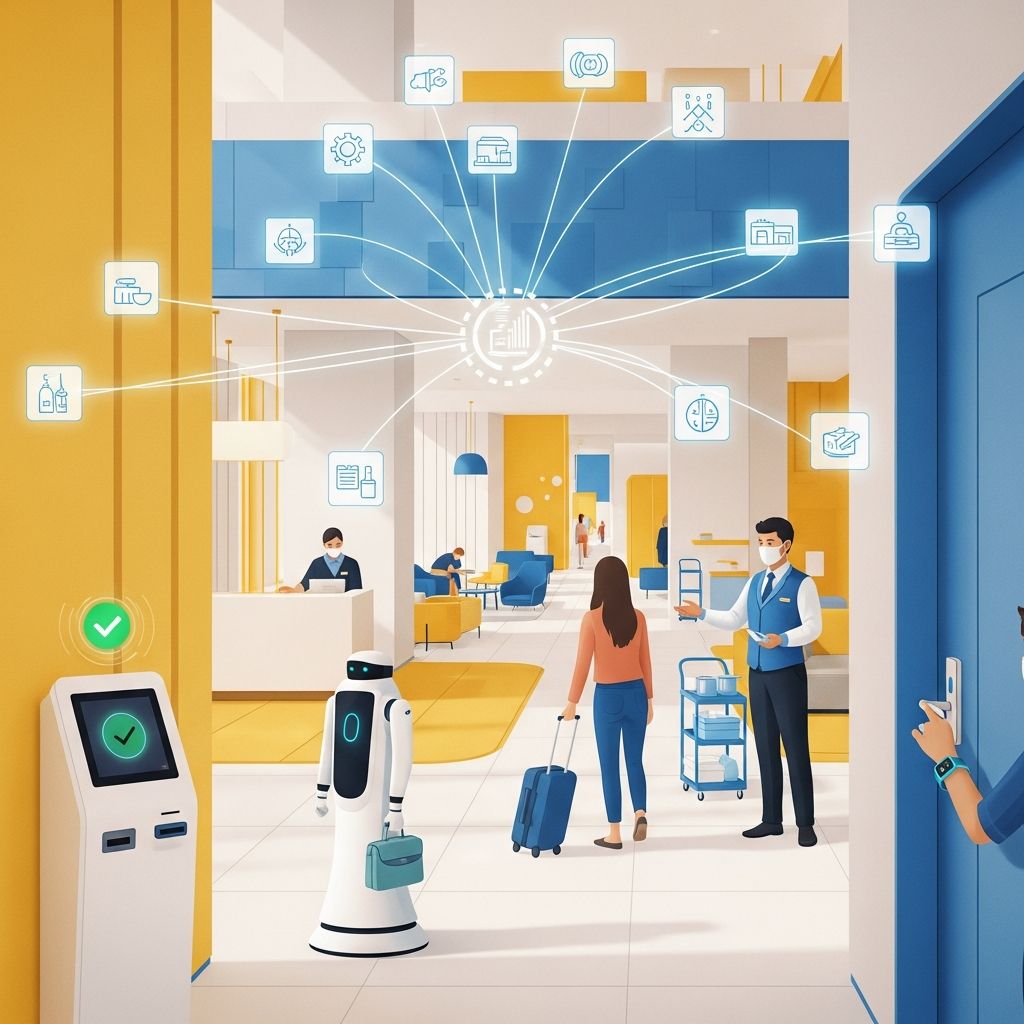
The global hospitality sector has undergone unprecedented transformation following the COVID-19 pandemic. What began as emergency protocols to ensure guest safety has evolved into permanent operational restructuring that fundamentally redefines how hotels function. These changes extend far beyond temporary measures; they represent a comprehensive reimagining of hotel management, guest interactions, and facility design that will persist for years to come.
The Permanent Shift in Industry Standards
The pandemic forced hotels to adopt operational practices that guests now expect as industry baseline. According to hospitality experts at Boston University’s School of Hospitality Administration, “there is a permanent shift in a lot of things” within the travel and hospitality sectors. This shift reflects a fundamental recalibration of what constitutes acceptable hotel operations and guest experiences. Unlike previous disruptions to the travel industry, which proved relatively temporary in nature, the pandemic’s effects have created lasting changes that hotels cannot reverse without risking competitive disadvantage and guest dissatisfaction.
Hotels that successfully navigated the pandemic recognized that adapting to new guest preferences was not merely a survival strategy but an opportunity to modernize their operations. The industry has collectively moved forward with innovations and protocols that enhance both safety and customer satisfaction simultaneously.
Elevated Sanitation and Health Protocols
Enhanced cleaning standards represent one of the most visible transformations in post-pandemic hotel operations. Hotels have formalized their sanitation initiatives to align with recommendations from health authorities and regulatory agencies. This formalization extends beyond casual implementation; it involves systematic documentation, staff training, and transparent communication with guests about cleaning procedures.
Many hotels now employ dedicated sanitation specialists whose primary responsibility focuses exclusively on maintaining heightened hygiene standards. These positions represent a permanent expansion of hotel staffing models, as properties recognize that thorough sanitation is no longer an optional service enhancement but a fundamental operational requirement.
Marketing strategies have evolved to emphasize these enhanced protocols. Hotels now prominently feature their cleaning initiatives in promotional materials and direct guest communications. This transparency serves dual purposes: it reassures health-conscious travelers while differentiating properties in an increasingly competitive market where safety perception significantly influences booking decisions.
Key Sanitation Improvements:
- Formal documentation of cleaning schedules aligned with public health guidelines
- Specialized training for housekeeping staff on enhanced sanitation techniques
- Increased frequency of high-touch surface sanitization throughout guest areas
- Implementation of hospital-grade disinfection protocols in common spaces
- Guest communication strategies highlighting cleanliness commitment
Redesigned Physical Spaces and Layout Optimization
The pandemic prompted hotels to fundamentally reconsider their physical layouts and spatial design. Dining areas, lobbies, and other communal spaces have been reconfigured to facilitate natural social distancing while maintaining functionality and aesthetic appeal. This redesign process reflects a sophisticated understanding that guest comfort during the post-pandemic era requires intentional spatial planning rather than reactive crowd management.
Many properties have eliminated or reimagined traditional buffet-style dining in favor of customized food service options. This shift accomplishes multiple objectives simultaneously: it reduces potential contact points, decreases food waste, minimizes disease transmission risks, and often enhances the dining experience through personalization. Hotels have discovered that guests appreciate the individualized service model, making this change economically and experientially advantageous beyond its health benefits.
Room allocation strategies have also evolved, with some hotels strategically spacing reservations to reduce hallway congestion and guest interaction points. While not all properties maintain such strict spacing permanently, the infrastructure and booking systems now exist to enable rapid implementation if health concerns resurge.
Digital Transformation and Contactless Technology Integration
Perhaps the most significant long-term transformation involves the acceleration of digital technologies throughout hotel operations. The pandemic served as a catalyst for technological adoption that was already underway but accelerated adoption timelines dramatically. Major hospitality brands like Marriott and Hilton had begun developing digital capabilities before COVID-19, but the pandemic created urgency that justified rapid investment across the entire industry.
Mobile check-in applications now represent a standard feature rather than a premium offering. Guests can bypass front desks entirely, minimizing person-to-person interaction while streamlining the arrival process. Electronic kiosks supplement or replace traditional check-in counters, providing guests with options that align with their comfort levels regarding direct staff interaction.
Digital room keys delivered through mobile applications eliminate the need for physical key cards and associated contact points. Guest rooms increasingly feature tablet interfaces and smart technology that enable occupants to control environmental factors such as lighting, temperature, curtains, and entertainment systems without physical contact with conventional switches and controls. These technologies enhance guest autonomy while reducing the transmission vectors that concerned travelers during and after the acute pandemic phase.
Technology Integration Priorities:
- Mobile applications for check-in and check-out procedures
- Digital room keys accessible through smartphones
- In-room tablet interfaces for environmental and service controls
- Smart room technology for personalized guest experiences
- Contactless payment systems throughout properties
- Real-time occupancy and cleanliness status displays
Evolving Guest Experience Expectations
The pandemic has fundamentally altered how guests evaluate and select hotels. Research comparing guest sentiments between 2020 and 2022 demonstrates that new servicescape attributes have emerged as priority considerations. Guests now evaluate properties not only on traditional metrics such as location, amenities, and price but also on demonstrated commitment to health and safety, technological sophistication, and alignment with sustainable practices.
Hotels that successfully adapt to these shifting preferences position themselves for competitive advantage. The sector increasingly recognizes that guest experience encompasses both tangible elements such as room cleanliness and intangible factors such as psychological comfort regarding health protocols and safety measures.
Domestic tourism has remained robust in the post-pandemic environment, with leisure travel exceeding pre-pandemic levels. New York City hotels, for example, achieved occupancy rates around 95% through the Labor Day weekend period, with domestic tourists representing the primary demand driver. This resilience in leisure travel, combined with ongoing structural changes in business travel patterns, has created a new competitive landscape where hotels must appeal primarily to leisure travelers while optimizing operations for reduced but more selective business travel volumes.
Sustainability and Local Integration
Guest preferences have shifted toward sustainability and local engagement. Hotels positioned as embedded within their local communities and offering sustainable practices have gained competitive advantages as domestic travel has taken precedence over international tourism. This trend reflects broader societal shifts toward environmental consciousness and desire for meaningful travel experiences rather than purely transactional accommodation.
Many hotels have responded by emphasizing their environmental certifications, local sourcing initiatives, and community partnerships. These positioning strategies appeal to the demographic segments driving leisure travel recovery while aligning with genuine operational improvements that reduce costs and environmental impact simultaneously.
Staffing Challenges and Wage Structure Evolution
While hospitality has recovered significantly, the sector continues grappling with persistent workforce challenges. Many hotels operate with reduced staff levels despite strong demand, creating pressure on remaining employees and service delivery consistency. This dynamic has catalyzed industry conversations about fair compensation, career development, and workplace conditions.
Hotels increasingly compete for talent not merely on wage basis but through holistic employee value propositions that address work quality, schedule flexibility, and professional development opportunities. The sector is simultaneously exploring automation technologies to address labor constraints in specific operational areas.
Comparative Recovery Trajectories: Hotels Versus Alternative Accommodations
| Accommodation Type | Initial Pandemic Impact | Recovery Timeline | Current Status |
|---|---|---|---|
| Traditional Hotels | Severe occupancy decline | Extended recovery period | Revenue exceeding pre-pandemic levels |
| Home Sharing (Airbnb) | Moderate impact | Rapid recovery | Stabilized with adjusted market share |
| Boutique Properties | Variable based on location | Differentiated recovery | Strong recovery in leisure markets |
Hotels have achieved remarkable recovery momentum, with data indicating that properties are now generating more revenue and maintaining higher occupancy rates compared to pre-pandemic 2019 levels. This recovery exceeds what many industry analysts initially projected, reflecting strong pent-up leisure travel demand and successful adaptation to new operational models.
Looking Forward: Structural Permanence of Changes
The hospitality industry has reached consensus that pandemic-era changes represent structural shifts rather than temporary adjustments. According to industry leadership, the sector will “never go back to the pre-pandemic ‘normal'” in any comprehensive sense. Instead, hotels will continue operating according to the new frameworks they’ve established, continuously refining and optimizing these operational models.
New business models and guest expectation frameworks are becoming entrenched across the industry. Hotels that invested heavily in technological infrastructure, enhanced sanitation protocols, and employee development during the recovery phase have established competitive advantages difficult for competitors to replicate. These advantages will persist because they reflect genuine improvements in operational efficiency, guest safety, and experience quality rather than merely temporary health measures.
Industry Takeaways and Strategic Implications
Hotels that successfully navigate the post-pandemic landscape share common characteristics: commitment to transparency regarding safety protocols, investment in guest-facing technology, flexibility in operational design, and genuine dedication to both guest and employee wellbeing. These properties recognize that the pandemic fundamentally altered guest psychology regarding travel safety and that addressing these psychological factors represents essential business strategy rather than optional service enhancement.
The industry’s transformation demonstrates how external disruption can catalyze positive operational evolution. Hotels emerged from acute pandemic pressures with modernized systems, enhanced safety protocols, and guest experiences that frequently exceed pre-pandemic standards. While the pandemic itself caused immense hardship, the hospitality sector’s adaptive response has positioned it for sustainable long-term growth grounded in authentic operational improvements rather than merely recovering previous business models.
Frequently Asked Questions
Have hotels maintained all pandemic-era cleaning protocols permanently?
Yes, most hotels have formalized enhanced cleaning protocols as permanent operational standards aligned with public health recommendations, though specific implementation details may vary by property and location.
Are digital check-in systems now standard across all hotels?
Major hotel chains have implemented digital check-in options, though traditional front-desk services remain available. Smaller properties may offer variable levels of digital technology integration depending on their investment capacity and guest demographics.
Has business travel recovered to pre-pandemic levels?
Business travel has recovered more slowly than leisure travel due to persistent remote work preferences, virtual meeting platforms, and corporate travel budget constraints. Hotels now derive substantially more revenue from leisure travelers than previously.
What is the environmental impact of hotel operational changes?
Many post-pandemic operational changes, such as eliminating buffet dining and individual food service customization, actually reduce food waste and environmental impact. Enhanced sanitation may require increased water and chemical usage, though many properties have implemented efficient protocols.
How have room prices been affected by these operational changes?
Hotels have successfully maintained or increased rates despite operational enhancements, as guests demonstrate willingness to pay premiums for properties demonstrating strong safety protocols, technological sophistication, and service quality improvements.
References
- Hotel Tourism in a Post-COVID United States — Citrin Cooperman. Accessed 2026. https://www.citrincooperman.com/In-Focus-Resource-Center/Hotel-Tourism-in-a-Post-COVID-United-States
- Hotel Industry: Navigating a Post COVID World — Grant Thornton. 2021. https://www.grantthornton.global/globalassets/1.-member-firms/global/insights/article-pdfs/2020/hotel-credentials-2021-web.pdf
- The Top 4 Post-COVID Changes To Make Throughout Your Hotel — Hotel Cleaning Services. https://hotelcleaningservices.com/4-post-covid-changes-to-make-to-your-hotel/
- The Pandemic Changed How We Eat, Travel, Tip. Now Things Are… — Boston University. 2023-08-10. https://www.bu.edu/articles/2023/the-pandemic-changed-travel/
- Promoting the Sustainable Recovery of Hospitality in the Post-Pandemic Era — PMC/National Center for Biotechnology Information. https://pmc.ncbi.nlm.nih.gov/articles/PMC9858850/
- Transforming The Hotel Experience Post COVID-19 — V-Count. https://v-count.com/from-disruption-to-opportunity-transforming-the-hotel-experience-post-covid-19/
Similar Articles








Read full bio of medha deb