
Choosing Your Ideal Lodging: Hotels vs Vacation Rentals
Discover which accommodation style truly delivers genuine travel experiences and cultural connections.
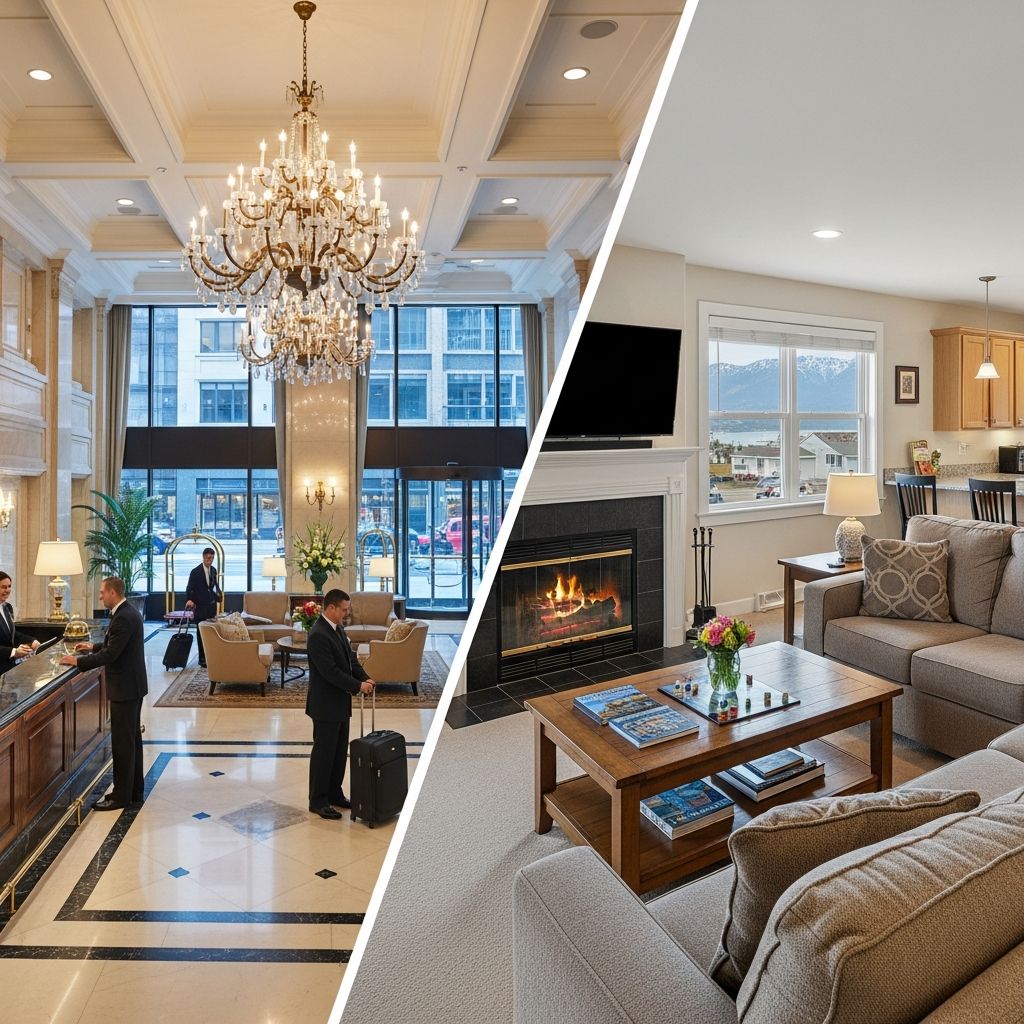
The pursuit of authentic travel experiences has become increasingly central to how modern visitors plan their journeys. Rather than simply checking off tourist landmarks, many travelers now seek deeper engagement with destinations—hoping to understand local cultures, connect with residents, and discover what truly defines a place beyond guidebook descriptions. Yet a critical question remains: does the type of accommodation you choose fundamentally shape how authentic your travel experience becomes?
This exploration requires moving beyond marketing claims to examine what actually creates meaningful travel moments. While vacation rental platforms frequently emphasize their superiority in delivering “authentic” experiences compared to traditional hotels, the reality proves considerably more nuanced. The truth is that authenticity stems less from the building itself and more from the intentional choices travelers make and the genuine human connections they cultivate.
The Role of Human Connection in Defining Travel Authenticity
At its core, authentic travel hinges on a fundamental reality: encountering people whose life perspectives differ meaningfully from your own. When travelers genuinely engage with locals, exchange viewpoints, and learn from different cultural contexts, they gain invaluable insights that reshape their understanding of the world and themselves.
This human dimension cuts both ways. Positively, tourism creates opportunities for meaningful cross-cultural dialogue and mutual learning. Conversely, when tourism becomes overly concentrated and commercialized, it frequently erodes the very cultural essence that attracted visitors initially. Mass tourism in certain neighborhoods can fundamentally alter local character, pricing, and community composition—paradoxically destroying the authenticity that vacation rental platforms claim to preserve.
The critical insight here involves recognizing that accommodation type alone cannot manufacture authentic experiences. Instead, authenticity emerges from deliberate engagement, respectful interaction, and willingness to venture beyond curated spaces. Whether staying in a traditional hotel, bed-and-breakfast, homestay, or vacation rental, travelers who prioritize human connection and community respect will encounter more genuine experiences than those seeking only comfort or convenience.
Examining Vacation Rental Marketing Claims
Vacation rental platforms have built substantial business models around the promise of “authentic” stays. Their marketing narratives suggest that renting someone’s apartment or house inherently provides closer connection to local life than traditional hotel stays. This messaging resonates powerfully with travelers fatigued by standardized corporate hospitality.
However, the lived experience frequently contradicts these promises. Many vacation rentals available through major platforms feature generic, impersonal décor that could exist anywhere globally. These spaces often lack distinctive character or local flavor. Furthermore, they frequently situate themselves within neighborhoods experiencing rapid gentrification or tourism-driven transformation—precisely the areas where local culture and community identity face the greatest pressure.
When vacation rental concentration becomes excessive within specific neighborhoods, these platforms paradoxically contribute to the cultural homogenization they claim to oppose. Permanent residents displaced by short-term rental economics, local businesses replaced by tourist-oriented establishments, and architectural character obscured by renovation for visitor appeal—these consequences directly contradict authentic travel objectives.
Diverse Accommodation Approaches to Cultural Immersion
Rather than accepting that any single accommodation category guarantees authenticity, travelers benefit from understanding how different options can facilitate genuine engagement:
- Traditional Hotels: Full-service hotels offer professional hospitality but limited informal local interaction. However, strategic choices—selecting independent boutique properties over international chains, staying in residential neighborhoods rather than tourism districts, engaging staff members in genuine conversation—can create meaningful connections even within hotel frameworks.
- Bed-and-Breakfast Establishments: These owner-operated properties inherently facilitate more personal interaction. Hosts typically inhabit the premises, share local knowledge, and provide breakfast settings conducive to casual conversation. This format naturally encourages the human connection that defines authentic travel.
- Homestays: Living within someone’s residence creates immersive cultural exposure. Travelers gain insights into daily routines, local preferences, household dynamics, and authentic neighborhood life. The intimacy of this arrangement—when carefully managed with mutual respect and clear boundaries—often produces the deepest cultural learning.
- Vacation Rentals: These options offer variable authenticity depending on location choice, host engagement, and neighborhood context. Rentals in established residential areas with long-term community stability differ substantially from those in tourism-saturated zones experiencing rapid demographic change.
Strategic Considerations for Authentic Accommodation Selection
Rather than focusing primarily on accommodation category, travelers seeking genuine experiences should evaluate specific factors that determine how authenticity will emerge:
| Selection Factor | Impact on Authenticity | Evaluation Strategy |
|---|---|---|
| Location within destination | Determines neighborhood character and local interaction opportunities | Research residential vs. tourist areas; examine demographic stability; assess local business types |
| Host involvement level | Shapes potential for genuine human connection and cultural knowledge sharing | Read host reviews focusing on personal interaction; choose properties where hosts actively engage |
| Property character | Reflects whether space embodies local aesthetic or generic corporate style | Examine photos carefully; seek spaces displaying distinctive local design elements and genuine wear |
| Neighborhood gentrification status | Indicates whether area maintains authentic community or has transformed for tourism | Research recent neighborhood changes; compare current composition with historical documentation |
| Permanent vs. temporary occupancy mix | Shows whether area maintains stable community identity | Observe ratio of vacation rentals to residential occupancy; note business longevity |
The Paradox of Manufactured Authenticity
An important recognition emerges from examining vacation rental culture: the attempt to commodify authenticity often undermines the very qualities being marketed. When properties are deliberately decorated to appear “authentic” or “local” for tourist consumption, they frequently project inauthenticity through their very artificiality.
Genuine local spaces evolve organically through residents’ actual preferences and practical needs. When properties are designed primarily to meet visitor expectations of what “authentic local living” should resemble, they typically reflect external assumptions rather than lived reality. This distinction matters considerably for travelers seeking actual cultural understanding rather than curated experiences.
Travel Platform Features Beyond Accommodation
Contemporary travel platforms now extend beyond simple lodging provision to include experiential opportunities. Cooking classes taught by passionate local instructors, neighborhood walking tours led by residents, cultural workshops, and craft lessons represent valuable complements to accommodation choices. These experiences, offered through platforms and independent providers, genuinely facilitate cultural connection when hosted by people with authentic expertise and community roots.
The quality of these experiences depends substantially on host selection and vetting. Platforms connecting travelers with established community members offering legitimate skills and knowledge create more authentic moments than those simply recruiting anyone willing to conduct activities for visitors.
Developing Your Personal Authenticity Framework
Rather than relying on accommodation category labels, travelers cultivate authentic experiences through deliberate personal practices:
- Prioritize direct conversation with people you encounter—hosts, staff members, neighbors, local business owners
- Spend time in ordinary spaces where residents conduct actual daily activities rather than exclusively visiting tourist attractions
- Research neighborhood history and current community composition before booking
- Choose accommodations explicitly because specific characteristics appeal to you, not because marketing promises cultural immersion
- Venture beyond your lodging area to explore how neighborhoods transition away from tourism zones
- Engage respectfully with local cultural practices rather than treating them as entertainment
- Support community-based businesses rather than international chains
Recognizing Accommodation as One Element Among Many
Ultimately, accommodation represents one component within a broader travel experience architecture. Where you sleep matters substantially less than how you spend your waking hours, what conversations you prioritize, which neighborhoods you explore, and how respectfully you engage with communities hosting your visit.
Travelers can cultivate profound authenticity while staying in conventional hotels by intentionally building local connections, exploring residential areas, and engaging respectfully with people. Conversely, those renting expensive vacation apartments in gentrifying neighborhoods while avoiding genuine interaction may experience considerable cultural disconnection despite their lodging choice.
The question worth asking yourself before booking any accommodation involves examining your actual travel intentions. Are you seeking comfort combined with convenience? That honest preference differs from authenticity-seeking, and acknowledging this distinction allows for more intentional choice-making. Do you genuinely want to engage with local people and understand their lives? That goal requires specific neighborhood selection and behavioral practices regardless of accommodation type.
Frequently Asked Questions
Does staying in a vacation rental automatically provide more authentic experiences than hotels?
Not necessarily. Vacation rentals offer potential for authenticity when located in stable residential communities with engaged hosts, but many provide generic experiences in tourism-saturated areas. Authenticity emerges from your behavioral choices and community respect rather than accommodation category alone.
What makes certain neighborhoods more authentic for travelers?
Authentic neighborhoods typically feature mixed-income populations, diverse local business types that serve residents rather than tourists, longer-term occupancy patterns, and community institutions that predate tourism development. Areas experiencing rapid gentrification often lose authentic character regardless of their previous history.
Can budget accommodations facilitate authentic travel?
Absolutely. Homestays, traditional bed-and-breakfasts, and modest guesthouses frequently create more authentic connections than luxury properties. Budget constraints often position travelers in residential areas and encourage interaction with hosts and other budget-conscious travelers from diverse backgrounds.
How should I evaluate vacation rental listings for authenticity potential?
Examine location carefully by researching the neighborhood beyond the listing. Read reviews mentioning local interaction quality. Study property photos for genuine character versus staged styling. Investigate whether the host actually lives in the area and can provide meaningful local insights.
Does accommodation choice determine cultural connection quality?
No. Cultural connection quality depends primarily on your willingness to engage respectfully with local people, your curiosity about their perspectives, and your behavioral choices regarding which areas you explore and which businesses you support. These factors transcend accommodation type.
Moving Forward: Intentional Accommodation Decisions
The most authentic travel experiences emerge not from selecting the “correct” accommodation category but from making deliberate choices aligned with your genuine travel intentions. Rather than accepting marketing narratives about what accommodations deliver authenticity, evaluate specific properties, neighborhoods, and host engagement levels.
Consider what authenticity actually means within your personal travel context. Authentic might involve learning traditional cooking techniques from a local instructor. It might mean understanding neighborhood history through conversations with long-time residents. It might involve supporting small family businesses rather than international franchises. Your accommodation choice should facilitate these intentions rather than providing them independently.
By approaching lodging selection strategically and combining it with respectful community engagement, you create conditions where genuine cultural connection flourishes. This approach works whether you ultimately choose a traditional hotel, boutique bed-and-breakfast, homestay, or carefully selected vacation rental. What matters is the intention behind your choice and the deliberate cultural engagement that follows.
References
- Ask LP: What’s a more authentic travel experience, a hotel or Airbnb? — Lonely Planet. https://www.lonelyplanet.com/articles/authentic-travel-hotel-airbnb
- Airbnb data reveals people are looking for travel away from hotspots — Airbnb News UK. https://news.airbnb.com/en-uk/airbnb-data-reveals-people-are-looking-for-travel-away-from-hotspots/
- Airbnb Experiences — Airbnb Official Platform. https://www.airbnb.com/experiences
Similar Articles








Read full bio of Sneha Tete