How Many U.S. National Parks Exist: 63 Parks, States, And Facts
Discover the exact count of U.S. national parks, their vast system, state distributions, and planning tips for epic adventures across America's wilderness treasures.
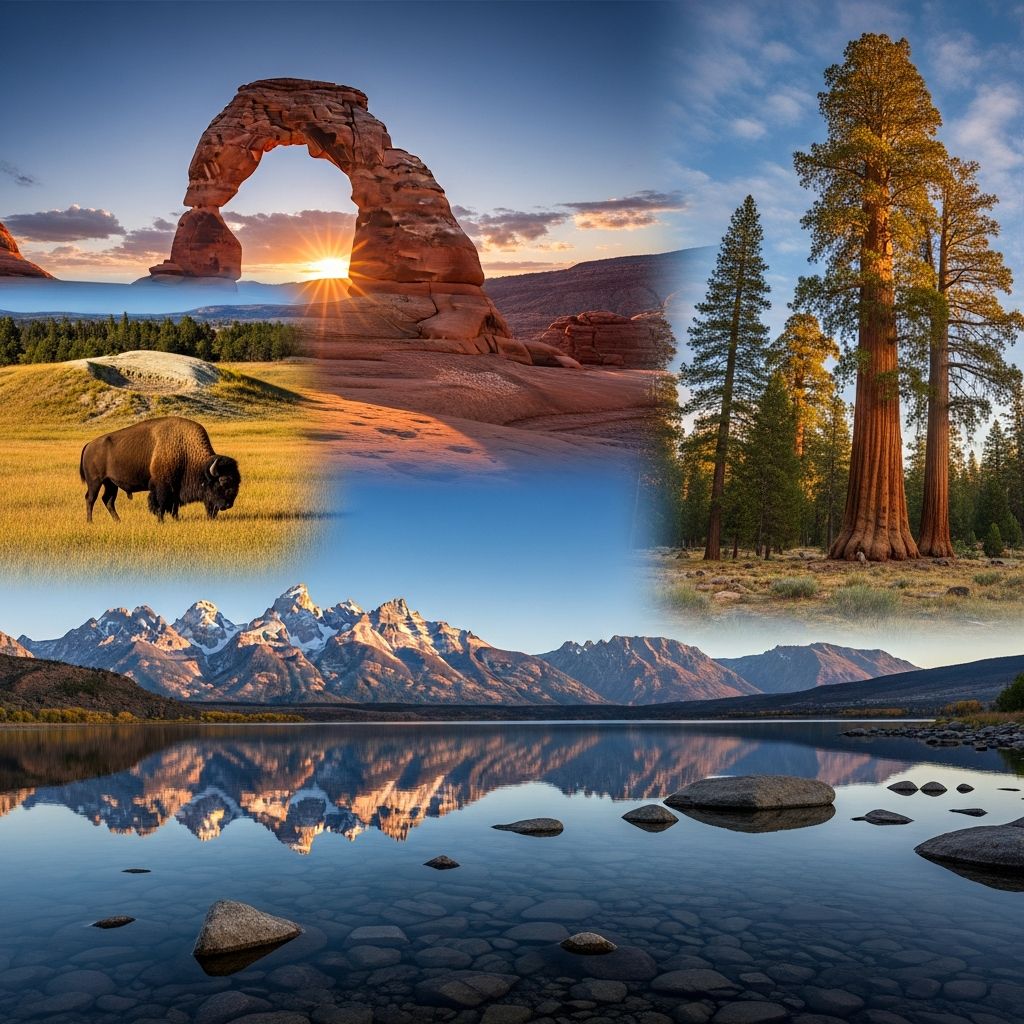
The United States boasts 63 national parks, congressionally designated areas managed by the National Park Service (NPS) for their exceptional natural beauty, geological wonders, and ecological diversity. These parks represent the crown jewels of a much larger National Park System that includes 433 diverse units spanning over 85 million acres across all 50 states, the District of Columbia, and U.S. territories like Puerto Rico, the Virgin Islands, American Samoa, and Guam. This vast network preserves irreplaceable landscapes “unimpaired for future generations,” offering endless opportunities for adventure, education, and reflection.
The National Park System: Beyond Just ‘Parks’
While the term “national park” evokes images of towering canyons and ancient forests, the NPS oversees far more than these 63 sites. The full system encompasses 433 units, commonly called “parks,” but officially categorized into 20 types including national monuments, historic sites, recreation areas, seashores, and battlefields. These units protect not only natural features but also cultural heritage, from prehistoric ruins to pivotal American history landmarks.
The distinction matters: only sites with “National Park” in their name—63 in total—hold the prestigious designation requiring congressional approval. The rest, while equally vital, fall under different protections. For instance, national preserves allow limited hunting, unlike stricter national parks. Together, they cover more than 85 million acres, equivalent to about 6% of U.S. land, ensuring biodiversity and public access.
Geographic Spread: States and Territories with National Parks
National parks are distributed unevenly, with California leading at 9, followed by Alaska (8), Utah (5), and Colorado (4). Thirty states plus territories like American Samoa and the U.S. Virgin Islands host at least one, leaving 20 states without a designated park but still served by other NPS units.
| State | Number of National Parks | Notable Examples |
|---|---|---|
| California | 9 | Yosemite, Joshua Tree, Redwood |
| Alaska | 8 | Denali, Glacier Bay, Katmai |
| Utah | 5 | Zion, Arches, Bryce Canyon |
| Colorado | 4 | Rocky Mountain, Mesa Verde |
| Arizona | 3 | Grand Canyon, Saguaro |
| Florida | 3 | Everglades, Biscayne |
| Washington | 3 | Olympic, Mount Rainier |
| Hawaii | 2 | Haleakalā, Hawaiʻi Volcanoes |
| New Mexico | 2 | Carlsbad Caverns, White Sands |
| South Dakota | 2 | Badlands, Wind Cave |
This table highlights top states; full lists show shared parks in places like Montana and Nevada. Territories add unique sites, such as Virgin Islands National Park’s coral reefs.
Historical Evolution of the National Park Network
The NPS traces its roots to 1916, when President Woodrow Wilson signed the Organic Act, consolidating management of existing parks like Yellowstone (1872) under one agency within the Department of the Interior. From 14 initial sites, the system exploded post-World War II via the Mission 66 initiative, adding infrastructure and new units.
Recent expansions reflect evolving priorities: Indiana Dunes became a national park in 2019 (from lakeshore), White Sands in 2019 (from monument), and New River Gorge in 2020. These upgrades underscore Congress’s role in elevating sites for heightened protection and visibility. Today, the 433 units include over 150 related areas and programs, adapting to climate change, tourism surges, and inclusivity.
Size and Scale: Acres of Wonder
The 63 national parks alone protect about 52.4 million acres, averaging 833,000 acres per park but with a median of 220,000 due to giants like Wrangell-St. Elias (8.3 million acres in Alaska). The entire system dwarfs this at 85+ million acres, safeguarding ecosystems from deserts to rainforests.
- Largest: Wrangell-St. Elias (Alaska) – Vast glaciated wilderness.
- Smallest: Gateway National Recreation Area (NY/NJ) – Urban-coastal blend, though not a ‘park’ designation.
- Dense clusters: Utah’s ‘Mighty Five’ for red rock hiking; Alaska’s eight for remote wildlife.
This scale supports 325 million annual visitors pre-pandemic, emphasizing sustainable tourism.
Planning Your National Parks Adventure
Visiting requires strategy: secure timed-entry permits for hotspots like Yosemite or Rocky Mountain, especially summer weekends. Entrance fees range $20–$35 per vehicle; the $80 America the Beautiful pass covers all sites for a year, ideal for multi-park trips.
Best times vary—Yosemite shines spring for waterfalls, Denali summer for wildlife. Pack layers, bear spray in grizzly country, and download offline NPS apps. Accessibility improves with boardwalks and shuttles, though rugged trails demand fitness.
- Entry passes: Annual ($80), senior/lifetime options.
- Reservations: Required for camping, lodges in peak season.
- Safety: Check alerts for weather, wildlife, flash floods.
Ecological and Cultural Treasures Preserved
National parks harbor unique biodiversity: Everglades’ mangroves, Yellowstone’s geysers, Great Smoky Mountains’ salamander capital. Many are UNESCO World Heritage Sites, like Grand Canyon and Olympic. Culturally, they protect Native American sites (Chaco Culture), Civil War battlefields, and immigrant gateways.
Challenges include overtourism, invasive species, and wildfires. NPS initiatives like “parkRx” promote health via nature immersion.
Recent Additions and Future Prospects
The three newest parks—New River Gorge (rafting haven), White Sands (gypsum dunes), Indiana Dunes (lakeside dunes)—highlight diversity. Proposals for sites like Meadowlands (NJ wetlands) or Ocmulgee Mounds (GA ancestral lands) signal growth, potentially pushing toward 70 parks.
FAQs: National Parks Essentials
How many national parks are in the U.S.?
There are 63 designated national parks, part of 433 NPS units.
Which state has the most national parks?
California with 9, including icons like Yosemite and Death Valley.
What’s the difference between a national park and other NPS sites?
National parks require congressional designation for premier natural/cultural features; others like monuments are executive-created.
Do all states have a national park?
No, 30 states and 2 territories do; others have monuments or recreation areas.
How much area do national parks cover?
About 52.4 million acres for parks; 85+ million for the full system.
Are national parks free to visit?
Most charge fees, but free days occur; annual passes save money.
Why Visit a National Park Today?
Whether chasing sunrises at Haleakalā or rafting New River Gorge, these 63 parks offer transformative escapes. Start with a nearby site—there’s truly “a park for everyone” in the expansive NPS family. Plan via Recreation.gov and immerse in America’s enduring wild heart.
References
- How Many National Parks are There? — National Parks Conservation Association. 2023. https://www.nationalparks.org/connect/blog/how-many-national-parks-are-there
- List of national parks of the United States — Wikipedia. Accessed 2026. https://en.wikipedia.org/wiki/List_of_national_parks_of_the_United_States
- National Park System — U.S. National Park Service (.gov). Accessed 2026. https://www.nps.gov/aboutus/national-park-system.htm
- Ultimate Checklist of All 63 National Parks in the U.S. — AAA Trip Canvas. 2023. https://www.aaa.com/tripcanvas/article/ultimate-checklist-of-all-63-national-parks-in-the-us-CM627
- United States national parks — Wikivoyage. Accessed 2026. https://en.wikivoyage.org/wiki/United_States_national_parks
- U.S. National Parks by State List — National Park Trips. 2023. https://www.nationalparktrips.com/parks/us-national-parks-by-state-list/
Similar Articles







Read full bio of Sneha Tete