
Island Culinary Experiences: A Global Food Travel Guide
Explore the world's most vibrant island cuisines and dining destinations
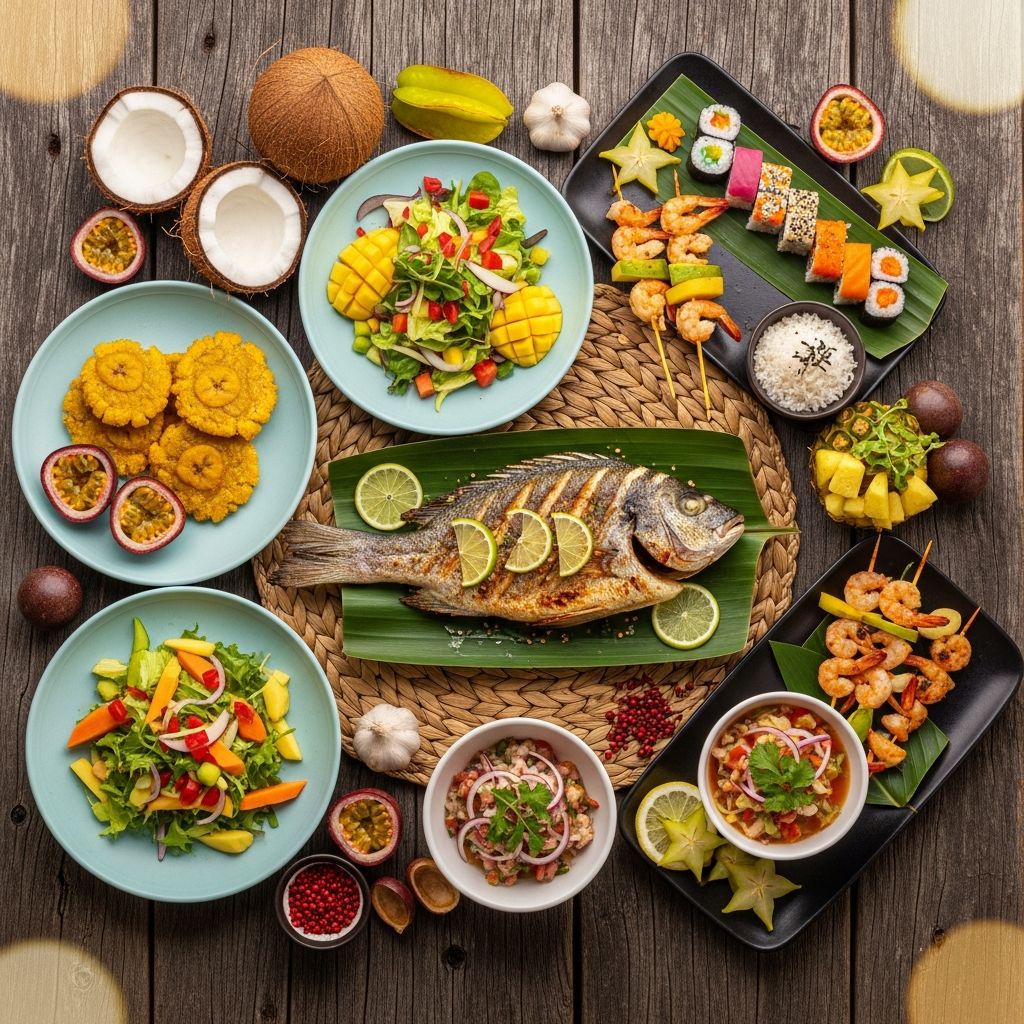
Island destinations represent some of the world’s most compelling food travel experiences, where geography, climate, and cultural heritage converge to create distinctive culinary landscapes. The isolation of island communities has historically shaped their food systems, leading to the development of unique flavor profiles, cooking techniques, and ingredient combinations found nowhere else on Earth. For food-focused travelers, islands offer an unparalleled opportunity to experience authentic cuisine that reflects centuries of cultural evolution, trade influences, and agricultural adaptation.
The Geographic Advantage: How Islands Shape Food Culture
Island communities develop distinctive food cultures due to their geographic isolation and specific environmental conditions. Limited land area means farmers cultivate crops suited to local climate and soil conditions, creating signature ingredients that become central to regional cuisine. The surrounding ocean provides access to abundant seafood resources, making fish, shellfish, and crustaceans dietary staples that appear across countless traditional dishes.
Water access influences not only what islanders eat but also how they prepare food. Preservation techniques like salting, smoking, and fermenting developed out of necessity to maintain food supplies during seasons when fresh catches were scarce. These preservation methods evolved into distinctive culinary traditions, where pickled vegetables, cured fish, and fermented condiments became integral components of meal preparation rather than mere survival strategies.
Tourism and trade have historically connected islands to global markets, introducing foreign ingredients and cooking styles that blend with indigenous traditions. This cultural exchange creates hybrid cuisines that honor ancestral recipes while embracing contemporary influences, resulting in food experiences that feel both rooted in tradition and dynamically modern.
Diverse Dining Venues: From Street Food to Fine Dining
Island destinations offer extraordinarily diverse dining options that cater to different budgets, preferences, and dining philosophies. Understanding the range of available venues helps travelers plan meals that align with their interests and create meaningful culinary connections with local communities.
Casual and Street-Level Dining Experiences
Roadside food vendors, beachside shacks, and casual eateries often represent the most authentic expressions of island cuisine. These establishments typically serve food prepared using traditional methods, featuring recipes passed down through generations and ingredients sourced from local markets. Street food experiences provide direct contact with local food culture, allowing travelers to observe cooking techniques, interact with vendors, and understand how everyday islanders approach meals.
Beach barbecue stands exemplify this casual dining category, where grilled proteins—fish, chicken, lamb, lobster—are cooked over open flames and served with simple sides like rice, beans, or fresh vegetables. These establishments often operate seasonally or with irregular hours, requiring travelers to explore neighborhoods and follow local recommendations to discover them. The informal atmosphere and shared communal dining style foster connections between travelers and residents.
Café and Restaurant Culture
Island towns typically feature cafes and restaurants ranging from modest family operations to elegant establishments. Mid-range restaurants often balance traditional recipes with modern plating techniques, introducing contemporary aesthetics to historical dishes. These venues typically source ingredients locally while incorporating international cooking methods, creating cuisine that appeals to both local diners and visitors seeking recognizable culinary frameworks.
Elevated and Specialized Dining
Upscale dining establishments on islands frequently emphasize fresh local ingredients, creative preparations, and refined service standards. Fine dining venues often employ private chefs who can create customized menus tailored to specific dietary preferences or culinary interests. These restaurants typically showcase island ingredients in innovative ways, demonstrating how traditional elements can be reinterpreted through contemporary culinary techniques.
Specialized dining experiences might include cooking classes where travelers learn to prepare traditional dishes, farm-to-table experiences featuring ingredients harvested that morning, or themed tasting menus highlighting specific seasonal ingredients or historical cooking traditions.
Signature Island Ingredients and Their Culinary Applications
Understanding key ingredients used in island cuisine helps travelers appreciate the reasoning behind dishes they encounter and recognize quality in food preparations.
- Fresh Seafood: Fish, lobster, shrimp, and shellfish form the protein foundation for countless island dishes, prepared through grilling, stewing, frying, or curing methods
- Tropical Fruits: Mangoes, coconuts, papayas, and plantains provide sweetness, texture, and nutritional content to both savory and sweet preparations
- Root Vegetables: Cassava, taro, yams, and sweet potatoes offer starch-based foundations for traditional dishes and contemporary creations
- Aromatic Herbs: Cilantro, basil, thyme, and locally-grown spices add flavor complexity and distinctive taste profiles
- Coconut Products: Fresh coconut, coconut milk, and coconut oil appear across diverse preparations, from curries to baked goods
- Chili Peppers: Local pepper varieties provide heat and flavor to sauces, marinades, and condiments
Culinary Traditions and Preparation Techniques
Island cuisines employ cooking methods developed over centuries, often reflecting available resources and climate conditions. Open-fire cooking, slow braising, and fermentation techniques represent core cooking philosophies that continue to influence contemporary island food preparation.
Grilling remains a dominant cooking method across island communities, where proteins and vegetables are cooked over charcoal or wood fires, imparting distinctive smoky flavors. Slow-cooking techniques—including stewing, braising, and pit-cooking—tenderize tougher cuts of meat while developing complex flavor profiles through prolonged heat exposure and ingredient interaction.
Preservation and fermentation traditions continue influencing island cuisine even as refrigeration technology becomes widely available. Pickled vegetables, fermented pastes, and cured fish products add umami depth and flavor complexity to meals, serving as condiments or flavor-building foundations for more elaborate dishes.
Seafood Dominance in Island Food Cultures
Seafood naturally holds central importance in island food systems, where ocean access provides abundant protein resources and economic opportunities. Different island regions develop distinctive approaches to seafood preparation based on available species, cultural traditions, and historical influences.
Fish preparation ranges from simple grilled preparations showcasing ingredient quality to elaborate curries and stews featuring complex spice combinations. Shellfish and crustaceans appear in festive dishes served during celebrations, while smaller fish species might be preserved through salting, smoking, or curing for extended shelf life.
Understanding local fishing seasons helps travelers identify when specific seafood varieties are at peak freshness and quality. Restaurants and markets source ingredients based on seasonal availability, meaning visitors will encounter different menu offerings depending on travel timing. This seasonal variation creates incentive for culinary-focused travelers to explore islands multiple times throughout the year.
Agricultural Production and Market Culture
Island farmers cultivate crops suited to local climate and soil conditions, creating distinctive agricultural products that define regional cuisine. Local markets showcase these agricultural products, functioning as cultural gathering spaces where residents purchase ingredients and travelers observe daily food-related activities.
Market visits provide direct exposure to seasonal ingredients, local farming practices, and community food priorities. Farmers often appear at markets to sell directly to consumers, creating opportunities for conversations about cultivation methods, recipe suggestions, and food preparation traditions. These market experiences offer deeper understanding of island food systems than restaurant dining alone can provide.
Sustainable farming practices increasingly influence island agriculture, as communities recognize the importance of preserving agricultural land for future generations. Some islands have implemented agricultural tourism experiences allowing visitors to participate in farming activities, harvest crops, or learn about sustainable production methods.
Beverage Traditions and Drinking Culture
Island destinations feature distinctive beverage traditions reflecting local ingredients, cultural practices, and climate conditions. Understanding local drinking culture enhances food travel experiences and provides context for how meals are typically consumed within island communities.
Tropical fruit juices, coconut water, and fermented beverages represent traditional options consumed throughout island regions. Contemporary establishments often create innovative cocktails featuring local ingredients like rum, tropical fruits, and spiced syrups. Beach bars have become cultural institutions in many island destinations, serving as social gathering spaces where residents and visitors interact across informal settings.
Coffee and tea cultures vary significantly across different island regions, influenced by colonial history and agricultural suitability. Some islands produce distinctive coffee varieties, while others emphasize tea traditions imported through historical trade relationships. Understanding regional beverage preferences provides insight into daily life and cultural values.
Seasonal Dining and Festival Foods
Island communities celebrate cultural events and seasonal transitions through distinctive foods, creating opportunities for travelers to experience cuisine beyond everyday dining. Festival foods often feature ingredients at peak harvest season, connecting food preparation to agricultural cycles and cultural calendars.
Planning travel to coincide with food festivals or harvest seasons allows visitors to experience special preparations served only during limited time windows. Local residents often prepare traditional recipes featuring ancestral techniques during celebrations, preserving culinary knowledge and cultural identity through intergenerational food transmission.
Food Tourism as Cultural Exchange
Culinary tourism creates economic opportunities for island communities while allowing travelers to develop meaningful cultural connections through food experiences. When executed thoughtfully, food tourism benefits local farmers, restaurant workers, and cultural practitioners while providing authentic cultural education for visitors.
Supporting local food systems through restaurant patronage, market shopping, and farm visits directly contributes to island economic resilience. Travelers who prioritize locally-owned dining establishments and participate in food-focused experiences support traditional knowledge preservation and sustainable agricultural practices.
Practical Considerations for Island Food Travel
Dietary Accommodations: Island restaurants increasingly accommodate vegetarian, vegan, and allergy-conscious diets, though traditional cuisines emphasize seafood and meat proteins. Communicating dietary needs clearly and asking about ingredient preparations ensures safe and satisfying meals.
Seasonal Availability: Different times of year feature varying ingredient availability and seasonal menu changes. Researching seasonal produce helps travelers understand what to expect and when particular specialties appear on menus.
Budget Flexibility: Island dining encompasses enormous price ranges from inexpensive street food to luxury establishments. Allocating budget across different venue types creates diverse experiences while controlling overall food expenses.
Language Considerations: Learning basic food-related vocabulary in local languages enhances communication and demonstrates respect for cultural communities. Many dishes have distinctive local names with no direct translations, making local language knowledge valuable.
Frequently Asked Questions
What is the best time to visit islands for optimal food experiences?
Visiting during harvest seasons ensures peak ingredient freshness and availability. Research specific island agricultural cycles to time visits when signature ingredients are abundant. Avoiding hurricane seasons also ensures restaurants operate normally without supply disruptions.
How can travelers support sustainable food tourism?
Prioritize locally-owned restaurants, purchase ingredients from local markets, participate in farm visits, and avoid establishments that source extensively from imported products. Ask restaurants about their sourcing practices and support businesses demonstrating commitment to local agriculture.
Are cooking classes available on island destinations?
Many islands offer cooking classes taught by local chefs teaching traditional techniques. Classes range from casual demonstrations to intensive multi-day experiences. Booking through local tourism offices or restaurants often provides access to authentic instruction from experienced practitioners.
What safety considerations apply to street food consumption?
Street food is generally safe when purchased from busy vendors serving high food volume, indicating rapid ingredient turnover. Choose cooked foods over raw preparations, observe food handling practices, and follow local recommendations for trusted vendors.
Can travelers with food allergies navigate island dining safely?
Communicating allergies clearly to restaurants and asking detailed ingredient questions ensures safe dining. Learning relevant vocabulary in local languages helps communicate allergies effectively. Upscale establishments typically handle allergen inquiries more systematically than casual venues.
Conclusion: The Transformative Power of Island Food Experiences
Island culinary traditions represent irreplaceable cultural knowledge accumulated across generations, offering travelers the opportunity to connect meaningfully with communities through shared meals and food-focused experiences. Whether enjoying casual beachside barbecue, exploring vibrant markets, or dining at contemporary restaurants celebrating local ingredients, island food experiences create lasting memories while supporting local economies and cultural preservation. Food travel to island destinations transcends simple consumption, instead functioning as a form of cultural education, economic contribution, and human connection that enriches travelers while respecting and supporting island communities.
References
- Discover why Anguilla is the Caribbean’s capital of cuisine — Lonely Planet. https://www.lonelyplanet.com/articles/anguilla-caribbean-cuisine
- A flavour of the world’s tastiest destinations — Lonely Planet. https://www.lonelyplanet.com/articles/a-flavour-of-the-worlds-tastiest-destinations
- Best Travel Destinations 2026 — Lonely Planet. https://www.lonelyplanet.com/best-in-travel
Similar Articles








Read full bio of medha deb