
Exploring Joshua Tree: A Complete Visitor’s Handbook
Navigate desert wonders with expert tips for hiking, camping, and adventure in California's iconic park
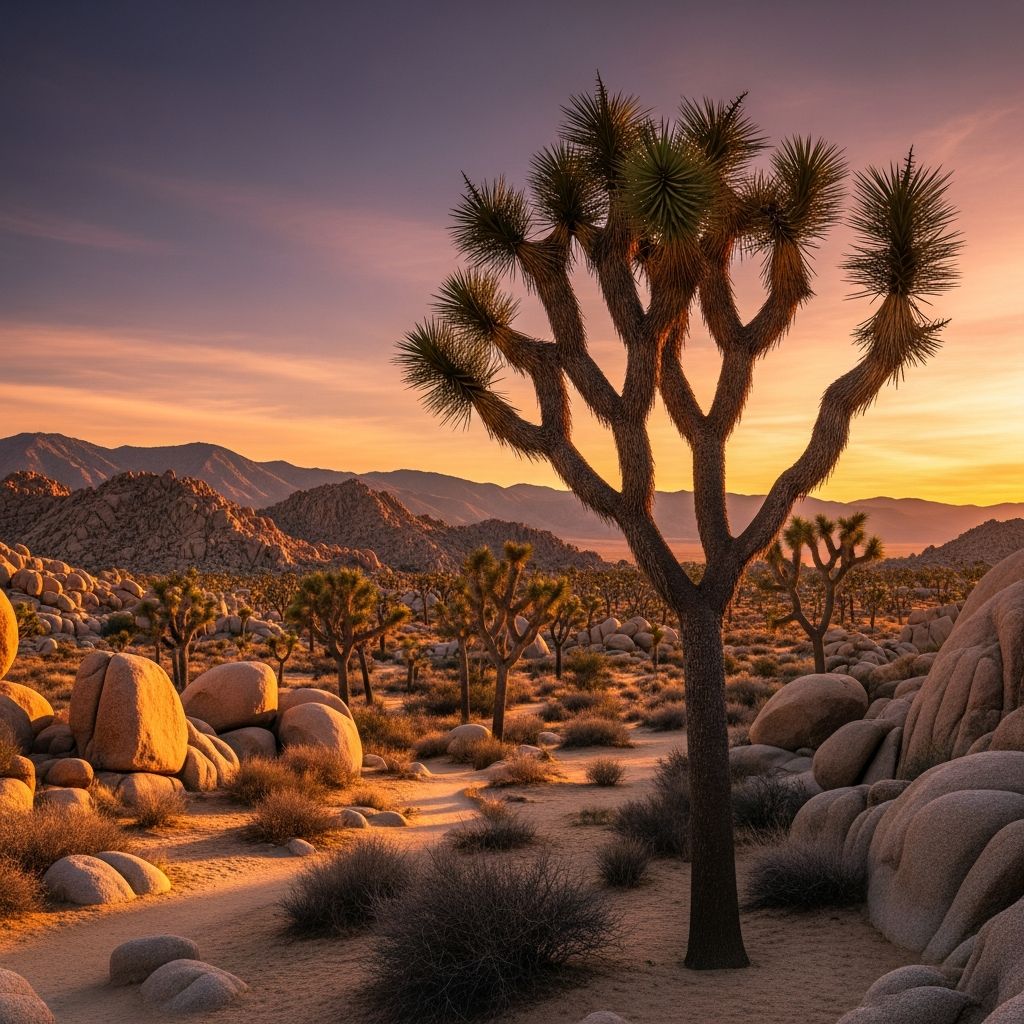
Joshua Tree National Park stands as one of Southern California’s most distinctive natural environments, renowned for its striking desert landscape, unusual botanical specimens, and remarkable rock formations. Located approximately 130 miles east of Los Angeles, this expansive park offers visitors an extraordinary blend of geological wonders, outdoor recreation opportunities, and serene wilderness experiences. Whether you’re planning your first visit or returning for another adventure, understanding the park’s logistics, seasonal patterns, and main attractions will enhance your experience significantly.
Gateway Access and Transportation Considerations
Reaching Joshua Tree National Park efficiently requires understanding the available transportation options and proximity to major travel hubs. The park benefits from excellent regional connectivity through nearby airports and well-maintained highways. Palm Springs International Airport (PSP) serves as the primary aviation gateway, positioned approximately one hour from the main park entrance. This proximity makes Joshua Tree an accessible destination for visitors arriving by air.
Upon arrival at the airport, renting a vehicle becomes essential for exploring the park’s expansive terrain. The park cannot be adequately explored using public transportation, making personal vehicle access mandatory for most visitors. The drive from the airport to the park entrance traverses scenic Southern California landscape, allowing visitors to transition gradually from urban areas to desert environment.
Understanding Park Hours and Entry Requirements
Joshua Tree National Park maintains distinctive operational policies that set it apart from many other protected areas. The facility operates continuously throughout the year, welcoming visitors 24 hours daily, seven days weekly, and 365 days annually. This round-the-clock access enables visitors to experience the park during various times of day and night, including opportunities for stargazing and sunrise viewing.
Entry to the park requires an admission fee, though collection procedures vary based on staffing levels. Visitors are advised to purchase passes in advance through recreation.gov to streamline the entry process and avoid potential delays at entrance stations. Three primary entrance points serve the park: the Joshua Tree town entrance in the north, the 29 Palms entrance in the northeast, and the south entrance near Indio. Each entrance location features visitor centers where maps and orientation materials are available to assist in trip planning.
Optimal Seasonal Timing for Your Visit
Climate considerations significantly influence the quality of the Joshua Tree experience. The most favorable visiting period extends from October through May, when daytime temperatures remain comfortable in the 50-70°F range, with nighttime temperatures between 30-40°F. This extended shoulder season provides ideal conditions for hiking, camping, and outdoor exploration without the extreme heat that characterizes summer months.
The spring season, occurring between March and May, represents an especially popular visitation period. During these months, natural water sources within the park increase availability, vegetation reaches peak conditions, and weather patterns favor outdoor activities. However, this popularity translates into crowded conditions at popular trailheads and campgrounds, necessitating advance planning and early arrival at attractions.
Accommodations and Overnight Stay Planning
For visitors seeking overnight experiences, Joshua Tree offers both developed camping facilities and dispersed camping options throughout the park. The park maintains over 500 campsites, with approximately 85% requiring advance reservations. Securing camping accommodations requires booking through recreation.gov up to six months in advance, particularly for popular dates.
First-come, first-serve campsites fill rapidly during holidays, weekends, and the spring season, often reaching capacity before midday. Visitors planning spontaneous visits during peak periods may encounter difficulty locating available camping spots. The Hidden Valley Campground represents a particularly sought-after location due to proximity to excellent trailheads.
Essential Trail Experiences for Different Ability Levels
Joshua Tree’s trail system accommodates visitors across the entire spectrum of hiking experience, from young children to experienced mountaineers. Trail selection should align with individual fitness levels, time availability, and specific interests within the park.
Introductory Trails for Families and Beginners
The Hidden Valley Nature Trail stands out as an excellent entry-level hiking option, featuring a one-mile loop with manageable terrain suitable for families with young children. This trail showcases Joshua Tree’s characteristic landscapes, including boulder formations, desert vegetation, and scenic vistas. Children as young as four years old have successfully completed this hike with minimal assistance. The nearby Hidden Valley Campground provides convenient base camp access.
Cholla Cactus Garden presents an alternative short-distance experience, requiring only 0.2 miles round trip with minimal elevation change. This accessible route brings visitors into close contact with the distinctive Teddy Bear Cacti for which the garden is renowned. The minimal physical demands make this attraction suitable for visitors with mobility limitations.
Arch Rock Trail offers a 1.2-mile loop suitable for varied ability levels, positioned conveniently near White Tank Campground. This hike provides excellent opportunities for photography and wildlife observation. A nearby detour leads to the famous Heart Rock formation, adding an element of discovery to the experience.
Moderate Difficulty Trails for Regular Hikers
The Barker Dam Trail represents the park’s most popular hiking destination, recognized as a short, easy trail frequently selected by first-time visitors. This historically significant route leads to an early 1900s dam structure and provides excellent wildlife viewing opportunities due to seasonal water availability. The trail effectively showcases Joshua Tree’s defining features, including distinctive trees and dramatic rock formations. The one-mile journey through boulder-strewn terrain creates a labyrinth-like experience through canyon landscapes.
The 49 Palms Oasis Trek encompasses a three-mile roundtrip journey leading to a genuine desert oasis surrounded by palm trees. This destination provides striking visual contrast to the surrounding desert landscape, offering unique photographic opportunities and the experience of discovering unexpected green spaces within the arid environment.
Challenging Trails for Experienced Hikers
Ryan Mountain Trail presents a 3-mile out-and-back route featuring an elevation gain of 1,050 feet, classified as difficult due to sustained climbing and exposure. This strenuous hike rewards participants with panoramic summit views representing some of the park’s most spectacular vistas. Experienced hikers with adequate physical conditioning should allocate sufficient time for this demanding route.
Specialized Activities Beyond Traditional Hiking
Joshua Tree extends beyond conventional trail walking to encompass diverse adventure opportunities suited to various interests and skill levels.
Rock Climbing and Boulder Scrambling
The park’s exceptional rock formations have established Joshua Tree as a world-renowned climbing destination. Rock climbing tours accommodating different experience levels from half-day introductions to full-day expeditions provide instruction and guidance. Rappelling opportunities and family-oriented climbing programs serve visitors of varying ages and abilities.
Hall of Horrors represents an exceptional scrambling destination where adults can engage in exploration activities including climbing, crevice navigation, and cave investigation. This area functions as an interactive landscape encouraging hours of adventurous exploration and discovery.
Scenic Viewing and Photography
Keys View delivers expansive desert vistas spanning across California’s Coachella Valley, serving as an essential stop for sunset photography and landscape appreciation. The elevated perspective provides orientation to the park’s geographical context and surrounding regional landscapes.
Guided Experiences and Educational Programs
Customized guided hiking programs tailored to individual preferences and physical capabilities provide personalized exploration with knowledgeable professionals. Self-guided audio driving tours offer economical alternatives for learning about park history and geological significance without guided personnel accompaniment. Four-wheel-drive Jeep tours access rugged terrain unavailable to standard vehicles, revealing landscapes inaccessible through conventional transportation.
Planning Your Itinerary: Time Allocation Recommendations
Optimal Joshua Tree experiences vary based on available time and priority interests. A basic first-visit itinerary spanning two to three days allows sufficient time to experience primary attractions, complete several moderate hikes, and acclimate to the desert environment. This timeframe accommodates visiting multiple trailheads, enjoying sunrise and sunset viewing, and exploring nearby towns offering local culture and commerce.
Visitors with limited time should prioritize the Barker Dam Trail for comprehensive landscape overview, Cholla Cactus Garden for unique botanical features, and Keys View for photographic opportunities. This focused approach captures essential Joshua Tree characteristics within abbreviated timeframes.
Extended stays enable deeper exploration including challenging hikes like Ryan Mountain, participation in guided rock climbing experiences, and contemplative time within the landscape. Multi-day camping stays facilitate attendance at ranger programs, stargazing, and unhurried exploration of less-visited areas.
Practical Visitor Services and Resources
Visitor centers located at each park entrance provide essential resources including detailed maps, current trail condition information, and ranger recommendations. Staff members address specific questions regarding hiking difficulty, water availability, wildlife safety, and seasonal considerations. These centers distribute planning materials invaluable for designing customized itineraries aligned with individual interests and capabilities.
The town of Joshua Tree itself offers local commerce including farmer’s markets featuring regional products and artisan goods. Nearby towns provide dining, lodging, and cultural experiences complementing park visits. This surrounding community infrastructure ensures visitor needs extend beyond park boundaries.
Visitor Preparation Essentials
Successful Joshua Tree experiences require appropriate preparation addressing the challenging desert environment. Visitors should carry substantial water quantities, recognizing the park’s arid climate and limited water availability along trails. Sunscreen, wide-brimmed hats, and sun-protective clothing provide essential protection against intense desert sun exposure. Layers accommodate temperature variations between daytime warmth and significant nighttime cooling.
Beginning your park experience at visitor centers provides crucial orientation despite time requirements. Staff recommendations regarding trail conditions, seasonal closures, and water availability prevent disappointment and ensure safety. Maps obtained at these centers prove invaluable navigating the park’s expansive 1,300+ square miles of terrain.
Conclusion: Creating Your Desert Adventure
Joshua Tree National Park delivers transformative desert experiences combining geological wonder, botanical distinctiveness, and recreation opportunities. Strategic planning addressing access routes, seasonal timing, and activity selection maximizes satisfaction regardless of experience level or available time. Whether pursuing challenging rock climbing, leisurely nature walks, or contemplative landscape observation, Joshua Tree accommodates diverse travel objectives within its remarkable environment.
References
- Best Things to Do in Joshua Tree: Ultimate Guide to Visiting — Bon Traveler. Retrieved April 2026. https://www.bontraveler.com/joshua-tree-california/
- The Ultimate Guide to Joshua Tree National Park and Nearby Towns — Destination Daydreamer. Retrieved April 2026. https://www.destinationdaydreamer.com/the-ultimate-guide-to-joshua-tree-national-park-california-nearby-towns/
- The Perfect 2-Day Joshua Tree Itinerary — The Wandering Queen. Retrieved April 2026. https://www.thewanderingqueen.com/joshua-tree-itinerary/
- First-Time Visitor’s Guide – Joshua Tree National Park — U.S. National Park Service. Retrieved April 2026. https://www.nps.gov/jotr/planyourvisit/first-time-visitors.htm
- A First-Timer’s Guide to Joshua Tree — Six Moon Designs. Retrieved April 2026. https://www.sixmoondesigns.com/blogs/newsletter/a-first-timers-guide-to-joshua-tree-by-jason-huckeba
- Joshua Tree National Park – A First-Timer’s Guide — True Wind Healing Travel. Retrieved April 2026. https://truewindhealingtravel.com/joshua-tree-national-park-guide/
- Joshua Tree National Park Guide: Hikes, Mines, Arches & Views — California Through My Lens. Retrieved April 2026. https://californiathroughmylens.com/joshua-tree-national-park-guide/
Similar Articles








Read full bio of Sneha Tete