Kangaroo Island Fire Recovery Guide: 4-Day Itinerary 2026
Discover how Kangaroo Island has resiliently rebuilt after devastating 2020 bushfires, with thriving wildlife, new attractions, and safe travel tips for 2026 visitors.
Kangaroo Island Fire Recovery Guide
Kangaroo Island, off South Australia’s coast, endured catastrophic bushfires in late 2019 and early 2020 that scorched nearly half its landscape, marking the most severe event in its recorded history. Today, the island stands as a testament to nature’s resilience and human determination, with regenerating ecosystems, accessible attractions, and a tourism sector eager to welcome ethical visitors.
The Scale of the 2020 Bushfire Disaster
The fires ignited from lightning strikes in December 2019, rapidly spreading across the north, northeast, and especially the biodiverse west end. Fueled by extreme heat, eucalyptus-rich vegetation, and fierce winds, the blazes consumed over 200,000 hectares—about 48% of the island’s total area. Flinders Chase National Park suffered immensely, with 96% (more than 30,000 hectares) burned, including key infrastructure like the Rocky River visitor center and access routes to landmarks.
Wildlife bore the brunt: populations of koalas, echidnas, and birds plummeted in affected zones, while habitats for sea lions and kangaroos faced long-term disruption. Human impacts included destroyed homes, businesses, and roads, with the island not deemed safe until February 6, 2020, by authorities.
Nature’s Remarkable Regeneration Journey
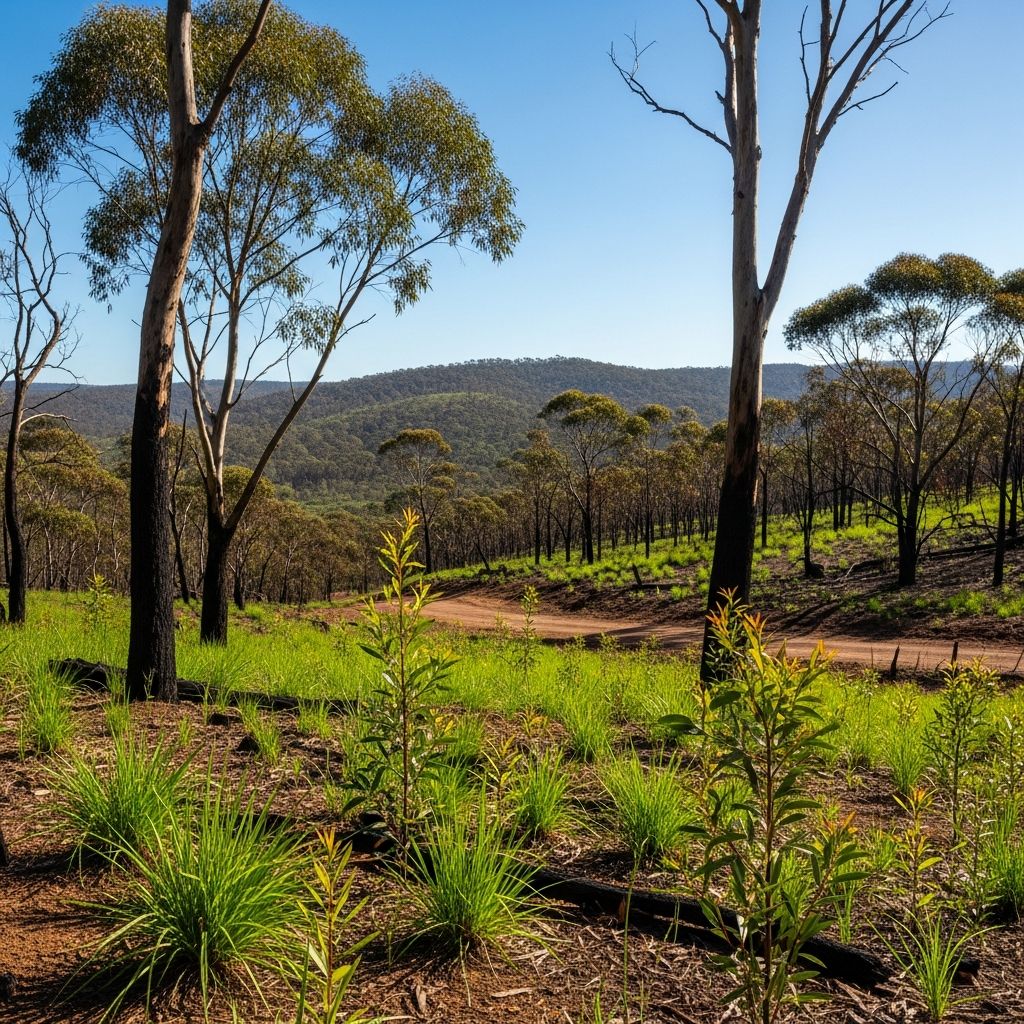
Five years on, Kangaroo Island’s flora and fauna showcase extraordinary recovery. Fire-adapted species like mallee eucalyptus and banksia have sprouted vigorously, creating open vistas where dense bush once stood. Wildflower explosions in spring draw botanists, with regenerating landscapes easier for spotting wildlife like goannas, wallabies, and rosellas.
- Vegetation rebound: Over 70% of burned areas show significant regrowth, per local observations, transforming scarred earth into vibrant green expanses.
- Wildlife adaptation: Surviving animals thrive in less obstructed terrains; kangaroos and emus are more visible, aiding eco-tours.
- Biodiversity hotspots: Unaffected eastern parks preserve pristine habitats, complementing western renewal.
This regeneration phase offers travelers unprecedented views of ecological resilience, best experienced via guided hikes on trails like the KI Wilderness Trail.
Current Status of Iconic Attractions and Parks
Most sites have reopened, blending pre-fire wonders with post-fire novelties. While some closures persist for safety, alternatives abound.
| Attraction | Status (2026) | Highlights | Fire Impact |
|---|---|---|---|
| Flinders Chase National Park | Partially open; trails and viewpoints accessible | Remarkable Rocks, Admirals Arch, coastal walks | 96% burned; infrastructure rebuilt |
| Seal Bay Conservation Park | Fully open | Guided sea lion beach walks, boardwalk views | Access roads affected but site unharmed |
| Little Sahara | Open | Sandboarding, dune adventures | Minimal impact |
| Kelly Hill Conservation Park | Open with new exhibits | Audio-visual cave tours, light displays | New post-fire attractions |
Flinders Chase’s Remarkable Rocks—granite formations sculpted over 50 million years—draw sunset crowds via elevated boardwalks. Admirals Arch hosts fur seal colonies amid dramatic cliffs. Seal Bay remains a global highlight for walking among Australian sea lions.
Practical Travel Logistics in the Recovery Era
Reaching Kangaroo Island is straightforward: SeaLink ferries from Cape Jervis (45 minutes) or direct flights to Kingscote Airport. Rent vehicles on arrival or join guided tours for stress-free exploration—ideal for families or those avoiding fire-scarred drives.
Best times to visit:
- Spring (Sep-Nov): Wildflower superbloom amid regrowth.
- Autumn (Mar-May): Mild weather, fewer crowds.
- Avoid summer peaks: Monitor fire risks via Country Fire Service apps.
Accommodations range from eco-retreats like those near unaffected eastern beaches to rebuilt western cabins. Book ahead, prioritizing businesses supporting local recovery funds.
Ethical Ways to Support the Island Community
Tourism fuels rebuilding: your spend aids farmers, artisans, and wildlife sanctuaries. Opt for operators showcasing regeneration, buy local wines, honeys, and wool products. Volunteer opportunities at replanting sites or sanctuaries add impact—many offer day programs.
New experiences highlight resilience:
- Indigenous-led tours revealing Ngarrindjeri stories of ‘Nurrungaui’.
- Cinematic wool mill visits tracing sustainable farming post-fires.
- Helicopter flights over burn scars and rebirth.
Safety Protocols for Modern Visitors
While fully safe, vigilance is key. Check Country Fire Service daily for alerts. Carry water, avoid off-trail wandering in regrowth areas, and heed guided tour restrictions near fragile zones.
Tips include:
- Download offline maps accounting for rebuilt roads.
- Pack sun protection—open landscapes amplify exposure.
- Respect wildlife: observe from distances to prevent stress on recovering populations.
Sample 4-Day Itinerary for Fire-Aware Travelers
Maximize recovery insights with this flexible plan based on current access.
Day 1: Eastern Arrival and Wildlife Focus
Ferry to Kingscote; drive to Seal Bay for sea lion tours. Afternoon sandboarding at Little Sahara. Overnight in eco-cabins.
Day 2: Western Wonders and Regeneration Views
Enter Flinders Chase: hike to Remarkable Rocks at dusk. Spot seals at Admirals Arch. Evening indigenous cultural dinner.
Day 3: Aerial and Inland Adventures
Morning helicopter over fire scars. Explore Kelly Hill’s new exhibits. Kayak pristine coasts; taste farm-fresh produce.
Day 4: Beaches and Departure
Relax at Hanson Bay or similar beaches. Visit wool mills. Ferry/flight home with souvenirs supporting locals.
This itinerary balances icons with renewal stories, totaling ~300km driving.
Wildlife Watching in a Post-Fire World
Fires paradoxically boosted sightings: kangaroos graze openly, birds nest in shrubs. Key spots:
- Seal Bay: 500+ sea lions; guided beach access (45-120 mins).
- Flinders Chase: Wallabies, goannas amid regrowth.
- Sanctuaries: Reopened sites for koala spotting (echidnas rebounding).
Ethical viewing sustains populations—choose operators with conservation ties.
Emerging Attractions Born from Recovery
Innovation thrives: dynamic light shows in caves visualize fire ecology; audio tours narrate rebirth. Farm-to-table experiences highlight resilient agriculture, from truffle orchards to gin distilleries spared by flames.
FAQs: Kangaroo Island Post-Fire Travel
Q: Is Kangaroo Island safe to visit in 2026?
A: Yes, fully reopened with monitoring; check CFS for updates.
Q: What areas were worst hit?
A: Western Flinders Chase (96% burned); east largely spared.
Q: How can I help recovery?
A: Book local tours, buy produce, donate to wildlife funds.
Q: Are major attractions open?
A: Yes, including Remarkable Rocks, Seal Bay; some trails phased.
Q: Best for families?
A: Seal Bay, beaches, guided tours; avoid rugged west hikes.
Q: Fire season risks?
A: Low now, but summer prep essential via apps.
Why Visit Kangaroo Island Now
The island’s duality—raw recovery juxtaposed with timeless beauty—creates compelling travel. Supportive tourism accelerates healing, ensuring this ‘Australia’s Galapagos’ endures for generations.
References
- Bushfires on Kangaroo Island 2020 — Tour Kangaroo Island. 2020-02-06. https://www.tourkangarooisland.com.au/visit/general-information/bushfires-on-kangaroo-island
- Kangaroo Island’s incredible bushfire recovery — Ecopia Retreat. 2023. https://ecopiaretreat.com.au/kangaroo-island-bushfires/
- Kangaroo Island 3 day tour & aftermaths of fires — Zenbabytravel. 2020-01-19. https://zenbabytravel.com/2020/01/19/map-attractions-kangaroo-island-3-day-tour-aftermaths-of-fires/
- After devastating wildfires, Kangaroo Island is more resilient than ever — Lonely Planet. 2023. https://www.lonelyplanet.com/articles/kangaroo-island-south-australia-wildfires-travel-guide
- Responsible tourism on Kangaroo Island — Responsible Vacation. 2022. https://www.responsiblevacation.com/vacations/kangaroo-island/travel-guide/responsible-tourism
Similar Articles





Read full bio of medha deb