
Kyoto Dining Guide: Neighborhoods, Noodles, And Kaiseki
Discover Kyoto's diverse food scene from traditional kaiseki to modern fusion
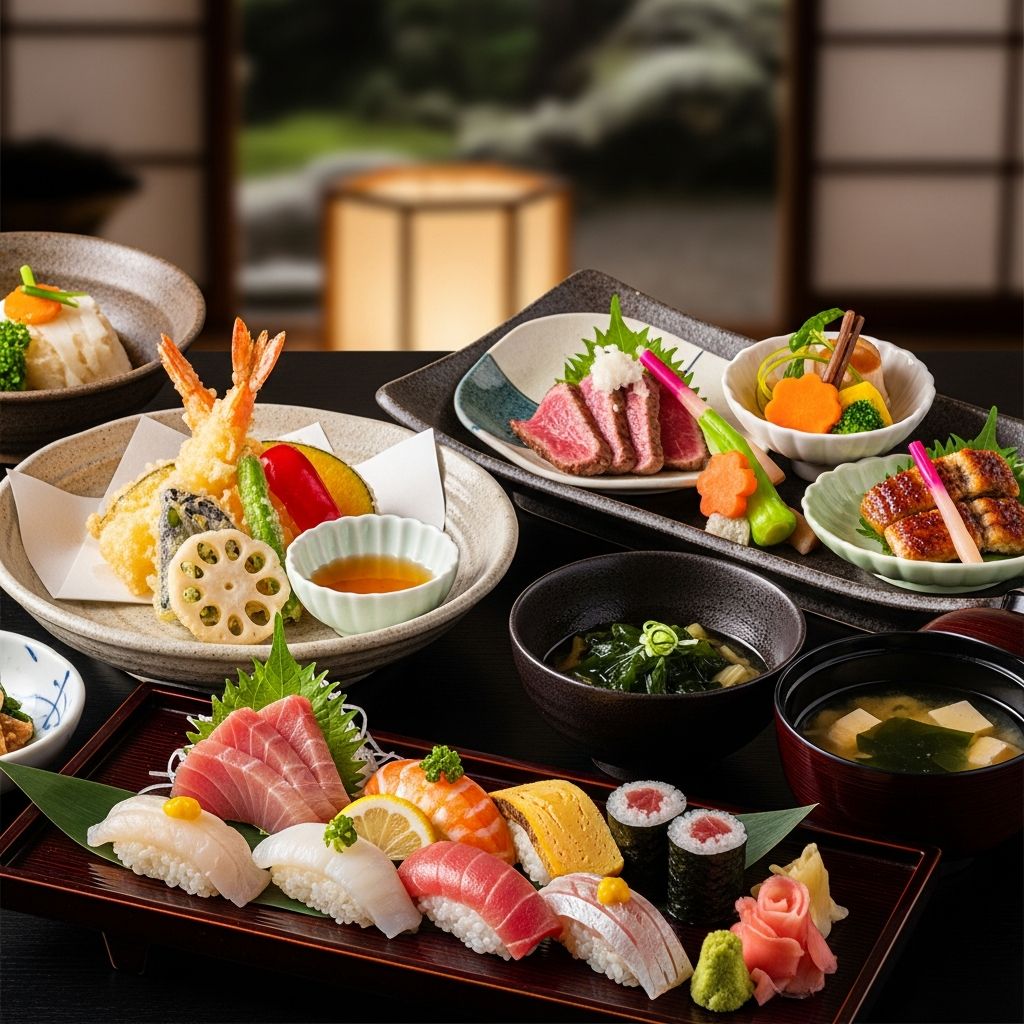
Kyoto stands as one of Japan’s most significant cultural centers, and its food scene reflects centuries of culinary tradition alongside contemporary innovation. The city’s restaurants showcase everything from formal multi-course kaiseki meals to casual street-side noodle stands, each offering authentic glimpses into Japanese gastronomic culture. Whether you’re seeking Michelin-starred establishments or hidden neighborhood gems, Kyoto’s diverse food landscape caters to every palate and budget.
Understanding Kyoto’s Food Heritage
The culinary identity of Kyoto, known as Kyoryori or Kyoto cuisine, developed over more than a thousand years as the imperial capital. This refined tradition emphasizes seasonal ingredients, meticulous preparation, and aesthetic presentation. Local cuisine draws inspiration from Buddhist vegetarian cooking, aristocratic court dining, and the influence of surrounding rural regions that supply fresh produce, fish, and specialty ingredients.
The city’s food culture extends beyond formal dining. Kyoto residents and visitors alike patronize markets, casual eateries, and neighborhood restaurants that have operated for generations. Many establishments maintain recipes and techniques passed down through families, making dining in Kyoto an opportunity to experience authentic culinary heritage firsthand.
Noodle Traditions: Ramen and Soba Excellence
Kyoto’s noodle culture represents a significant portion of the city’s food identity. Ramen restaurants throughout the city serve distinctive styles that have evolved locally over decades. Kyoto-style shoyu ramen features a clear, savory soy-based broth that distinguishes it from heavier broths found in other regions. Many ramen establishments have maintained their recipes and operations since the mid-20th century, becoming neighborhood institutions.
Soba, the traditional buckwheat noodle, holds even deeper historical significance in Kyoto. Select soba restaurants preserve centuries-old preparation methods, sourcing premium buckwheat and utilizing natural groundwater for both cooking and broths. The standing soba bar format, known as “tachigui,” offers an informal, efficient dining experience where customers enjoy their meals at counters while standing, creating a casual yet convivial atmosphere.
- Premium soba utilizes buckwheat sourced from mountainous regions with cooler climates
- Traditional dashi broths are prepared using kombu seaweed and dried bonito fish
- Specialty variations include meat-topped soba and egg-based preparations served in hot stone bowls
Grilled and Fried Specialties
Several distinctive cooking techniques define Kyoto’s culinary landscape, each requiring specialized skill and traditional knowledge. Tonkatsu, the breaded and deep-fried pork cutlet, has become a Kyoto specialty, with dedicated restaurants perfecting the balance between crispy exterior and tender meat. The preparation involves careful selection of pork cuts, precise breading techniques, and meticulous oil temperature management.
Yakitori, grilled chicken skewers, represents another essential element of Kyoto’s casual dining culture. Restaurants specializing in yakitori prepare various chicken parts—from tender thighs to tender offal—and grill them over charcoal to achieve smoky flavor and textural contrast. Many yakitori establishments also serve oyakodon, stone-grilled chicken and egg rice bowls that deliver comfort and satisfaction.
Unagi, freshwater eel, commands respect as a premium ingredient requiring expert preparation. Family-run unagi restaurants maintain small capacities, emphasizing quality over volume. The cooking process involves meticulous deboning, precise grilling, and careful sauce application to achieve the distinctive combination of crispy exterior and tender interior that defines exceptional unagi preparation.
Elevated Dining: Kaiseki and Fine Cuisine
Kyoto remains internationally recognized for kaiseki, the formal multi-course Japanese dining experience representing the pinnacle of culinary artistry. Kaiseki meals typically feature eight to twelve courses, each course artfully presented to showcase seasonal ingredients, traditional cooking techniques, and aesthetic principles. These establishments often operate by reservation only, with menus changing seasonally and occasionally daily based on ingredient availability.
Fine dining establishments in Kyoto frequently receive international recognition, including Michelin stars, acknowledging their technical excellence and innovative approaches. These restaurants blend traditional Kyoto culinary principles with contemporary techniques and global influences, creating distinctive dining experiences that appeal to sophisticated palates.
The investment in kaiseki dining reflects commitment to ingredient quality, technical precision, and cultural preservation. Chefs train for years, sometimes decades, to master the complex techniques, flavor balancing, and presentation principles that define exceptional kaiseki preparation.
Street Food and Market Dining
Kyoto’s markets and street-level food vendors provide accessible entry points into local culinary culture. Nishiki Market, a covered market stretching several blocks through central Kyoto, houses vendors selling prepared foods, pickled vegetables, seafood, and specialty ingredients. The market environment encourages casual sampling and informal dining, with visitors moving between vendors throughout the afternoon.
Casual gyoza establishments serve pan-fried and deep-fried dumplings in hip, informal settings that attract both locals and visitors. These casual dining spaces often feature punk music and counter seating, creating energetic atmospheres that contrast sharply with refined dining environments.
Curry restaurants, including national chains and local establishments, provide satisfying, affordable meals featuring Japanese curry preparations topped with tonkatsu or other proteins. The curry culture in Kyoto reflects Japan’s broader adoption of curry as a comfort food, with numerous restaurants serving variations tailored to local preferences.
Neighborhood Dining Districts and Atmosphere
Kyoto’s geography includes several distinctive neighborhoods, each offering unique dining characteristics and atmospheres. Gion, the historic geisha district, concentrates traditional restaurants, tea houses, and evening establishments. The narrow streets and traditional wooden architecture create an immersive cultural environment, though dining prices typically reflect the premium location and atmospheric value.
Pontocho, another historic nightlife district, features numerous fusion restaurants alongside traditional establishments. This neighborhood attracts evening diners seeking both innovation and tradition, with restaurants often occupying historic buildings overlooking the river that defines the district’s geography.
The area surrounding Kyoto Station offers convenient dining for travelers with limited time or those requiring meals near transportation hubs. This neighborhood includes both established local favorites and contemporary dining concepts, with many restaurants specifically accommodating families and offering diverse cuisine options.
Specialty Ingredients and Seasonal Dining
Kyoto’s culinary calendar revolves around ingredient seasonality. Spring brings fresh vegetables and delicate preparations emphasizing new growth. Summer features lighter broths and chilled noodles alongside fresh fish preparations. Autumn showcases mushrooms, chestnuts, and root vegetables in warming preparations. Winter emphasizes rich broths, preserved ingredients, and preparations designed to provide comfort during cold months.
Many restaurants update their menus regularly, sometimes daily, based on ingredient availability and seasonal appropriateness. This practice reflects deep respect for ingredients and understanding that quality and flavor profiles change throughout the year. Diners seeking authentic Kyoto culinary experiences benefit from flexibility regarding specific dishes, trusting that whatever is being offered represents the chef’s judgment regarding optimal seasonal ingredients.
Dining Etiquette and Practical Considerations
Several practical considerations enhance Kyoto dining experiences. Reservation policies vary significantly, with fine dining establishments typically requiring advance booking while casual restaurants operate on first-come, first-served bases. Many casual establishments maintain cash-only policies, reflecting traditional practices and potentially offering modest discounts or advantages to cash-paying customers.
Language can present challenges, though established restaurants frequently employ English-speaking staff or provide English menus. Visual presentation and pointing strategies often suffice when communication challenges arise. Photographing menu items outside restaurants or consulting guidebooks before arrival helps diners identify establishments matching their preferences and dietary requirements.
Restaurant hours typically feature lunch service (approximately 11:30 to 13:30) followed by dinner service (approximately 17:00 to 19:30 or later). Many establishments close between lunch and dinner services, requiring advance planning to ensure restaurants are open when you plan to dine. Identifying opening and closing days prevents disappointment when reaching preferred establishments.
Budget Considerations and Dining Categories
| Dining Category | Typical Price Range | Experience Type |
|---|---|---|
| Casual Street Food | ¥800–¥2,000 | Quick, informal meals |
| Neighborhood Restaurants | ¥2,000–¥8,000 | Local specialties, comfortable atmosphere |
| Specialty Restaurants | ¥8,000–¥20,000 | Single-focus cuisine (ramen, unagi, tonkatsu) |
| Fine Dining Kaiseki | ¥20,000–¥50,000+ | Multi-course formal dining experiences |
Budget flexibility enables visitors to experience multiple dining tiers during extended Kyoto visits. Combining casual street meals with selective fine dining experiences provides balanced perspectives on Kyoto’s culinary spectrum without excessive expense.
Navigating Dietary Restrictions
Visitors with specific dietary requirements benefit from advance communication with restaurants. Many establishments accommodate vegetarian preferences, reflecting Buddhist culinary traditions that emphasize plant-based ingredients and preparations. However, communicating specific restrictions clearly prevents misunderstandings, as dishes may contain fish-based broths or other animal products not immediately apparent to diners unfamiliar with Japanese cuisine.
Allergy concerns require explicit communication, as translation challenges and ingredient labeling differences between Japan and other countries can create confusion. Writing out specific allergies or dietary requirements in Japanese or carrying cards explaining restrictions helps ensure clear communication with restaurant staff.
Exploration and Discovery
While guidebooks and recommendations provide valuable starting points, some of Kyoto’s most memorable dining experiences emerge through exploration and serendipity. Walking through residential neighborhoods, following aromatic scents, and observing where locals dine often reveals exceptional casual establishments not featured in mainstream guides. These discoveries create personal narratives that enhance overall travel experiences beyond guidebook recommendations.
Engaging with hotel staff, local residents, and other travelers generates fresh recommendations reflecting current conditions and recent openings. Kyoto’s food scene evolves constantly, with established restaurants closing and new concepts emerging regularly. Real-time recommendations from those recently visiting often outweigh guidebook information published years earlier.
Frequently Asked Questions
Do I need to make reservations at casual ramen and noodle restaurants?
Most casual noodle establishments operate on first-come, first-served bases without reservation systems. Arriving during off-peak hours (typically mid-afternoon or after 13:30 for lunch) minimizes wait times. Popular establishments may have lines during peak dining hours.
What is the typical cost of a kaiseki dinner?
Formal kaiseki dinners typically range from ¥20,000 to ¥50,000 or higher per person, depending on the restaurant’s reputation, ingredient selection, and course complexity. Lunch kaiseki offerings at some establishments may cost significantly less, sometimes ¥10,000–¥15,000.
Can I find English menus at Kyoto restaurants?
English menus are increasingly common at established restaurants in touristy areas and fine dining establishments. Smaller, local-focused restaurants may lack English menus. Translation apps and visual inspection of nearby diners’ meals provide alternatives when English menus aren’t available.
Are credit cards accepted throughout Kyoto restaurants?
Credit card acceptance varies, with casual establishments and family-run restaurants often maintaining cash-only policies. Fine dining establishments typically accept major credit cards. Confirming payment methods in advance prevents surprises, particularly at specialty restaurants.
What are the best neighborhoods for dining experiences?
Gion and Pontocho offer atmospheric historic dining alongside contemporary concepts. Areas near Nishiki Market provide casual eating opportunities and street food. Neighborhoods immediately surrounding Kyoto Station offer convenient dining for travelers with time constraints.
References
- Japan Guide – Kyoto Food Guide — Japan Guide. Accessed 2026. https://www.japan-guide.com/e/e3963.html
- MICHELIN Guide – Kyoto Restaurants — Michelin Guide. Accessed 2026. https://guide.michelin.com/us/en/kyoto-region/restaurants
- 13 Ultimate Kaiseki Restaurants in Kyoto — Tokyo Table Trip. Accessed 2026. https://tokyotabletrip.com/en/402
- Where to Eat in Kyoto – Guide & Map of the Best Restaurants — Anders Husa. Accessed 2026. https://andershusa.com/where-to-eat-in-kyoto-japan-guide-and-map/
Similar Articles








Read full bio of Sneha Tete