
Direct Bus Travel Between Kyoto And Koyasan: Complete Guide
Seamless mountain access: Everything you need for the Kyoto to Koyasan express bus
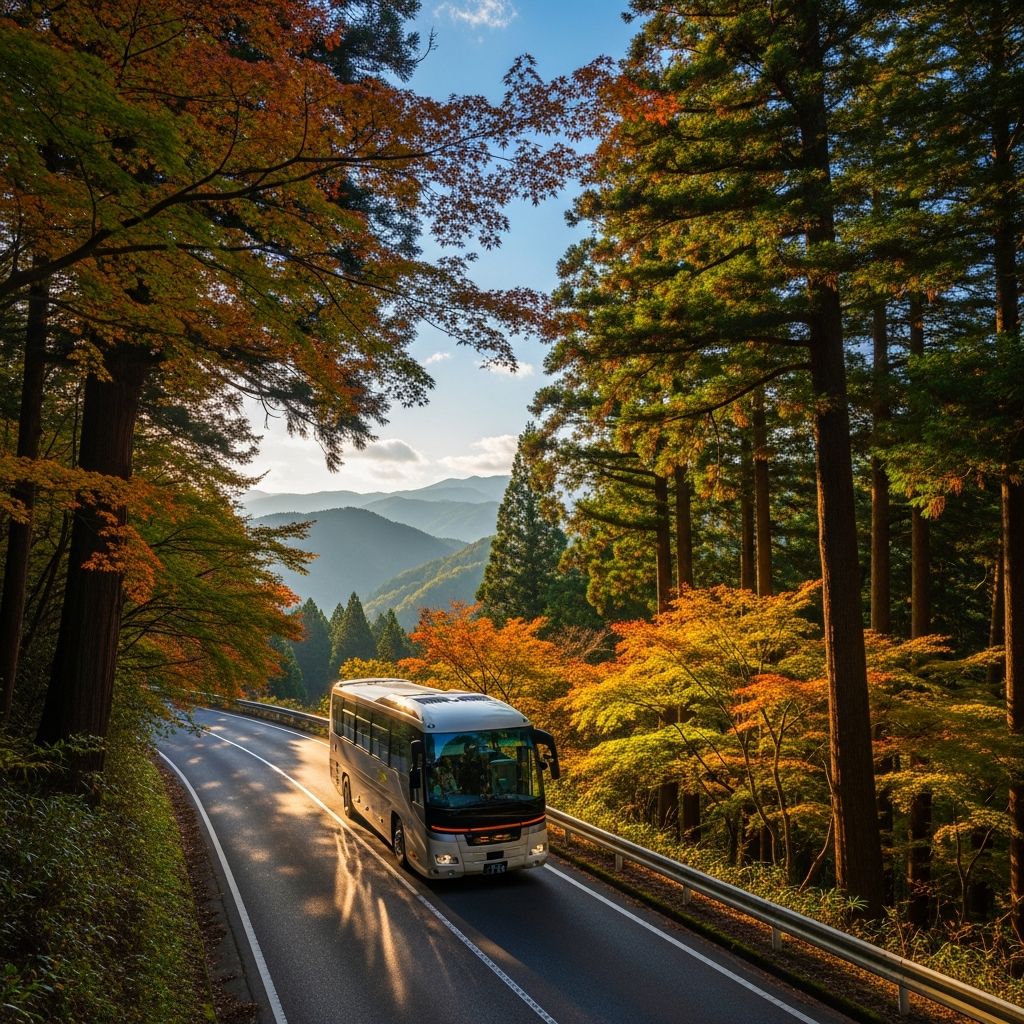
Traveling between Japan’s historic cultural hub and the sacred mountaintop monastery town of Koyasan presents several transportation options. Among these choices, the direct highway bus service stands out as one of the most practical and efficient methods for covering the approximately 160-minute journey without the complexity of multiple transfers. This comprehensive guide explores everything travelers need to know about using this convenient transportation link during the operating season.
Understanding the Direct Highway Bus Service
The express bus service connecting Kyoto and Koyasan eliminates the traditional challenges associated with reaching the mountain community. Rather than navigating multiple train lines, transfers, and cable car transitions, passengers can board a single bus at Kyoto Station and travel directly to their final destination in Koyasan. This door-to-door approach has transformed accessibility for visitors seeking to experience the spiritual atmosphere and Buddhist temples that make Koyasan a distinctive Japanese destination.
The service operates during the temperate months when mountain conditions are most favorable for travelers. The direct route represents a collaboration between regional bus operators who recognized the need for convenient connections between these two important Japanese destinations.
Seasonal Availability and Operating Schedule
The direct highway bus service maintains a seasonal schedule that aligns with favorable weather conditions in the mountainous regions. The service runs continuously from April through November each year, providing extended access during spring, summer, and autumn months. This seasonal approach ensures that roads remain clear and travel conditions remain safe for passengers throughout the operating window.
Within the operating season, buses depart daily in both directions, with departure times strategically planned to serve different traveler needs and allow for sufficient time at each destination. The morning departure from Kyoto typically occurs in the early hours, while the return journey from Koyasan departs in the mid-afternoon, accommodating overnight stays or extended visits to the spiritual community.
Journey Duration and Route Specifics
The complete journey from Kyoto to Koyasan requires approximately two hours and forty minutes of travel time. This timeframe encompasses the scenic drive through changing landscapes as the bus climbs into the mountains, along with any scheduled stops at intermediate stations. The efficiency of direct transportation means that passengers save considerable time compared to alternative routes involving transfers and waiting periods at connection points.
The bus route includes multiple stops within both cities, providing flexibility for travelers departing from different locations. In Kyoto, the primary boarding point begins at Kyoto Station’s Hachijo Exit, one of the most accessible locations in the city for travelers arriving by train or those staying nearby. Within Koyasan, the bus terminates at several key stops including Okunoin-mae and the station near Kongobuji Temple, allowing passengers to disembark close to their intended accommodations or attractions.
Fare Structure and Pricing Information
The one-way fare for the direct bus service reflects reasonable pricing for the convenience and time saved. Fares vary slightly depending on the travel season, with higher rates during the popular autumn months when foliage attracts increased visitor numbers. Standard one-way adult tickets typically range from 2,800 to 3,000 yen, while children’s fares remain set at half the adult price.
For travelers planning round-trip journeys, special combined tickets offer modest savings compared to purchasing two separate one-way tickets. Round-trip tickets maintain validity for ten days from the initial departure date, providing flexibility for visitors who wish to explore Kyoto, travel to Koyasan, spend time there, and return without rushing their plans.
| Season | Adult One-Way | Adult Round-Trip | Child One-Way | Child Round-Trip |
|---|---|---|---|---|
| April–September | ¥2,800 | ¥5,100 | ¥1,400 | ¥2,550 |
| October–November | ¥3,000 | ¥5,500 | ¥1,500 | ¥2,750 |
Practical Advantages for Different Traveler Types
The direct bus service appeals to numerous categories of visitors for distinct practical reasons. Travelers carrying significant luggage find the bus particularly advantageous since large bags can be securely stored beneath the vehicle, eliminating the cumbersome task of managing heavy items through train stations and multiple transfers. Families with children appreciate the simplified journey structure that avoids platform changes and reduces confusion in busy transit hubs.
Elderly travelers and those with mobility considerations benefit from the streamlined process of boarding once and remaining seated throughout the journey. Additionally, visitors unfamiliar with Japanese transportation systems find the straightforward single-vehicle approach far less intimidating than navigating complex train route combinations, station signage, and connection logistics. The reserved seat system ensures that all passengers have guaranteed seating for the entire journey, eliminating uncertainty about space availability.
Booking and Ticket Purchase Methods
Obtaining tickets for the direct bus service involves several convenient options suited to different traveler preferences and circumstances. The traditional method involves visiting the Keihan Bus Ticket Center located at Kyoto Station near the Hachijo Exit, where staff can assist with bookings, answer questions, and process payments in person. This in-person approach proves particularly helpful for travelers uncomfortable with online booking procedures or those requiring assistance understanding the available options.
For technology-oriented travelers, online booking through Japan Bus Online provides the ability to reserve seats from anywhere with internet access, including before arriving in Japan. This digital approach allows for advance planning and guaranteed seating confirmation, with the flexibility to review departure times and select preferred schedules. Online booking typically requires providing passenger information and selecting payment methods that accommodate international travelers.
An important consideration when booking involves payment methods. The bus service does not accept rechargeable IC cards commonly used throughout Japan’s transportation network. Instead, travelers must use paper tickets purchased through either of the aforementioned channels or arrange online reservations with appropriate payment confirmation.
Strategic Timing and Weather Considerations
While the service operates from April through November, travelers should account for seasonal variations in journey times and overall comfort. The autumn foliage season from October through November attracts peak visitor numbers, which can result in increased traffic congestion on mountain roads. During these popular periods, the standard 160-minute journey time may expand due to heavier vehicle volumes, so travelers should plan accordingly and build additional buffer time into their itineraries.
Spring travel, though earlier in the season, typically experiences lighter traffic as tourism in Japan gradually increases. Summer months generally provide clear conditions, though heat within the bus during non-air-conditioned sections could affect comfort during extended travel hours. Planning travel during shoulder seasons—late spring and early autumn—often provides an optimal balance between favorable conditions and manageable crowd levels.
Comparison with Alternative Routes
Understanding how the direct bus compares to alternative transportation methods provides valuable context for trip planning. The conventional train-based route requires traveling from Kyoto to Osaka, transferring to a different rail line, proceeding to Gokurakubashi, transferring to a cable car, and finally boarding a local bus to reach central Koyasan. This multi-stage process consumes significantly more time despite potentially lower total fares, and requires more active decision-making and navigation at each transition point.
The direct bus eliminates these complications entirely. Passengers need not research multiple operators, worry about missing connections, or navigate unfamiliar stations. The psychological simplicity of boarding once and remaining on the same vehicle appeals to many travelers, particularly those experiencing Japan for the first time or traveling independently without local guides.
Amenities and Passenger Comfort Features
The express buses provide reserved seating throughout the journey, ensuring that each passenger has a designated spot for the full duration. The vehicles typically feature adequate legroom suitable for extended travel periods and windows providing scenic views of the landscape transformation as the route climbs into mountainous terrain. Air conditioning maintains comfortable cabin temperatures regardless of external weather conditions.
Passengers should bring entertainment for the journey since the buses do not feature in-vehicle entertainment systems. Reading materials, portable devices with pre-downloaded content, or simply enjoying the changing landscape constitute realistic options for passing the time. Bringing water or snacks proves advisable, as the journey duration does not include scheduled stops for refreshments.
Luggage Policies and Storage Arrangements
The under-bus storage compartment provides secure space for large suitcases, backpacks, and travel gear, allowing passengers to travel without wheeling luggage through the cabin. This arrangement means travelers can maintain a clear aisle and easily move to their seats without navigating around multiple pieces of luggage. The secure storage also provides peace of mind regarding personal belongings during the mountain journey.
For items passengers prefer to keep nearby during travel—such as medications, valuables, travel documents, or frequently accessed materials—overhead or under-seat storage typically accommodates smaller bags and personal items. Understanding these storage options helps travelers pack efficiently and maintain easy access to necessities throughout the journey.
Destination Integration and Next Steps Upon Arrival
Upon arriving in Koyasan, passengers disembark at strategically located stops that position them conveniently for continuing their explorations. The Okunoin-mae stop provides direct access to the sacred Okunoin cemetery and its associated Buddhist temple complexes. Alternative stops near Kongobuji Temple—the administrative center of Koyasan—and other central locations allow visitors to choose departure points aligned with their planned activities and accommodations.
Many travelers utilize their Koyasan time to experience shukubo stays—overnight accommodations within Buddhist temple facilities that provide spiritual experiences, communal dining, and early morning meditation sessions. The direct bus service integration makes accessing these unique cultural experiences accessible for day-trip visitors from Kyoto, though most travelers extend their stays to fully appreciate the mountaintop community’s atmosphere and opportunities for temple exploration.
Planning Your Journey: Essential Considerations
Successful travel on the direct bus service involves several planning steps. First, confirm current operating dates and schedule information, as seasonal variations occur annually. Next, determine whether your travel dates fall during standard or peak seasons, as this affects both fare prices and realistic journey duration estimates. Finally, arrange either in-person or online ticket purchases well in advance of your intended travel date, particularly during the autumn foliage season when seating fills quickly.
Arriving at Kyoto Station’s designated bus stop with sufficient time before departure—typically 15 to 30 minutes—ensures a calm boarding process. Having your ticket and identification documentation ready facilitates smooth boarding procedures. Communicating any special needs to bus staff during boarding helps ensure comfortable travel throughout your mountain journey.
Frequently Asked Questions
Can I use Japan Rail Pass on the direct bus?
No, the direct highway bus operates independently and does not accept Japan Rail Pass. Only paper tickets purchased through specified channels or online reservations are accepted.
Is reserved seating guaranteed?
Yes, all seats on the express bus are reserved. Upon booking or ticket purchase, passengers receive assigned seat numbers.
What happens if I miss my scheduled departure?
Since seating is limited and predetermined, missing your departure means you cannot board that particular bus. Contact your booking source regarding rebooking on a later departure or refund policies.
Are there bathroom facilities on the bus?
The specific amenities vary by vehicle, though many long-distance Japanese buses include onboard restroom facilities. Verify this detail when booking if it represents an important consideration for your journey.
Can I stop midway between Kyoto and Koyasan?
Intermediate stops exist primarily for transfers and scheduled stops; this is not a hop-on, hop-off service. Your ticket takes you to your specified destination.
What payment methods does Japan Bus Online accept?
Online platforms typically accept major international credit cards, though verifying accepted payment methods on the specific booking site ensures smooth transaction completion.
References
- Kyoto to Koyasan by Bus – 2025 Guide — Koyasan Guesthouse. 2025. https://koyasanguesthouse.com/en/news/210/
- Kyoto Koyasan – Japan Bus Online — Japan Bus Online. 2025. https://japanbusonline.com/en/CourseSearch/12600200001
- Kyoto – Koyasan Direct Highway Bus — Koyasan Official Tourism. 2025. https://koyasan.net/kyoto-koyasan-direct-highway-bus/
- Travel from Kyoto to Koyasan, Kumano and Shirahama — Visit Wakayama. 2025. https://visitwakayama.jp/en/itineraries/detail_11.html
- How to get to and around Koyasan – Access, Transport and Orientation — Japan Guide. https://www.japan-guide.com/e/e4904.html
- Kyoto Koyasan Line (Expressway Bus) — Navitime Japan Travel. https://japantravel.navitime.com/en/area/jp/railroad/00080033/
Similar Articles








Read full bio of medha deb