
$1 Hotel Rooms: Inside Japan’s Live Stream Experiment In 2025
Discover innovative budget accommodations where a $1 night requires broadcasting your entire stay live online for global viewers.
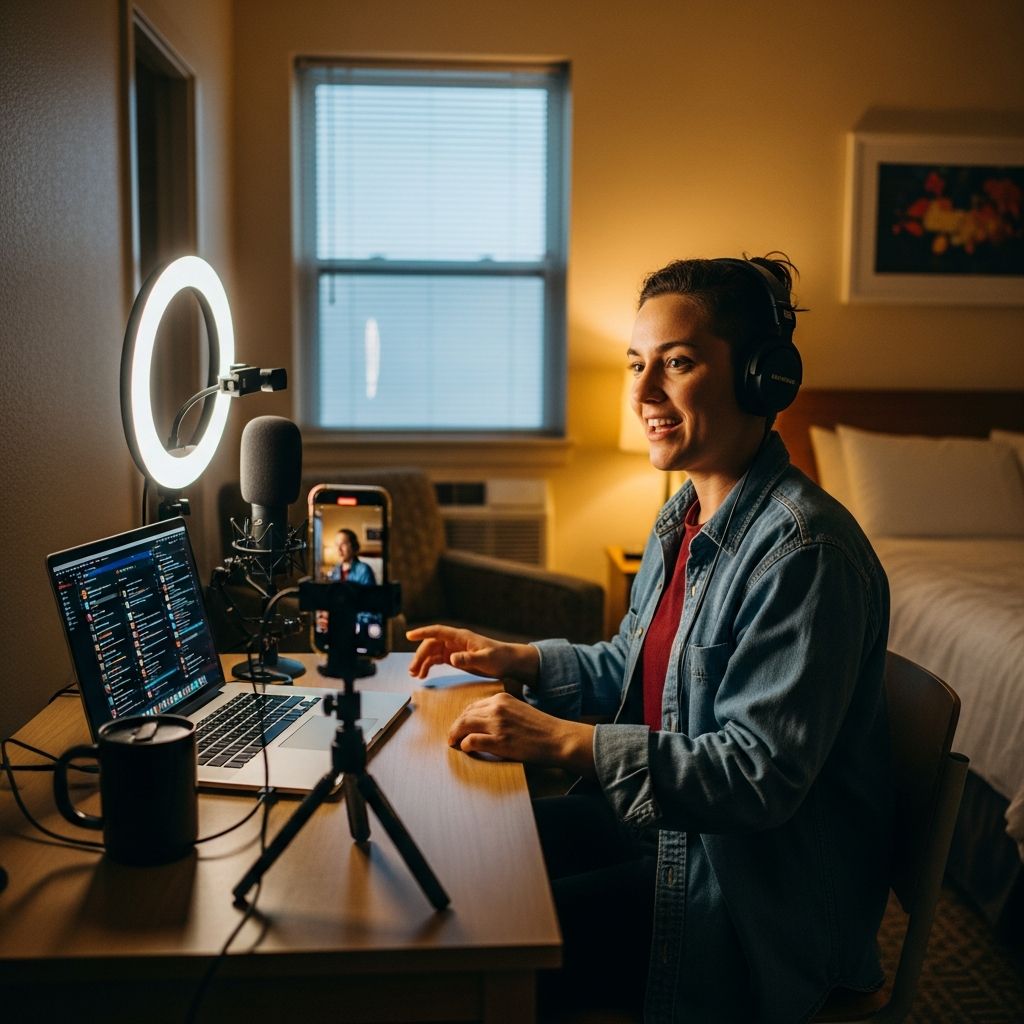
In an era where social media shapes travel experiences, a small Japanese guesthouse has redefined budget lodging with a provocative offer: a room for just $1 per night, provided guests consent to having their entire stay broadcast live online. This concept, pioneered by Asahi Ryokan in Fukuoka, blends hospitality with digital entertainment, drawing curious adventurers willing to trade privacy for unparalleled savings.
The Rise of Interactive Budget Travel
Traditional hotels compete on amenities, location, and price, but Asahi Ryokan’s approach taps into the livestreaming boom. Facing low occupancy in an aging property, the owner devised a strategy to fill rooms while generating alternative revenue. Guests in the designated “One Dollar Hotel” room receive accommodations—including taxes—for a mere 100 yen (about $1), but a table-mounted camera captures nearly every moment for 24 hours.
This isn’t mere voyeurism; it’s a calculated business move. The stream airs on the hotel’s YouTube channel, which rapidly amassed thousands of subscribers shortly after launch. By hitting viewership thresholds, the channel unlocks ad monetization, potentially offsetting the financial loss from rock-bottom rates.
- Key Appeal: Extreme affordability attracts solo travelers, digital nomads, and content enthusiasts.
- Digital Twist: Turns passive stays into interactive spectacles for remote audiences.
- Occupancy Boost: Revives underused spaces in a competitive market.
Unpacking the Rules and Boundaries
Participation demands strict adherence to guidelines ensuring safety and decorum. The video feed operates silently by default—no audio records conversations unless guests activate the microphone voluntarily. Crucially, privacy zones exist: the shared bathroom lies outside camera range, and guests may extinguish lights for sleep, cloaking the room in darkness.
Prohibited activities include any “lewd acts” or intimate behaviors, preserving a family-friendly tone. Sensitive items like passports or credit cards must be concealed from view. Only one of the ryokan’s 10 rooms participates, leaving others for standard bookings. When vacant, the owner streams himself at work, maintaining channel momentum.
| Allowed | Restricted |
|---|---|
| Daily routines (eating, relaxing) | Bathroom use, sleeping with lights on |
| Turning off lights at night | Showing personal documents |
| Optional mic activation | Lewd or sexual activities |
Early adopters—five guests, mostly local Japanese—have tested the setup without major incidents, proving its viability.
Fukuoka: The Perfect Backdrop for This Experiment
Situated on Kyushu island’s northern coast, Fukuoka offers a vibrant contrast to the intimate ryokan experience. This port city fuses modern energy with historical charm: ancient temples dot the landscape, street food stalls sizzle with ramen and yakitori, and beaches provide serene escapes. Asahi Ryokan’s seaside location enhances its allure, positioning it amid culinary hotspots and cultural sites.
For livestream participants, the city becomes both subject and stage. Viewers tune in not just for the room but for glimpses of Fukuoka life—perhaps a guest narrating a temple visit or savoring local specialties on camera. This synergy elevates the stream beyond bedroom confines, marketing the destination organically.
Privacy, Psychology, and Viewer Fascination
What compels someone to broadcast their most mundane moments? Psychologists point to exhibitionism’s thrill, amplified by social media validation. For viewers, the allure lies in unscripted authenticity—watching strangers’ unfiltered lives offers escapist intimacy, akin to reality TV but rawer.
Privacy advocates raise flags, yet participants consent knowingly, with safeguards mitigating risks. No facial recognition mandates exist, and darkness options protect sleepers. Still, data on long-term psychological effects remains sparse; this model tests boundaries in an always-on world.
Business Model: Ads Over Rates
At $1 per night, profitability hinges on indirect gains. YouTube’s algorithm favors consistent content, propelling the channel from zero to over 8,000 subscribers in days. Ad revenue kicks in at 4,000 watch hours, promising scalability. Sponsors targeting travel niches could follow, from gear brands to tourism boards.
Broader implications? This could inspire copycats worldwide, especially in low-season destinations. Imagine European hostels or U.S. motels adopting similar tactics, filling vacancies via viral streams. However, cultural variances—Japan’s tech-savvy, privacy-respecting ethos—may limit global replication.
Potential Challenges and Evolutions
Sustainability questions loom: Will novelty fade, dropping views? Regulatory hurdles, like streaming laws or tourist visas, could intervene. Guest burnout from constant exposure might deter repeats. Yet, refinements—like themed nights or viewer Q&A—could sustain engagement.
Post-pandemic, contactless innovations thrive; this fits by virtualizing the guest experience. Hotels might integrate VR tours or AI hosts, blending physical stays with digital audiences.
Traveler Testimonials and Lessons Learned
Initial guests report mixed thrills: excitement from global eyes mingled with self-consciousness. One shared enjoying viewer chats (via comments), turning solitude into community. Tips emerge: angle screens strategically, embrace quirks for entertainment value.
- Pack minimally to avoid clutter on stream.
- Prepare talking points for engaging narratives.
- Respect rules to avoid ejection.
Global Inspirations and Comparisons
Similar gimmicks echo elsewhere: iceberg hotels in Sweden or capsule pods in Tokyo. None match this interactivity. Airbnb Experiences flirt with shares, but full-stay streams pioneer new territory. Budget chains like Hostelworld could experiment, democratizing access.
Is This the Future of Cheap Travel?
As travel costs soar, gimmicks like Asahi’s challenge norms, proving creativity trumps capital. For risk-takers, it’s a steal; for purists, a pass. Either way, it spotlights how technology reimagines hospitality.
Frequently Asked Questions
How do I book the $1 livestream room?
Contact Asahi Ryokan directly via their website or email, specifying interest in the One Dollar Hotel offer. Availability is limited to one room.
Is audio recorded during the stay?
No, streams are video-only unless you enable the microphone yourself.
Can couples or groups participate?
The offer targets individuals; groups may not fit the single-room setup or rules.
What if I need full privacy?
Opt for standard rooms at regular rates, or turn off lights/use dark areas.
Has anyone famous stayed?
Early guests were locals and curious travelers; no celebrities reported yet.
Are there age restrictions?
Adults only, with ID checks to enforce rules.
References
- Japanese hotel Asahi Ryokan offers $1 rooms for guests who live-stream everything — CBS News. 2019-10-11. https://www.cbsnews.com/news/japanese-hotel-asahi-ryokan-offers-1-rooms-for-guests-who-live-stream-everything/
- This hotel is only $1 a night, but you’ll be livestreamed while you sleep — ABC News. 2019-10-11. https://abcnews.com/GMA/Travel/hotel-night-livestreamed-sleep/story?id=67199937
- Japanese hotel sells room for 70p if guests agree to be livestreamed — The Independent. 2019-10-11. https://www.independent.co.uk/travel/news-and-advice/japan-hotel-ryokan-asahi-one-dollar-fukuoka-livestream-a9210476.html
- This hotel is only $1 a night, but you’ll be livestreamed while you sleep — Good Morning America. 2019-10-11. https://www.goodmorningamerica.com/travel/story/hotel-night-livestreamed-sleep-67199937
Similar Articles








Read full bio of medha deb